Culinary Leadership Shapes Freddy’s Future
Freddy’s Frozen Custard & Steakburgers promotes Rick Petralia to Executive Chef & VP of Training & Innovation, signaling a strategic focus on culinary excellence and franchisee support.
News
Aug 12, 2026
Freddy’s Frozen Custard & Steakburgers promotes Rick Petralia to Executive Chef & VP of Training & Innovation, signaling a strategic focus on culinary excellence and franchisee support.
Aug 12, 2026
McDonald’s USA has appointed Patrick Gerber as chief restaurant officer, leveraging his decades of global experience to boost operations, food quality, and customer satisfaction in the U.S. market.
Aug 11, 2026
MOOYAH Burgers, Fries & Shakes partners with Great USA Foods LLC to launch a master franchise in the UAE, accelerating international expansion into Dubai and Abu Dhabi. Learn the impact for restaurant owners and growth lessons.
Aug 12, 2026
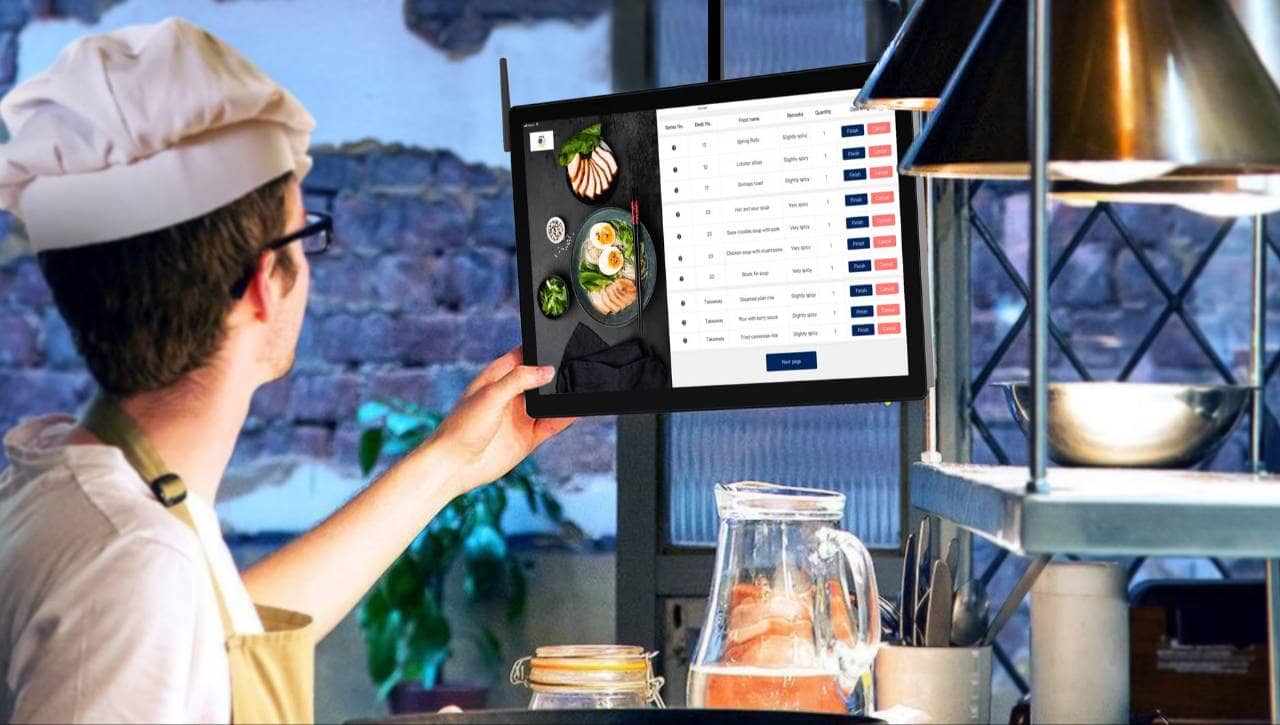
See how a kitchen display system supports faster service, better communication, accurate orders, organized workflows, and improved kitchen performance management.
Aug 10, 2026
Red Robin welcomes marketing veteran Scott Hudler as its new CMO, aiming to revitalize brand strategy and guest engagement during a critical turnaround phase.
Aug 11, 2026
Discover how a Zaxbys team member's creative marketing efforts earned her an executive role, and what the move shows about employee-driven branding in restaurants.
Aug 11, 2026

Avoiding hiring mistakes helps restaurant owners reduce turnover, control labor costs, improve staffing decisions, and build stronger, more reliable teams.
Aug 10, 2026
With traffic and sales slipping, Wendy’s new CEO Bob Wright sets a bold multi-pronged plan to restore food quality, brand value, and operational execution.
Aug 10, 2026
Explore practical ways to manage restaurant overhead costs while protecting service quality, employee productivity, food standards, and long-term profitability goals.
Aug 7, 2026

Get more restaurant reviews by creating memorable experiences, asking customers at the right time, simplifying feedback, and monitoring review performance.
Aug 7, 2026
When you are a restaurant owner, one of the most important things to know is the different types of inventory management. These are important to know so you can run your business properly.
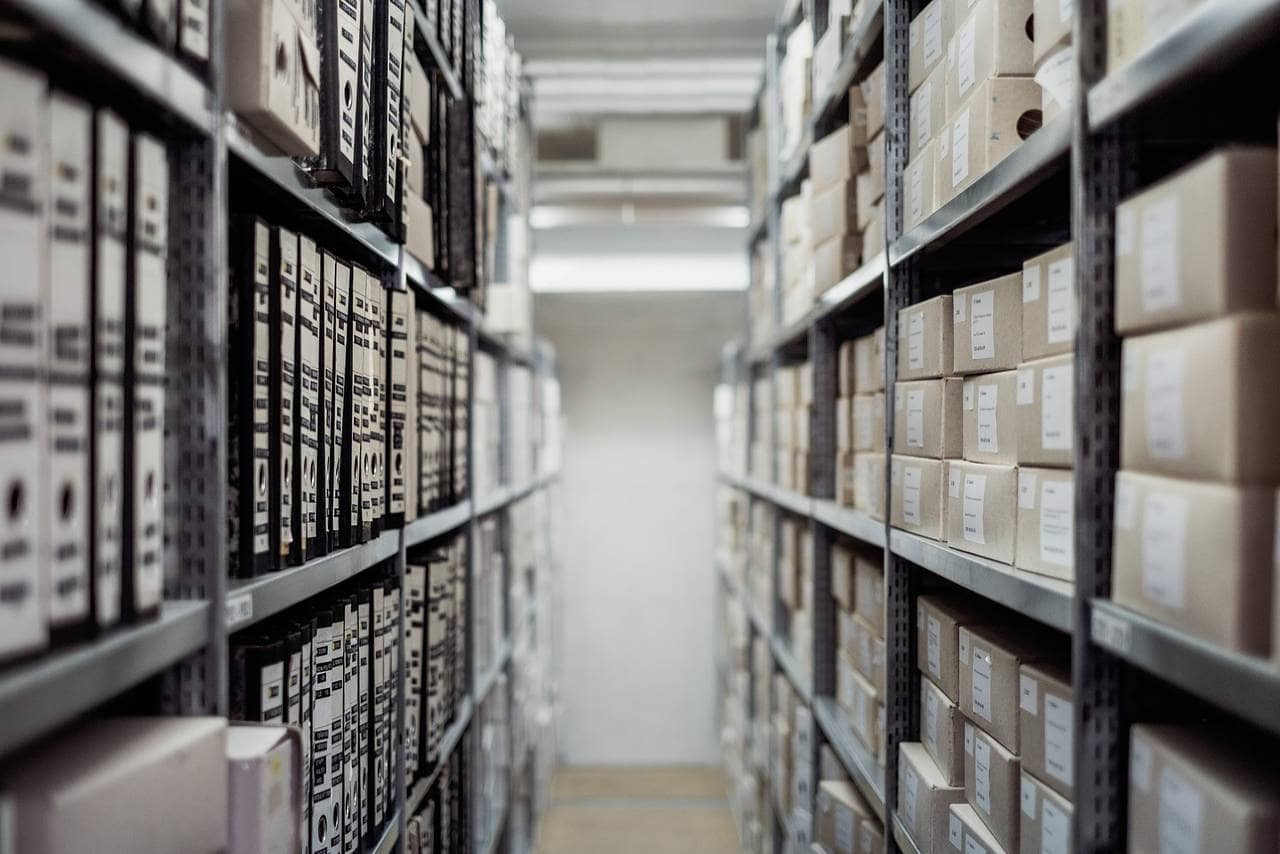
Inventory management can be simply defined as inventory control system to have the right inventory in right quantity at the right time with right inventory cost. As a part of supply chain management, inventory management helps businesses manage inventory control at different inventory levels like identifying what and how much stock to order at what time. Inventory management tracks inventory counts from the stage of purchase till goods sold or sale of finished goods. It includes various aspects like process of ordering, storing and using company's raw material and the finished products. Perpetual inventory or inventory tracking in real time is very effective in the operations of small business as it provides inventory counts in real time. The practice of inventory management identifies and assures to have the right amount of stock to fulfill customer demands and also issue warning for shortage of the stock or safety stock. Poor inventory management may lead to deadstock, or unsold stock reducing the cash flow for the company. 5 key stages of inventory management- There are five main stages of inventory management to follow- Purchasing- Purchase of raw materials to turn into finished products, or buying products to sell. Production- Manufacturing inventory or preparing the final product from raw material and its constituent parts. Stock Holding- Control system for storage of raw materials and final products before sale. Sales- Keep track of your inventory and make sure your products reach out to customers in real time, and taking payment Reporting- Money flow is vital for businesses. Company needs report on money spent and earned to assess profitability.
The importance of inventory management can be established by the fact that it helps the company in inventory tracking or to make sure that there is rarely too much or too little stock on hand. It also limits the risk of stock-outs, inaccurate records, and restricted cash flow. Inventory management is beneficial in many ways for a company. It assures that the customer demands are met at the right time leading to enhanced customer service and satisfaction. It raises the profit of the organization by making you invest in just the right amount of order quantity of stock and maintaining the cash flow. Benefits of Inventory Management Saves Money- Understanding the stock trends make you invest money in the right amount of stock at the right time. This practice saves money as well as maintains cash flow for the organization. It also allows you to keep less stock at each location, be it store or the warehouse. Improves Cash Flow- Inventory management allows you to spend money on the inventory counts that sell. Satisfies Customers- Inventory management makes sure that the customers' demands are met without waiting. However, with several benefits, there are challenges associated with inventory management as well. Inventory Management Challenges Inventory management may give you accurate stock of your inventories but the challenge crops up when your inventory counts are too high and you are not being able to sell it. There are other challenges like not having enough inventory to fulfill orders. Also, the biggest challenge is not understanding what items to have in the inventory. Here are a few other challenges with inventory management- Stock Details- Having accurate stock detail of physical inventory and periodic inventory is vital to know when to refill the stock or which stock moves well. Procedural Lapses- Outdated or manual processes of inventory systems can be error-prone and slow down the work process. Changing Customer Demand- Tracking inventory system trends is important to cater to changing tastes and needs of the customers. Knowing the preferences of the customers is also a challenge for inventory management. Warehouse Management- Customer service and operations become difficult if the type of inventory or products are hard to locate. Inventory management can help eliminate the challenge of warehouse management. There are many inventory management software available in the market. These management software are available for start free trial and available as cloud-based inventory management software as well to manage inventory for your small business. Inventory ManagementInventory ManagementWarehouse ManagementWarehouse Management
Inventory has different classifications at different stages of the supply chain management. Typically, there are four types of inventory. These different types of inventory can be categorized into 4 different groups. The types of inventory management are Raw Materials, Works-In-Process, Maintenance, Repair and Operations or MRO and Finished Goods. Let's take each one of these groups in detail. Supply Chain
Raw materials are items used to turn your inventory into a finished product. These inventory can be bits and pieces that are in the stock but not used in either works-in-process or finished goods inventory. There are two different categories of raw materials. - Direct materials are used directly in finished goods. For example, leather used for making leather belts can be classified as direct material. - Indirect materials are part of the overhead or factory costs that contributes indirectly in keeping your business running. For example, lightbulbs and batteries can be considered as indirect materials for your shop. Best Inventory
Any direct or indirect inventory which is being used by your business to create finished goods can be considered as Works-In-Process or WIP. From the perspective of the cost of product WIP includes raw materials and labour costs that are still under work progress at the end of accounting period. For example, packaging is the WIP for medical equipment till it is sold to the customer. Another example can be of a readymade dress. The packaging and the raw material used in the dress is WIP till it is sold to the customer.
MRO also known as Maintenance, Repair, and Operations are the inventory required to assemble and sell the finished goods but are not built into the product itself. For example, basic office supplies such as pens, highlighters and paper can be classified as MRO.
Finished goods inventory are the most straightforward of all inventory types. Any inventory that is listed on your website, placed in your store for sale is a finished good. So, basically any product which is ready to be sold to your customers can be classified as finished goods. For example, a custom built laptop or a pre-packaged fruit salad can be considered as finished goods.