
Pizza Hut’s $1.2B China Sale Shakes Up Market
Yum! Brands has finalized a $1.2B deal to transfer Pizza Hut China to Yum China Holdings, signaling big strategic moves for both global franchisors and operators.
News
Aug 7, 2026
Yum! Brands has finalized a $1.2B deal to transfer Pizza Hut China to Yum China Holdings, signaling big strategic moves for both global franchisors and operators.
Aug 7, 2026
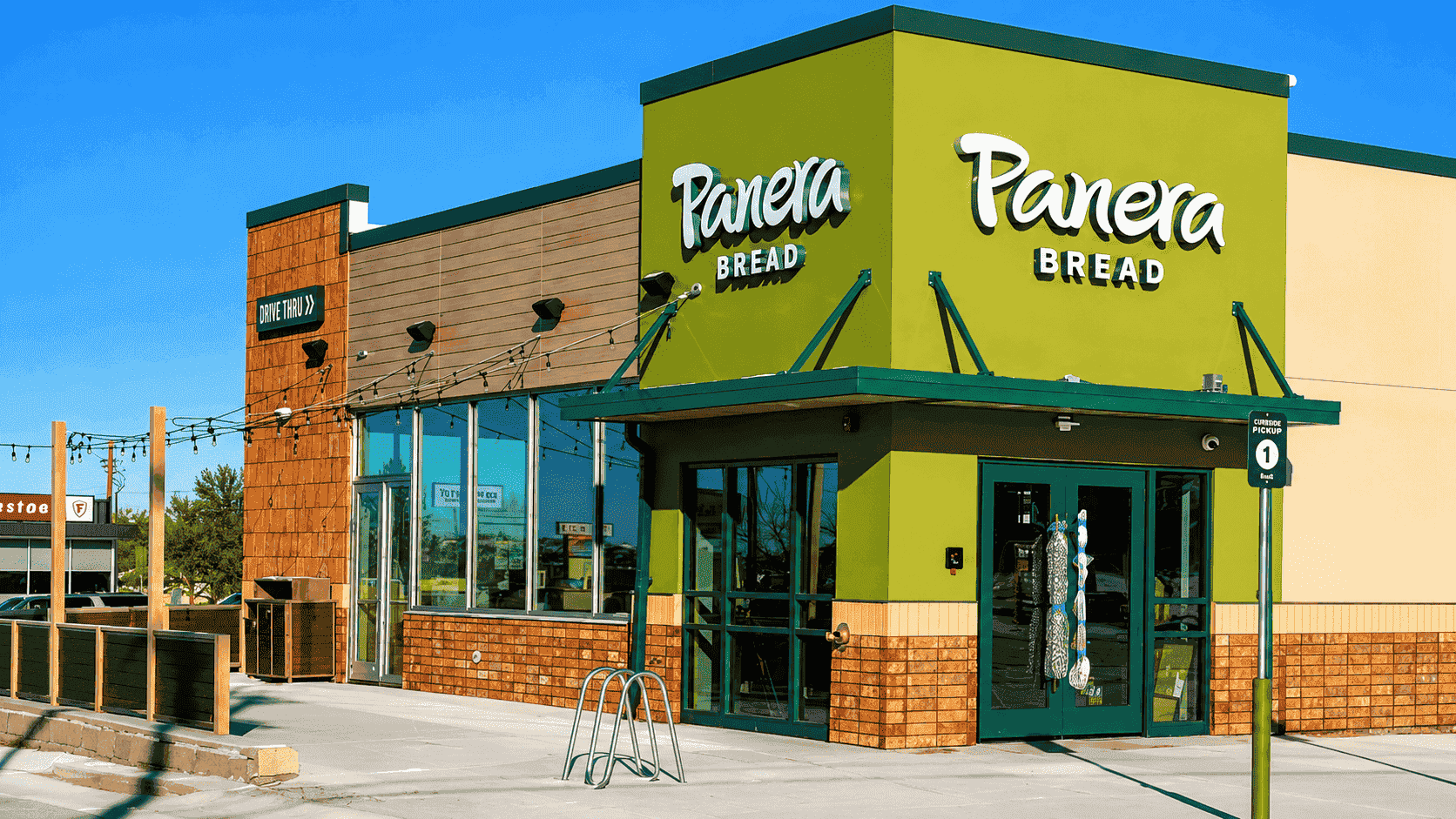
Panera Bread appoints industry veteran Andy Rebhun as Chief Marketing Officer, ushering in a new era of brand growth and consumer engagement.
Aug 7, 2026
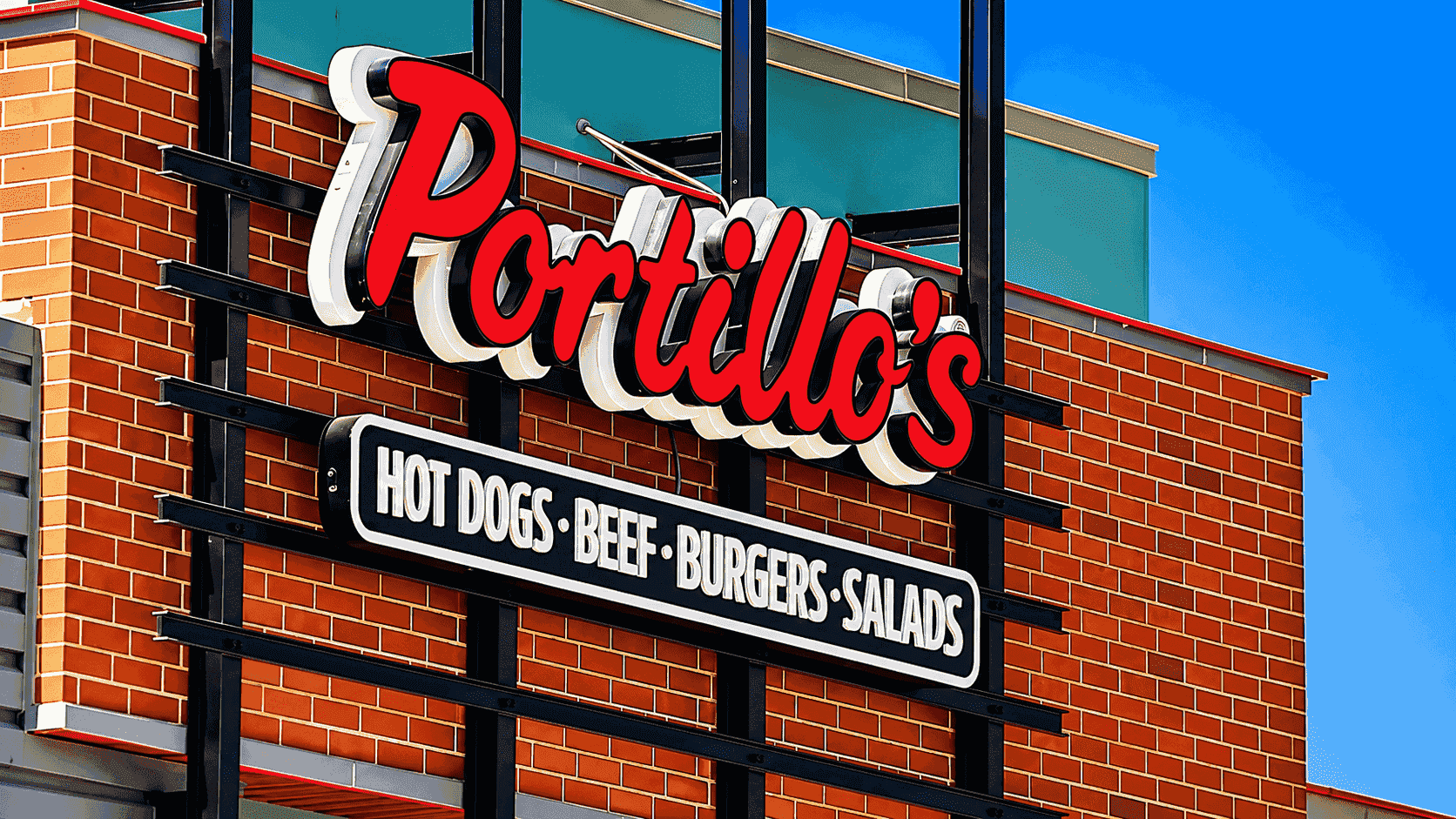
Portillo’s trims 18% of its corporate staff in a bid to refocus resources on restaurant excellence and navigate operational challenges. Discover what the changes mean for the chain’s future.
Aug 7, 2026

Scheduling software helps restaurants save time, control labor costs, improve communication, prevent conflicts, support compliance, and make smarter staffing decisions.
Aug 5, 2026
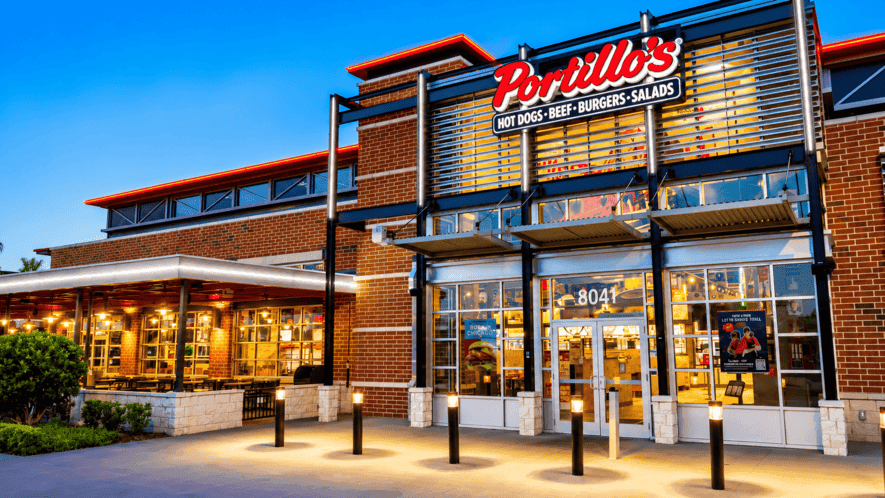
Portillo’s trims corporate and field roles by 18% in a strategic shake-up to support future growth after soft traffic and sales. Read what this means for multi-unit operators.
Aug 6, 2026
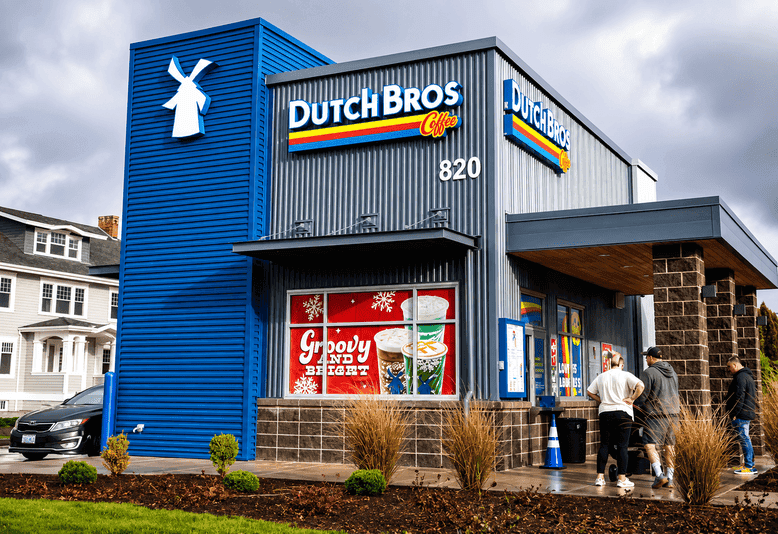
Dutch Bros invests $105 million to acquire Salad and Go’s closed locations, targeting rapid expansion in key southern markets. Learn what this means for multi-unit restaurant owners and operators.
Aug 6, 2026
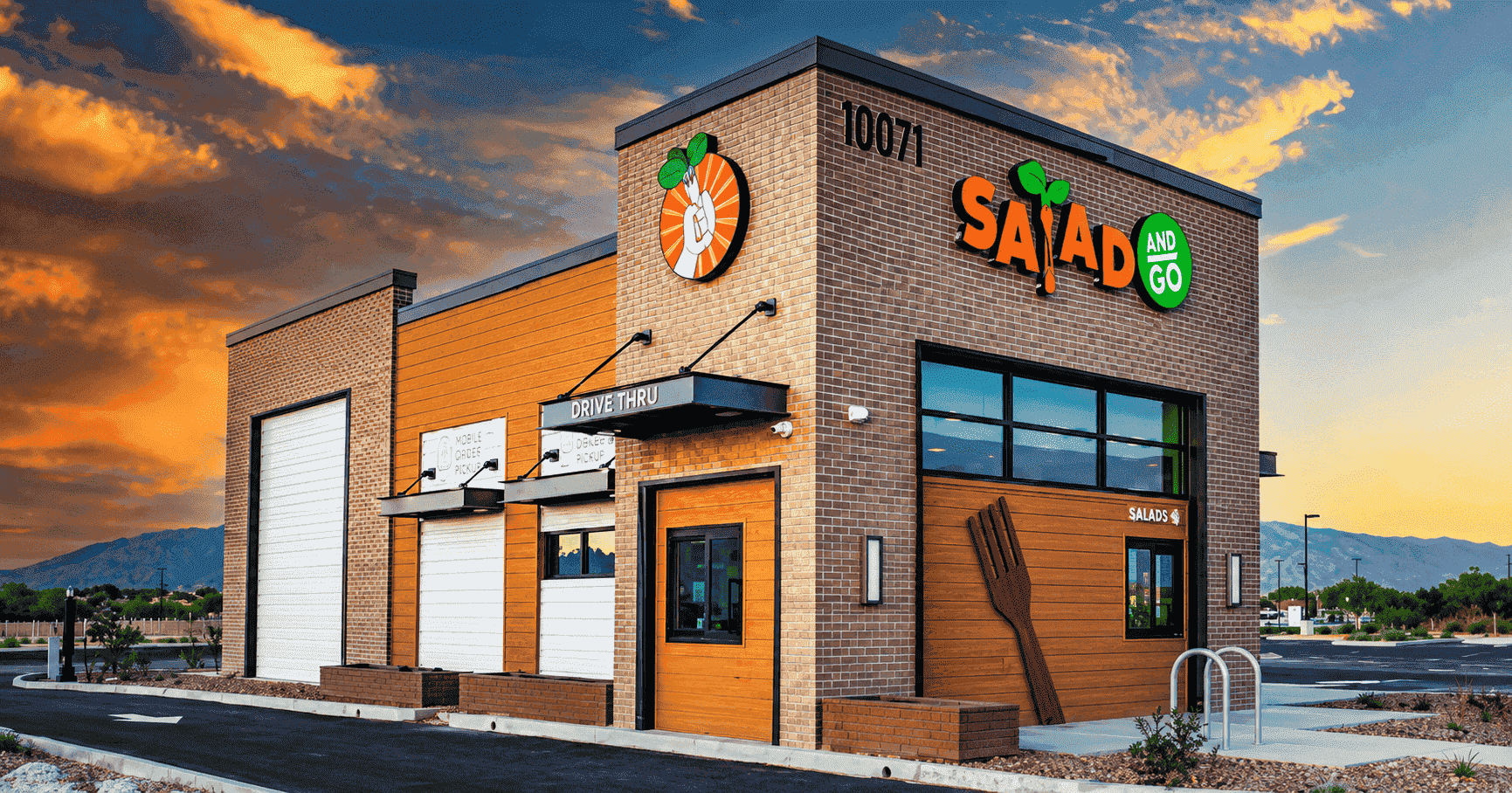
Salad and Go's bankruptcy and closure offer key lessons on growth, risk management, and market dynamics for restaurant leaders. See what every operator can learn.
Aug 5, 2026

Learn how to calculate prime cost, track food and labor expenses, measure percentages, identify problems, and improve restaurant profitability consistently.
Aug 5, 2026

Portillo’s announces industry veteran Kevin Kalicak as its new CFO and Treasurer, underscoring the brand’s growth strategy and financial vision.
Aug 5, 2026
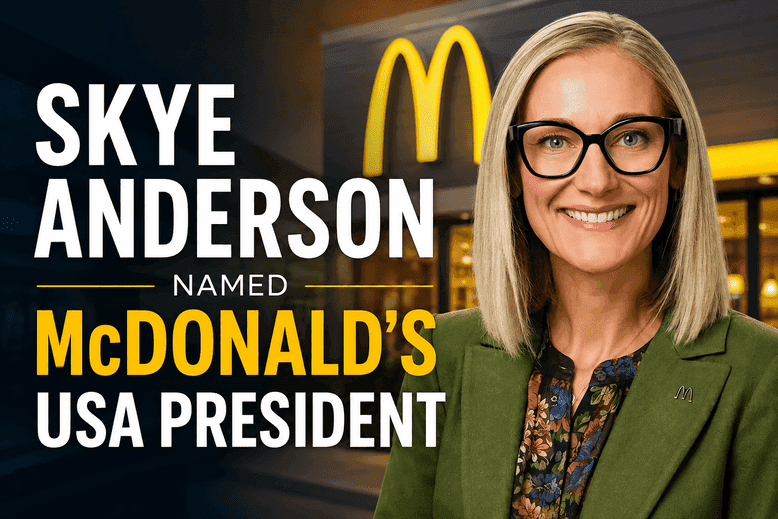
Skye Anderson will lead McDonald's USA as its new president, stepping in to accelerate growth and revive sales. Learn how her leadership could shape the future of the restaurant industry.
Aug 4, 2026
Food safety is important in order to avoid food-borne illness. In order to prevent any diseases, you need to know some of the benefits of food safety. Here are five that you need to know!
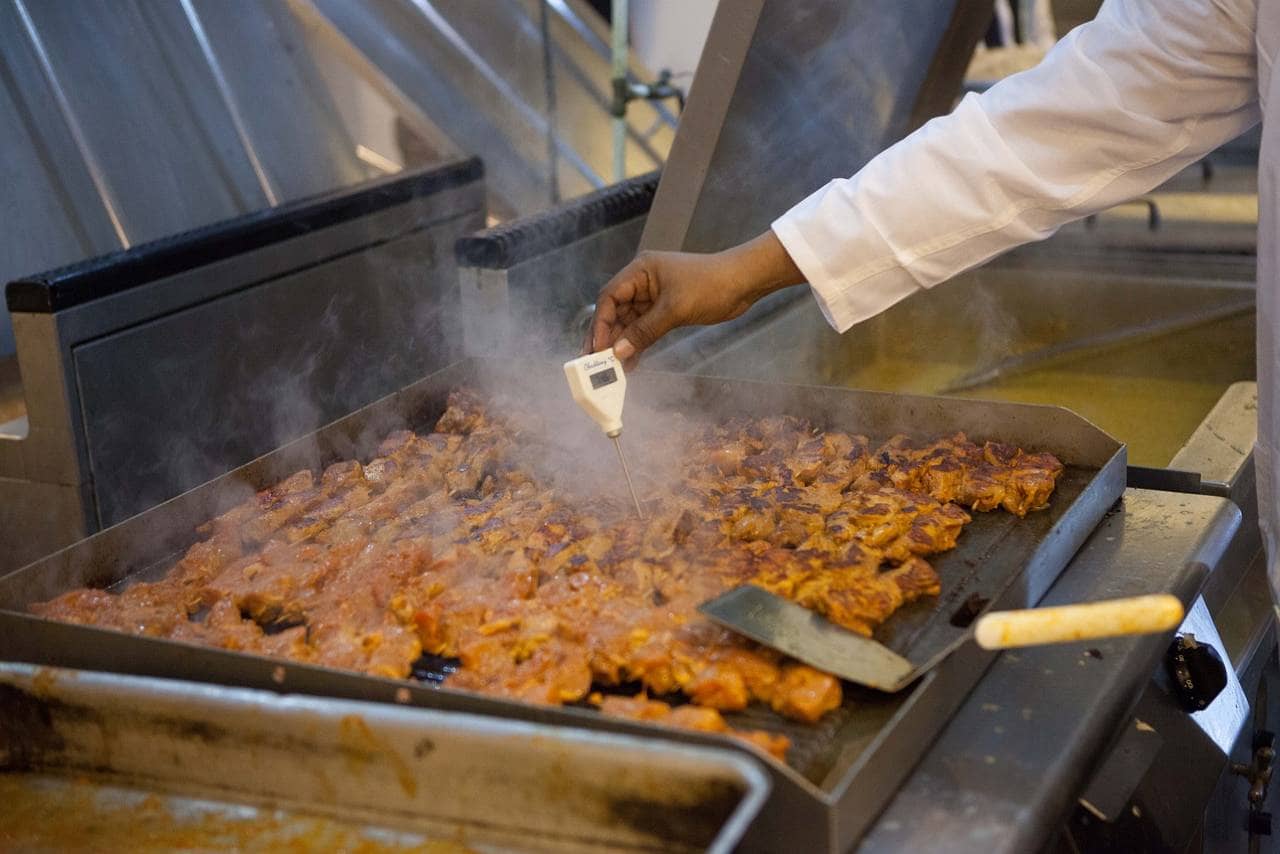
Food Safety has a significant impact on health and can be beneficial. It's important to understand these Food Safety benefits when cooking. Fast food preparation can be difficult when large batches need to be made. When the proper safety precautions are taken, cooking for large crowds of people can be a safer process and less stressful. Every time cooking is done the safety standards should be followed at all times. This is especially true as the rise of foodborne illnesses outbreaks continue spreading salmonella or e.coli. Within this article we'll discuss the benefits of food safety and how to keep safe from food poisoning and other unsavory illnesses by following these simple guidelines.

As food delivery services gain popularity, knowing how to keep Food Safe becomes more important. To maximize food safety and avoid bacteria from contaminating food, taking precautions is important. Some of these precautions include-
Food safety is an important factor for people all over the world. Maintaining basic food safety habits will protect the health and well-being of the population, prevent the spread of foodborne illness, and preserves a healthy environment. Without food safety being a top priority there would be an increase in food poisoning outbreaks and deaths every year. Numbers would reach into the millions. There is much that goes into maintaining food safety like land use management and soil quality. The main factor in Food Safety is through strict regulations from the Centers Disease Control on how food is grown and handled to avoid contamination.
Foodborne illnesses can spread quickly and create a large impact on people. These illnesses are becoming more common every year and are traced back to a number of sources. Most foodborne illnesses are caused by bacteria or viruses that contaminate food and make people sick. The Centers for Disease Control and Prevention states that foodborne illness kills 3,000 people in the United States every year. Some of the foods that most often cause foodborne illnesses include-

The most common foodborne illness is salmonella poisoning often found in meat that isn't handled properly. Symptoms include diarrhea, fever, abdominal cramps, nausea, vomiting and dehydration. Hepatitis A and E are more diseases linked to foodborne illnesses. Here are some ways to protect yourself-
It's important to understand that foodborne illnesses is serious and can lead to complications and worse conditions. Most foodborne diseases are caused when bacteria and viruses contaminate raw food or equipment used for food prep. When foodborne illness leads to outbreaks it can cause thousands of fatalities each year in the United States alone. Costs of healthcare have been estimated at $152 billion a year related to these illnesses. Preventing foodborne illness is important to health and safety. The best way to do that is by following safe food cooking and storing practices.
Food safety is a topic that should be taken seriously and given the attention it deserves. Here are some ways to keep your food safe and healthy-