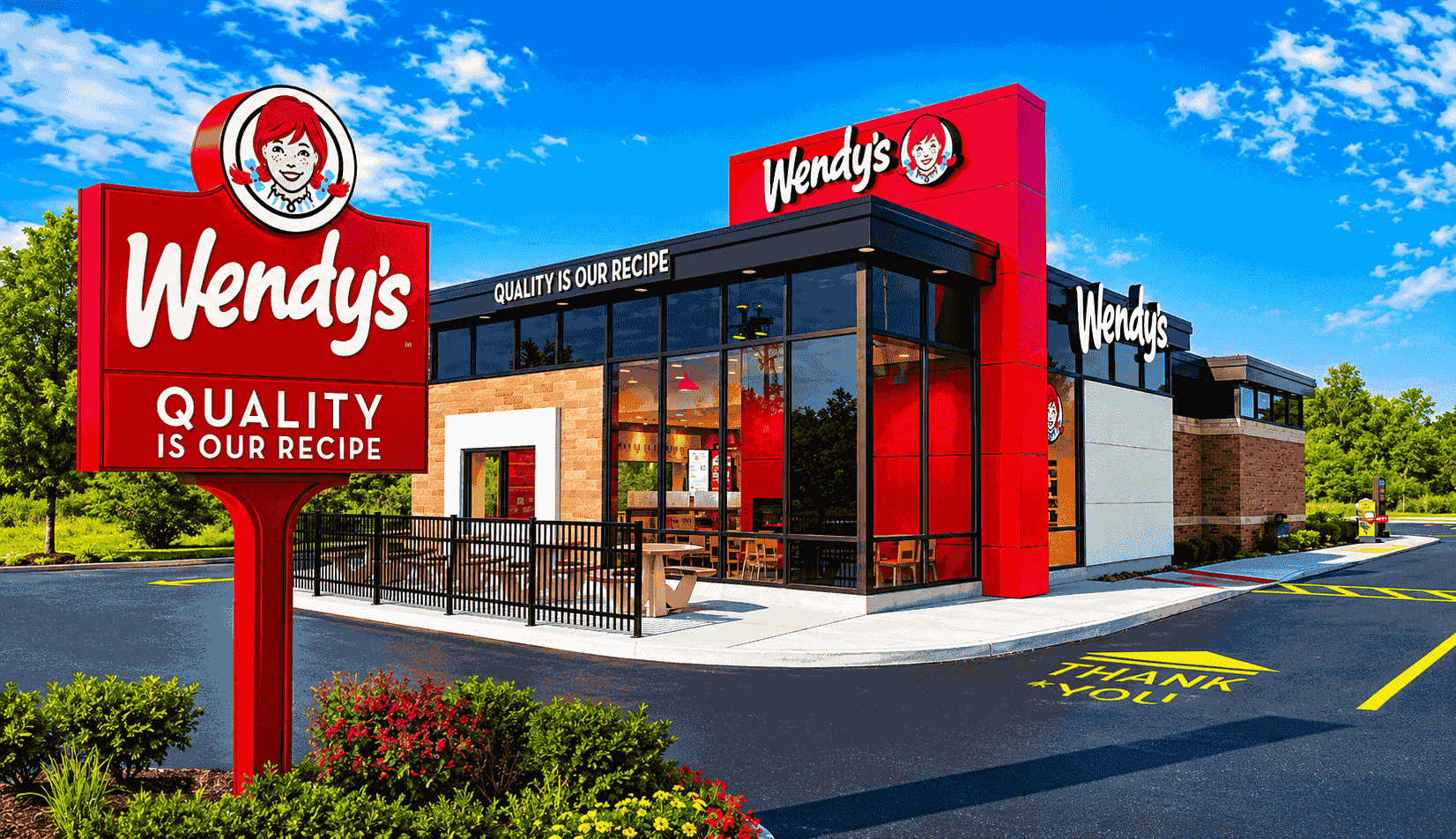
Wendy’s New Playbook for Traffic & Quality
With traffic and sales slipping, Wendy’s new CEO Bob Wright sets a bold multi-pronged plan to restore food quality, brand value, and operational execution.
News
Aug 10, 2026
With traffic and sales slipping, Wendy’s new CEO Bob Wright sets a bold multi-pronged plan to restore food quality, brand value, and operational execution.
Aug 10, 2026
Explore practical ways to manage restaurant overhead costs while protecting service quality, employee productivity, food standards, and long-term profitability goals.
Aug 7, 2026
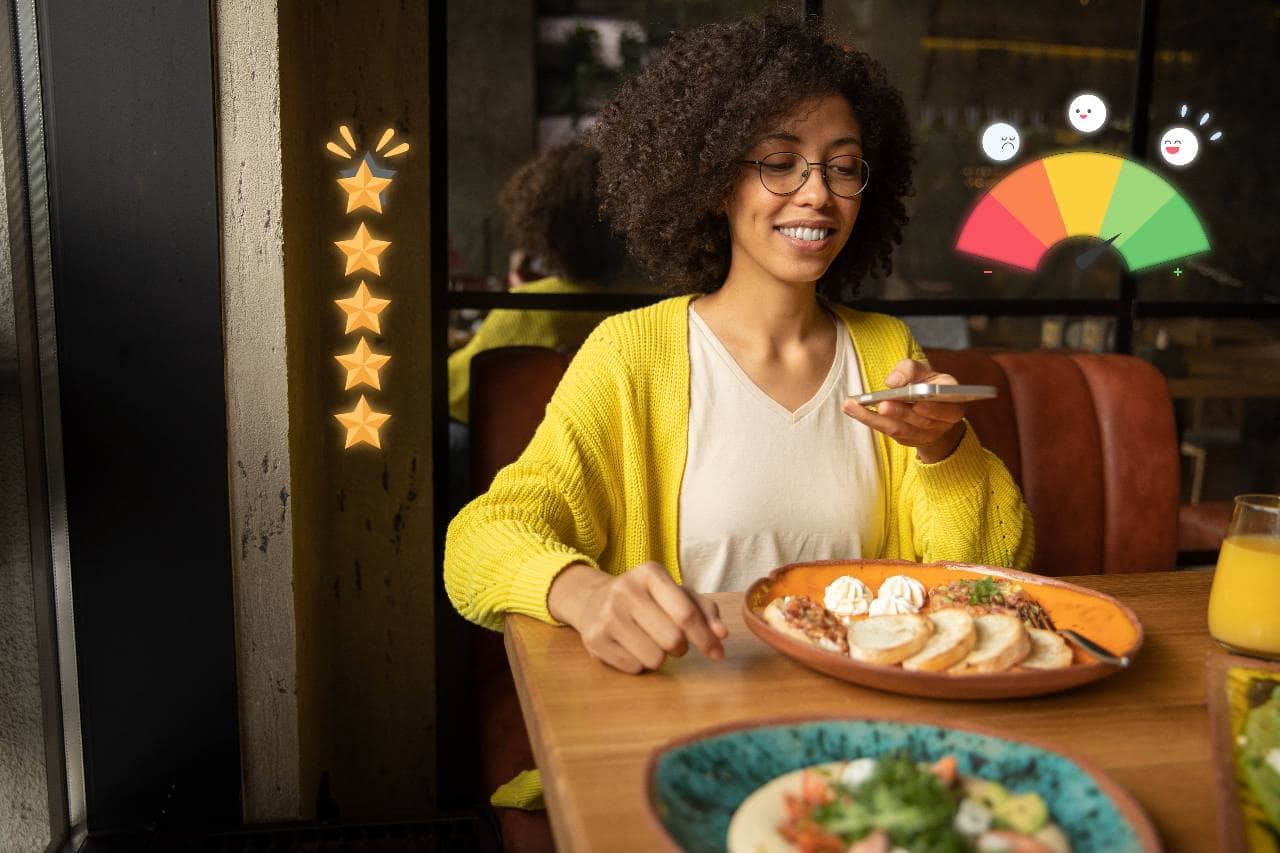
Get more restaurant reviews by creating memorable experiences, asking customers at the right time, simplifying feedback, and monitoring review performance.
Aug 7, 2026
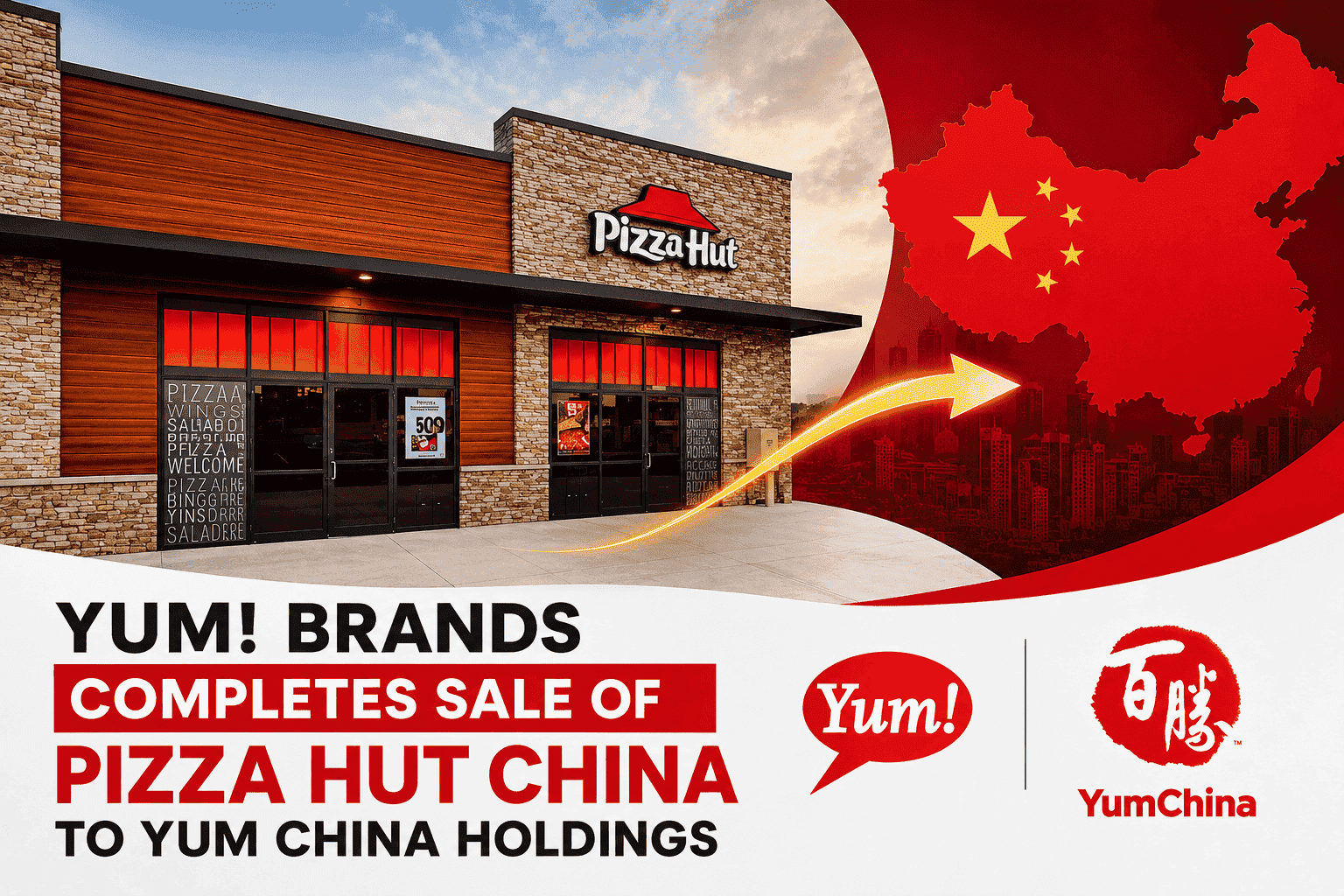
Yum! Brands has finalized a $1.2B deal to transfer Pizza Hut China to Yum China Holdings, signaling big strategic moves for both global franchisors and operators.
Aug 7, 2026
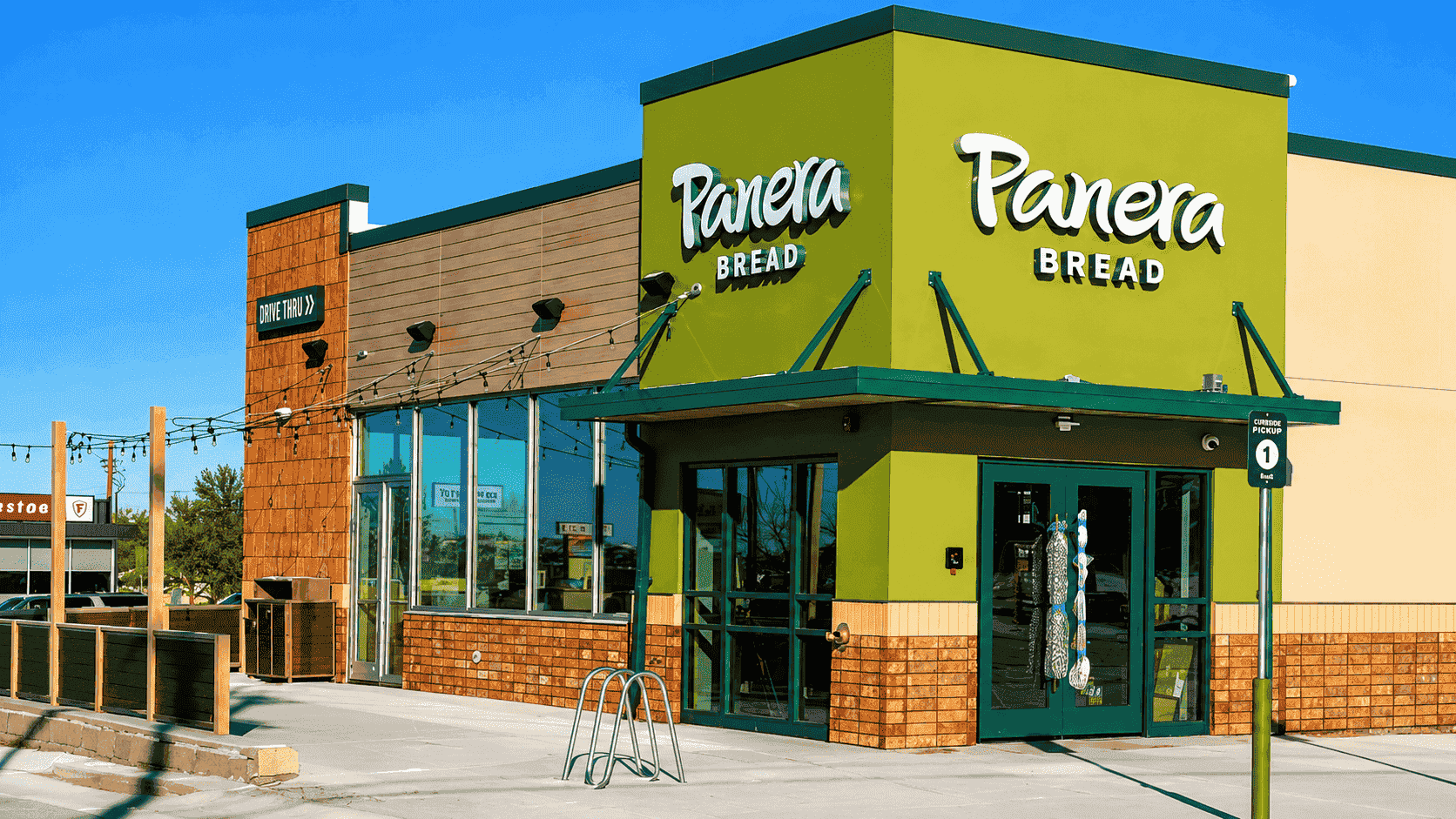
Panera Bread appoints industry veteran Andy Rebhun as Chief Marketing Officer, ushering in a new era of brand growth and consumer engagement.
Aug 7, 2026
Portillo’s trims 18% of its corporate staff in a bid to refocus resources on restaurant excellence and navigate operational challenges. Discover what the changes mean for the chain’s future.
Aug 7, 2026
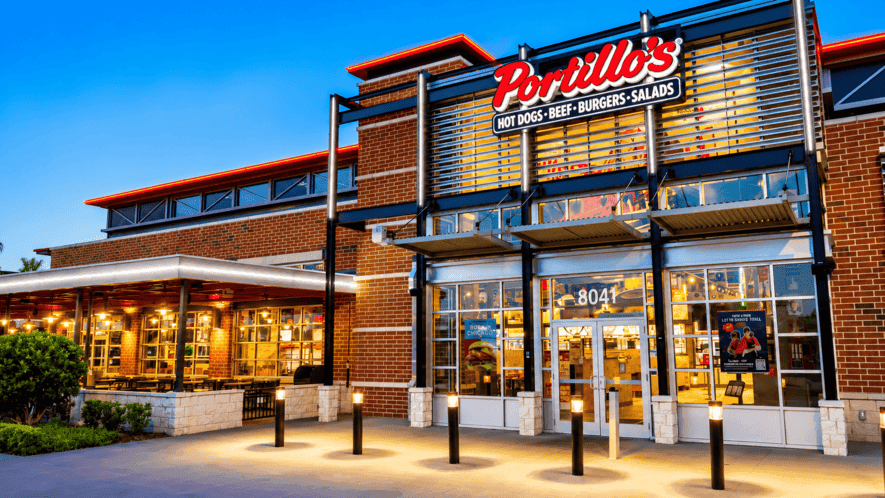
Portillo’s trims corporate and field roles by 18% in a strategic shake-up to support future growth after soft traffic and sales. Read what this means for multi-unit operators.
Aug 6, 2026
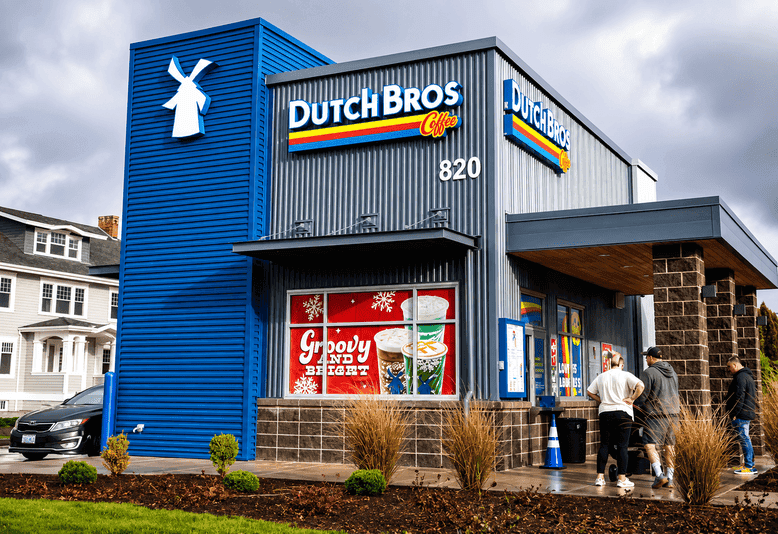
Dutch Bros invests $105 million to acquire Salad and Go’s closed locations, targeting rapid expansion in key southern markets. Learn what this means for multi-unit restaurant owners and operators.
Aug 6, 2026
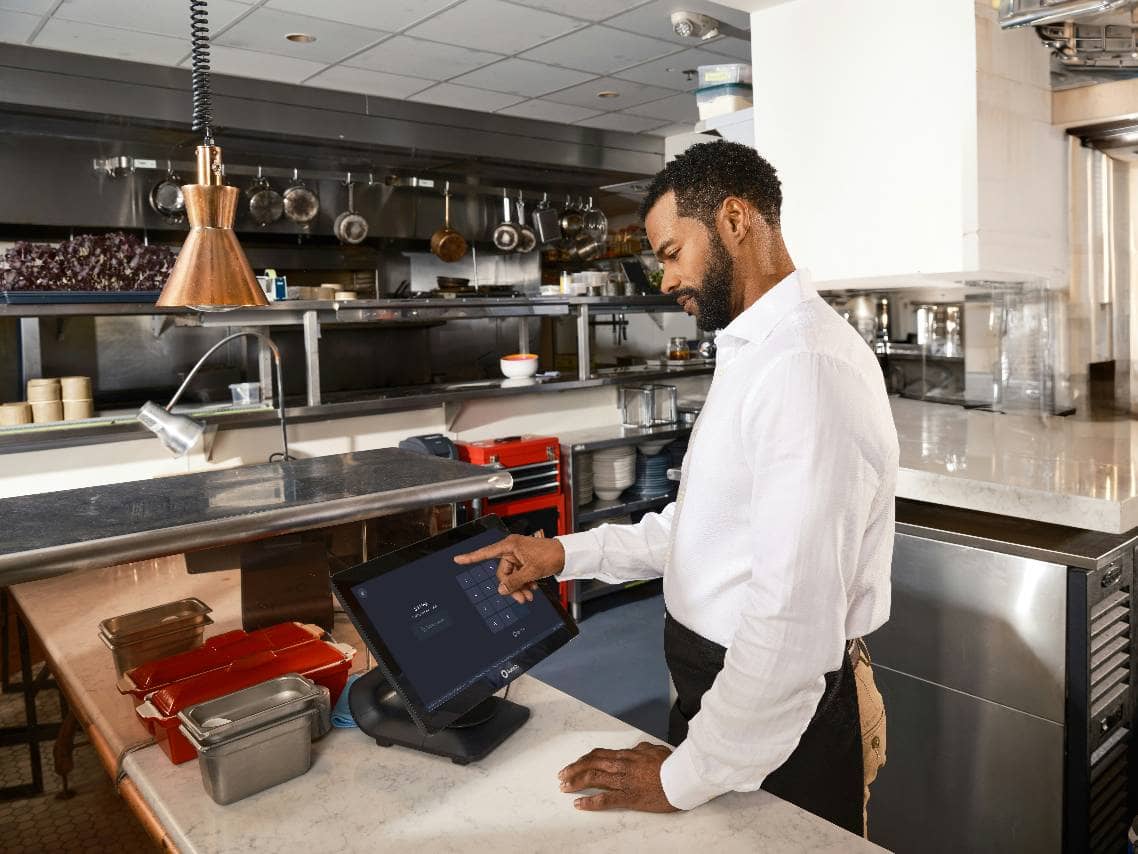
Scheduling software helps restaurants save time, control labor costs, improve communication, prevent conflicts, support compliance, and make smarter staffing decisions.
Aug 5, 2026

Portillo’s announces industry veteran Kevin Kalicak as its new CFO and Treasurer, underscoring the brand’s growth strategy and financial vision.
Aug 5, 2026
Discover how restaurant chains like Walk-On’s, Perkins, Maggiano’s, and Red Lobster have revamped their menus to boost sales and cater to their target audience.
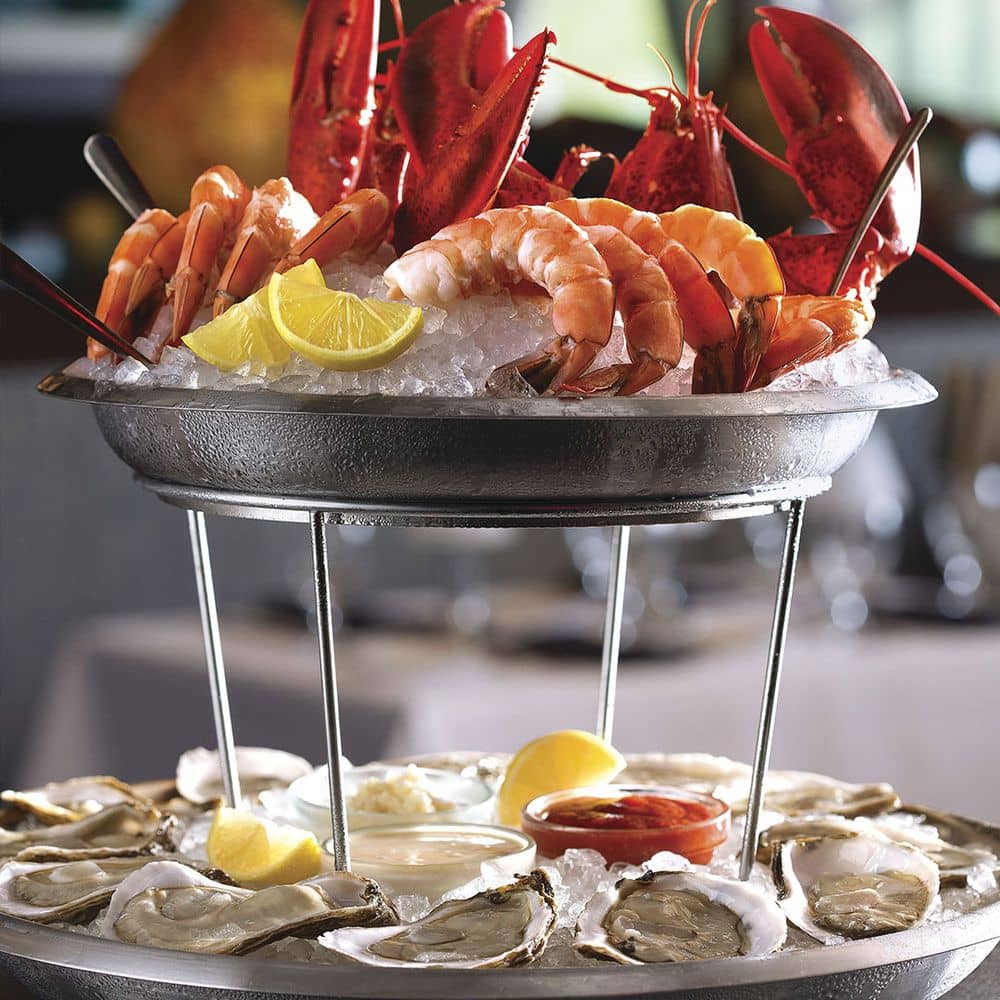
Menu development is a critical aspect of the restaurant industry that goes beyond just listing food and beverage items. It involves strategizing, analyzing market trends, understanding consumer preferences, and aligning offerings with the brand's identity and target audience.
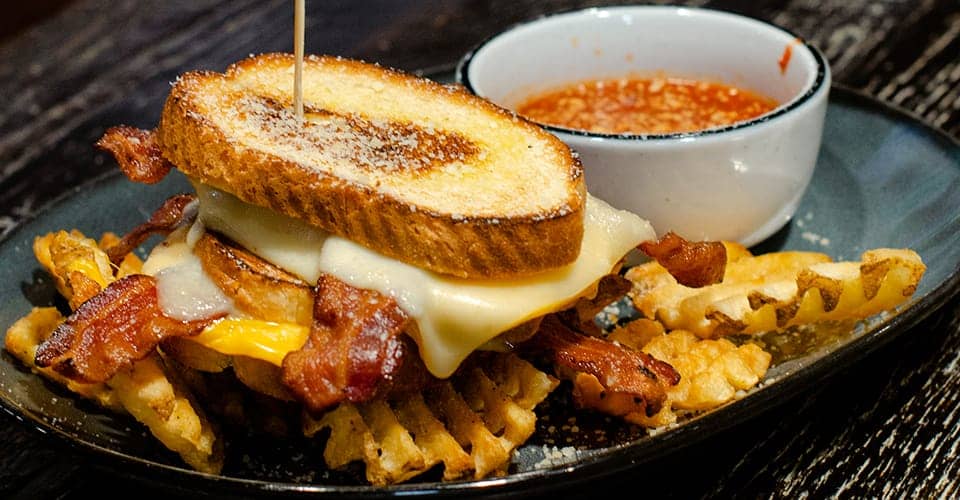
Restaurant chains like Walk-On’s, Perkins, Maggiano’s, and Red Lobster have all recognized the importance of staying relevant and competitive in the market by regularly updating their menus. By introducing new dishes, reimagining classic favorites, and incorporating customer feedback, these chains aim to boost guest traffic, increase sales, and enhance customer satisfaction.
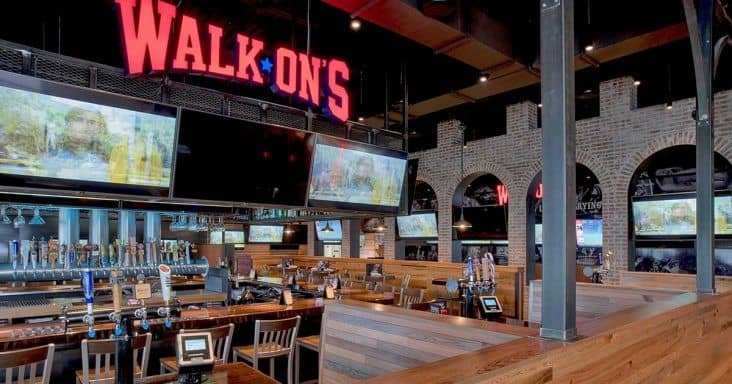
Understanding the target audience is key to menu development success. Walk-On’s, for example, identified two primary customer segments: sports enthusiasts and family decision-makers. By aligning its menu offerings with the preferences of these groups, the chain can create a tailored dining experience that resonates with its core customers.
Menu changes should not be arbitrary but rather informed by data and research. Conducting brand studies, analyzing consumer feedback, and utilizing tools like heat maps can provide valuable insights into what items to add, remove, or reengineer on the menu. This data-driven approach ensures that menu changes are purposeful and aligned with customer expectations.
In addition to the items themselves, the way a menu is organized and presented can significantly impact customer choices. Renaming categories to better reflect the offerings, highlighting signature items, and creating visually appealing menus can guide customers towards premium selections and enhance their overall dining experience.
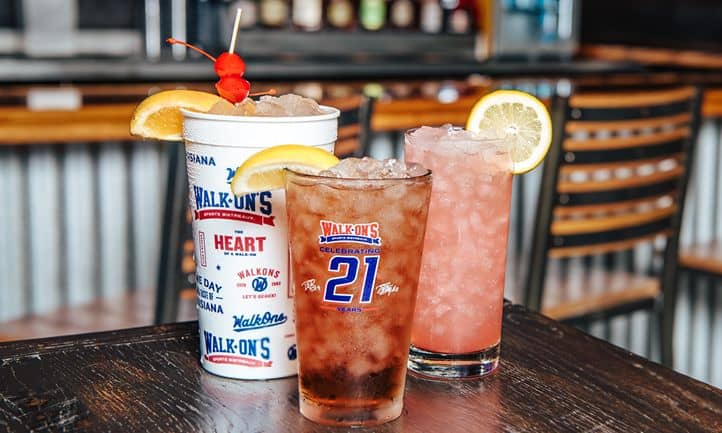
Introducing new and unique menu items, such as specialty cocktails like the Spicy Mango Margarita and Praline Espresso Martini at Walk-On’s, not only showcases the brand's creativity but also caters to evolving consumer tastes. By offering innovative and Instagram-worthy dishes and drinks, restaurants can attract younger demographics and generate buzz on social media.
As highlighted by CEO Chris Porcelli of Walk-On’s, menu development is a meticulous process that requires dedication and innovation. Perfecting new items that embody the essence of the brand is essential for staying competitive and ensuring that customers have a memorable dining experience that keeps them coming back for more.