How to Improve Food Cost Management in Your Restaurant
Learn food cost management strategies to control inventory, reduce waste, improve purchasing, standardize portions, optimize pricing, and protect restaurant profits.
Jul 29, 2026
Learn food cost management strategies to control inventory, reduce waste, improve purchasing, standardize portions, optimize pricing, and protect restaurant profits.
Jul 29, 2026
Grow your restaurant's email marketing list using websites, QR codes, loyalty programs, social media, incentives, events, and customer signups effectively.
Jul 29, 2026
Discover how Chipotle’s Recipe for Growth is driving record sales, operational excellence, and digital innovation - insights for every restaurant leader.
Jul 30, 2026
DoorDash is changing how it calculates delivery and service fees, with longer-distance orders likely to cost more and shorter, larger orders set to stay the same or decrease.
Jul 29, 2026
Whataburger welcomes financial veteran Ryan Moore as its new CFO, signaling a strategic focus on national expansion and sustainable growth for the iconic brand.
Jul 29, 2026
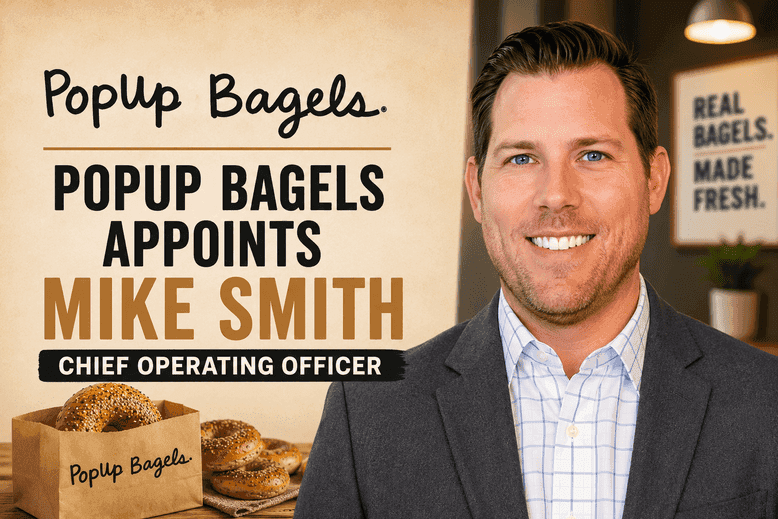
PopUp Bagels welcomes industry veteran Mike Smith as Chief Operating Officer to lead their next phase of growth, putting quality and guest experience at the forefront.
Jul 28, 2026
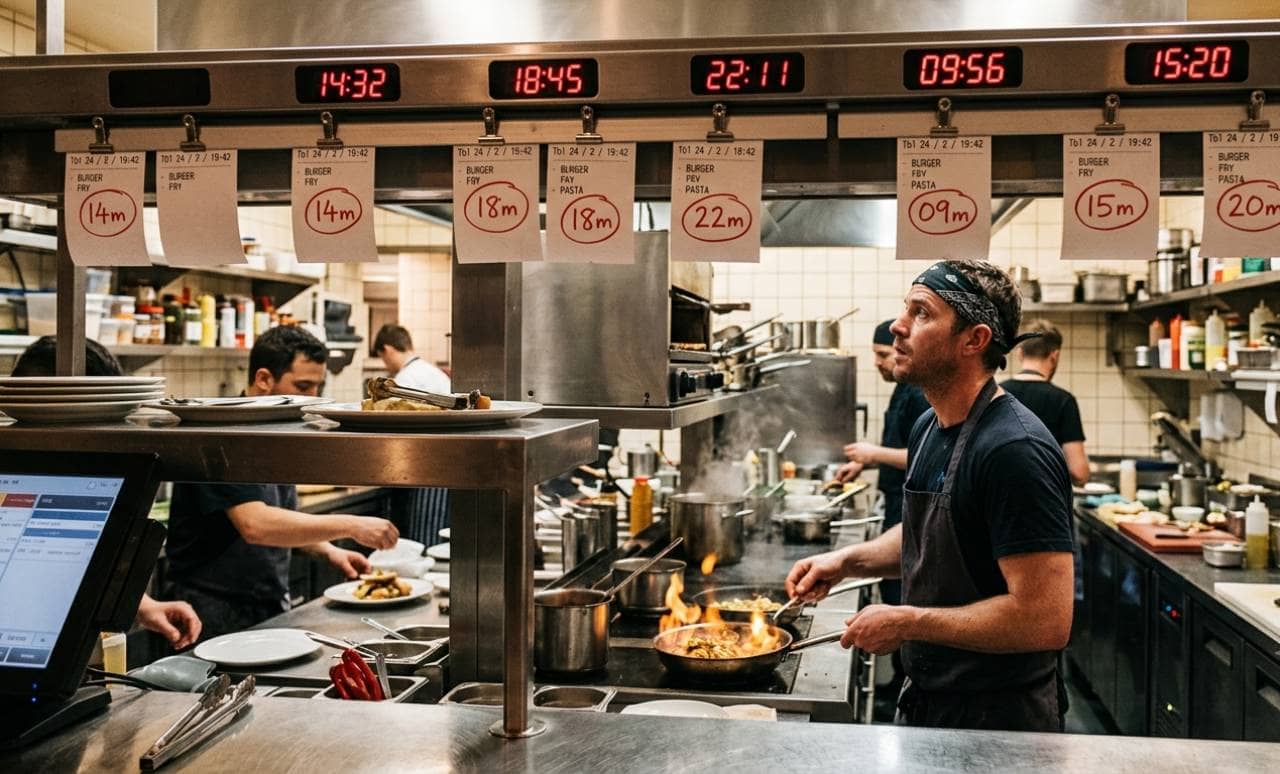
Improve kitchen ticket times with practical strategies for better preparation, smoother workflows, stronger communication, smarter staffing, and effective restaurant technology.
Jul 27, 2026
TGI Fridays emerges from Chapter 11 bankruptcy under new ownership, focused on growth and stability. Discover what's next for the iconic chain and its global operations.
Jul 28, 2026
Noodles & Company achieves historic sales growth and operational turnaround in 2026, sharing critical lessons for restaurant owners on boosting traffic, innovation, and team culture.
Jul 27, 2026
Learn how restaurant owners can manage payroll accurately, track labor costs, reduce errors, maintain compliance, and improve workforce profitability efficiently.
Jul 27, 2026
The use of food safety net services will help to keep the school clean by providing sanitation education and hand-washing stations. This will also help reduce the amount of disease in a school.

The idea of food safety net services has been around for more than half a century, but they only became available on a widespread basis with the passing of the Food and Nutrition Act of 2008 (Pub. L. No. 110-246). This federal law established the program as an effective way to help low-income individuals and families access nutritious food. It also provided a way for states to fund the program with federal funds. As of June 2018, all states had some type of food safety net service program. But not all programs are created equal. Some states have very comprehensive network services programs, while others have only a few providers participating in their program. In this article, we'll highlight the main differences between each state's food safety net service program and provide information on how to access services in your state.
The terms food safety net and food security are often used interchangeably. However, the two concepts are very different and have very different implications. Food security is a matter of access and affordability. Food safety net services are a way of ensuring that all people have access to safe and nutritious food. The term food security was coined in the early 2000s and has become a focus of international policy efforts. While many developed countries have experienced an increase in prosperity over the past few decades, many people in low- and middle-income countries have been left behind. Food security has instead become a global policy concern. Food security is the term that describes a country's ability to ensure that all citizens have regular and nutritious access to food. Food insecurity is the term used to describe a situation where a person does not have easy or regular access to nutritious food.

Food Safety net (food safety) services, also known as community food networks, are an important source of food for low-income people. These programs and their benefits are not well-known in the United States. Food Safety net services are essential for many families that cannot afford to buy enough nutritious food. Food programs, including the Supplemental Nutrition Assistance Program (SNAP), help some lower-income families buy enough nutritious food. But many Americans need more help, and that help may come in the form of a food safety net program. Food Safety net programs help fill the gaps in the official food assistance network. These programs are run by local governments, charities, charities, churches, and social service agencies. They provide an array of benefits. They can offer access to quality food at a low cost, help manage grocery budgets, and teach families how to cook nutritious meals.

The Food Safety Net program was created to help low-income households in the U.S. buy more nutritious food. The Food Safety Net program provides grants and other aid to states and local governments to fund programs that provide healthy food to those who need it most. The benefits of this program are twofold. For the person who receives the grant, it can help them afford more nutritious food and it can also be a way to help them re-enter the workforce. There are some cons to this program as well. First, the Food Safety Net program is not a permanent solution for those who qualify. It can be a one-time grant and will end as soon as the money does. The other con is that it requires a lot of time and commitment from the applicant. Applicants need to be willing to learn about the food system and how the programs work. The Food Safety Net program may not be right for everyone, but those who are eligible should not let the opportunity pass them by.

The U.S. Food Safety and Quality Service (FSQ) of the U.S. Department of Agriculture (USDA) offers various nutrition assistance programs, including the National School Lunch Program and the School Milk Program, to provide food to low-income children. These programs are designed to help families that cannot afford to feed their children nutritious meals. However, some may wonder whether these programs only serve low-income families. Is it only the poor who are eligible for these programs? The answer is no. These programs are available to all families that meet the program's eligibility requirements. Anyone can apply, regardless of their income. In fact, it is possible for some families to receive benefits from both the National School Lunch and the School Breakfast programs. So, while many attribute these programs to the poor, they are open to anyone who qualifies.

The food safety net is a network of public and private food safety resources that work together to help low-income people and families access safe, nutritious food. This post highlights 5 different ways food safety net services can be utilized. Food safety net services are free or low cost resources that can help reduce the financial burden of food safety. Food Safety net services include food pantries and meal programs, government assistance programs such as the Supplemental Nutrition Assistance Program (SNAP) and the Special Supplemental Nutrition Program for Women, Infants and Children (WIC), farmers' markets, and food banks. Food pantries and meal programs distribute food to people in need and provide a range of services. They may offer one-time emergency assistance, such as food baskets to those who are homeless, or assistance in the form of a sliding-scale charge for their services. Food pantries and meal programs also offer a range of services such as hot meals, food vouchers, emergency food boxes, and nutrition education. A government assistance program will Make Sure you are provided with a certain amount of money each month, based on your income, to purchase food. The Special Supplemental Nutrition Program for Women, Infants, and Children (WIC) provides nutrition education and vouchers to low-income women who are breastfeeding. It is available in all 50 states, the District of Columbia, and Puerto Rico. Farmers' markets are a good source of affordable and nutritious food.

The availability of Food Safetynet services in different parts of the world varies greatly. In the developing world, where a large proportion of the population lives in poverty, access to food safety net services is often limited. The effectiveness of food safety net services also varies considerably across regions. This article summarizes the findings of a review of the literature on the effectiveness of food safety net services. It provides an overview of the range of food safety net services available, as well as an analysis of their costs, inputs, outputs and outcomes.