Taco Bell Franchise Expansion in Midwest
Southpaw adds 43 Ohio Taco Bell restaurants to its impressive portfolio, highlighting franchise growth and strengthening the Midwest QSR landscape.
news
Jun 26, 2026
Southpaw adds 43 Ohio Taco Bell restaurants to its impressive portfolio, highlighting franchise growth and strengthening the Midwest QSR landscape.
Jun 26, 2026
Discover how Cicis Pizza's rewards program skyrocketed to over one million members in under a year, driving customer engagement and retention. See the lessons for restaurant loyalty programs.
Jun 26, 2026
Darden Restaurants surpassed $13 billion in sales, fueled by robust performance at LongHorn Steakhouse and innovative menu changes at Olive Garden. Explore the strategies driving this industry giant’s continued dominance.
Jun 26, 2026
The fallout of Pizza Hut's mandated AI delivery system rollout has ignited a $100 million lawsuit from a leading franchisee, highlighting crucial franchisor-franchisee lessons for all restaurant owners.
Jun 26, 2026
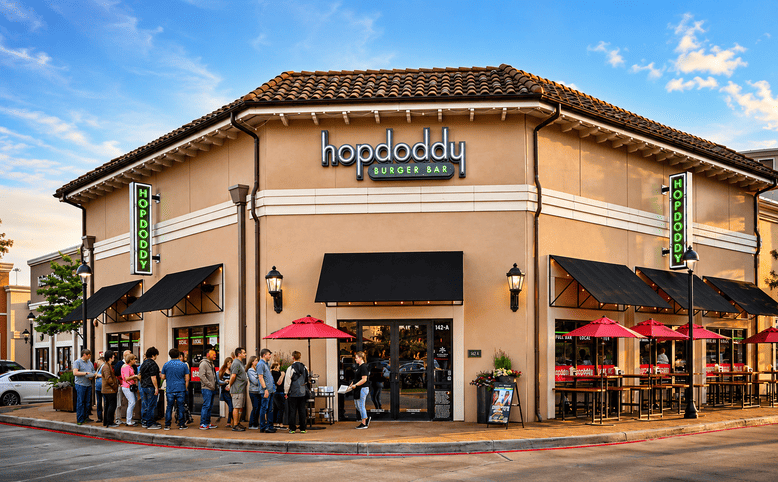
Founders Table Restaurant Group acquires fast-casual leader Hopdoddy Burger Bar, expanding its reach to over 200 restaurants and accelerating operational growth across the platform.
Jun 25, 2026
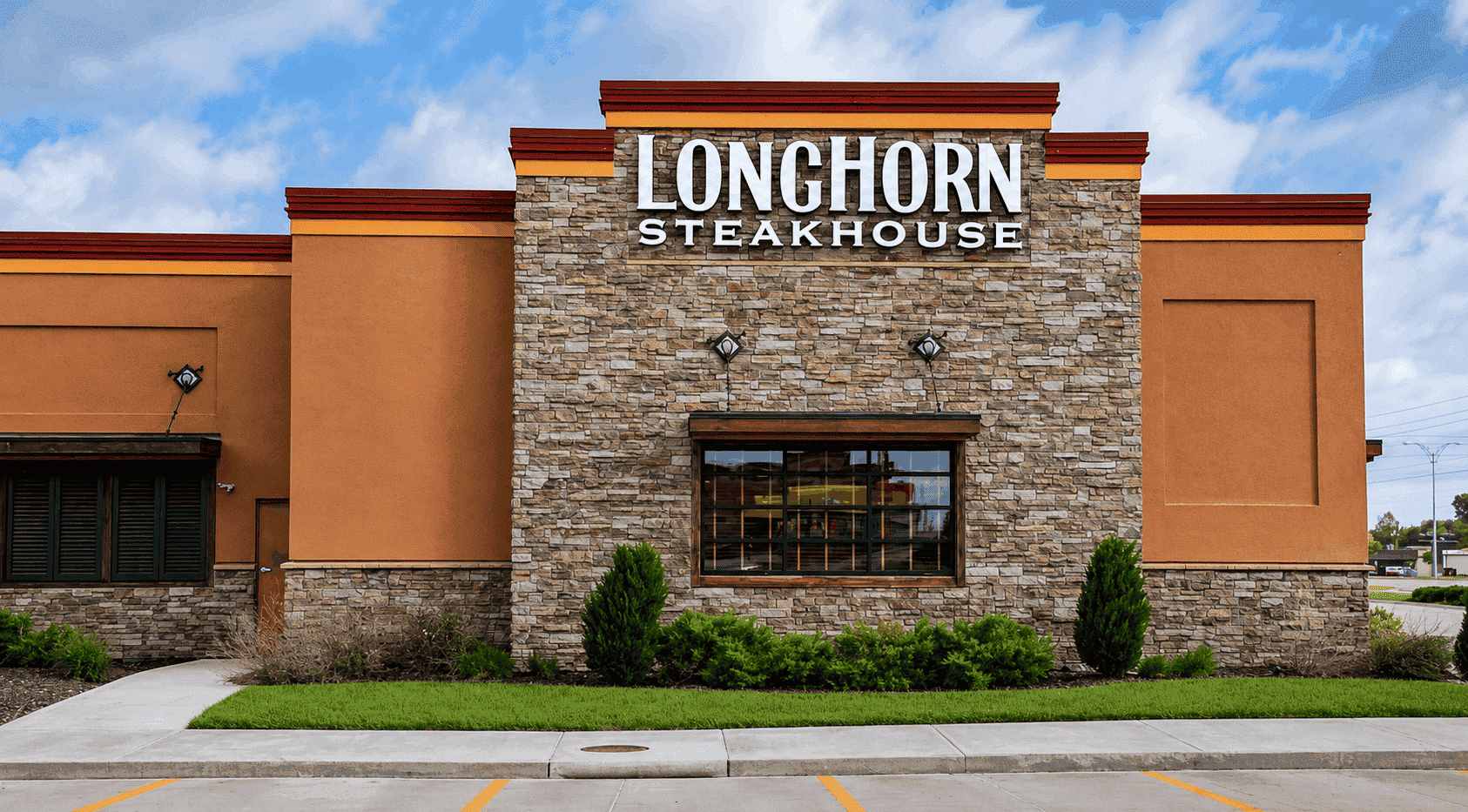
LongHorn Steakhouse surpassed $1 billion in quarterly sales for the first time, driven by strong value perception and menu innovation. Restaurant leaders can draw key lessons for thriving when consumer price sensitivity is high.
Jun 25, 2026
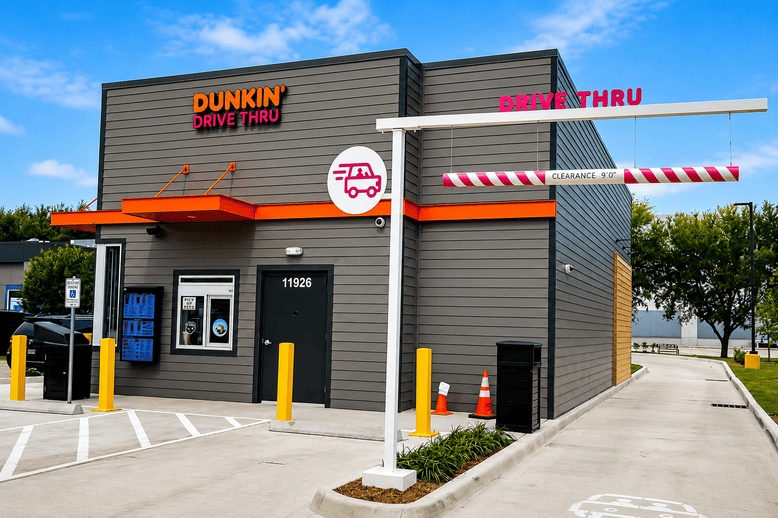
Inspire Brands is preparing for an IPO aiming for a $20B valuation. Discover how giants like Arby’s, Sonic, and Dunkin’ are performing as part of this dynamic portfolio.
Jun 25, 2026
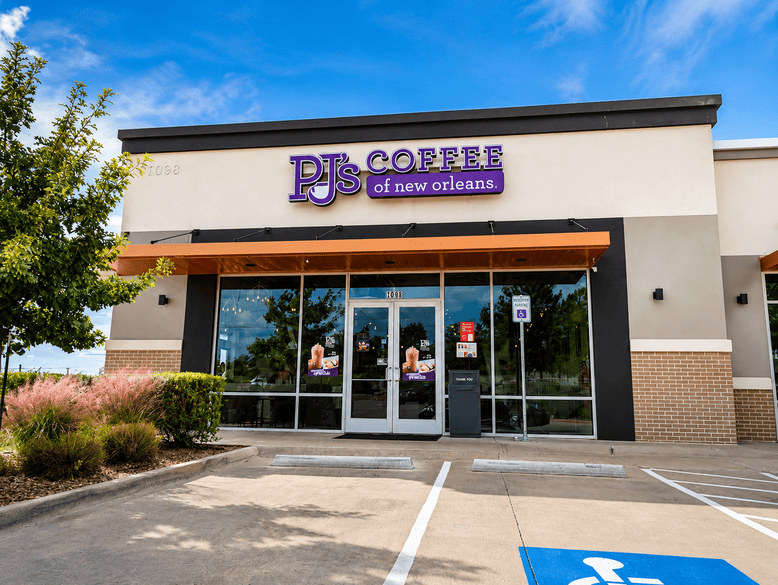
Estepp Energy, known for multi-unit brands like Little Caesars, is adding PJ's Coffee to its Kentucky convenience stores, marking a strategic expansion into specialty coffee.
Jun 24, 2026
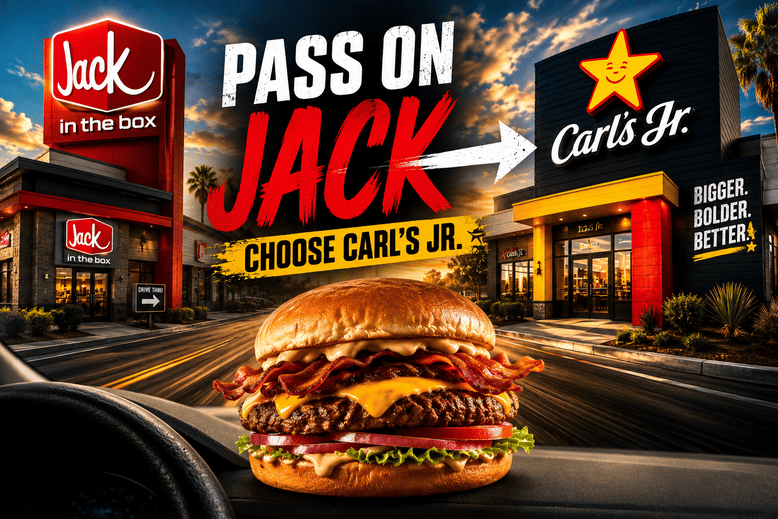
Carl's Jr. has launched a "Pass on Jack" marketing campaign rewarding loyalty members with a free Sourdough Star burger for driving past a Jack in the Box to reach a Carl's Jr. location- a direct shot at its California-based burger rival.
Jun 24, 2026
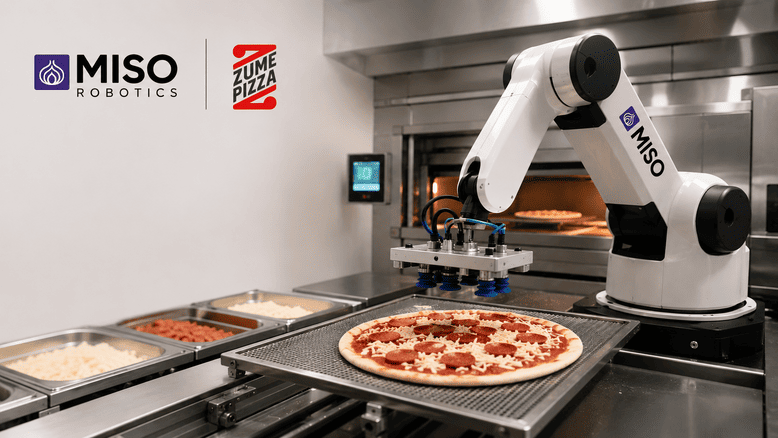
Miso Robotics has acquired Zume Pizza’s technology deck, giving new life to pizza automation and food robotics for forward-thinking restaurant operators.
Jun 24, 2026
Menu sprawl bloats costs and slows kitchens. Data-driven pruning and smarter POS analytics help restaurants protect margins.

Photo by Louis Hansel
Menu sprawl is eating profits. The average restaurant now carries around 50 to 60 items, according to KitchenSterling, even as independent operators see 25 to 40 total dishes as the sweet spot, experts at Intermenu report. Menu item counts have climbed 23 percent across the broader industry in recent years, and the operational bill keeps coming due.
Owners add dishes to chase attention and mollify regulars.
The stack grows with seasonal specials, limited-time offers, and new ideas layered onto existing lineups. Technomic’s first-quarter 2025 Ignite Menu data shows entrées and appetizers rose by 7.8 percent year over year as this cycle accelerated. What rarely arrives with the new items is a plan to retire the duds, so menus swell quietly and kitchens inherit the burden.
Complexity shows up in predictable places. Each additional plate brings ingredients that need to be sourced and stored, prep steps that need to be taught, and space that needs to be protected on the line during a rush. Carrying ingredients used in only one or two dishes eats scarce storage, inflates purchasing costs, and raises waste risk when demand shifts.
Overstuffed storerooms turn inventory control into a guessing game. Service slows, new hires face steeper learning curves, and bottlenecks stack up at peak hours. The financial signal is blunt. According to Simon-Kucher’s QSR 2025 Menu Benchmarking study, complexity, not competition, may pose the single greatest threat to profitability for leading hamburger chains, with a median of 58 SKUs per brand diluting average ticket size and overburdening kitchens.
Operators who have lived it are direct about the toll. Southern Luv BBQ founder Essi Tadrus puts it plainly: “We did fried chicken. We did Philly steaks. We did salads. We did chicken wings. We did everything under the sun.” The result was predictable. “The problem is you cannot be great when you’re holding that much inventory, you have that many SKUs, and you have that many recipes.” Even popular one-offs can wreck flow. “We wanted to do tater tots really bad,” Tadrus explains, but orders crept during rushes and bogged down the line.
When the team pulled them, the blowback was swift. “People were like, ‘The tater tots were so good. Why would you take them off?’” The change held because the broader guest experience depended on it. The stakes are real across the market too. 91 percent of U.S. restaurant operators reported food-cost inflation higher than anticipated in 2025, and many establishments operate on a 3 to 8 percent profit margin, leaving little room for waste or indecision.
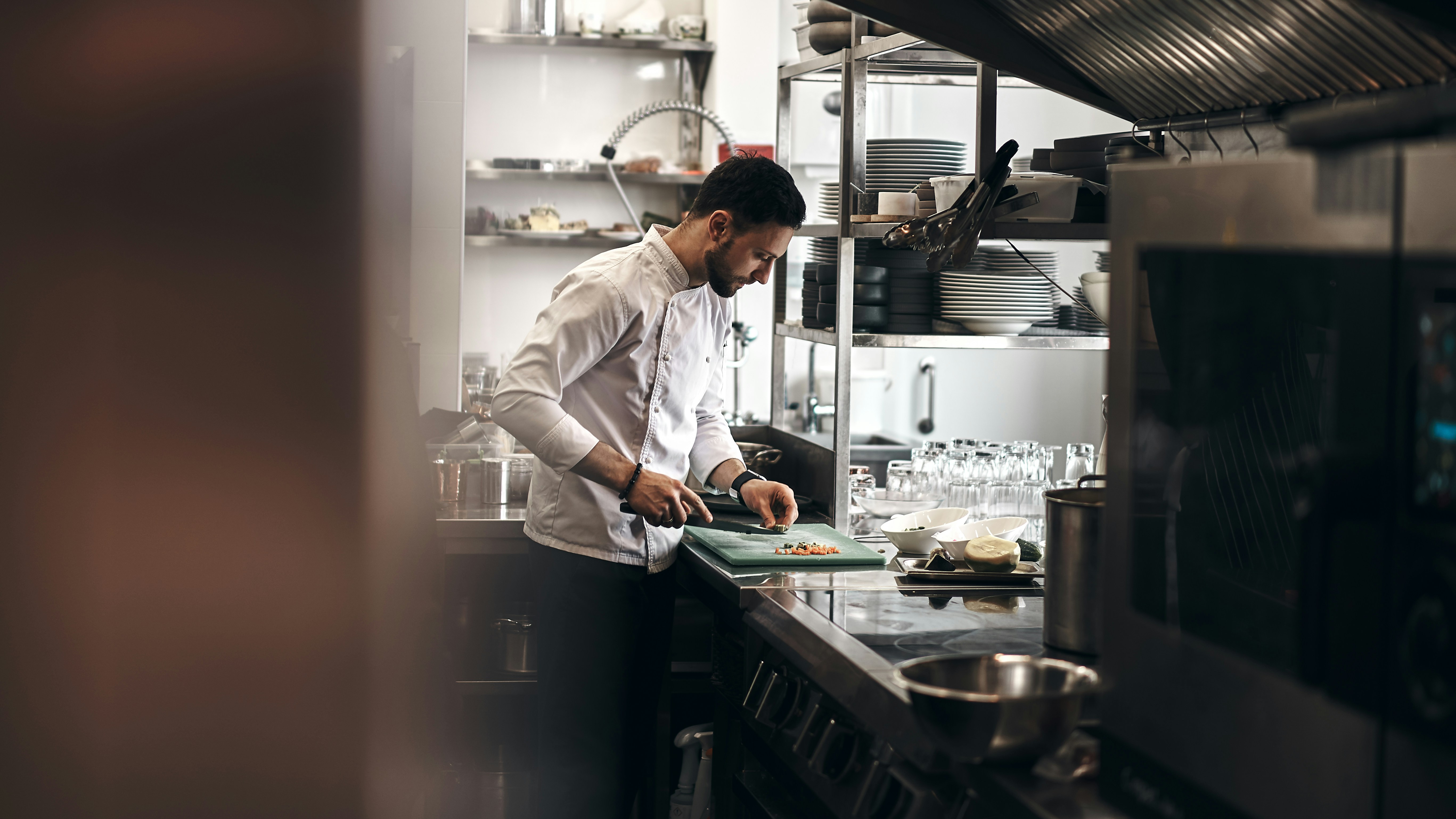
There is a cleaner way to build a menu. Data-driven engineering paired with modern POS reporting can separate workhorses from dead weight. Industry guidance points to five to seven items per category to curb decision fatigue and keep the kitchen moving, a shift that steers clear of outdated 100-item menus that slowed brands like the Cheesecake Factory. Intermenu notes most independents now land between 25 and 40 total items.
Real-time analytics make the cut list obvious. According to Toast’s Q1 2026 Restaurant Trends Report, its platform now serves approximately 171,000 locations and aggregates performance data that operators can leverage for precise menu adjustments. Running monthly reports on sales volume, food cost, and profit margin turns menu maintenance into a disciplined practice instead of a guessing game.
There is no universal number that fits every concept. Regional tastes, positioning, and kitchen layout set different ceilings for complexity. Chains and independents alike may see a high-margin specialty flop in one market and soar in another. Many studies focus on sales volume while missing hidden costs tied to waste, training hours, or supply hiccups. The fix is to read the data through the lens of your operation, and to weigh it against what crews and guests experience daily.
The operators who win will trim with intent. Protect a core built around proven stars. Use seasonal specials, limited-time offers, and test items to explore without locking in new burdens. Run ingredient audits that flag products used in fewer than three dishes, then decide if they earn their keep. Combine analytics with frontline feedback, tighten the lineup, and let the kitchen cook. The profits will follow the focus.