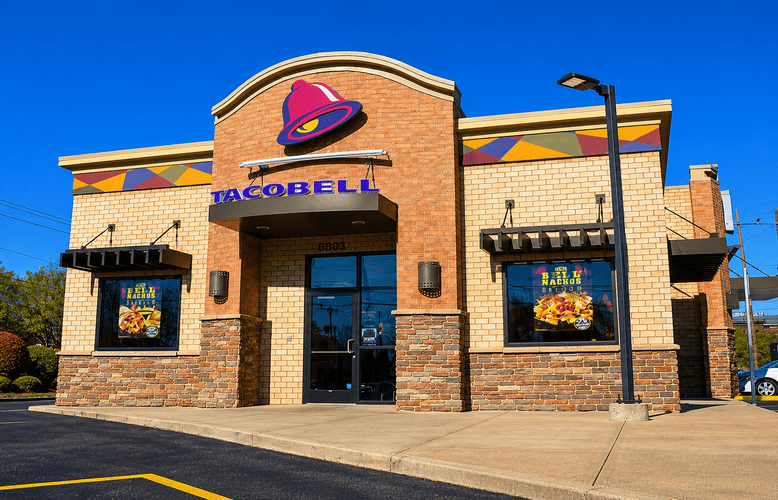
Taco Bell Franchise Expansion in Midwest
Southpaw adds 43 Ohio Taco Bell restaurants to its impressive portfolio, highlighting franchise growth and strengthening the Midwest QSR landscape.
news
Jun 26, 2026
Southpaw adds 43 Ohio Taco Bell restaurants to its impressive portfolio, highlighting franchise growth and strengthening the Midwest QSR landscape.
Jun 26, 2026
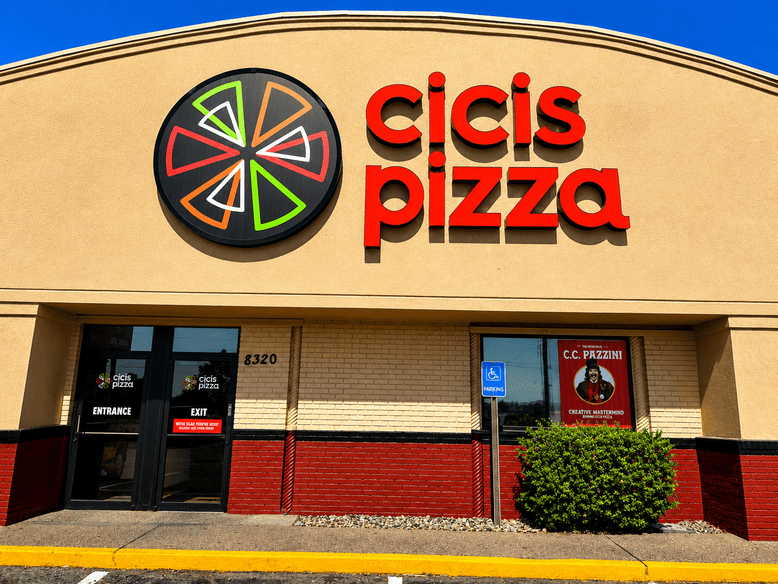
Discover how Cicis Pizza's rewards program skyrocketed to over one million members in under a year, driving customer engagement and retention. See the lessons for restaurant loyalty programs.
Jun 26, 2026
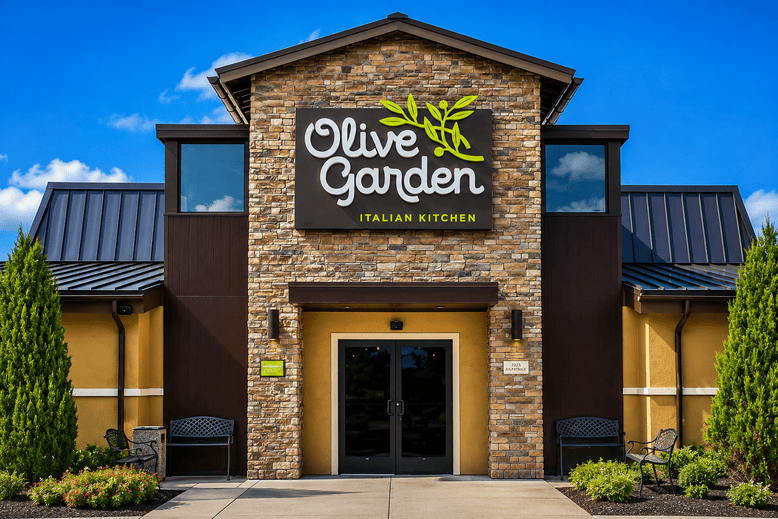
Darden Restaurants surpassed $13 billion in sales, fueled by robust performance at LongHorn Steakhouse and innovative menu changes at Olive Garden. Explore the strategies driving this industry giant’s continued dominance.
Jun 26, 2026
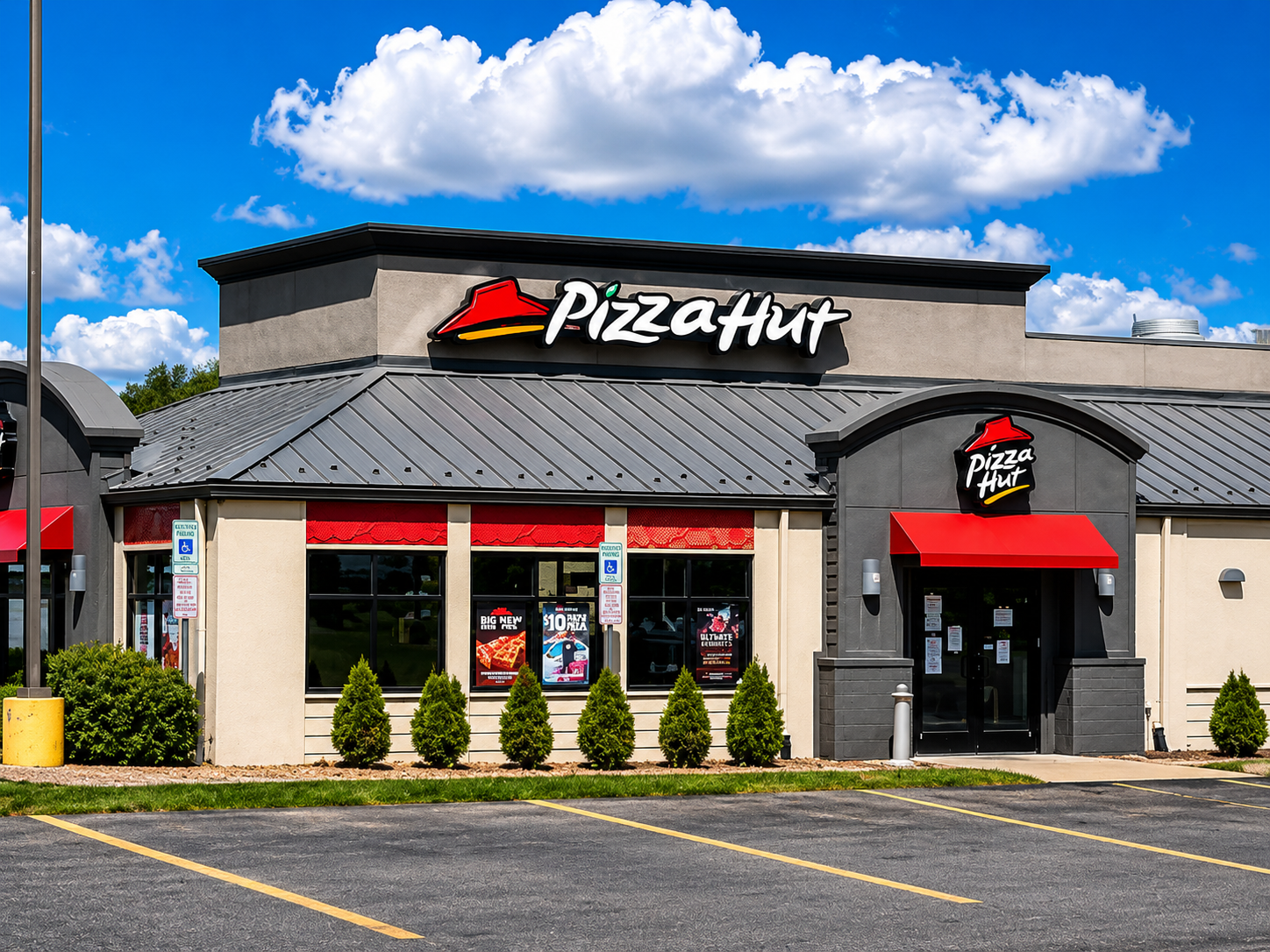
The fallout of Pizza Hut's mandated AI delivery system rollout has ignited a $100 million lawsuit from a leading franchisee, highlighting crucial franchisor-franchisee lessons for all restaurant owners.
Jun 26, 2026
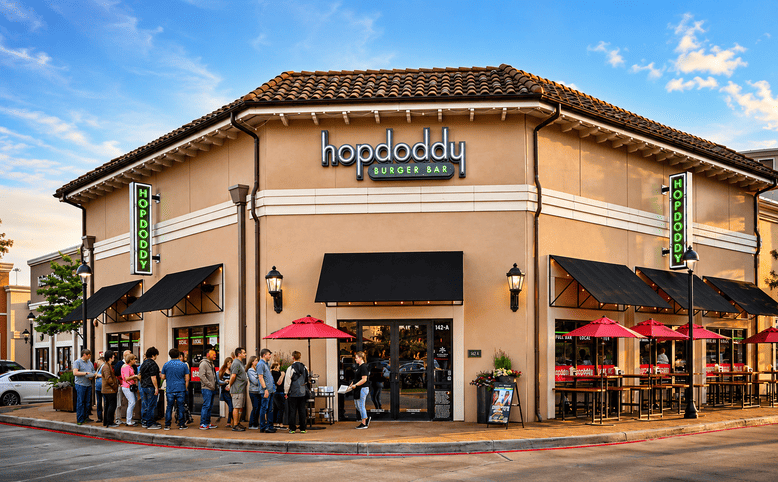
Founders Table Restaurant Group acquires fast-casual leader Hopdoddy Burger Bar, expanding its reach to over 200 restaurants and accelerating operational growth across the platform.
Jun 25, 2026
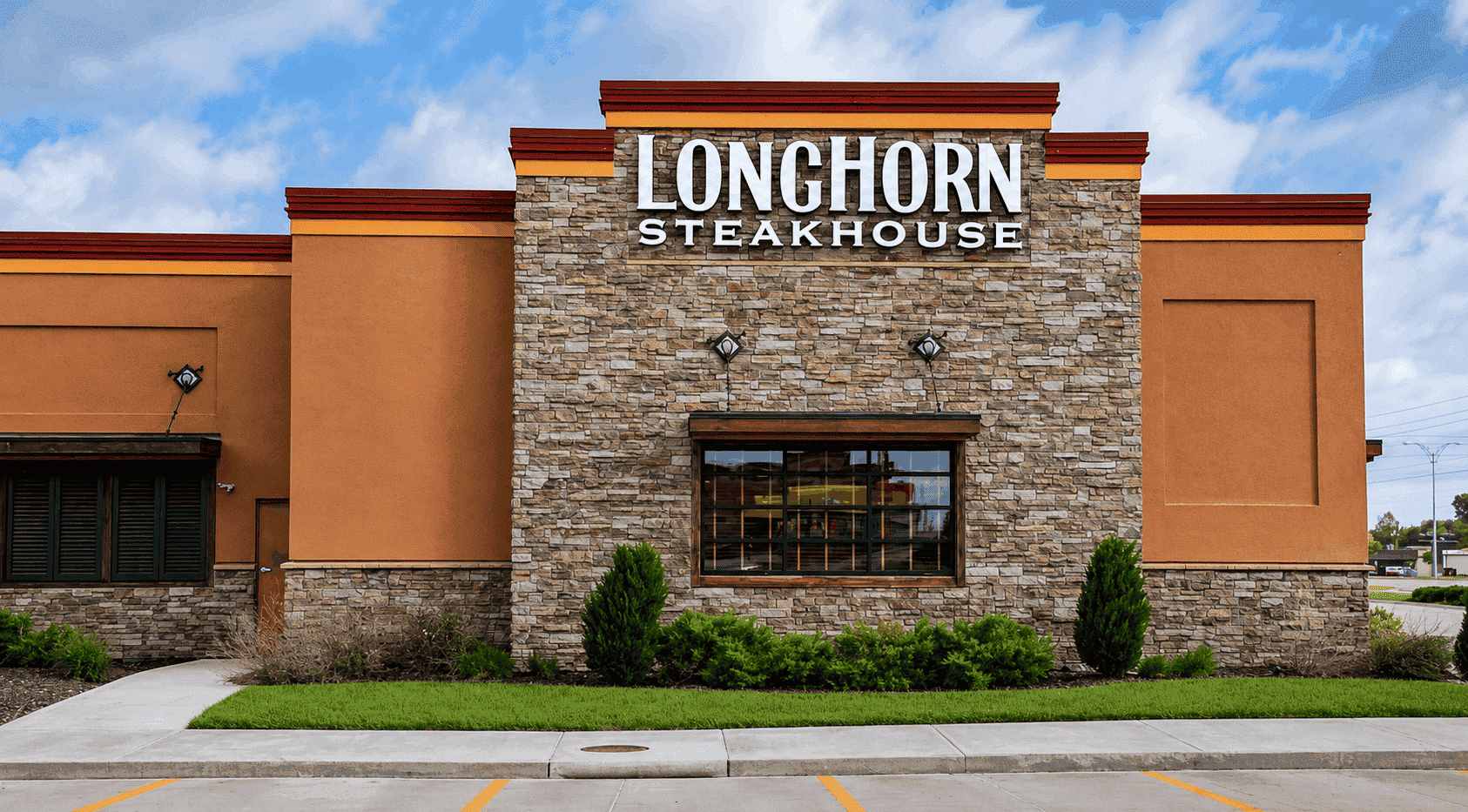
LongHorn Steakhouse surpassed $1 billion in quarterly sales for the first time, driven by strong value perception and menu innovation. Restaurant leaders can draw key lessons for thriving when consumer price sensitivity is high.
Jun 25, 2026
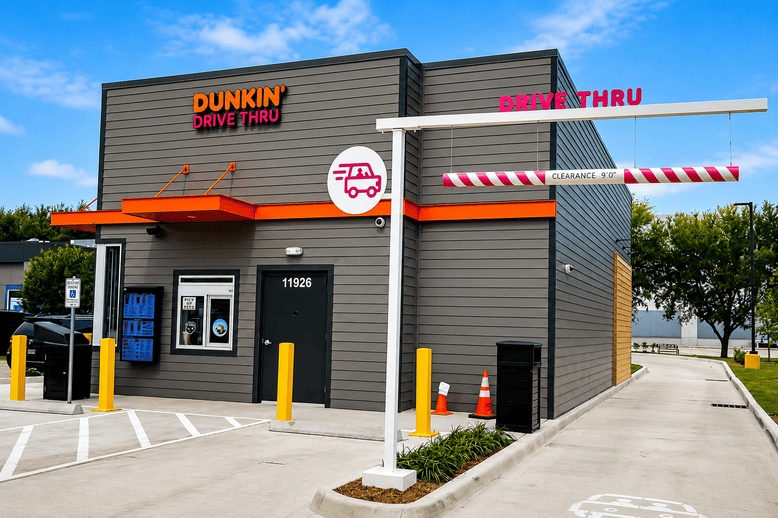
Inspire Brands is preparing for an IPO aiming for a $20B valuation. Discover how giants like Arby’s, Sonic, and Dunkin’ are performing as part of this dynamic portfolio.
Jun 25, 2026
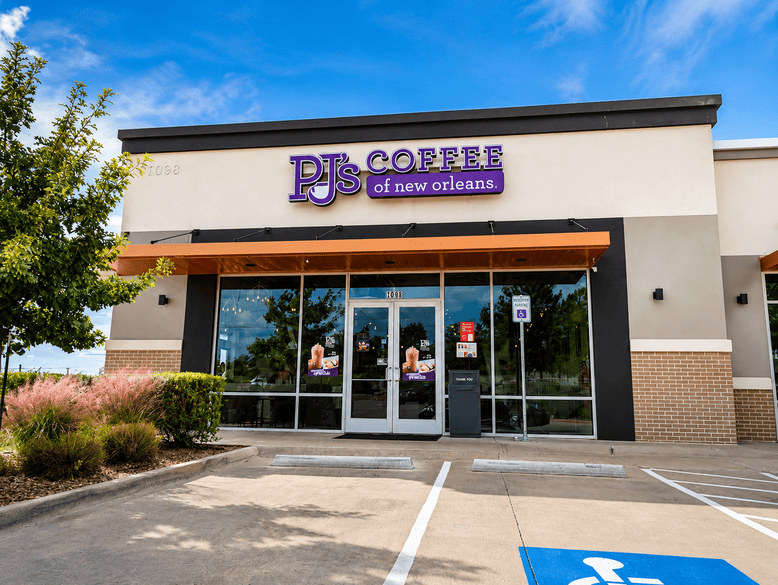
Estepp Energy, known for multi-unit brands like Little Caesars, is adding PJ's Coffee to its Kentucky convenience stores, marking a strategic expansion into specialty coffee.
Jun 24, 2026
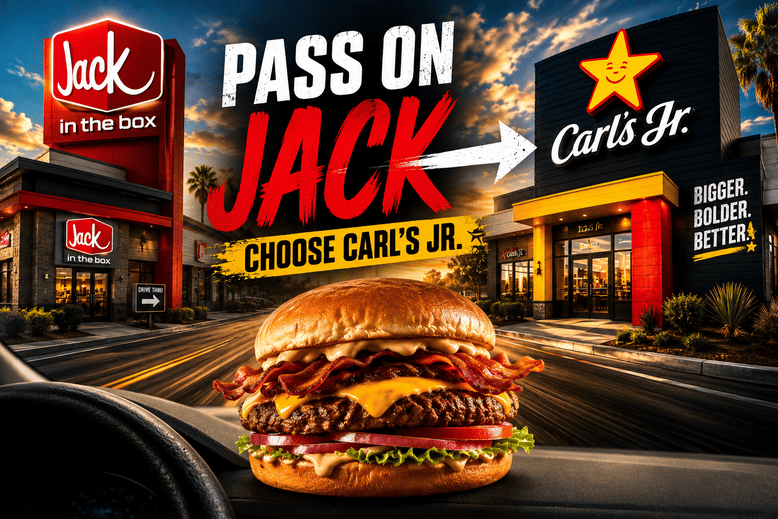
Carl's Jr. has launched a "Pass on Jack" marketing campaign rewarding loyalty members with a free Sourdough Star burger for driving past a Jack in the Box to reach a Carl's Jr. location- a direct shot at its California-based burger rival.
Jun 24, 2026
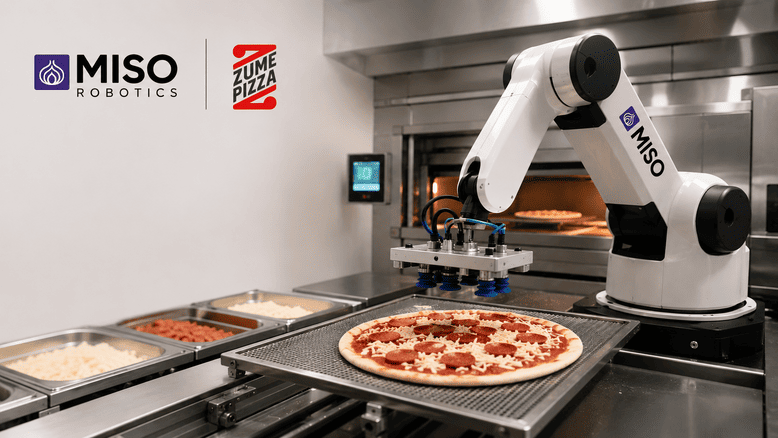
Miso Robotics has acquired Zume Pizza’s technology deck, giving new life to pizza automation and food robotics for forward-thinking restaurant operators.
Jun 24, 2026
Dunkin' tests massive 48-ounce coffee buckets in Massachusetts and New Hampshire. Learn how this viral trend impacts restaurant strategy and customer engagement.

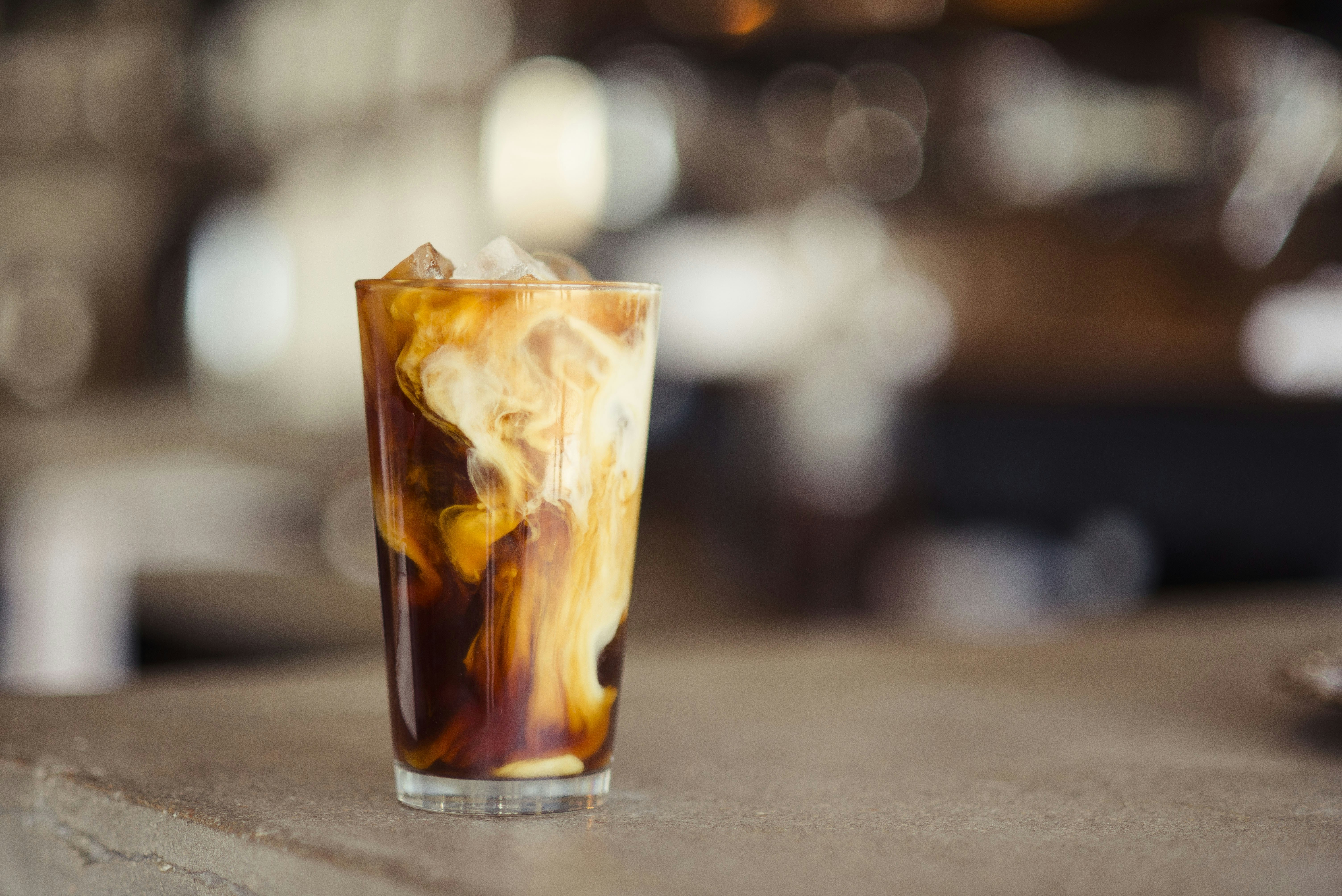
Photo by Jakub Dziubak
There's a sizzle in the coffee world right now, and it's coming from an unlikely source: buckets. Dunkin' is making waves across the quick-service restaurant (QSR) landscape with something that sounds almost too bold to be real, a 48-ounce beverage bucket that's literally double the size of their previous extra-large offering. This isn't just a menu addition; it's a calculated play in the game of restaurant visibility, customer engagement, and trend-driven innovation. As reported by MassLive, Dunkin' is testing massive 48 oz buckets of coffee and other drinks at select locations, with the drinks coming in 48 oz containers featuring a unique lid and straw. The dunkin bucket isn't everywhere yet, far from it. These massive beverages are rolling out at only a handful of spots, primarily in Massachusetts and New Hampshire, and that limited availability is precisely what makes this strategy worth understanding for any operator aiming to stay ahead of the curve. For restaurant owners and industry leaders, the dunkin bucket test represents something bigger than just a novelty size. It's a masterclass in how mega-chains capitalize on viral moments, test innovation in controlled markets, and create buzz that traditional marketing struggles to match. Here's what you need to know about this phenomenon and what it means for your operation.
Let's start with the cold, hard facts. The dunkin coffee buckets start at $8.89 for coffee options and $9.49 for refresher options, a price point that reflects the sheer volume you're getting. According to The Independent, the coffee buckets are 48-ounce containers, which means they're literally twice the size of Dunkin's previously largest offering, the 24-ounce extra large. This pricing strategy is sharp. It's not a massive markup over the extra large, it's accessible enough to draw curious customers while maintaining healthy margins on a much larger volume of product. That's the kind of thinking that separates innovation from gimmicks in the restaurant industry.
According to MassLive, the dunkin bucket drinks are being sold at 175 University Dr. in Amherst, with social media posts indicating availability at other locations including Falmouth, New Bedford, and Lee, N.H. The Independent further confirmed that buckets are available across multiple Massachusetts locations and three locations in New Hampshire, with additional stores like Foxborough expected to roll out the new menu item in the coming weeks. This geographic targeting is deliberate. Massachusetts is Dunkin's home turf, the birthplace of the brand, making it the ideal testing ground. The company has been experimenting in the commonwealth for years, having previously tested products like blueberry cobbler coffee, "ElectroBrew," Popping Bubble Iced Tea, and Sparkling Dunkin' Refreshers.
None of this happens in a vacuum. The dunkin bucket explosion is riding the coattails of a genuine viral trend. As noted by MassLive, the viral TikTok trend of drinking coffee out of buckets had Massachusetts residents lining up at local coffee shops over the summer. Dunkin' observed this phenomenon, recognized the customer appetite for oversized, statement-making beverages, and made the strategic decision to test the concept at scale. This is brilliant restaurant strategy: identify an organic trend gaining traction on social media, validate customer interest, then leverage your infrastructure and brand to execute it better than the smaller competitors who sparked the idea initially.
Why New England? Why not test this nationwide from day one? The answer speaks to operational excellence and risk management. Massachusetts and New Hampshire serve as Dunkin's testing laboratory, a place where the company can measure demand, test operational logistics, gather customer feedback, and refine execution before a broader rollout. This is how restaurant chains de-risk innovation. The dunkin bucket test is particularly interesting because it forces Dunkin' to solve a genuine operational problem: cup holder compatibility. According to The Rod Ryan Show, the buckets are way too big for a cup holder, making them problematic for drive-through customers. That's not a minor issue for a chain that built its empire on convenience and on-the-go service. Testing in a controlled region allows Dunkin' to gather data on whether this is a dealbreaker or merely a fun complaint customers are willing to overlook.
The reaction to the dunkin bucket has been decidedly mixed, and that's telling. The Independent captured genuine customer sentiment with real quotes that reveal both enthusiasm and frustration. Some customers expressed joy at the prospect of massive caffeine intake, while others voiced jealousy and disappointment at limited availability. One customer complained, "The discrimination [Connecticut] has faced for not being in the testing group for the Dunkin Bucket will not be forgiven," while another enthusiastically noted, "what do you mean you don't want to drive 5 hours to experience a dunkin bucket with me?" Meanwhile, skeptics chimed in with, "Yall are sick if you drink this." This polarity is actually healthy for market testing. It shows the dunkin bucket generates genuine emotional engagement, not apathy. In an industry where attention is currency, creating products that spark conversation (even criticism) is valuable data. Dunkin' isn't just selling a drink; they're creating a talking point, a reason for customers to share the experience on social media, and a destination reason to visit participating locations.
For restaurant owners and operators, the dunkin bucket test offers several critical lessons about modern food and beverage strategy. First: test before you scale. Dunkin' didn't roll out dunkin coffee buckets nationwide. They picked specific locations, monitored performance, and adjusted. This approach minimizes financial risk while maximizing data collection. Second: ride genuine trends, don't create artificial ones. The coffee bucket trend emerged organically from smaller coffee shops and social media. Dunkin' observed, understood the appeal, and adapted it to their model. That's different from forced innovation that doesn't connect with customer desires. Third: location strategy matters enormously. Testing in your home market (Massachusetts for Dunkin') means you're working with familiar operations, supply chains, and employee training. It means you can rapidly iterate and adjust. For independent operators or smaller chains, this suggests starting innovation tests in your most mature, stable markets before expanding.
The dunkin bucket isn't just a marketing exercise, it's an operational stress test. The oversized format forces Dunkin' to confront real-world challenges: Does your freezer equipment handle 48-ounce containers? Can your POS system upsell customers on the dunkin bucket without slowing drive-through times? How do you price it to maintain margins while feeling like good value? The cup holder compatibility issue mentioned by The Rod Ryan Show is a perfect example. It's not insurmountable, but it's real. For operators considering oversized beverages or unusual formats, ask yourself: Will this work logistically in my drive-through? Does my equipment scale to this? Will this create bottlenecks during peak hours? These aren't dealbreakers, they're design considerations that separate successful innovation from failed experiments.
Notice that Dunkin' hasn't committed to nationwide availability. The dunkin coffee buckets remain scarce, available at only select locations, and their long-term rollout status remains unclear. This scarcity is intentional. It creates urgency, drives word-of-mouth marketing, and makes the dunkin bucket feel like an exclusive experience rather than a standard menu item. For your restaurant, this suggests a powerful tactic: if you're testing something new, a signature dish, a limited menu collaboration, or an unusual format, don't immediately make it ubiquitous. Let it build mystique. Let customers feel they've discovered something special. Once demand stabilizes and you've solved operational issues, then you can expand.
The dunkin bucket phenomenon represents a pivotal moment in how restaurant chains approach innovation, test new concepts, and build buzz in an increasingly social-media-driven market. Dunkin' observed a viral trend, identified a genuine customer appetite for oversized, statement-making beverages, and tested a 48-ounce solution in their home market with clear operational parameters and pricing strategy. For restaurant owners and operators, the lessons are clear: Test innovation in controlled markets before scaling. Ride genuine customer trends rather than inventing artificial ones. Price strategically to maintain margins while delivering perceived value. Solve operational problems early, especially around logistics and equipment compatibility. And understand that limited availability isn't a flaw, it's a feature that drives engagement. The dunkin bucket may or may not become a permanent menu fixture nationwide. That's not really the point. What matters is that Dunkin' demonstrated how to execute a modern food and beverage strategy: observe, test, iterate, refine, and scale based on data. That's the recipe for success in an industry where trends move fast, competition never sleeps, and customer attention is the scarcest resource of all. The question isn't whether the dunkin bucket succeeds or fails, it's whether you're paying attention to how it's being tested and what it can teach you about your own innovation strategy.