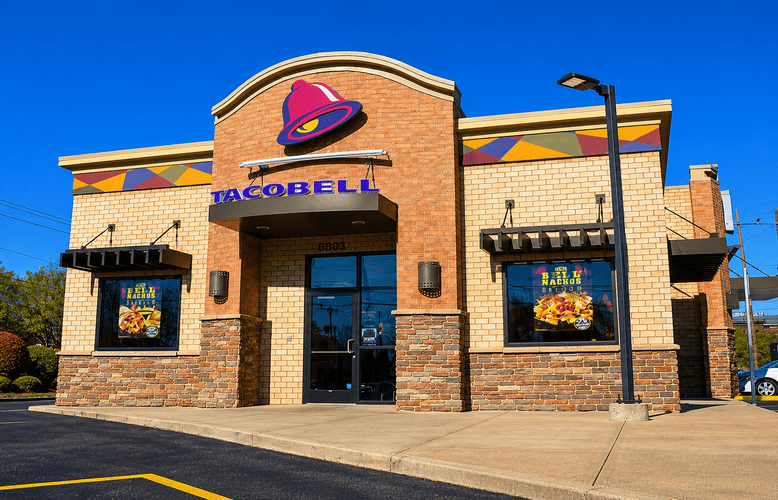
Taco Bell Franchise Expansion in Midwest
Southpaw adds 43 Ohio Taco Bell restaurants to its impressive portfolio, highlighting franchise growth and strengthening the Midwest QSR landscape.
news
Jun 26, 2026
Southpaw adds 43 Ohio Taco Bell restaurants to its impressive portfolio, highlighting franchise growth and strengthening the Midwest QSR landscape.
Jun 26, 2026
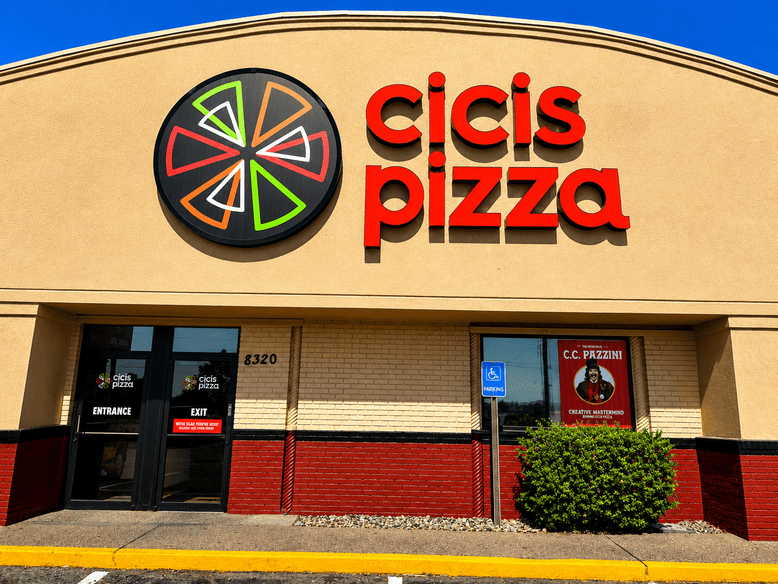
Discover how Cicis Pizza's rewards program skyrocketed to over one million members in under a year, driving customer engagement and retention. See the lessons for restaurant loyalty programs.
Jun 26, 2026
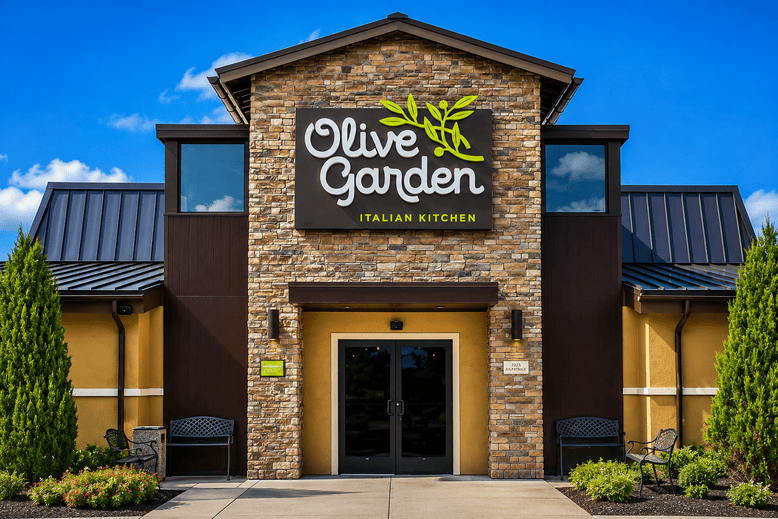
Darden Restaurants surpassed $13 billion in sales, fueled by robust performance at LongHorn Steakhouse and innovative menu changes at Olive Garden. Explore the strategies driving this industry giant’s continued dominance.
Jun 26, 2026
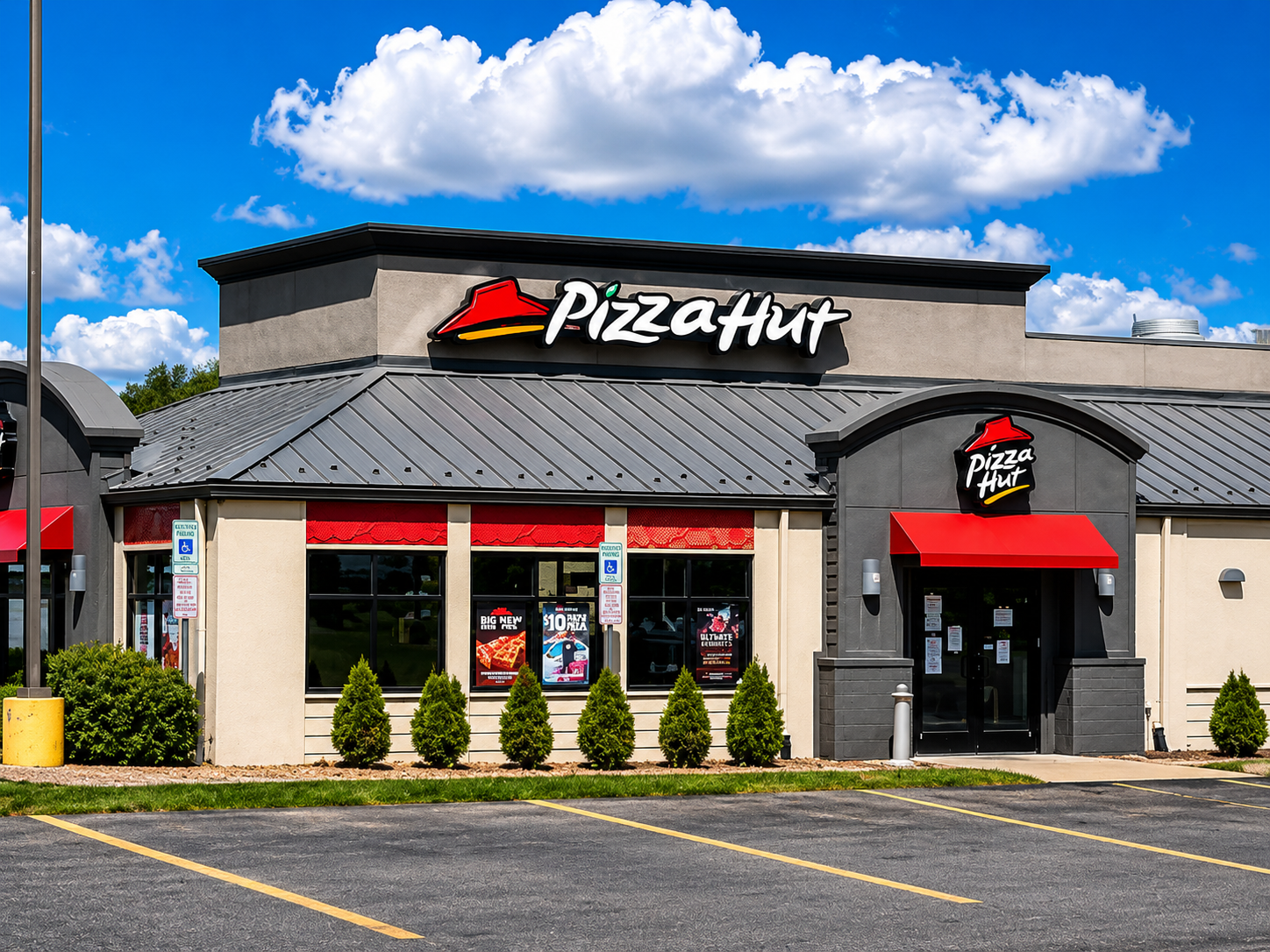
The fallout of Pizza Hut's mandated AI delivery system rollout has ignited a $100 million lawsuit from a leading franchisee, highlighting crucial franchisor-franchisee lessons for all restaurant owners.
Jun 26, 2026
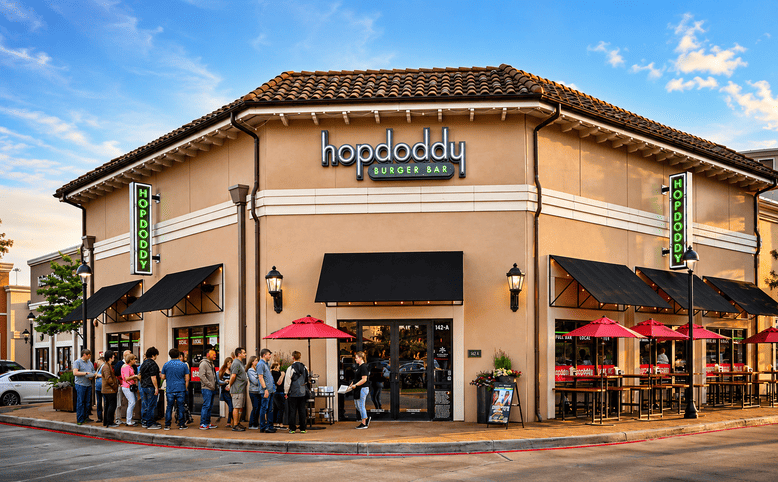
Founders Table Restaurant Group acquires fast-casual leader Hopdoddy Burger Bar, expanding its reach to over 200 restaurants and accelerating operational growth across the platform.
Jun 25, 2026
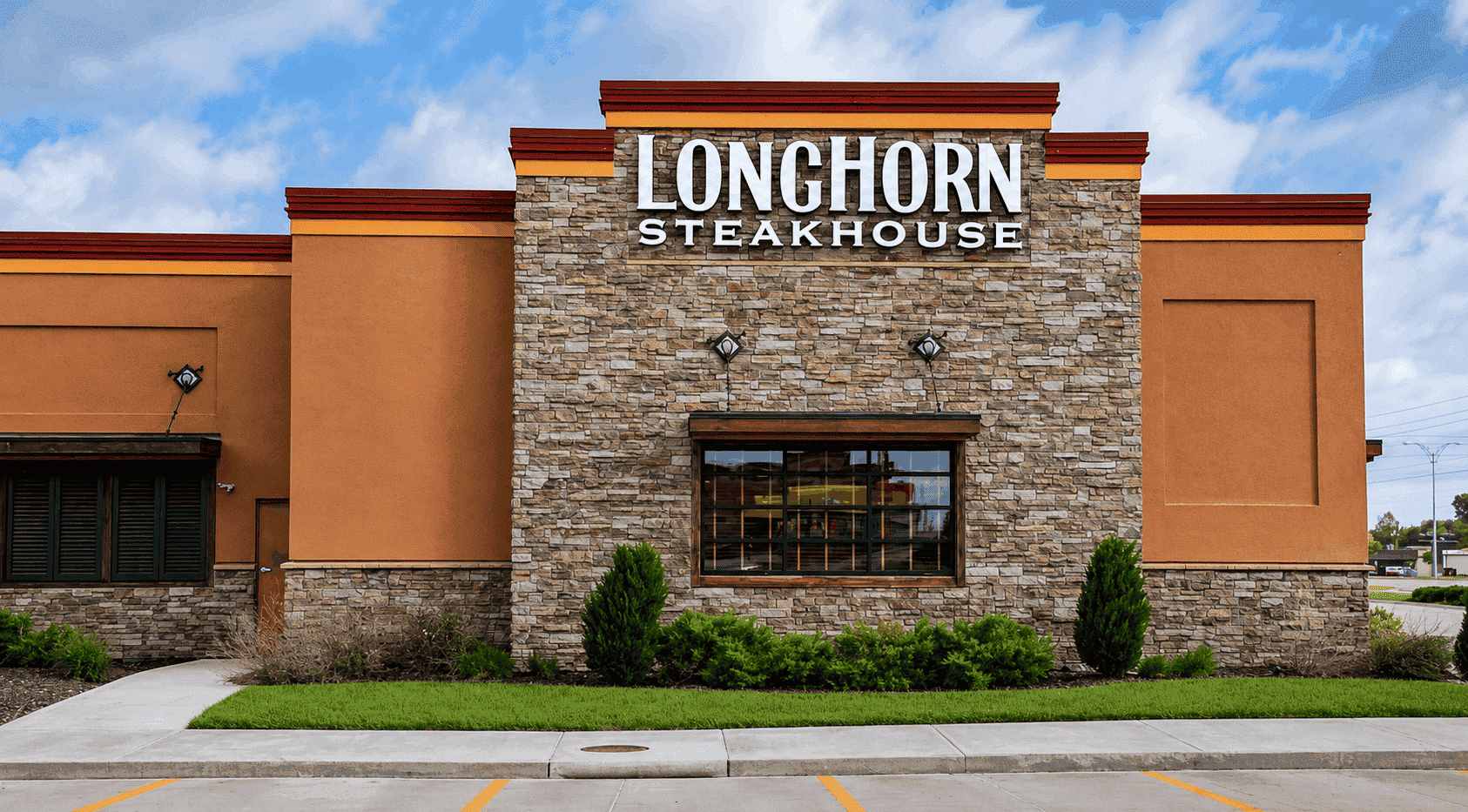
LongHorn Steakhouse surpassed $1 billion in quarterly sales for the first time, driven by strong value perception and menu innovation. Restaurant leaders can draw key lessons for thriving when consumer price sensitivity is high.
Jun 25, 2026
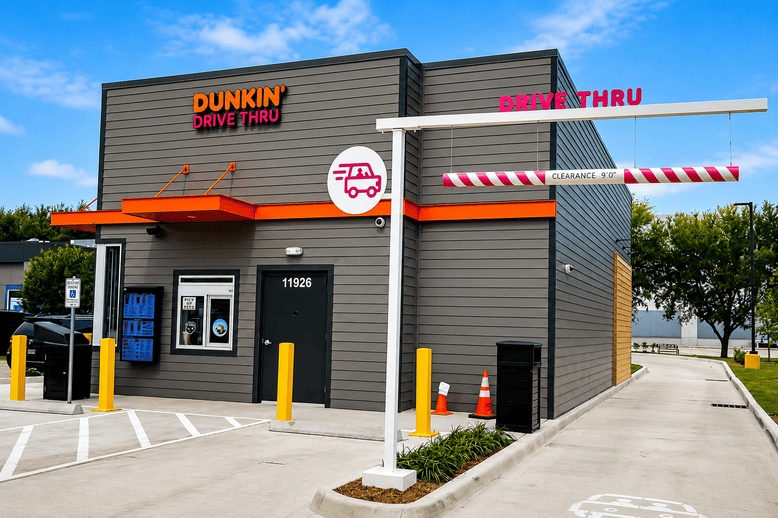
Inspire Brands is preparing for an IPO aiming for a $20B valuation. Discover how giants like Arby’s, Sonic, and Dunkin’ are performing as part of this dynamic portfolio.
Jun 25, 2026
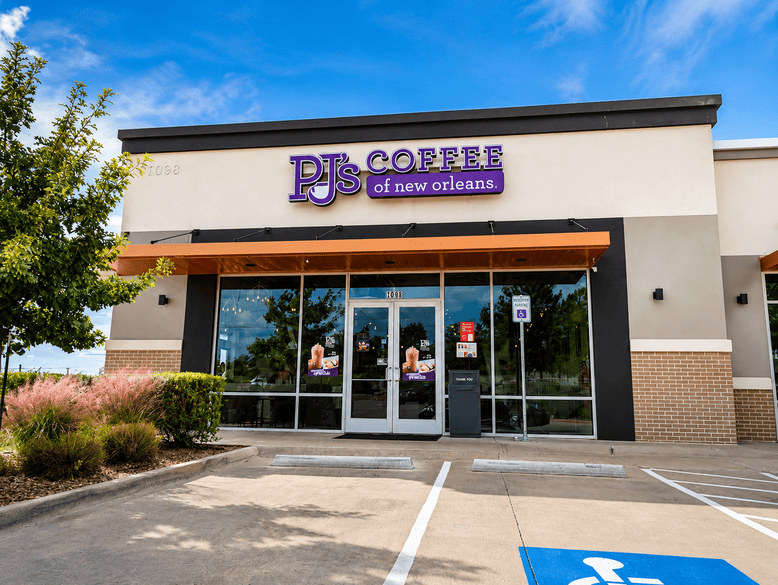
Estepp Energy, known for multi-unit brands like Little Caesars, is adding PJ's Coffee to its Kentucky convenience stores, marking a strategic expansion into specialty coffee.
Jun 24, 2026
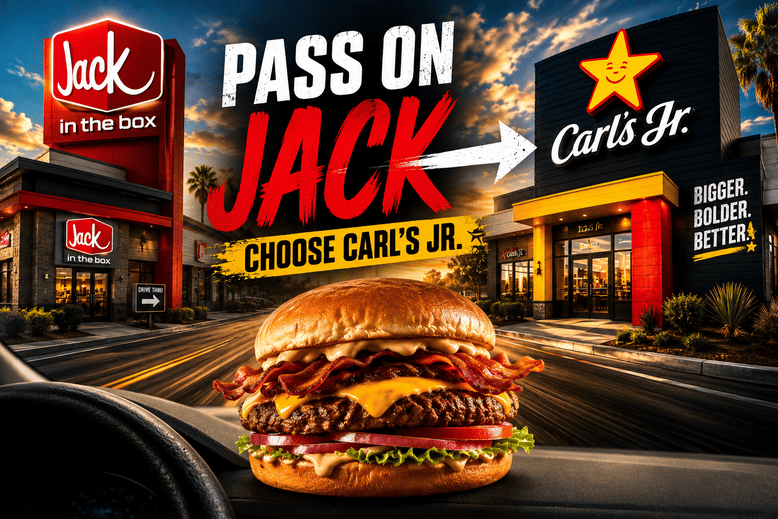
Carl's Jr. has launched a "Pass on Jack" marketing campaign rewarding loyalty members with a free Sourdough Star burger for driving past a Jack in the Box to reach a Carl's Jr. location- a direct shot at its California-based burger rival.
Jun 24, 2026
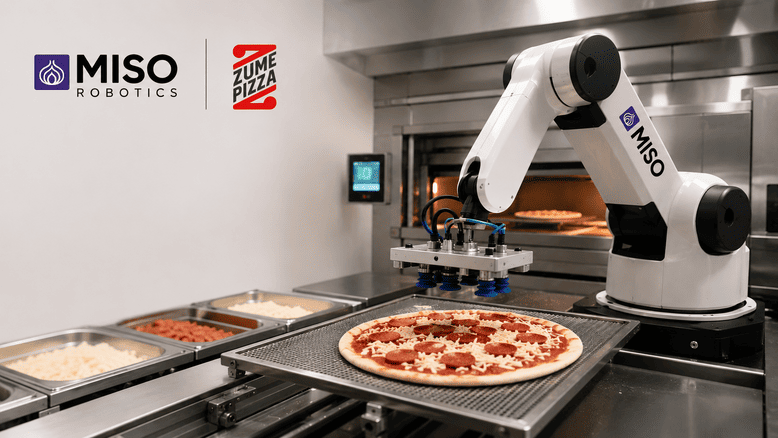
Miso Robotics has acquired Zume Pizza’s technology deck, giving new life to pizza automation and food robotics for forward-thinking restaurant operators.
Jun 24, 2026
Every year, more than 1.3 billion tons of food is wasted by consumers and the food industry. This means that 1/6 of all food produced for human consumption never makes it to a consumer's plate. As the world population increases, food scarcity is becoming more and more common as well. So how can we eliminate this waste? Here are some ideas for how to reduce your own contribution to food waste as well as how to fight against it on a global scale.
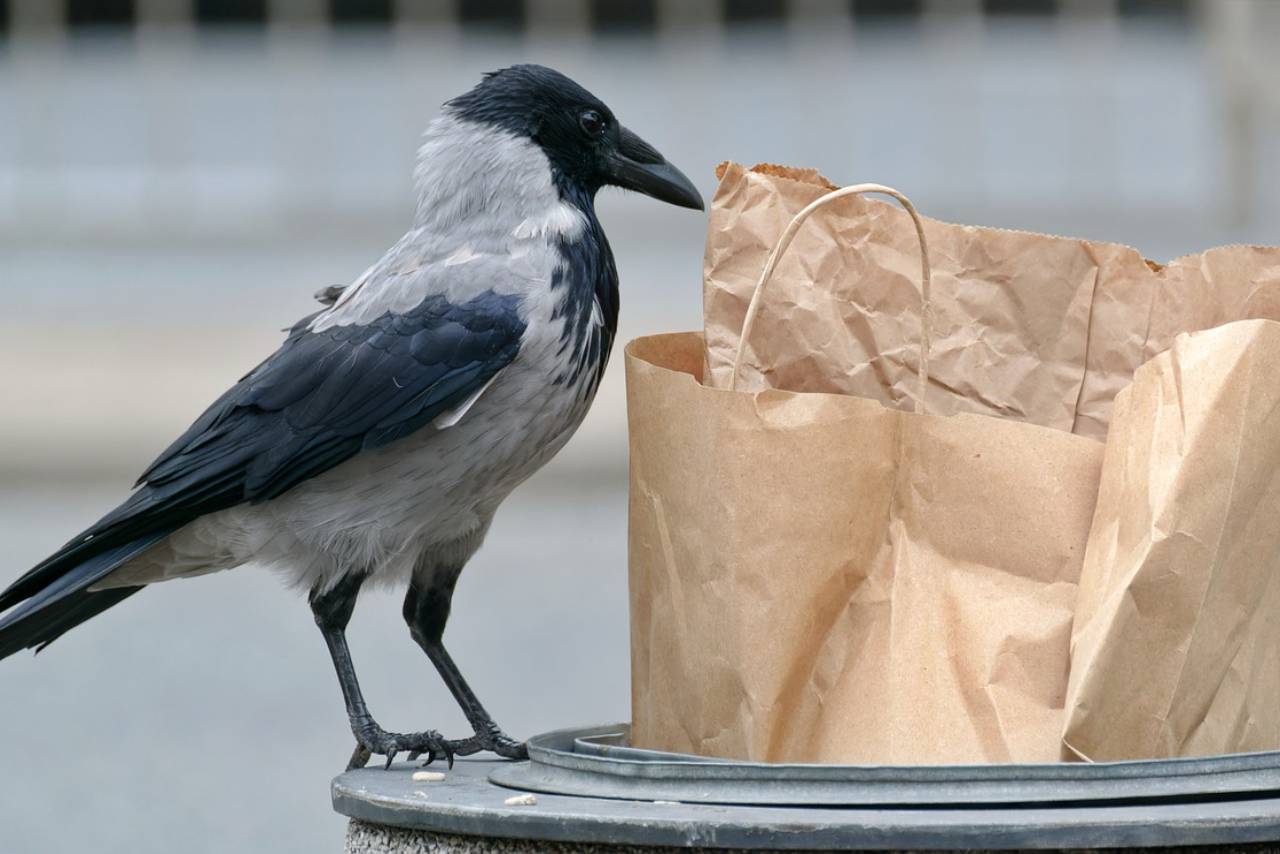
There are many causes of food waste. One of the most common is over-ordering, which happens when restaurants or other establishments over-produce and end up throwing away the excess. It's important for businesses to be mindful about how much food they order so that they don't end up wasting it. Another way that businesses contribute to food waste is by ordering more than what their customers can finish in one sitting. This often happens when you order an appetizer, like a bowl of soup, but only want a small amount - but there's no option for ordering less than what's recommended.
No matter how much you try to be conscious about your food consumption, there are always some sources of food waste. The first and most important step is to identify the sources of your food waste. Once you know where it comes from, you can take steps to eliminate that specific source.
to Fight Food Waste In 2015, the United Nations General Assembly committed to the Sustainable Development Goals (SDGs) for the year 2030. One of those goals is to reduce food waste by 50 percent by 2030. Although that goal is a long way away, there are some steps you can take today to start reducing your contribution to food waste.
The world wastes 1.3 billion tonnes of food a year. This means that, on average, each person in the world throws away a quarter of their food. This volume of waste is not only morally wrong, but it also has a huge environmental impact. The amount of energy, water and land used to produce this food is all wasted. Can you imagine all the hungry people in the world who could be fed if we didn't waste so much food? The good news is that there are things we can all do to help. And the first step is to understand how and why food gets wasted in the first place.
