Taco Bell Franchise Expansion in Midwest
Southpaw adds 43 Ohio Taco Bell restaurants to its impressive portfolio, highlighting franchise growth and strengthening the Midwest QSR landscape.
news
Jun 26, 2026
Southpaw adds 43 Ohio Taco Bell restaurants to its impressive portfolio, highlighting franchise growth and strengthening the Midwest QSR landscape.
Jun 26, 2026
Discover how Cicis Pizza's rewards program skyrocketed to over one million members in under a year, driving customer engagement and retention. See the lessons for restaurant loyalty programs.
Jun 26, 2026
Darden Restaurants surpassed $13 billion in sales, fueled by robust performance at LongHorn Steakhouse and innovative menu changes at Olive Garden. Explore the strategies driving this industry giant’s continued dominance.
Jun 26, 2026
The fallout of Pizza Hut's mandated AI delivery system rollout has ignited a $100 million lawsuit from a leading franchisee, highlighting crucial franchisor-franchisee lessons for all restaurant owners.
Jun 26, 2026
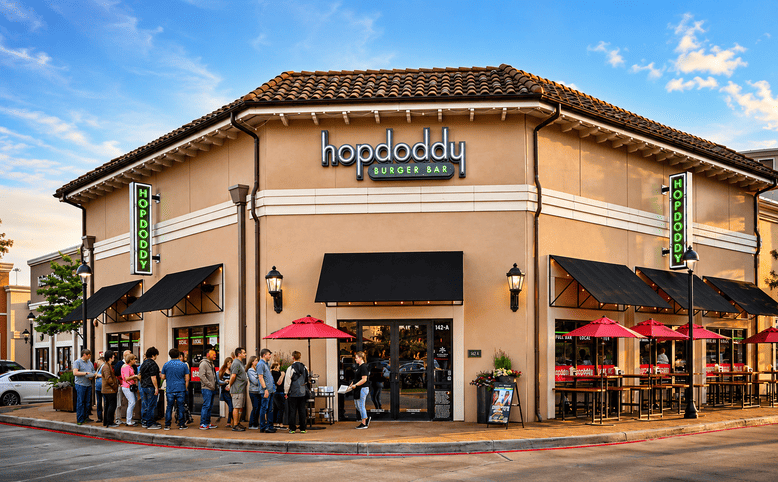
Founders Table Restaurant Group acquires fast-casual leader Hopdoddy Burger Bar, expanding its reach to over 200 restaurants and accelerating operational growth across the platform.
Jun 25, 2026
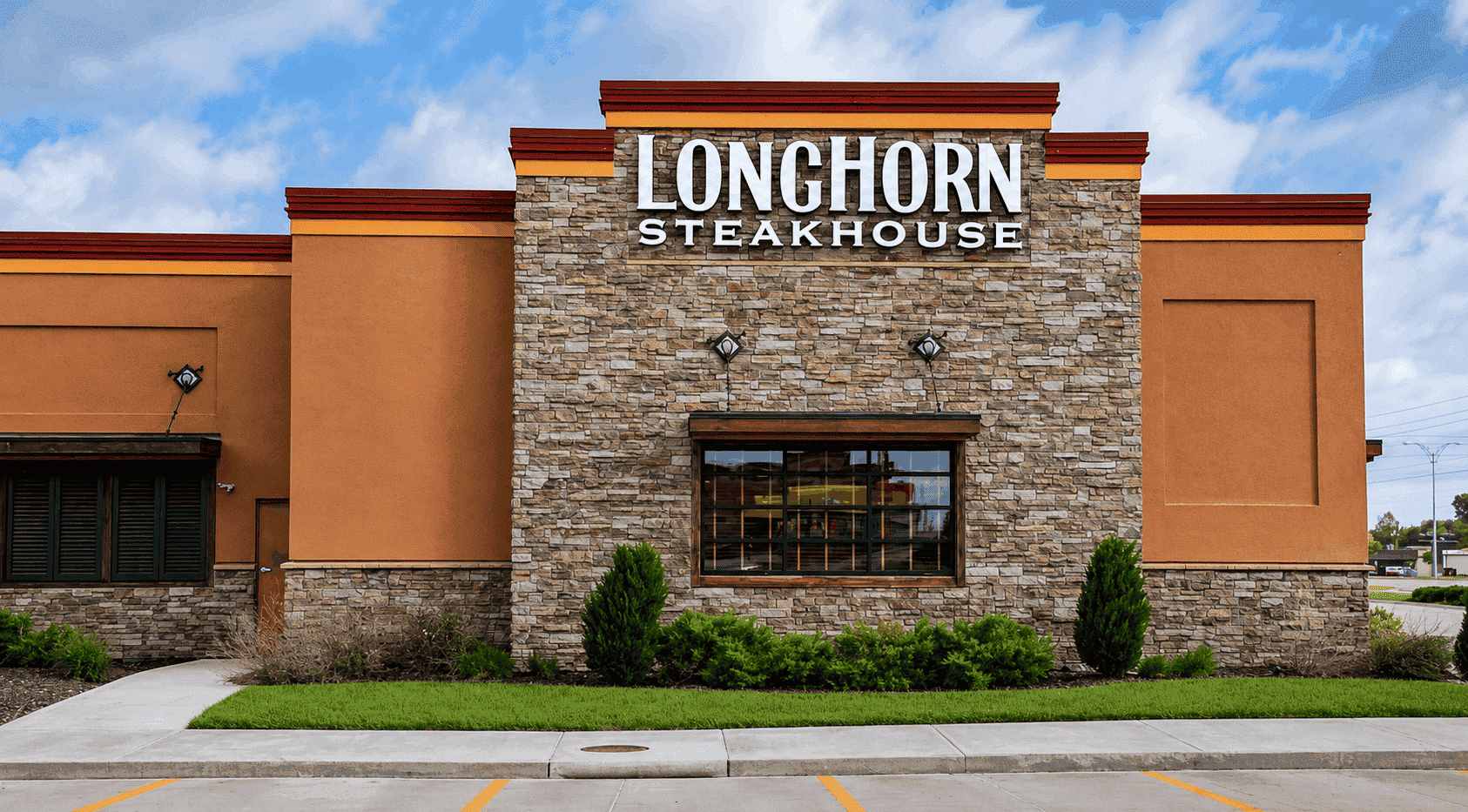
LongHorn Steakhouse surpassed $1 billion in quarterly sales for the first time, driven by strong value perception and menu innovation. Restaurant leaders can draw key lessons for thriving when consumer price sensitivity is high.
Jun 25, 2026
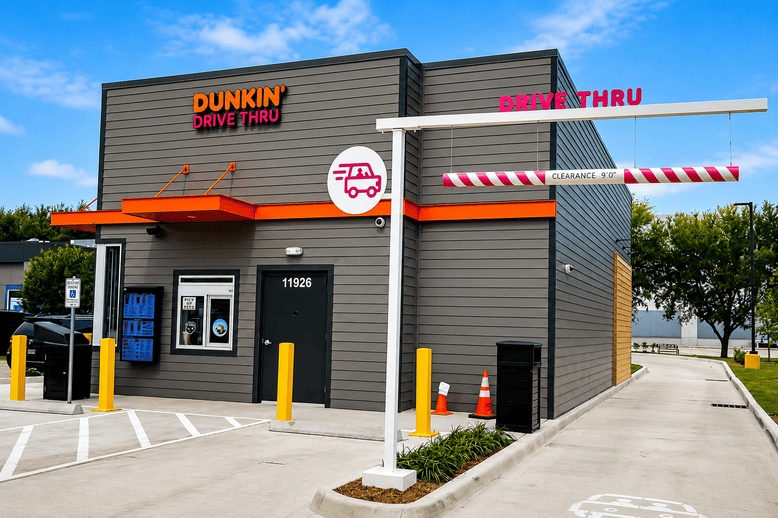
Inspire Brands is preparing for an IPO aiming for a $20B valuation. Discover how giants like Arby’s, Sonic, and Dunkin’ are performing as part of this dynamic portfolio.
Jun 25, 2026
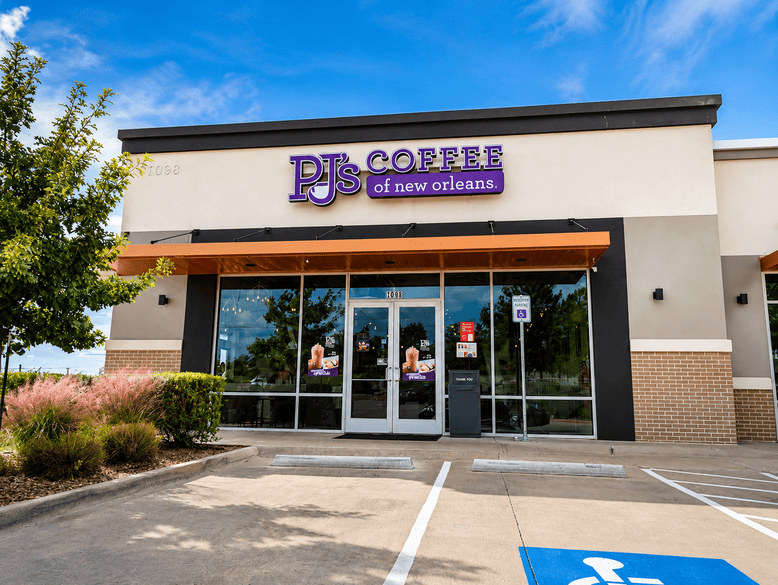
Estepp Energy, known for multi-unit brands like Little Caesars, is adding PJ's Coffee to its Kentucky convenience stores, marking a strategic expansion into specialty coffee.
Jun 24, 2026
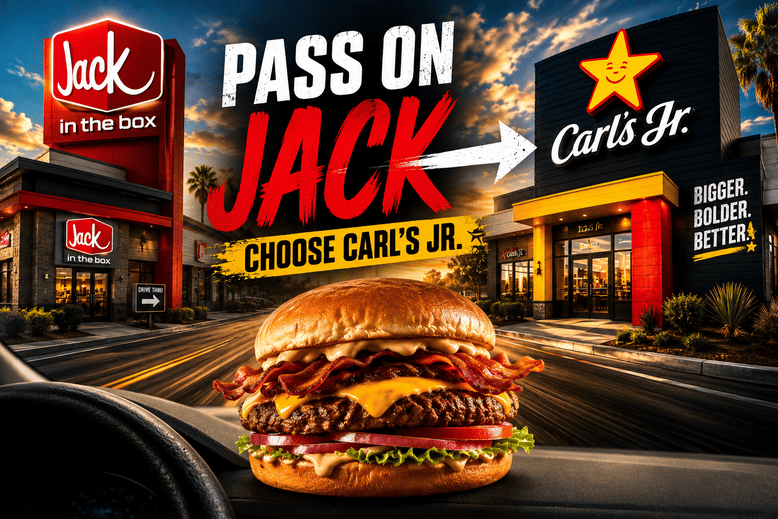
Carl's Jr. has launched a "Pass on Jack" marketing campaign rewarding loyalty members with a free Sourdough Star burger for driving past a Jack in the Box to reach a Carl's Jr. location- a direct shot at its California-based burger rival.
Jun 24, 2026
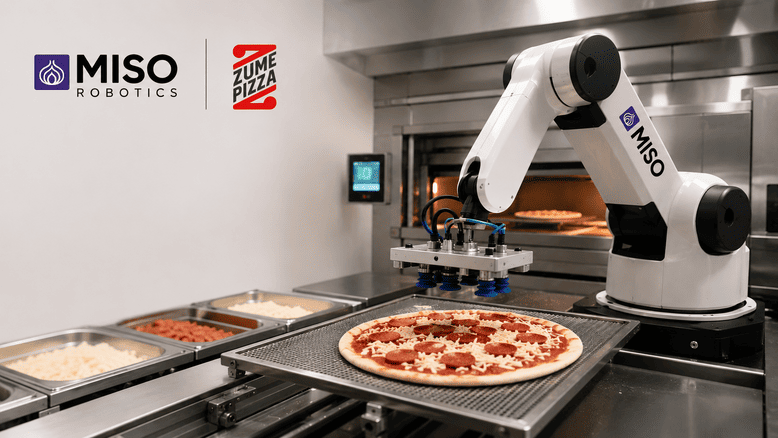
Miso Robotics has acquired Zume Pizza’s technology deck, giving new life to pizza automation and food robotics for forward-thinking restaurant operators.
Jun 24, 2026
How to choose and configure equipment for consistent, scalable restaurant operations, with market data, AI trends, and energy-efficiency considerations.

Photo by Stella He
A busy line stays calm when the tools do their job. Operators know that a well-chosen equipment mix carries a menu across the lunch rush and late service with the same steady hand.
The right bundle of cooking, holding, refrigeration, food prep, storage, disposables, janitorial, and dishwashing gear becomes the quiet backbone that lets a concept grow without losing its touch. Capital continues to flow into that backbone.
The global food service equipment market was valued at USD 41.47 billion in 2025 and is projected to expand at a 7.0% compound annual growth rate from 2026 to 2033, reflecting strong ongoing investment by operators worldwide.
The commercial catering equipment segment is expected to reach USD 34.18 billion by 2033, growing 5.1% annually from 2026 as cloud kitchens and delivery services drive demand.
Within cooking, ovens alone accounted for roughly 23% of global commercial cooking equipment revenue in 2026, a reminder that core heat remains the center of production.
North America remains the dominant region, capturing about 32% of global market revenue in 2025, anchored by the United States’ $1.1 trillion in restaurant sales that year.
Concept always calls the shots. A fried chicken brand may demand high-volume fry stations and fry dump capacity to hold quality through surges, while a tasting menu leans toward precise combi ovens that can handle complex, repeatable steps.
Workflow is its own craft, whether that means placing pass-through refrigeration within reach of prep or giving front-of-house a dedicated beverage setup to keep guests happy without stealing back-of-house time.
Space changes the conversation. Urban footprints often push operators toward modular or compact configurations, while larger kitchens can give walk-in coolers and tilt skillets room to earn their keep.
On the line, production begins with heat. Convection and combi units, along with pizza and bakery decks, carry baking, roasts, braises, and finishing.
Ranges pair cooktops with ovens for flexible execution. Deep fryers hold steady temperatures for fries and tenders, charbroilers lay down the smoky sear, griddles handle pancakes and burgers, and steamers protect moisture in vegetables and seafood.
Tilt skillets bring high-capacity frying, simmering, and steaming with an easy tilt to discharge, while salamanders and broilers finish plates and toast bread.
Holding earns its own respect: cabinets, drawer warmers, heat lamps, fry dump stations, and soup kettles keep food safe and service-ready. Beverage setups can include coffee brewers, kegerators, refrigerated dispensers, soda fountains, wine coolers, and filtration systems to improve water quality.
Refrigeration and freezing, from reach-ins to blast chillers, protect perishables and trim waste. Storage racks, carts, and ingredient bins keep stations tidy, and processors, mixers, slicers, and scales compress labor while tightening consistency.
Hygiene holds it all together with disposables, janitorial supplies, and dish machines. Investing in energy-efficient controls and insulation can reduce hot food holding energy use by 30–50%, further lowering operating costs.

The human side still drives this work. Corrinn, a longform writer on the WebstaurantStore content team for five years, shares her passion: "creating resources that help operators succeed and lacing them with entertainment to make them smile is my 'why'."
Technology has the floor as well. Simon Plumbridge, director at Gaggenau, observes, "Looking ahead, AI-driven integration is shaping the next generation of kitchen appliances," signaling a shift toward automation that can standardize processes and compensate for staffing gaps.
Yet big purchases bring big questions. Many operators still wrestle with return on investment and the absence of standardized metrics for energy use and maintenance, especially when weighing multifunction platforms against single-purpose tools.
In Canada, foodservice sales have slowed and profit margins tightened, prompting operators to scrutinize capital expenditures more closely; the Canadian market, valued at CAD 125 billion and supporting 1.2 million jobs, is seeing more cautious equipment upgrades amid these pressures.

Cloud-first models keep rewriting the playbook. Dark kitchens and third-party delivery reward gear that supports off-premise speed without extra front-of-house square footage, which makes modularity and throughput features more than nice-to-haves.
The oven’s share of revenue speaks to enduring fundamentals, while the momentum around AI hints at a future where monitoring, repeatability, and labor support are baked into the hardware.
The path forward asks for clear intent. Balance durable workhorses with emerging tech, and give priority to tools that are energy-efficient, modular, and multifunctional.
Match every purchase to the concept, the workflow, and the budget, then layer in automation and monitoring where they cut waste or protect quality. Done with care, those choices help operators control costs and hold food safety and flavor steady as the dining room fills and the ticket rail stretches.