
Propelled Brands Cuts Camp Bow Wow Startup Costs
Propelled Brands lowers Camp Bow Wow’s investment and standardizes a 6,000-sq-ft prototype to attract multi-unit growth amid a tight real estate market.
franchising
Jun 18, 2026
Propelled Brands lowers Camp Bow Wow’s investment and standardizes a 6,000-sq-ft prototype to attract multi-unit growth amid a tight real estate market.
Jun 18, 2026

Blue Bottle launches a 90-minute, machine-free Kyoto-style espresso, bottled for cold drinks across 152 cafés on June 16.
Jun 18, 2026

A missing Lego Star Wars cache puts Bricks & Minifigs in court, testing franchise rules, consignment policies, and brand trust across a 300‑unit network.
Jun 18, 2026
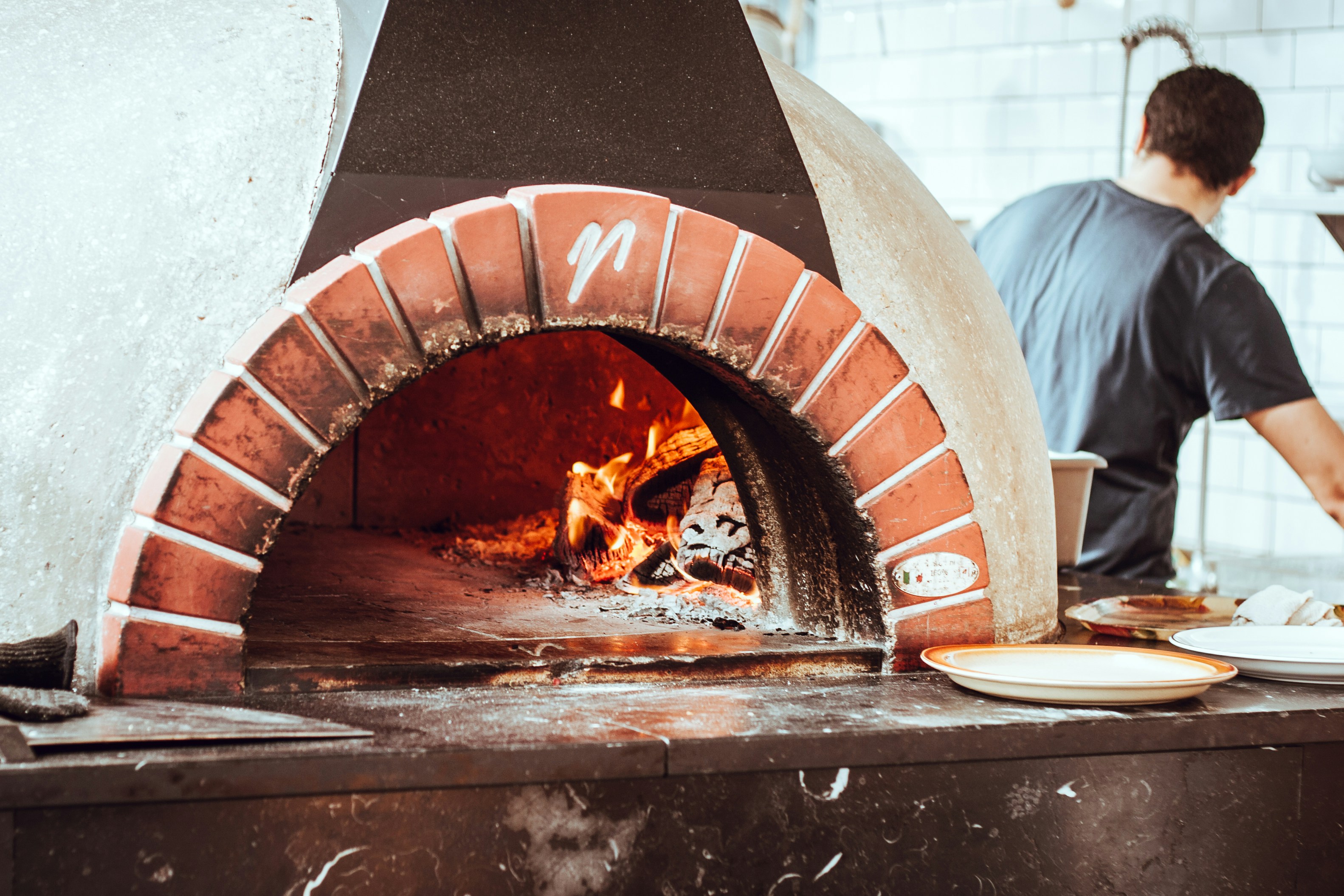
Domino’s launches a $9.99 any pizza deal, adding Parmesan Stuffed Crust through July 26, 2026, timed to the World Cup with gamified rewards and heavy ad support.
Jun 18, 2026
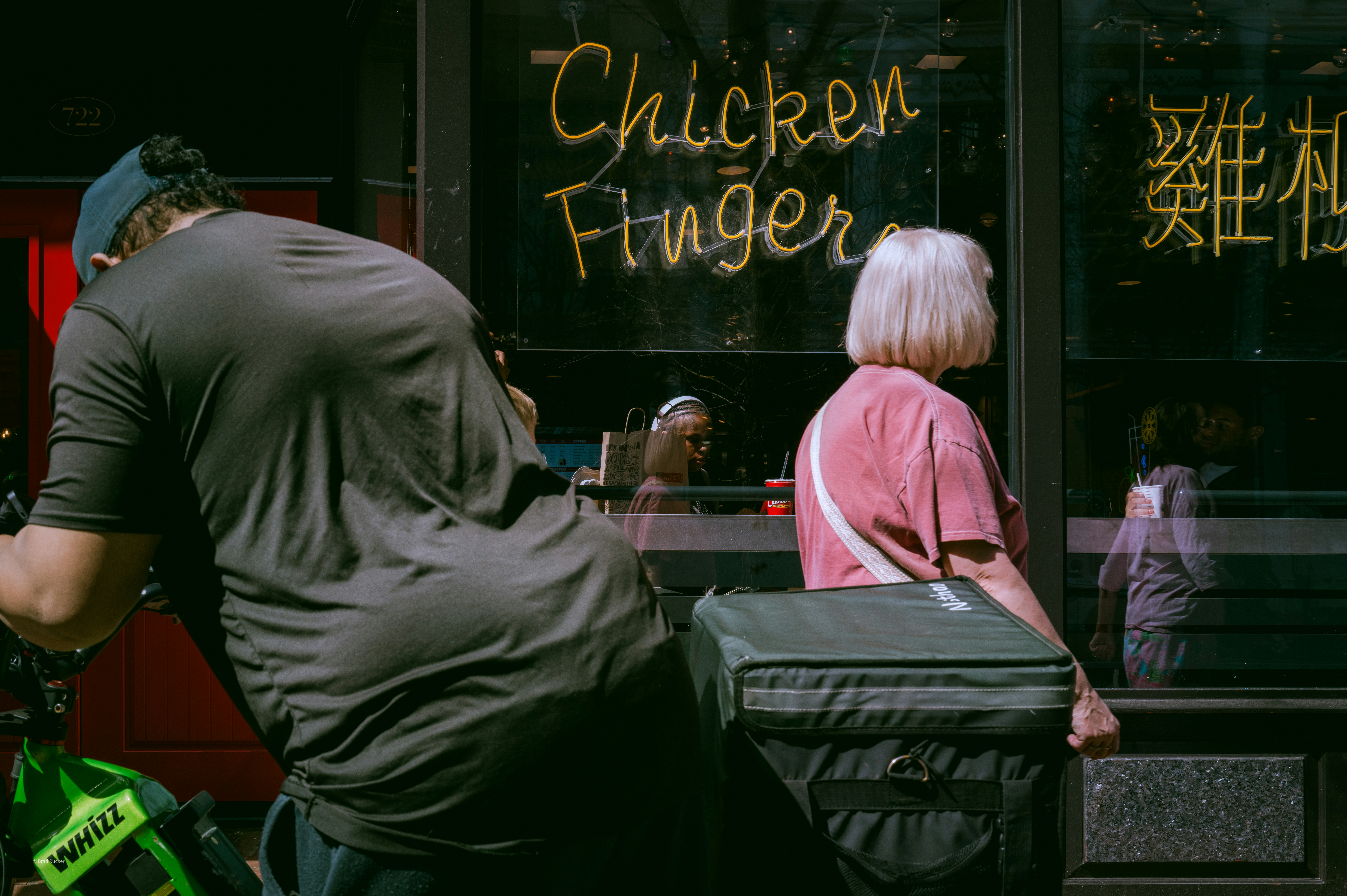
Raising Cane’s opens a 16,000-square-foot flagship by Intuit Dome in Inglewood, blending spectacle and throughput as the chain accelerates global expansion.
Jun 18, 2026

Restaurants race to modernize POS as mobile wallets surge, cloud adoption grows, drive-thru integrations expand, and costs and interoperability shape strategic selection.
Jun 18, 2026
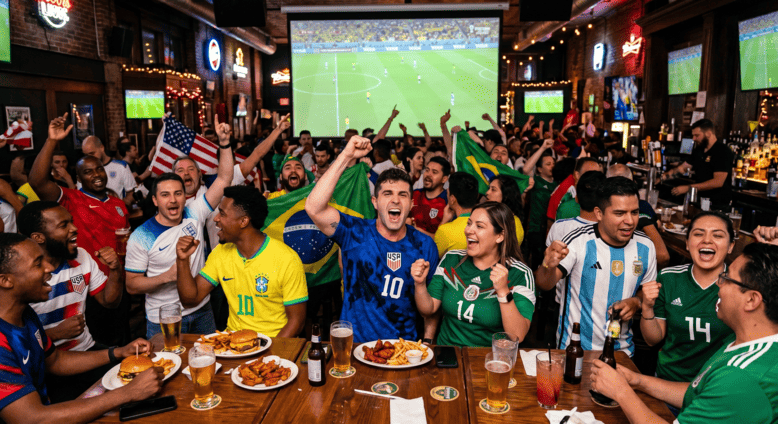
Boost restaurant revenue during FIFA World Cup 2026 with proven promotion ideas, marketing strategies, staffing tips, and match-day sales tactics.
Jun 18, 2026
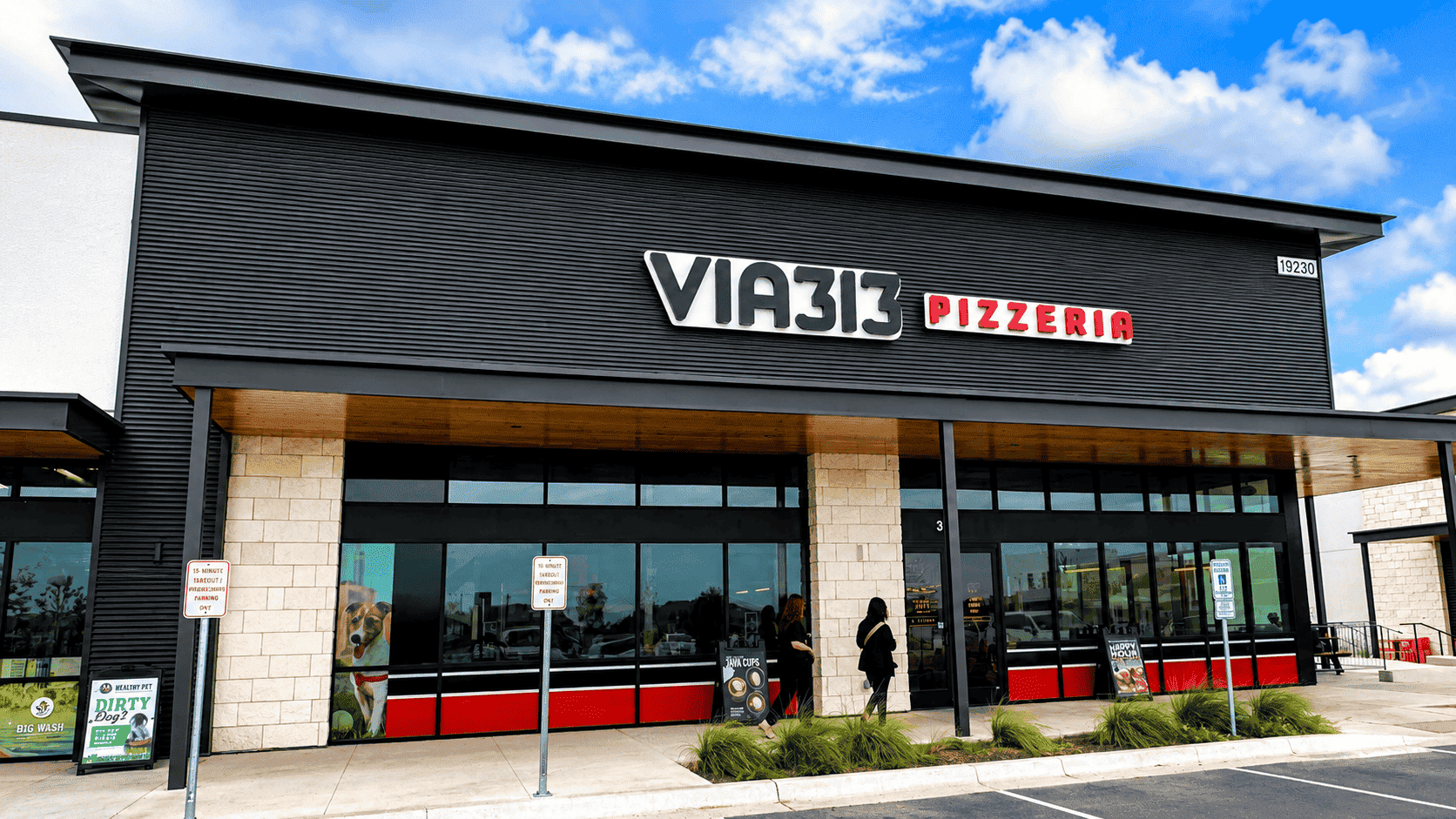
Discover how Via 313 and Terry Black’s Barbecue are fusing barbecue flavors and Detroit-style pizza in a bold Texas collaboration. Learn what this means for trend-focused restaurant operators.
Jun 18, 2026
FAT Brands' $595M asset sale marks a seismic shift in the restaurant world. Discover what this landmark bankruptcy outcome means for owners, franchisees, and the future of franchised dining brands.
Jun 18, 2026

Explore best Areas in Chicago to open a restaurant by matching neighborhood demand, concept type, costs, traffic, and customer behavior.
Jun 17, 2026
Implementing a plan to manage food waste will help the restaurant industry boost its profitability, save money, and streamline operations. Here are the best methods to reduce food waste.
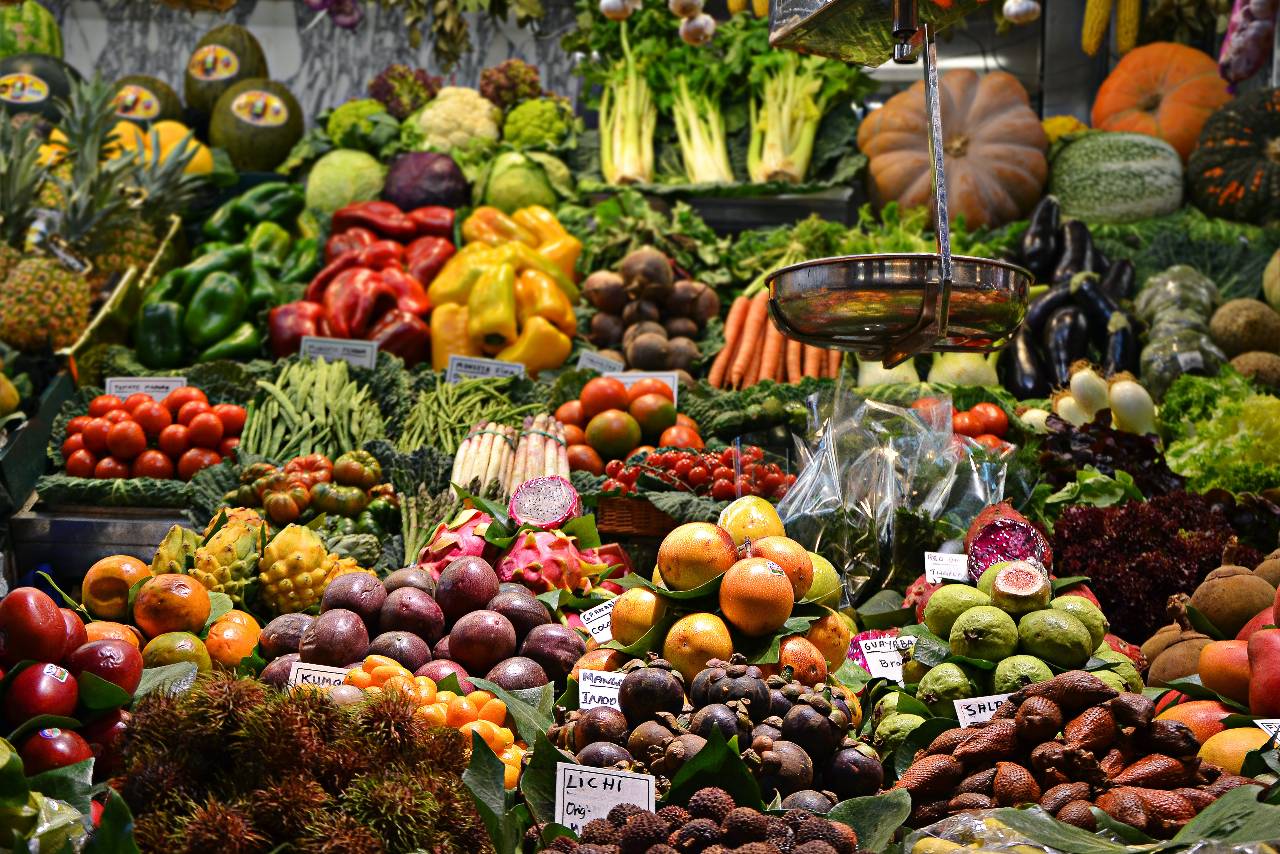
The amount of food waste in America is a crisis. As 42 million people are struggling to secure food for their homes, the restaurant industry is losing 162 billion a year in food waste costs. How can a country have so many impoverished people and still have billions of dollars in wasted food? This disparity demonstrates that solutions are desperately needed. Employing an effective strategy to reduce waste will increase profitability, streamline workflows, and save money. Read ahead to learn how food is going bad, how waste causes financial harm and what the best practices are to use food strategically.
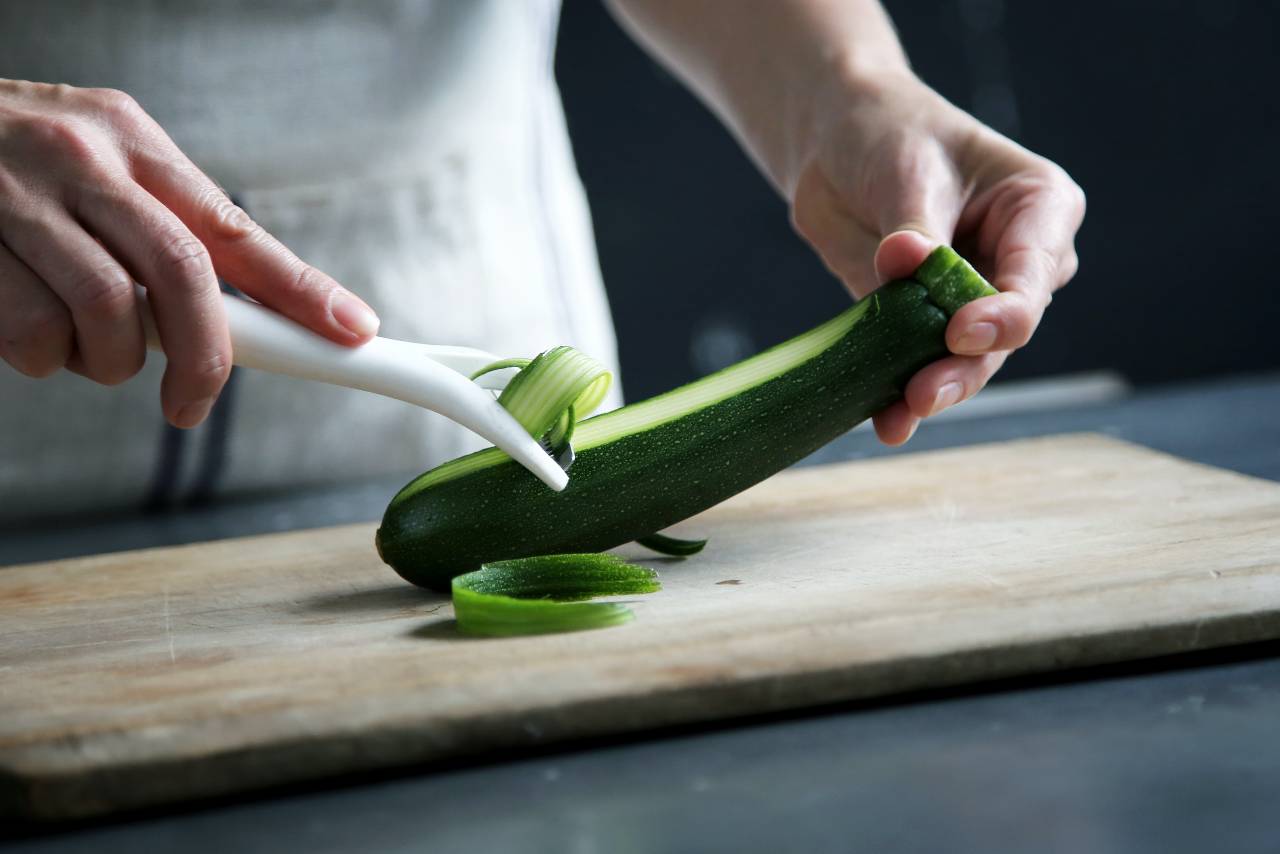
Food waste causes immense financial disruption to the restaurant industry and society at large. In 2010, the Department of Agriculture found that retail and consumer food loss constituted 31% of the food supply. This is equivalent to 133 billion pounds of food at approximately 162 billion dollars. A single restaurant will throw away approximately 25-75,000 pounds of food per year. A grocery store can also throw away unused items after a given time period. If only one diner or grocery store wastes this amount of food, consider the waste in all of the restaurants across the United States. Because of growing concerns of climate change, greenhouse gas, reducing waste, and the quality of food produced, many people care deeply about the way diners approach food loss. Unfortunately, many restaurants have not been able to manage the problem as 218 billion every year is misspent on growing, processing, and delivering uneaten food. Experts estimate that roughly 85% of unused food is tossed out and only a small percentage of it is donated to a food bank. If a diners realized the cost savings available when they waste less, they may squirm a bit more at this statistic. Studies demonstrate that restaurants can save 8 dollars for every dollar invested in food waste reduction. To run a profitable restaurant, owners should make sure to keep food costs between 28-35% of revenue. The more they waste food, the harder it is to grow and remain profitable. Restaurants who take action to reduce food waste will reduce the number of food-insecure Americans, increase profitability, and generate growth opportunities.
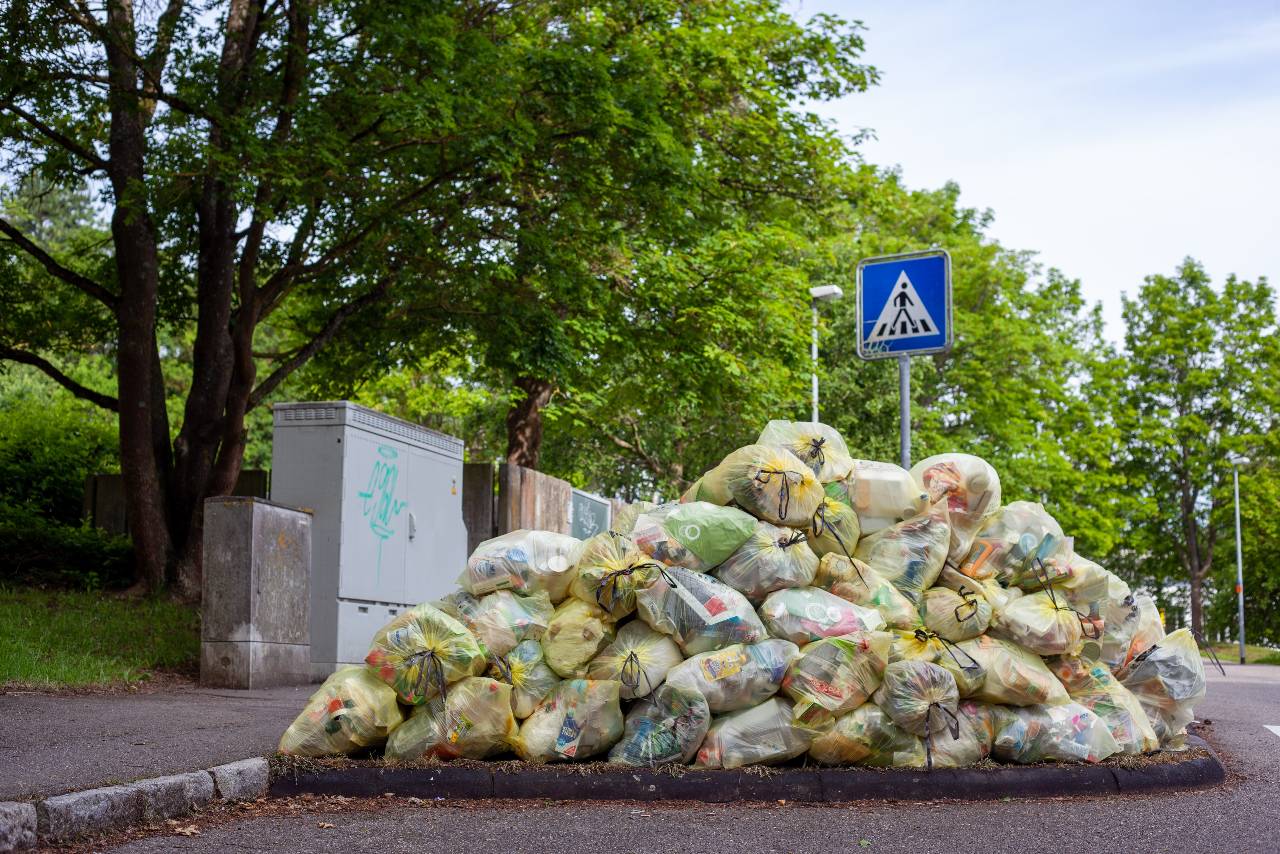
Because food waste causes so much social and financial damage, restaurants need to employ strategies to resolve the problem. Here is how to get creative to help reduce waste - 1. Conduct an Audit A waste audit will help to know exactly how much food is tossed as a result of current policies and what cost savings opportunities exist. To conduct an audit, the restaurant will have to sort out trash and food scraps into categories before it's picked up. These categories include-

Here are the key takeaways to remember about tips reducing food waste -