Taco Bell Franchise Expansion in Midwest
Southpaw adds 43 Ohio Taco Bell restaurants to its impressive portfolio, highlighting franchise growth and strengthening the Midwest QSR landscape.
news
Jun 26, 2026
Southpaw adds 43 Ohio Taco Bell restaurants to its impressive portfolio, highlighting franchise growth and strengthening the Midwest QSR landscape.
Jun 26, 2026
Discover how Cicis Pizza's rewards program skyrocketed to over one million members in under a year, driving customer engagement and retention. See the lessons for restaurant loyalty programs.
Jun 26, 2026
Darden Restaurants surpassed $13 billion in sales, fueled by robust performance at LongHorn Steakhouse and innovative menu changes at Olive Garden. Explore the strategies driving this industry giant’s continued dominance.
Jun 26, 2026
The fallout of Pizza Hut's mandated AI delivery system rollout has ignited a $100 million lawsuit from a leading franchisee, highlighting crucial franchisor-franchisee lessons for all restaurant owners.
Jun 26, 2026
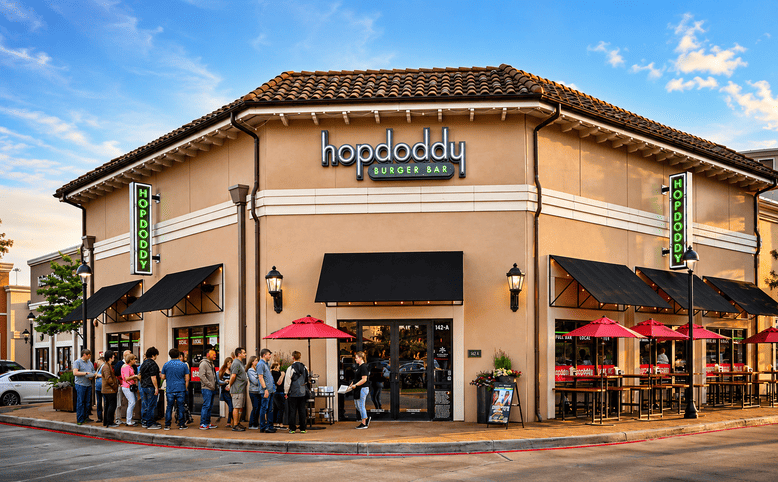
Founders Table Restaurant Group acquires fast-casual leader Hopdoddy Burger Bar, expanding its reach to over 200 restaurants and accelerating operational growth across the platform.
Jun 25, 2026
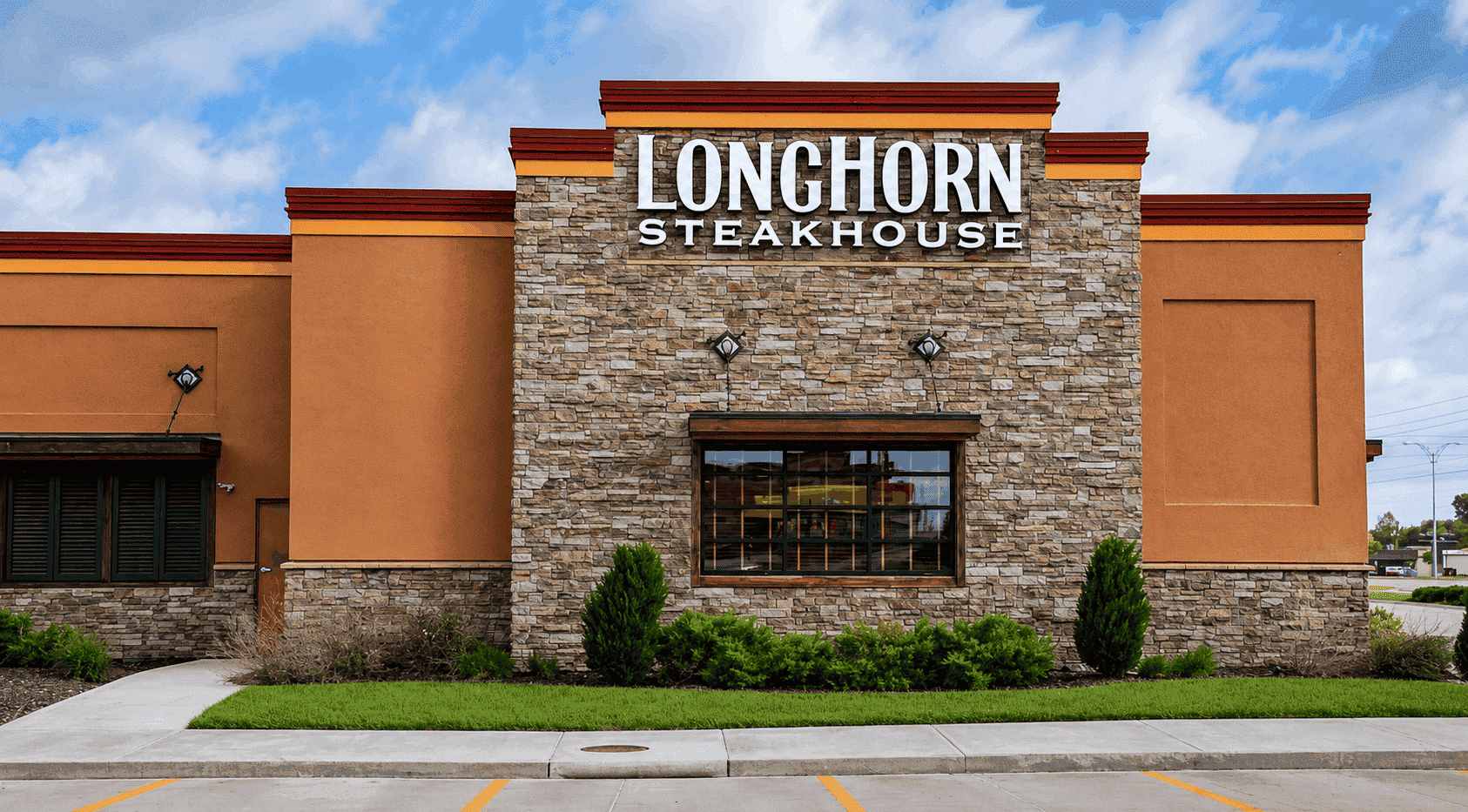
LongHorn Steakhouse surpassed $1 billion in quarterly sales for the first time, driven by strong value perception and menu innovation. Restaurant leaders can draw key lessons for thriving when consumer price sensitivity is high.
Jun 25, 2026
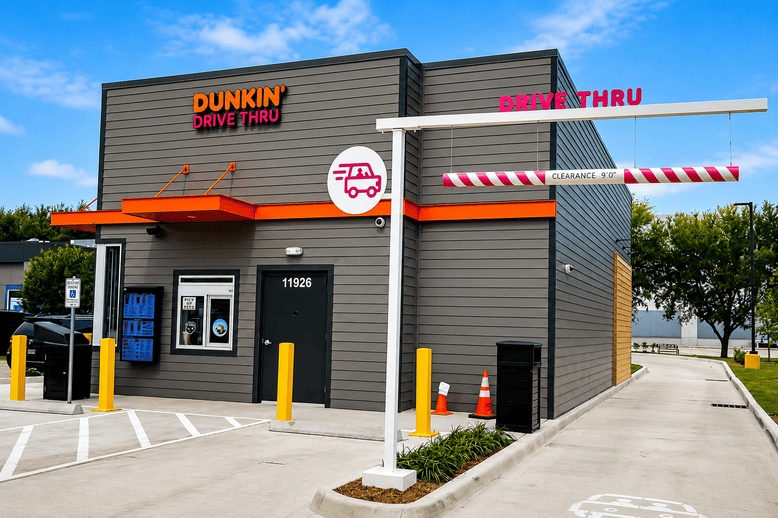
Inspire Brands is preparing for an IPO aiming for a $20B valuation. Discover how giants like Arby’s, Sonic, and Dunkin’ are performing as part of this dynamic portfolio.
Jun 25, 2026
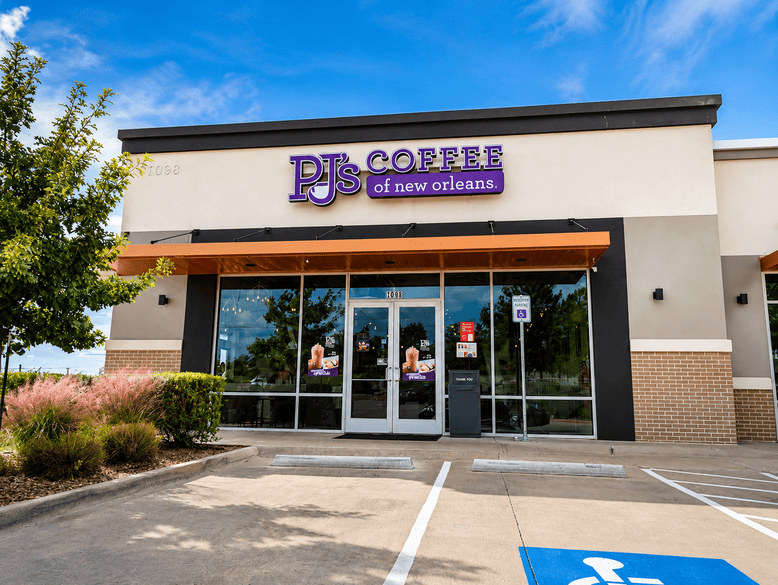
Estepp Energy, known for multi-unit brands like Little Caesars, is adding PJ's Coffee to its Kentucky convenience stores, marking a strategic expansion into specialty coffee.
Jun 24, 2026
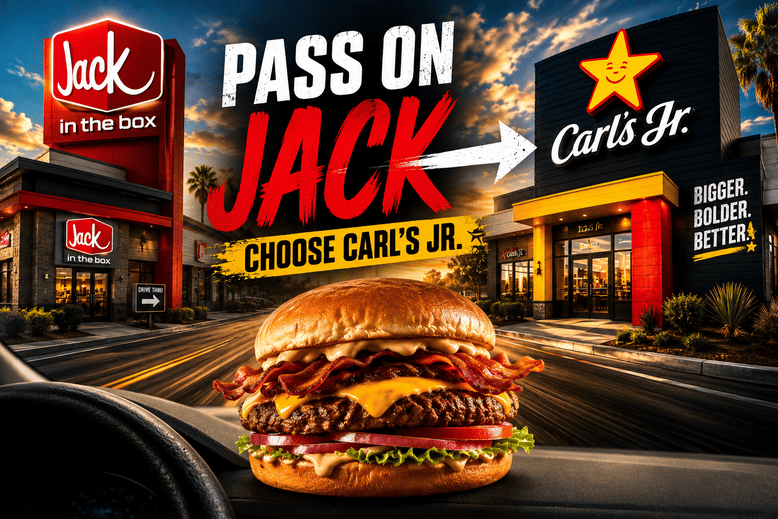
Carl's Jr. has launched a "Pass on Jack" marketing campaign rewarding loyalty members with a free Sourdough Star burger for driving past a Jack in the Box to reach a Carl's Jr. location- a direct shot at its California-based burger rival.
Jun 24, 2026
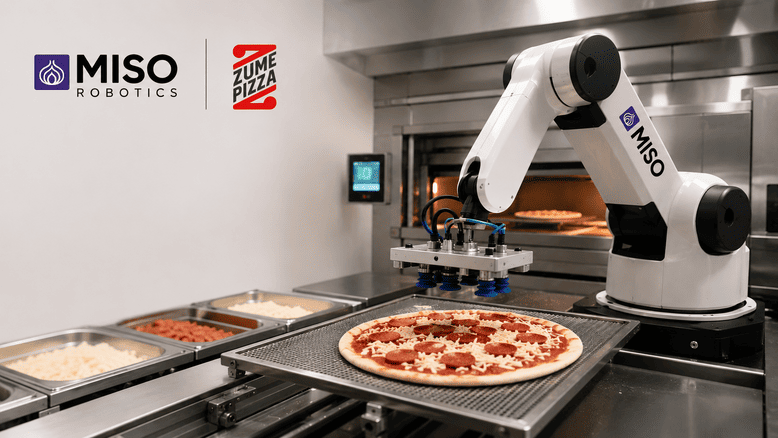
Miso Robotics has acquired Zume Pizza’s technology deck, giving new life to pizza automation and food robotics for forward-thinking restaurant operators.
Jun 24, 2026
Use AI to forecast demand, build smarter schedules, reduce overtime risk, improve coverage by daypart, and keep managers in control.
Using AI for labor planning means using software (or an AI assistant) to make staffing decisions faster and more consistent by learning from your restaurant's real operating patterns. In practice, AI usually helps in two main ways. Predictive (analytics) AI reviews historical trends and current inputs to forecast demand and recommend labor. For example, it can estimate sales by daypart, suggest needed labor hours, and flag risks like overtime exposure or weak coverage during peak windows.Generative AI helps with drafting and communication. It can create a first-pass schedule template, produce a staffing plan for tomorrow, write shift notes, or summarize what changed week over week and what to look at next. AI is most valuable when it turns scattered signals into clear actions. It can combine sales trends, channel mix, promos, reservations, and call-out patterns into a staffing recommendation you can review quickly. It also helps standardize decisions across managers and locations by providing a consistent starting point. But AI has limits. It should not be the final authority on pay, compliance, or fairness. Break rules, minor restrictions, overtime thresholds, and role qualifications still require human review. A simple rule keeps it safe - AI recommends; managers approve.

Most labor problems in restaurants come from the same challenge - demand changes constantly, but schedules are built in advance with limited time and imperfect information. AI helps by turning your past patterns and today's inputs into clearer decisions, so you're not relying on gut feel alone. 1) Staffing the right coverage at the right times. One of the biggest issues isn't "too many people" or "not enough people" overall - it's being staffed wrong by daypart and station. You can be fully staffed on paper and still struggle if the line is short a person during a rush, or if you have too many closers and not enough prep support. AI helps identify where coverage is thin based on historical peaks, channel mix (dine-in vs delivery), and operational signals like ticket-time spikes. This makes it easier to build schedules that match how the restaurant actually gets busy. 2) Controlling labor cost without hurting service. Labor is often controlled by blunt cuts - removing hours to hit a target - then paying for it later in slower service, lower guest satisfaction, and manager burnout. AI improves this by recommending smarter adjustments - shifting hours to the most critical windows, building labor plans around forecasted demand, and highlighting the smallest changes that protect both labor % and throughput. It's not just "cut hours," it's "move the right role to the right hour." 3) Reducing overtime, premiums, and avoidable labor leakage. Overtime creep usually happens quietly - small schedule edits, coverage adds, someone staying late to finish prep, or a few long shifts stacking up. AI can flag overtime risk early, show which employees are trending over their hour limits, and suggest swaps or shift changes before it becomes a payroll problem. The same idea applies to other labor leakage - missed breaks, avoidable premiums, and patterns that repeat because no one sees them clearly. 4) Cutting schedule chaos and last-minute changes. Schedule instability creates real operational drag - more call-outs, more manager time spent patching holes, and more inconsistent service. AI helps you build schedules that are more resilient by planning for predictable spikes, setting role minimums, and identifying weak points before the schedule goes live. It can also help managers respond faster when things change by offering a clear "if sales are up/down X%, here's what to do" playbook. 5) Making staffing decisions consistent across managers and locations. Two managers can look at the same week and build totally different schedules - different staffing levels, different role mix, different assumptions. AI helps standardize the starting point by using consistent targets, rules, and forecast logic. That doesn't remove manager judgment, but it makes your labor approach more repeatable, which is especially important if you operate multiple locations or you're training newer leaders. At a high level, AI works best when you treat it like a system for answering three daily questions - (1) How busy will we be? (2) What coverage do we need by role and hour? (3) What risks are we creating if we staff this way?
AI is most useful when you apply it to repeatable decisions that managers make every week (or every day). Instead of trying to "AI everything," start with the labor scenarios that create the biggest cost and service problems when they go wrong. 1) Forecasting demand by daypart. AI can turn your historical POS patterns into a practical forecast by hour or daypart - especially when you add context like promotions, holidays, local events, and seasonality. The output you want is simple - when you'll be busy, how busy, and which channels will drive it (dine-in, takeout, delivery, catering). Once you have that, labor planning becomes more about coverage design than guesswork. 2) Building a first-pass schedule. One of the best uses of AI is creating a strong "schedule draft" that a manager can review and adjust. A useful draft considers - - required roles by shift (prep, line, expo, cashier, runner, etc.) - employee availability and hour limits - skill mix (who can run a station solo, who needs support) - opening and closing coverage needs AI doesn't need to be perfect to save time - if it gets you 70-80% of the way there, managers can focus on the hard parts instead of starting from scratch. 3) Finding coverage gaps. AI can highlight "thin spots" you might miss during schedule building, like - - a lunch rush with not enough line coverage - no designated backup for a high-traffic station - a closing shift missing a key role - prep labor not aligned with projected volume This is where AI acts like a checker, it doesn't just create a schedule - it pressure-tests it. 4) Flagging overtime and premium risk early. Overtime and premium pay usually isn't caused by one big mistake. It's the result of small decisions stacking up. AI can identify - - employees trending toward overtime based on assigned hours - shifts likely to run long based on historical close times - risky scheduling patterns (back-to-back long shifts, not enough buffer) Even if your AI tool doesn't know local labor laws perfectly, it can still flag "risk patterns" that a manager should review. 5) Explaining labor variance. Variance reports often tell you what happened, but not why. AI can summarize - - what changed vs last week (sales, transactions, channel mix, hours) - where labor drifted (specific hours/dayparts) - the likely drivers (schedule changes, call-outs, extended close, unexpected rush) - what to adjust next time (shift start times, role mix, prep allocation) This turns variance into coaching, not just reporting. 6) Making better real-time add/cut decisions during the shift When sales swing, managers often overreact - cut too much too fast, or add labor too late. AI helps by giving you a simple playbook - - If sales are down 10-15%. what positions can flex without breaking service? - If sales are up 10-15%. which role adds protect speed and accuracy fastest? - What tasks should be prioritized if you're short-staffed? The value is speed - fewer panicked decisions, more consistent moves. If you want AI to actually improve labor performance, focus on these scenarios first - forecasting, first-pass schedules, gap detection, risk flags, variance explanations, and in-shift adjustments. These are the areas where small improvements compound week after week.

The easiest way to make AI useful (and avoid chaos) is to plug it into the process you already follow - rather than trying to rebuild scheduling from scratch. Think of AI as a "first draft + risk checker + explanation tool" that runs every week on the same rhythm. 1) Start with one workflow, not everything. Pick one scheduling workflow to improve first, such as - - Weekly schedule build (most common starting point) - Daily staffing plan for tomorrow (useful for high-variability stores) - Midweek schedule tune-up (reduce overtime and coverage gaps before the weekend) Starting small makes it easier to measure impact and train managers consistently. 2) Create a standard "inputs packet" AI uses every time. AI outputs are only as good as the information you give it. Build a simple packet that you reuse weekly, such as - - Sales forecast by day and hour/daypart (or last 4-8 weeks trends if forecasting is limited) - Labor targets (labor % goal or hours budget by day) - Role/station requirements (minimum coverage by daypart and open/close needs) - Employee availability + constraints (max hours, requested days off, role skills) - Non-negotiables (no solo station coverage, required managers on shift, training shifts, etc.) Keep this packet consistent so your schedules get more accurate over time. 3) Decide what "good output" looks like before you run AI. Don't just ask AI to "make a schedule." Tell it the format you want, for example - - a schedule table by day with roles + start/end times - a short section called Coverage Risks (thin windows, missing roles) - a short section called Cost Risks (overtime exposure, high labor hours) - a list of recommended edits (what to change and why) - a list of questions where data is missing (availability gaps, unclear roles) This keeps the result usable for managers who are busy. 4) Make AI draft first, then manager reviews and finalizes. A practical workflow looks like this - - AI creates the first-pass schedule - Manager checks coverage minimums and skill mix - Manager checks hour limits and potential overtime - Manager sanity-checks open/close and known events - Schedule is posted, then tracked against actuals The manager review step is what prevents "AI schedules that look fine on paper" but fail in real life. 5) Add a quick "post-week feedback loop" so schedules improve. At the end of each week, capture 3-5 quick notes that improve the next schedule - - Which shifts felt short-staffed (and why)? - Where did we overstaff? - Where did closes run long? - What call-out patterns happened? - What dayparts had unexpected demand? Feed those notes into the next scheduling cycle so AI recommendations get closer to how your store actually runs. When AI is added this way - standard inputs, clear outputs, manager review, and weekly feedback - it becomes a repeatable scheduling assistant instead of a one-off experiment.
If you're using a general AI assistant (instead of a built-in AI feature inside scheduling software), the difference between "okay" results and "actually useful" results is the prompt. The goal is to make your prompts repeatable, so managers can use them every week without rewriting everything. Template 1. Weekly schedule "first draft" builder Use when - you want a starting schedule you can edit. Prompt - - You are my restaurant labor planner. Build a first-pass weekly schedule that balances coverage and labor targets. - Restaurant details. [concept/type], hours. [hours], peak dayparts. [lunch/dinner/late night]. - Roles needed by daypart. [list roles + minimum coverage]. - Labor target. [labor % goal or total hours budget] and max OT. [rules]. - Employee list with availability/skills/max hours. [paste]. - Forecast by day/daypart or hour. [paste]. Output - - Schedule table by day (role, employee, start/end) - Coverage risks (thin windows, missing roles) - Cost risks (OT, too many hours vs target) - Suggested edits to fix risks - Assumptions + questions Template 2. Tomorrow's staffing plan by daypart Use when - you're planning a single day and want a practical coverage plan. Prompt - - Create tomorrow's staffing plan for [date]. - Forecast. [sales/transactions by hour or daypart + channel mix]. - Known demand drivers. [promo, event, catering, reservations]. - Team available tomorrow. [names + roles + time windows]. - Non-negotiables. [manager coverage, role minimums, break constraints]. Output - - Staffing plan by daypart (who is on, what role, what time) - Rush coverage plan (what positions protect speed/accuracy) - "If demand is up/down 10%" adjustment plan - Risks + questions Template 3. "What should I change right now?" Use when - sales are trending off plan during service. Prompt - - I'm managing a shift right now. Based on the info below, tell me what labor changes to make in the next 30-60 minutes. - Current sales vs plan. [up/down %], current order volume. [number], current ticket times. [x], staffing on the floor. [roles + headcount]. - Constraints - no OT, keep at least [role minimums], protect speed of service. Output - - 3 recommended actions in priority order - What to watch for in the next 15 minutes - If conditions worsen/improve, the next move Template 4. Labor variance explanation Use when - you need a quick, usable "why" behind labor % and hours. Prompt - - Explain this week's labor variance like you're writing a manager recap. - Planned vs actual. sales [x vs y], labor hours [x vs y], labor % [x vs y]. - Notes, [call-outs, events, promos, training shifts, equipment issues]. Output - - Top 3 drivers of variance - What to change next week (specific schedule adjustments) - What to monitor daily to prevent repeat issues Tips to keep prompts accurate and consistent - Always include roles, minimum coverage, and labor targets (otherwise results are generic) - Ask for assumptions + questions so you can correct missing info - Use the same "inputs packet" each week (forecast, availability, role rules) - Require a table + risk list + recommendations so it's actionable These templates are designed to save manager time while keeping humans in control of the final schedule.
AI can only optimize labor if it has the right signals. When your systems are connected - or at least your data is organized - AI can make recommendations that actually reflect how your restaurant runs. When data is missing or messy, AI outputs will feel generic, inconsistent, or wrong. 1) Scheduling + timekeeping. These systems tell AI what staffing is realistically possible and what risks you're creating. - Employee availability, role assignments, and skill levels - Scheduled hours vs actual punches - Early/late clock trends (who regularly runs long) - Overtime build-up (weekly hour totals and patterns) - Time-off requests and shift swaps Why it matters - AI needs constraints (availability, max hours, role eligibility) to build schedules you can actually use. 2) POS data (what demand really looks like). Your POS is the main demand signal for labor planning. - Hourly sales and transactions - Check counts and average check - Channel mix (dine-in, takeout, delivery, catering) - Item mix that changes labor load (high-modifier items, prep-heavy items, drink-heavy shifts) Why it matters - Two days with the same sales can require different staffing if the channel and item mix are different. 3) Kitchen throughput signals. If you have them, operational signals make labor planning smarter than just "sales-based." - KDS ticket times by daypart - Order volume spikes and bottleneck windows - Production load (prep-heavy vs assemble-heavy periods) Why it matters - Staffing decisions should protect throughput, not just hit a labor %. 4) Labor targets and operating standards. AI needs a clear definition of what "good coverage" means in your restaurant. - Labor % targets or hours budgets (by day or week) - Minimum staffing by station and daypart - Open/close staffing standards and task expectations - Training coverage rules (who can't be scheduled solo, training labor assumptions) Why it matters - Without standards, AI defaults to vague recommendations that don't match your operations. 5) Demand drivers you already know will change traffic. Even basic context improves recommendations. - Promotions and limited-time offers - Catering orders and large reservations - Local events, school calendars, seasonal patterns - Weather impacts (if you track it or it reliably affects your store) Why it matters - These factors explain why "last Tuesday" isn't the right comparison for "this Tuesday." 6) Data hygiene. Small data issues create big scheduling problems. - Clean job codes and role definitions - Consistent station naming across locations - Accurate employee profiles (skills, eligibility, certifications) - Updated hour limits and availability - Correct POS categories and consistent reporting periods Why it matters - If roles and categories are inconsistent, AI can't learn patterns or make reliable recommendations. 7) Keep one "single source of truth" for rules and targets. Even if your systems aren't fully integrated, you can still get strong results by documenting - - role minimums - labor targets - non-negotiables (coverage rules, max hours, key positions) - operational assumptions (prep needs, close duration) Why it matters - When managers use the same rules and targets, AI outputs stay consistent - and you avoid "every manager does it differently." If you want AI to produce schedules that feel real, focus first on having reliable inputs from scheduling/timekeeping and POS, then add throughput and demand drivers as you mature the process.