Taco Bell Franchise Expansion in Midwest
Southpaw adds 43 Ohio Taco Bell restaurants to its impressive portfolio, highlighting franchise growth and strengthening the Midwest QSR landscape.
news
Jun 26, 2026
Southpaw adds 43 Ohio Taco Bell restaurants to its impressive portfolio, highlighting franchise growth and strengthening the Midwest QSR landscape.
Jun 26, 2026
Discover how Cicis Pizza's rewards program skyrocketed to over one million members in under a year, driving customer engagement and retention. See the lessons for restaurant loyalty programs.
Jun 26, 2026
Darden Restaurants surpassed $13 billion in sales, fueled by robust performance at LongHorn Steakhouse and innovative menu changes at Olive Garden. Explore the strategies driving this industry giant’s continued dominance.
Jun 26, 2026
The fallout of Pizza Hut's mandated AI delivery system rollout has ignited a $100 million lawsuit from a leading franchisee, highlighting crucial franchisor-franchisee lessons for all restaurant owners.
Jun 26, 2026
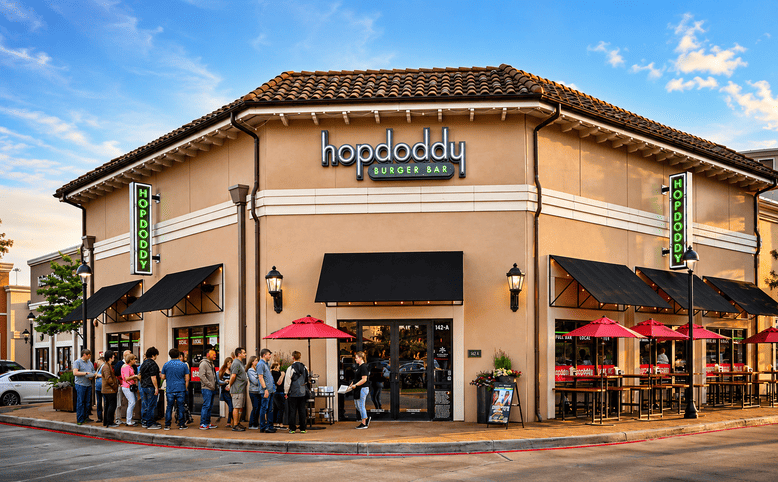
Founders Table Restaurant Group acquires fast-casual leader Hopdoddy Burger Bar, expanding its reach to over 200 restaurants and accelerating operational growth across the platform.
Jun 25, 2026
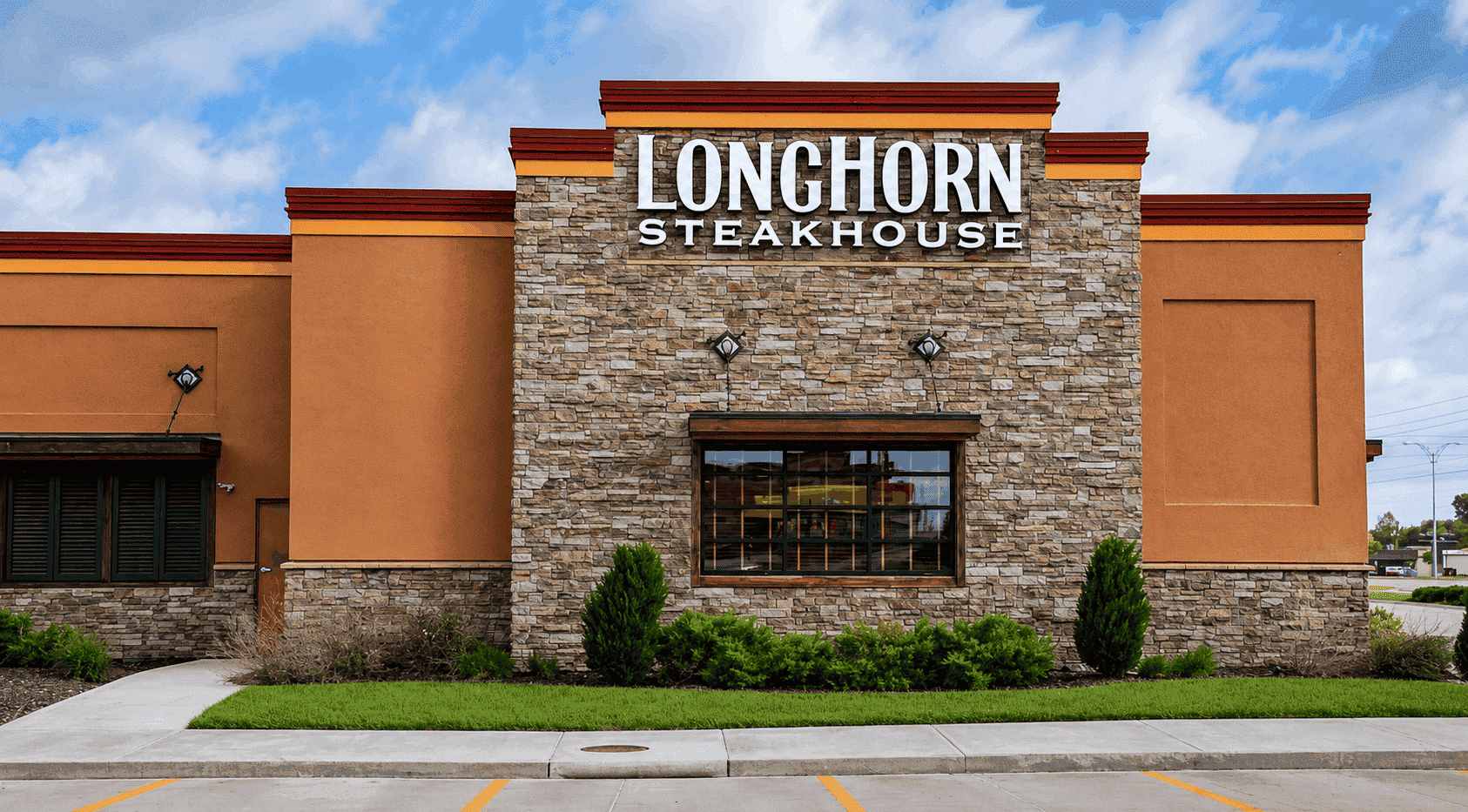
LongHorn Steakhouse surpassed $1 billion in quarterly sales for the first time, driven by strong value perception and menu innovation. Restaurant leaders can draw key lessons for thriving when consumer price sensitivity is high.
Jun 25, 2026
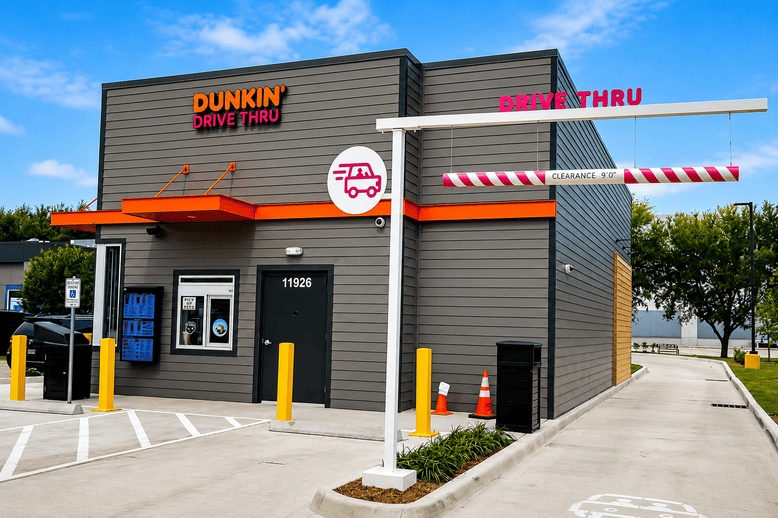
Inspire Brands is preparing for an IPO aiming for a $20B valuation. Discover how giants like Arby’s, Sonic, and Dunkin’ are performing as part of this dynamic portfolio.
Jun 25, 2026
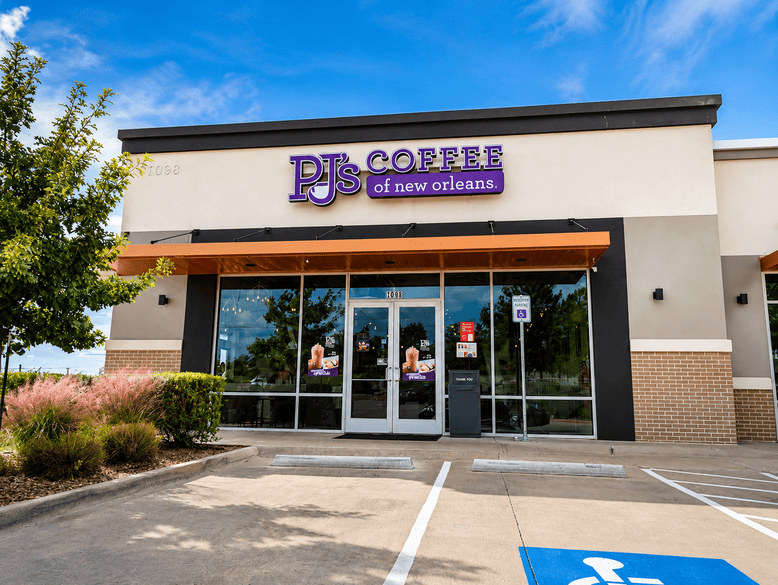
Estepp Energy, known for multi-unit brands like Little Caesars, is adding PJ's Coffee to its Kentucky convenience stores, marking a strategic expansion into specialty coffee.
Jun 24, 2026
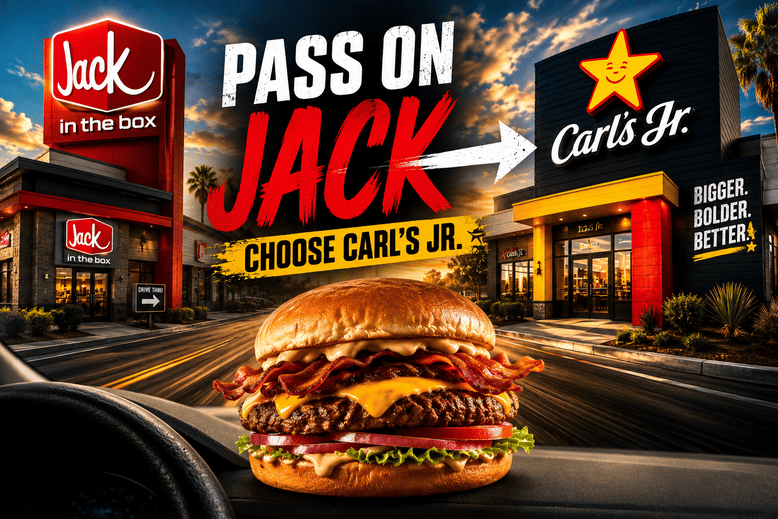
Carl's Jr. has launched a "Pass on Jack" marketing campaign rewarding loyalty members with a free Sourdough Star burger for driving past a Jack in the Box to reach a Carl's Jr. location- a direct shot at its California-based burger rival.
Jun 24, 2026
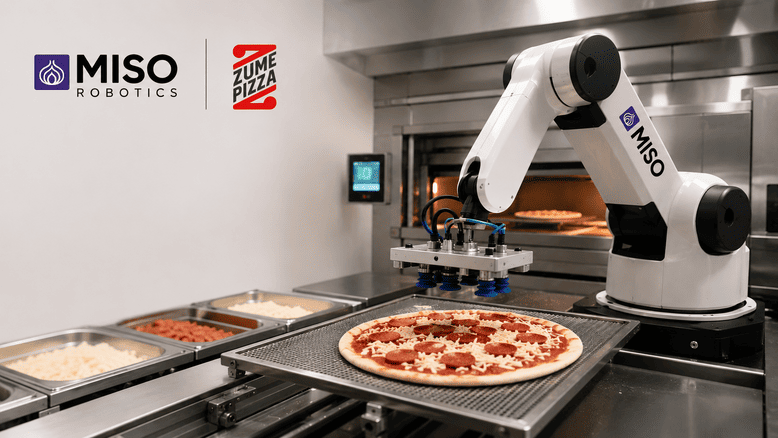
Miso Robotics has acquired Zume Pizza’s technology deck, giving new life to pizza automation and food robotics for forward-thinking restaurant operators.
Jun 24, 2026
From LA roots to Nashville openings, JINYA Ramen Bar expands through franchising, partnerships, and a refreshed app that elevates its ramen-first dining.
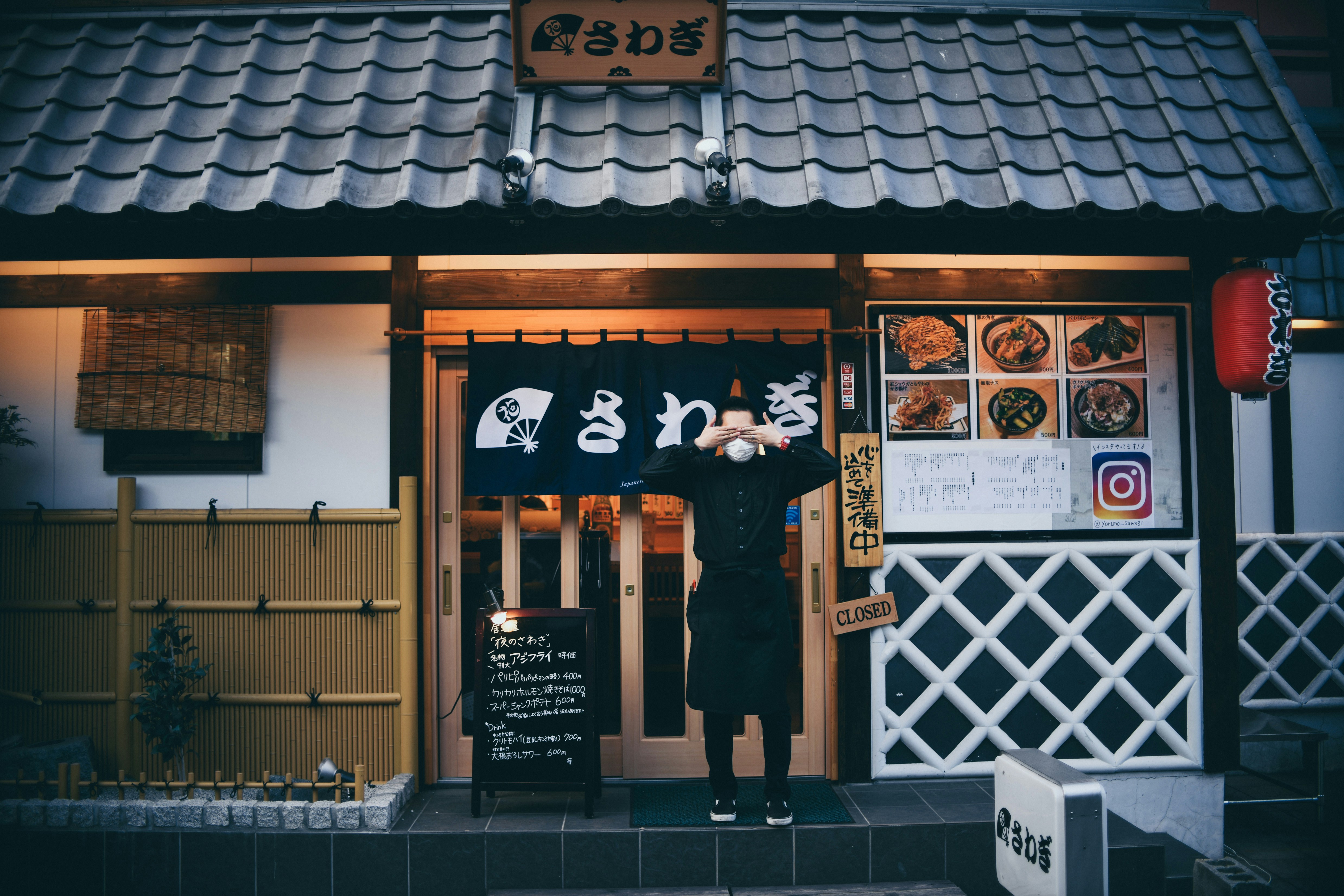
Photo by Emile Guillemot
JINYA Ramen Bar began as a Tokyo-born concept and now sits with its headquarters in Los Angeles, guiding a family of Japanese-inspired concepts under JINYA Holdings Inc. The brand movement feels deliberate, the kind of thoughtful, balanced dining that invites guests to savor both flavor and story. The ramen-first concept sits at the heart of a broader strategy to elevate Japanese dining across North America, where quick service and curated experiences collide. In the late 2010s, the U.S. ramen scene surged into what industry observers branded the ramen wars, a crowded field begging for a clear point of view. This is the moment when expansion becomes a durable growth engine for JINYA.
From the Los Angeles headquarters, JINYA Ramen Bar's trajectory has been shaped by explicit choices, authenticity in the menu, brand-building, and ongoing culinary refinement. The brand sits at the center of a family of Japanese-inspired concepts, each reinforcing a broader aim: elevate Japanese dining in North America without losing the craft's essence. Industry observers note that JINYA's identity is as much about the story behind the broth as the broth itself. In a ramen landscape that prizes speed and spectacle, JINYA has pursued a balance of technique, flavor, and hospitality that feels rooted. This thoughtful philosophy sets the stage for the deliberate expansion that follows.
From the LA hub, the brand's momentum rests on the leadership of founder Tomo Takahashi, whose clear compass has anchored every milestone. He speaks of a “unwavering commitment to quality, innovation, and customer satisfaction.”, a creed the company repeats in media and at the lectern. The strategy has always been to pair authenticity with branding and menu evolution, so guests encounter a consistent ramen-first experience no matter where they dine. That philosophy shows up not only in bowls but in the way new markets are approached, careful, reproducible, and mindful of local curiosity. It's a formula that invites scrutiny yet rewards patience, a hallmark of thoughtful growth.
From the perspective of expansion, Takahashi's philosophy is less a slogan than a practice that shapes a scalable playbook. The brand has consistently attributed its growth to authenticity, brand-building, and menu refinement, delivering a ramen-first menu that resonates beyond novelty. This approach informs a deliberate franchising strategy, with urban markets in mind, Midwest, Northeast, and Southeast, toward the next wave of expansion. The result is a narrative that blends culture with commerce, ensuring that each new shop feels like a calibrated extension of the same core, rather than a break with the brand's roots.