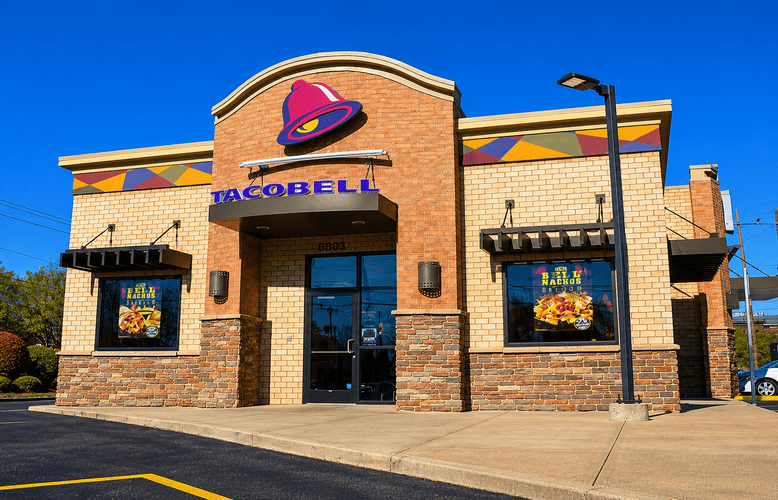
Taco Bell Franchise Expansion in Midwest
Southpaw adds 43 Ohio Taco Bell restaurants to its impressive portfolio, highlighting franchise growth and strengthening the Midwest QSR landscape.
news
Jun 26, 2026
Southpaw adds 43 Ohio Taco Bell restaurants to its impressive portfolio, highlighting franchise growth and strengthening the Midwest QSR landscape.
Jun 26, 2026
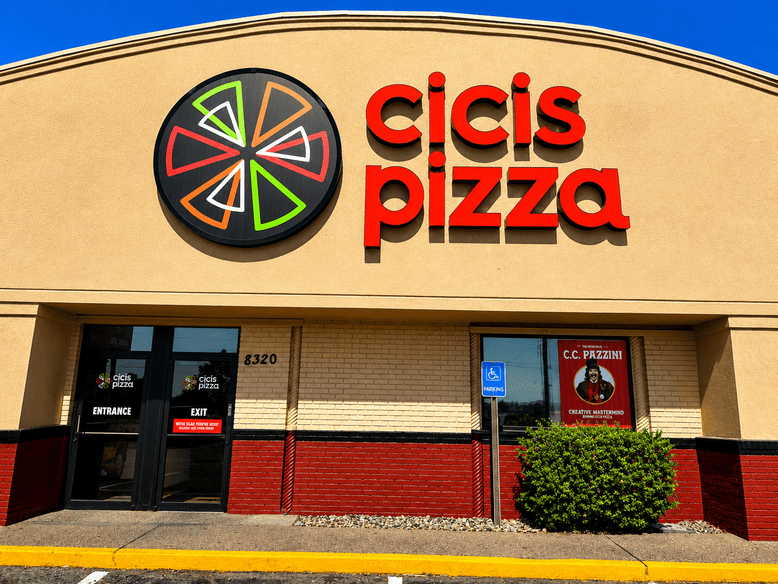
Discover how Cicis Pizza's rewards program skyrocketed to over one million members in under a year, driving customer engagement and retention. See the lessons for restaurant loyalty programs.
Jun 26, 2026
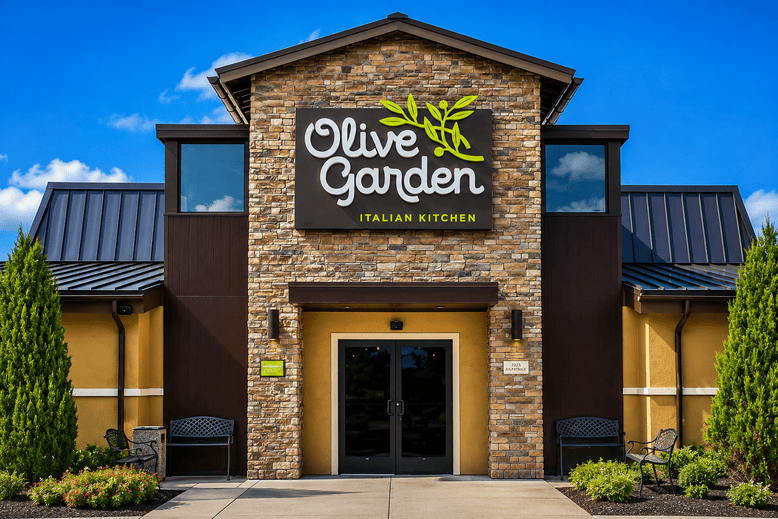
Darden Restaurants surpassed $13 billion in sales, fueled by robust performance at LongHorn Steakhouse and innovative menu changes at Olive Garden. Explore the strategies driving this industry giant’s continued dominance.
Jun 26, 2026
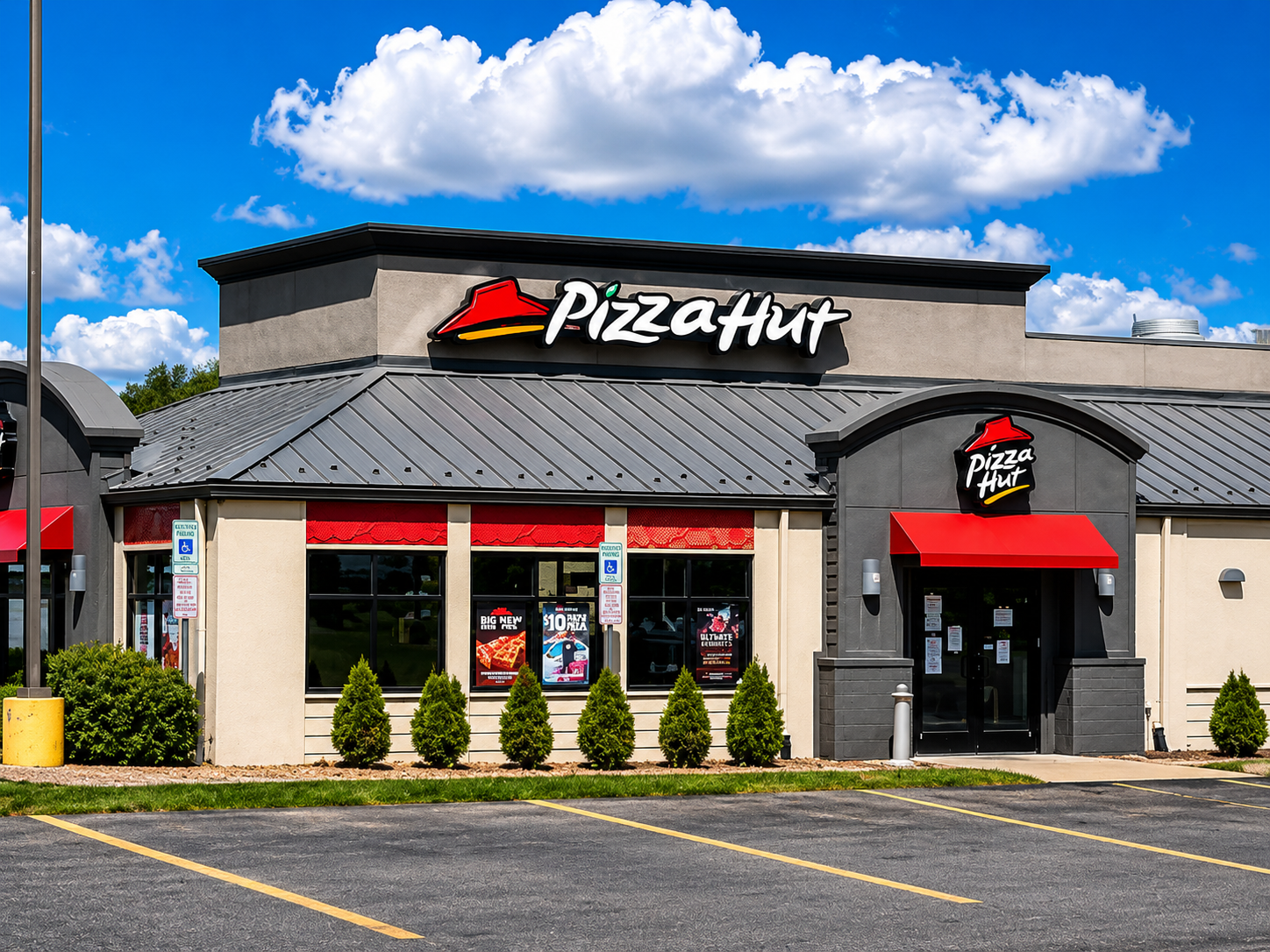
The fallout of Pizza Hut's mandated AI delivery system rollout has ignited a $100 million lawsuit from a leading franchisee, highlighting crucial franchisor-franchisee lessons for all restaurant owners.
Jun 26, 2026
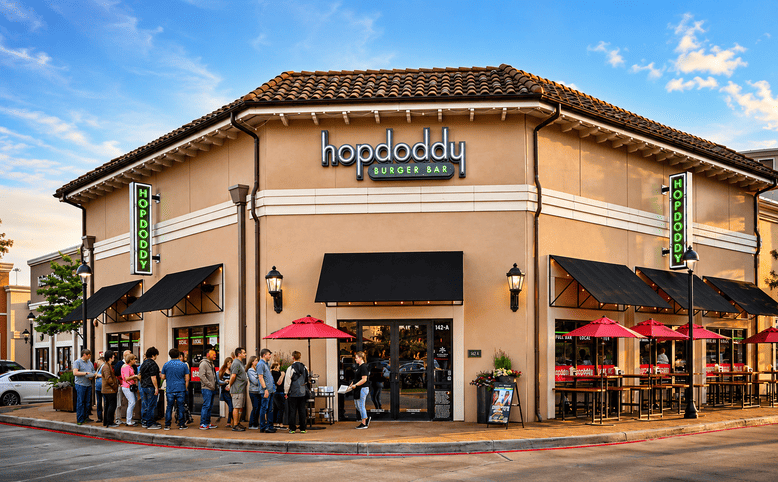
Founders Table Restaurant Group acquires fast-casual leader Hopdoddy Burger Bar, expanding its reach to over 200 restaurants and accelerating operational growth across the platform.
Jun 25, 2026
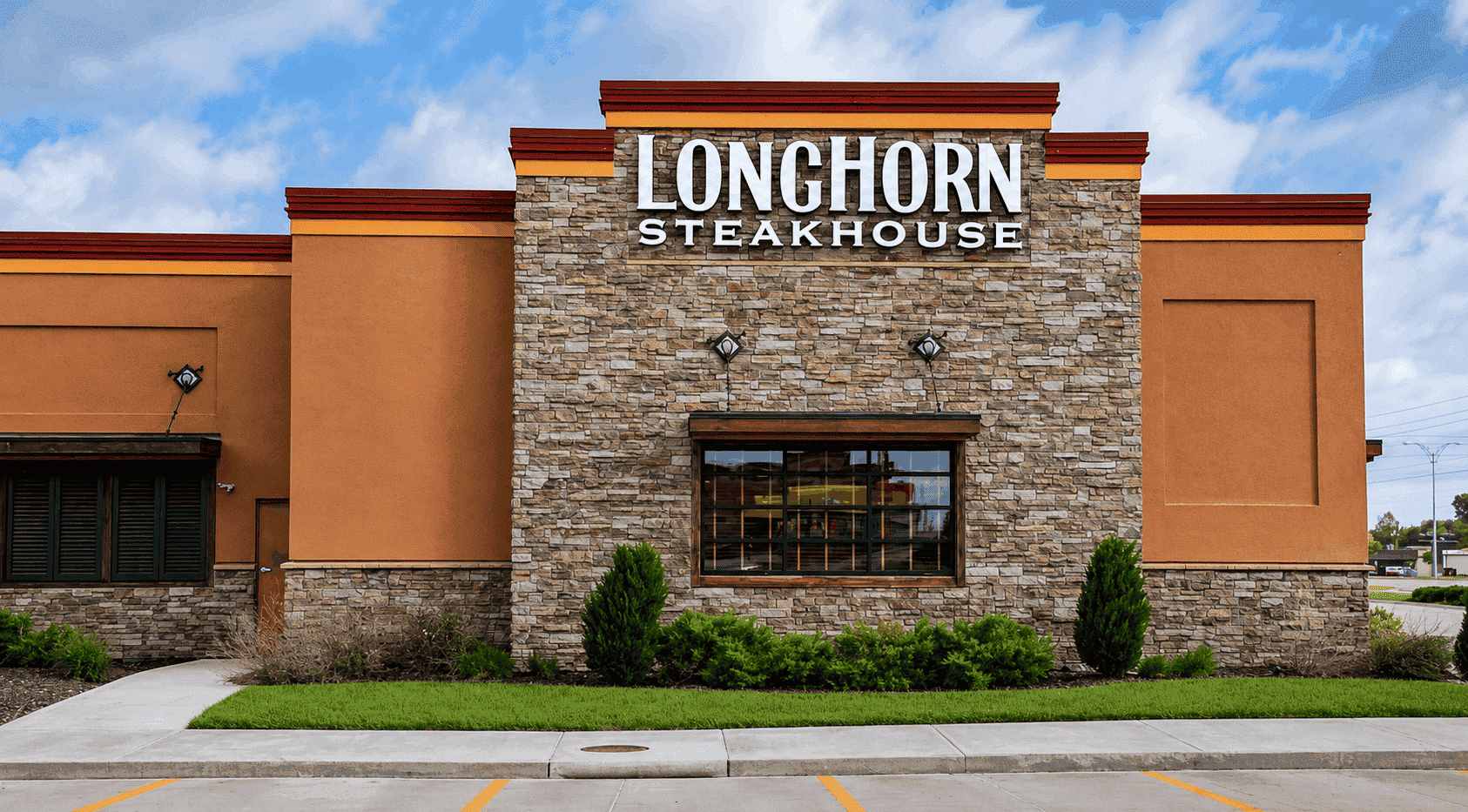
LongHorn Steakhouse surpassed $1 billion in quarterly sales for the first time, driven by strong value perception and menu innovation. Restaurant leaders can draw key lessons for thriving when consumer price sensitivity is high.
Jun 25, 2026
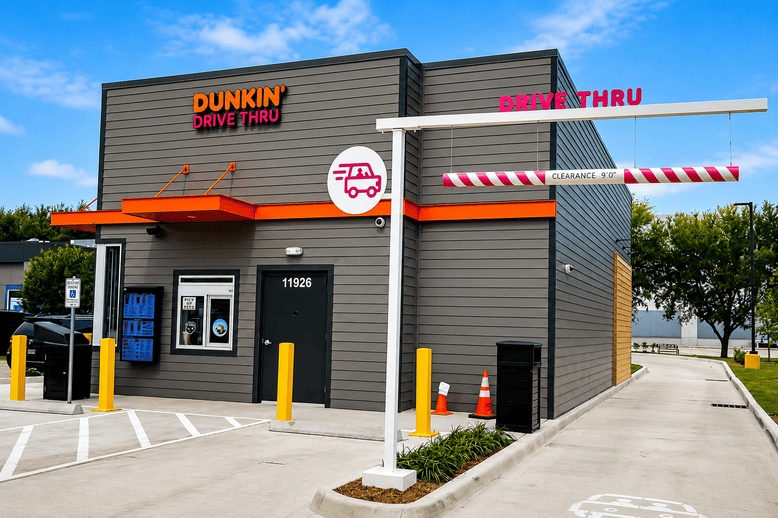
Inspire Brands is preparing for an IPO aiming for a $20B valuation. Discover how giants like Arby’s, Sonic, and Dunkin’ are performing as part of this dynamic portfolio.
Jun 25, 2026
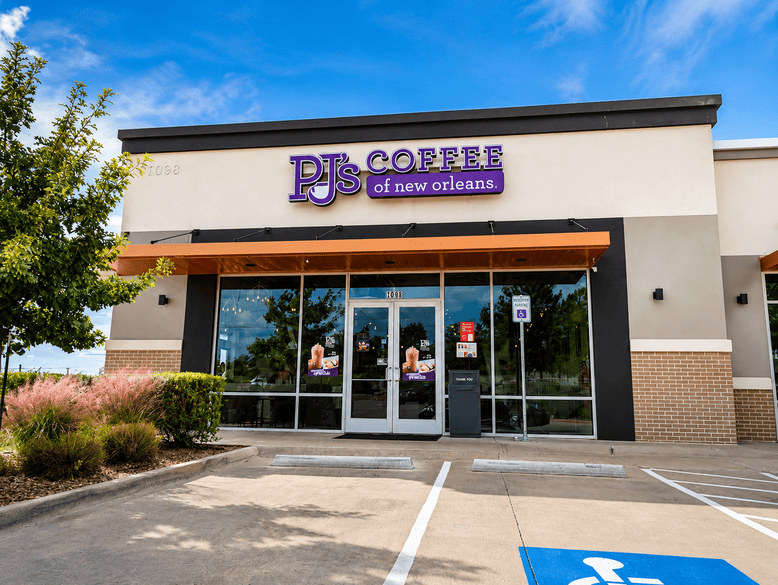
Estepp Energy, known for multi-unit brands like Little Caesars, is adding PJ's Coffee to its Kentucky convenience stores, marking a strategic expansion into specialty coffee.
Jun 24, 2026
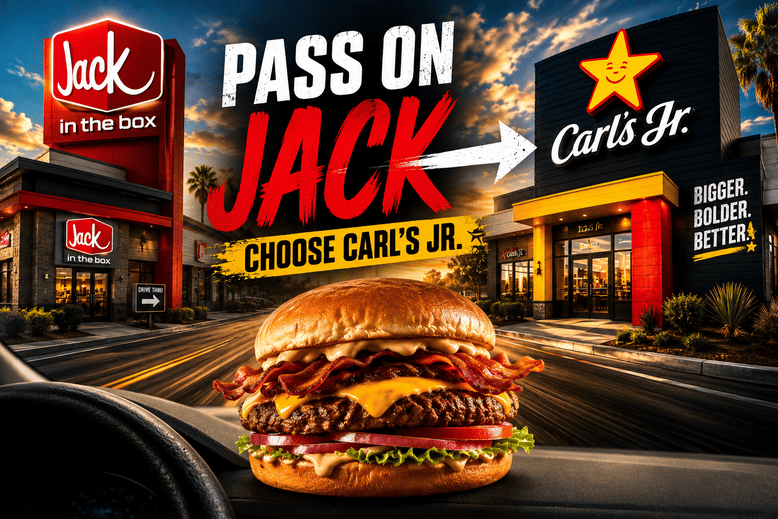
Carl's Jr. has launched a "Pass on Jack" marketing campaign rewarding loyalty members with a free Sourdough Star burger for driving past a Jack in the Box to reach a Carl's Jr. location- a direct shot at its California-based burger rival.
Jun 24, 2026
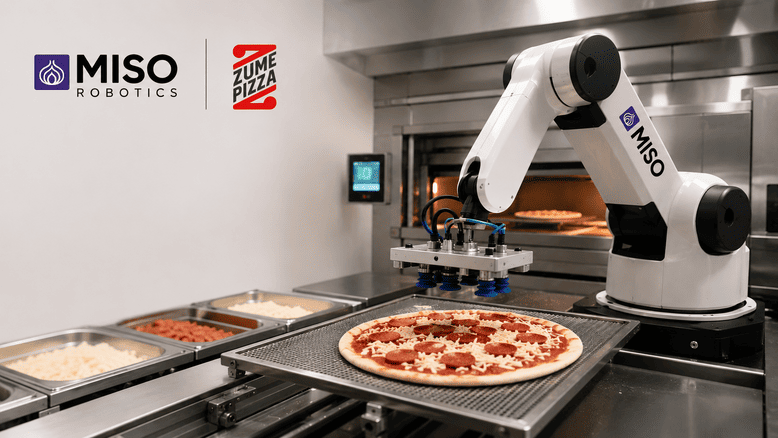
Miso Robotics has acquired Zume Pizza’s technology deck, giving new life to pizza automation and food robotics for forward-thinking restaurant operators.
Jun 24, 2026
Sycamore Partners acquires Playa Bowls, signaling a shift toward franchise-led expansion and a new era of scale for the Jersey Shore-born concept.
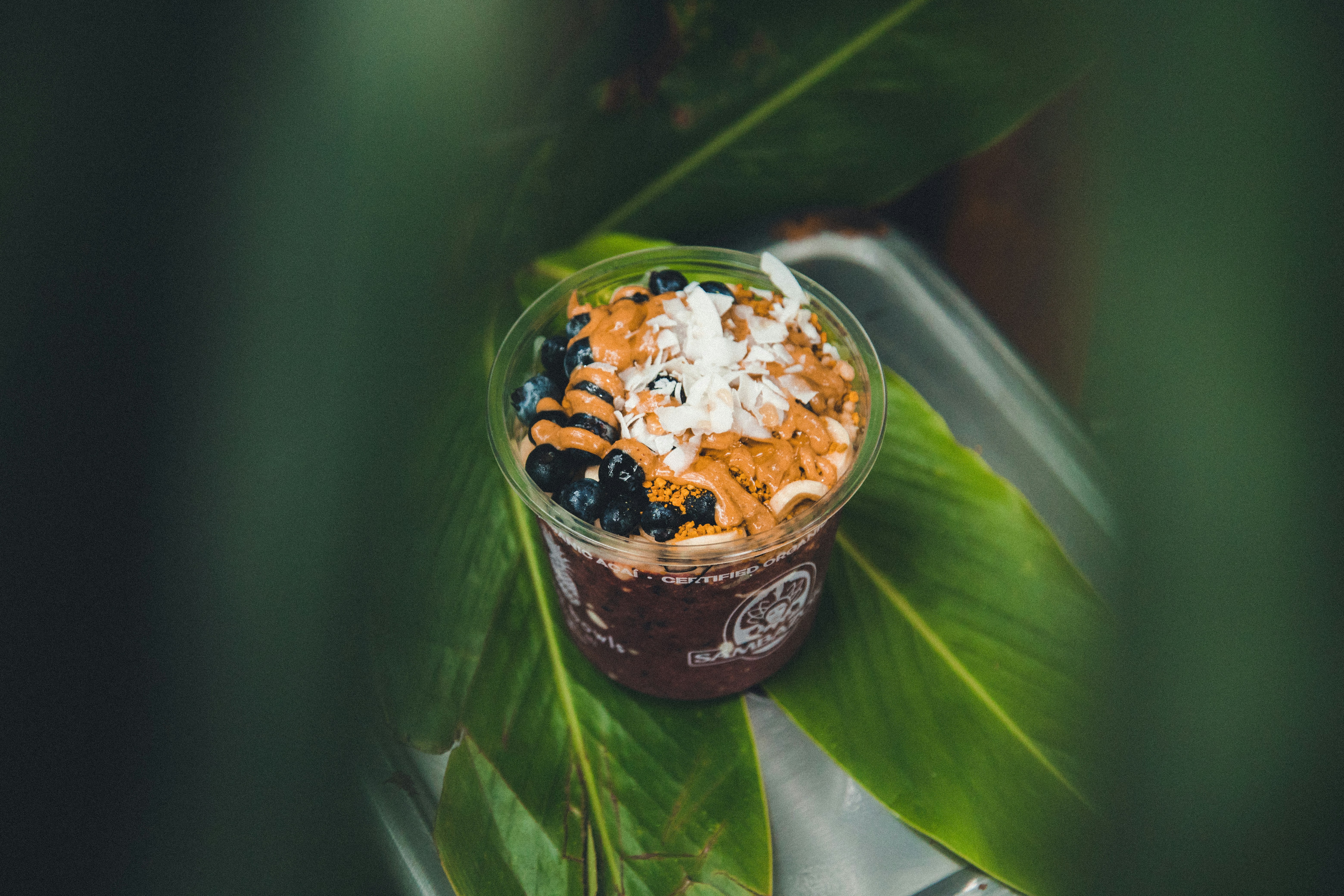
Photo by Jakob Owens
From the sunlit boardwalks of the Jersey Shore to the confidential hush of a private equity briefing, a familiar brand enters a new season. Playa Bowls, a sprightly concept built on acai bowls and smoothie-forward rituals, has quietly amassed a national footprint, roughly 250 locations across the United States in a decade. The move to place the brand within the portfolio of Sycamore Partners, a New York‑based investor with a clear appetite for scale, marks more than a change of ownership; it signals a staged ascent toward franchise-driven expansion. In these moments, architecture and appetite converge, like a well-planned tasting menu. This is the overture: what does it mean for the guests, and for the franchisees who bake this growth into their schedules?
The acquisition is described as an ownership transition to a New York‑based private equity firm with more than $10 billion in committed capital since 2011. The purchase terms were not disclosed publicly, underscoring a typical private‑negotiated arrangement in franchised growth platforms. In the deal, North Point acted as Playa Bowls’ exclusive financial advisor, while Skadden, Arps, Slate, Meagher & Flom LLP and Ice Miller LLP provided legal counsel. The move replaces Tamarix Equity Partners and as principal owners, signaling a transition to a partner with scale‑oriented experience and expansive resources.
Founded in 2014 along the Jersey Shore, Playa Bowls grew by leaping from a handful of counters to a national stage. Over the past decade the brand added more than 150 franchised locations and built a platform that professionalized operations to support rapid growth. By 2023, the company earned national recognition as one of Technomic’s top 10 fastest‑growing chains, a nod to its focus on smoothie bowls, juices, cold brew, and smoothies. The bedrock, disciplined operations paired with a cheerful, health-forward menu, stands ready to bear the weight of a more expansive future.
Following the ownership change, Dan Harmon was named CEO, charged with guiding the brand through a pivotal transition. He framed the move as a chance to sustain momentum while embracing a broader, franchise‑driven expansion. The investment thesis, described by Tamarix Equity Partners’ Mark Hauser as an early institutional capital thrust aimed at enabling scale, culminates in a platform poised for growth under new stewardship. This is the structural prelude to what follows: a more deliberate pathway to scale, without sacrificing the essence that attracted guests in the first place.

Beyond the headlines, the mechanics of the transition unfold as a classic private‑equity play. The acquisition is framed as an ownership transition to a New York‑based investor with a stated appetite for consumer and multi‑unit platforms, and the purchase terms remain undisclosed. In the deal, North Point acted as Playa Bowls’ exclusive financial advisor, while law firms Skadden, Arps, Slate, Meagher & Flom LLP and Ice Miller LLP provided counsel. The arrangement signals the alignment of a growth‑savvy sponsor with a brand that has proven its ability to scale through franchising.
With the move, Playa Bowls steps into the orbit of a firm whose portfolio includes large consumer brands and multi‑unit operations, hinting at more structured support for store openings, operations, and franchise relations. The transition is described as meticulously managed to preserve day‑to‑day discipline as the brand expands beyond its current footprint.
In the wake of the sale, Dan Harmon, the brand’s chief executive, articulated optimism about the path ahead: “We are excited to be partnering with Sycamore as we take this next step in the Playa Bowls journey.” He underscored that the collaboration would leverage Sycamore’s resources in managing multi‑unit franchise organizations to accelerate growth while continuing to support franchisees and delight guests. The leadership transition is framed as a strategic alignment designed to maintain momentum as the brand expands its country‑wide footprint.
Tamarix Equity Partners’ Mark Hauser described the investment thesis as placing early institutional capital into founder‑owned businesses and enabling scale, noting Playa Bowls’ expansion to date and the platform’s ongoing maturation. This framing suggests a thoughtful continuum: growth at speed, guided by a stewardship designed to honor the brand’s original spirit while giving it the structural backbone needed for multi‑unit expansion.
Playa Bowls’ sale to Sycamore Partners sits at the intersection of two ongoing industry dynamics: franchise‑driven growth in healthy fast‑casual concepts and the growing role of private equity in scaling diversified restaurant platforms. Sycamore’s portfolio has historically included consumer and retail brands and multi‑brand, multi‑unit strategies, illustrating a familiarity with centralized operations and a long‑term brand play. Analysts note that such ownership can offer franchisees greater resources and a clearer growth plan, even as questions about saturation and profitability at scale linger in the background.
The broader context suggests a trend toward institutional backing for category leaders in health‑forward fast casual. Yet the public materials also invite scrutiny of pace, geography, and the integration of corporate systems under new ownership. Costar has noted the tension between rapid openings and the need for sustainable profitability, a reminder that scale without a careful operational discipline remains a fragile equation.
Looking ahead, the Playa Bowls platform appears poised to accelerate its expansion while refining its corporate and operational backbone. The partnership with a growth‑oriented owner known for scaling retail and consumer brands suggests a continued emphasis on new market entry, enhanced franchise support, and menu innovation designed to drive same‑store growth alongside unit expansion. Reports of strengthened leadership teams and ongoing franchise commitments reflect a broader industry trend toward institutionalizing rapid growth for category leaders in health‑forward fast casual.
As Playa Bowls expands its footprint, observers will watch how the brand maintains its core identity while adapting to a more expansive franchise network. The balance between warmth and scale, between a shore‑born, cheerful ritual and a disciplined growth engine, will likely define the next chapter of this menu‑driven story.
In the quiet calculus of private equity and brand storytelling, the Playa Bowls narrative asks for restraint married to ambition. The acquisition signals more than capital; it signals a culture shift toward a more formal growth engine that still seeks to honor the brand’s festive core. As a result, the coming quarters will reveal whether scale can retain warmth, and whether a celebrated, shore‑side ritual can translate into a truly nationwide, guest‑driven experience.
The lesson, like a deft tasting of a new vintage, will lie in balance: the patience to cultivate a robust operational backbone while preserving the charm that drew guests to the bowls in the first place.