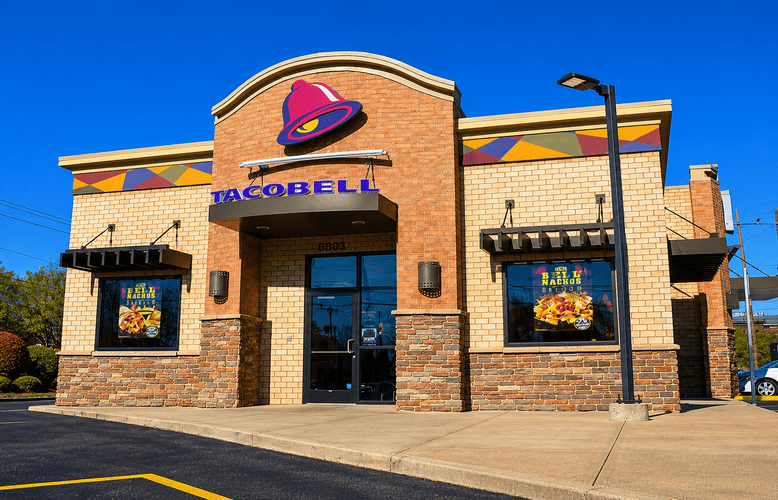
Taco Bell Franchise Expansion in Midwest
Southpaw adds 43 Ohio Taco Bell restaurants to its impressive portfolio, highlighting franchise growth and strengthening the Midwest QSR landscape.
news
Jun 26, 2026
Southpaw adds 43 Ohio Taco Bell restaurants to its impressive portfolio, highlighting franchise growth and strengthening the Midwest QSR landscape.
Jun 26, 2026
Discover how Cicis Pizza's rewards program skyrocketed to over one million members in under a year, driving customer engagement and retention. See the lessons for restaurant loyalty programs.
Jun 26, 2026
Darden Restaurants surpassed $13 billion in sales, fueled by robust performance at LongHorn Steakhouse and innovative menu changes at Olive Garden. Explore the strategies driving this industry giant’s continued dominance.
Jun 26, 2026
The fallout of Pizza Hut's mandated AI delivery system rollout has ignited a $100 million lawsuit from a leading franchisee, highlighting crucial franchisor-franchisee lessons for all restaurant owners.
Jun 26, 2026
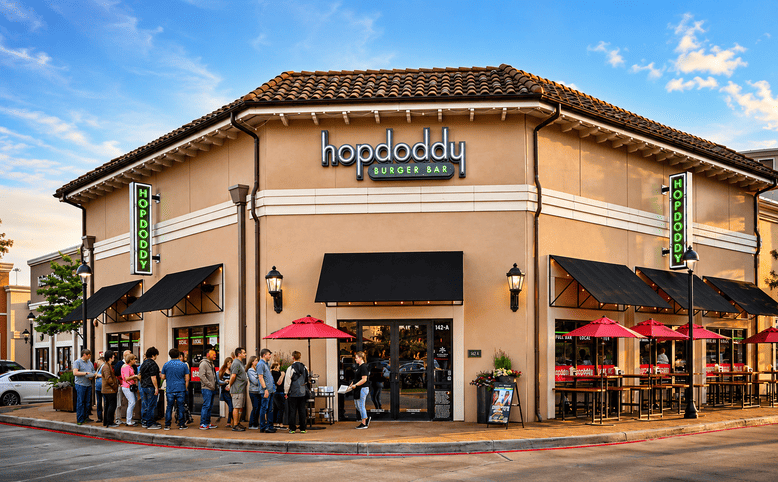
Founders Table Restaurant Group acquires fast-casual leader Hopdoddy Burger Bar, expanding its reach to over 200 restaurants and accelerating operational growth across the platform.
Jun 25, 2026
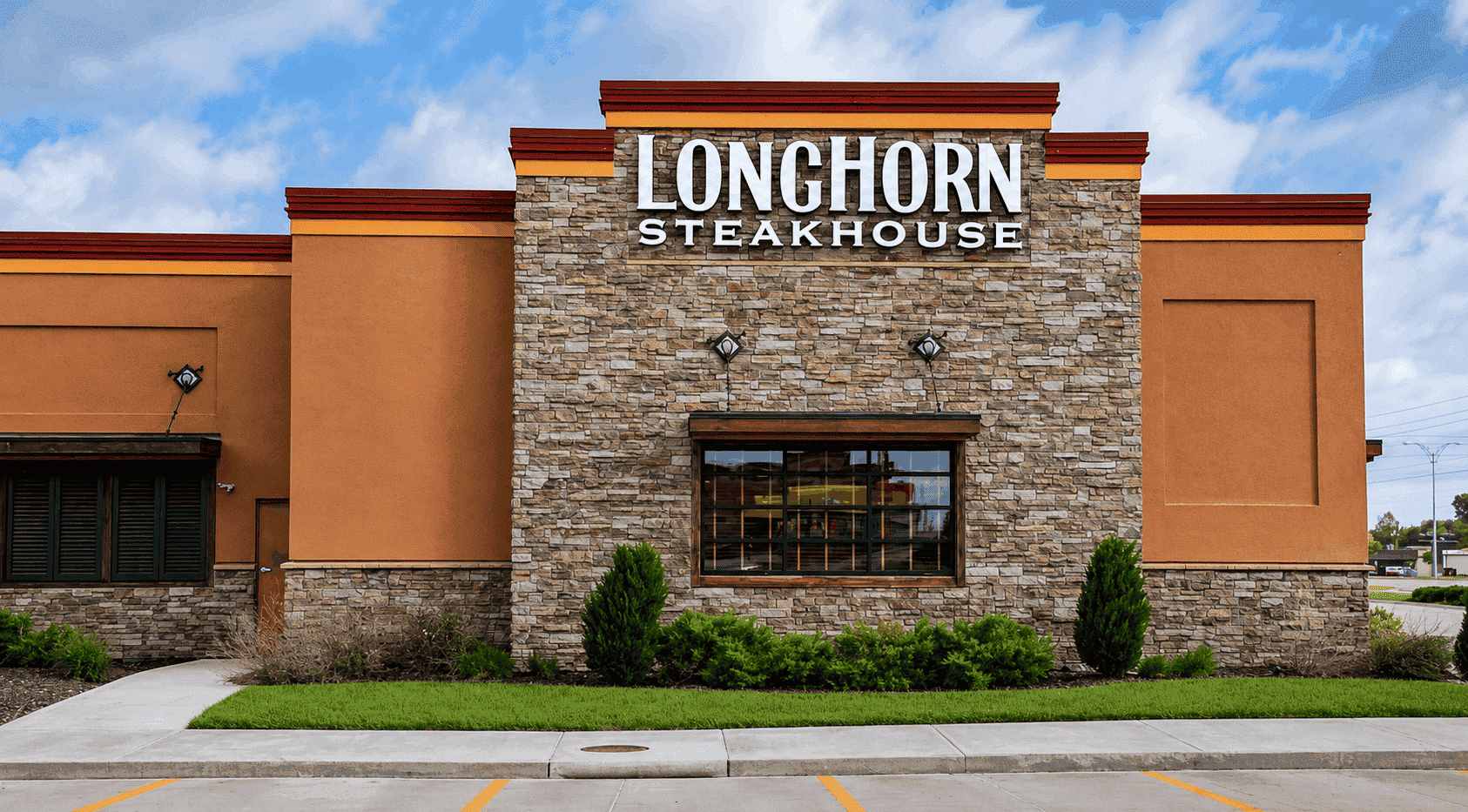
LongHorn Steakhouse surpassed $1 billion in quarterly sales for the first time, driven by strong value perception and menu innovation. Restaurant leaders can draw key lessons for thriving when consumer price sensitivity is high.
Jun 25, 2026
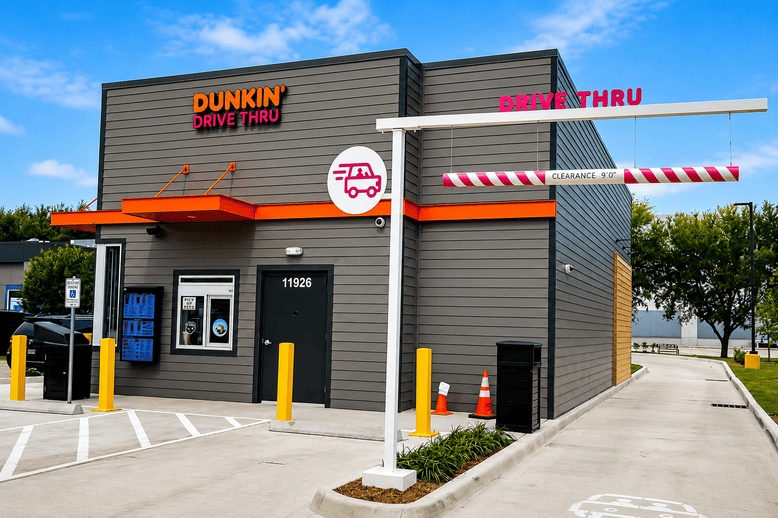
Inspire Brands is preparing for an IPO aiming for a $20B valuation. Discover how giants like Arby’s, Sonic, and Dunkin’ are performing as part of this dynamic portfolio.
Jun 25, 2026
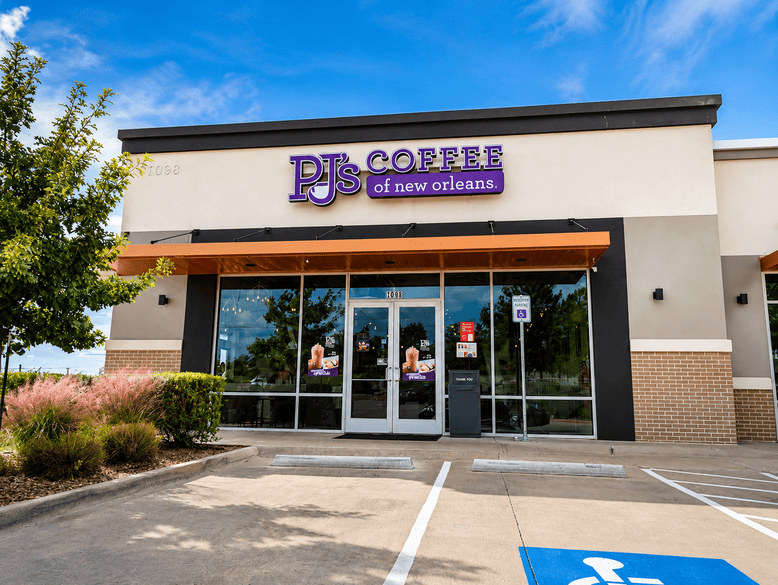
Estepp Energy, known for multi-unit brands like Little Caesars, is adding PJ's Coffee to its Kentucky convenience stores, marking a strategic expansion into specialty coffee.
Jun 24, 2026
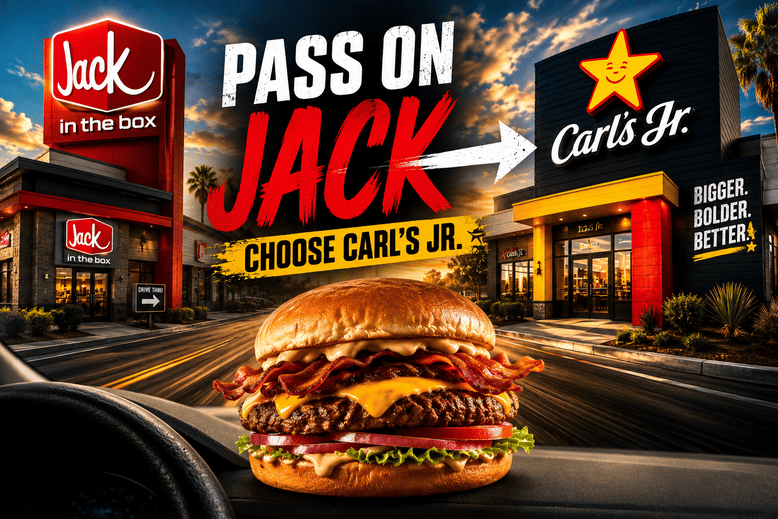
Carl's Jr. has launched a "Pass on Jack" marketing campaign rewarding loyalty members with a free Sourdough Star burger for driving past a Jack in the Box to reach a Carl's Jr. location- a direct shot at its California-based burger rival.
Jun 24, 2026
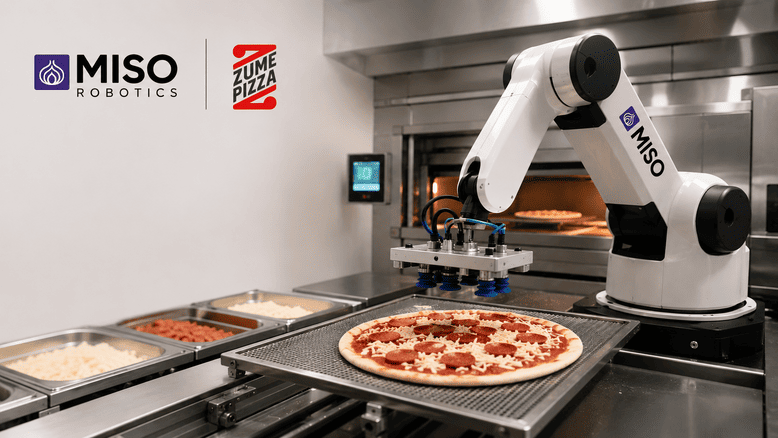
Miso Robotics has acquired Zume Pizza’s technology deck, giving new life to pizza automation and food robotics for forward-thinking restaurant operators.
Jun 24, 2026
RBI’s disciplined growth strategy drives Popeyes’ international expansion, with China, digital channels, and scalable playbooks at the core.
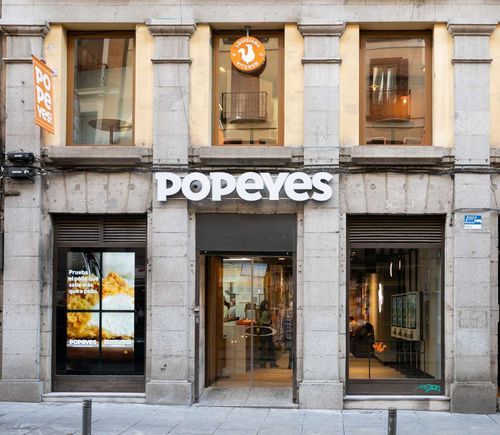
Popeyes growth under Restaurant Brands International unfolds as a study in disciplined audacity. By the second quarter, the international footprint nears 1,300 outlets, 1,298, up from 975 in the prior year, while RBI’s broader ledger lists 1,459 international restaurants and 3,520 U.S./Canada units across 47 countries. These figures are not mere tallies; they map a durable growth engine entrusted to multi-market execution. The canvas broadens with every new market, yet the frame remains conservative: expand with capital, but only where the math and local partnerships align. The China chapter stands as the most deliberate, ambitious line in this ledger: a long horizon, a careful hand:
To translate ambition into repeatable outcomes, RBI deploys a scalable playbook. The Easy to Run kitchen model, together with digital enhancements, has begun to compress drive times and improve order accuracy, roughly 50 kitchens have already been converted, signaling early momentum toward consistent unit economics across markets. In China, the company paid $15 million to acquire Popeyes China, building a local development engine and a pipeline that will eventually glide toward a master-partner arrangement once the market proves itself. As one executive cautioned, “the shift is just for us to take it on and make sure it has the capital and the support it needs to realize its full potential,” a sentiment that frames expansion as incremental, not abrupt.
Strategic decisions energize Popeyes’ international trajectory. The push rests on a triad of ambition: aggressive store development in high-potential markets, standardized operating systems that keep every outlet singing the same tune, and a robust franchised network that can scale with discipline. In RBI’s dialogue, Spain, the U.K., and India have reached meaningful scale and are driving ongoing development activity, while the China initiative adds a longer horizon through a dedicated local structure. The aim is steady net restaurant growth under a capital-allocation framework that serves multiple brands, with Popeyes as a principal engine of long-run profitability.
In this architecture, the China plan begins with a local team and pipeline, then transitions to a master-franchise model once the brand is embedded. The execution framework is described as scalable and adaptable to various markets, aligning capital with local opportunities. Public updates emphasize that the China move is about building the pipeline and capabilities, not a wholesale repositioning. With digital channels, careful unit economics, and a replicable format, RBI hopes to deploy this playbook across markets as conditions permit.
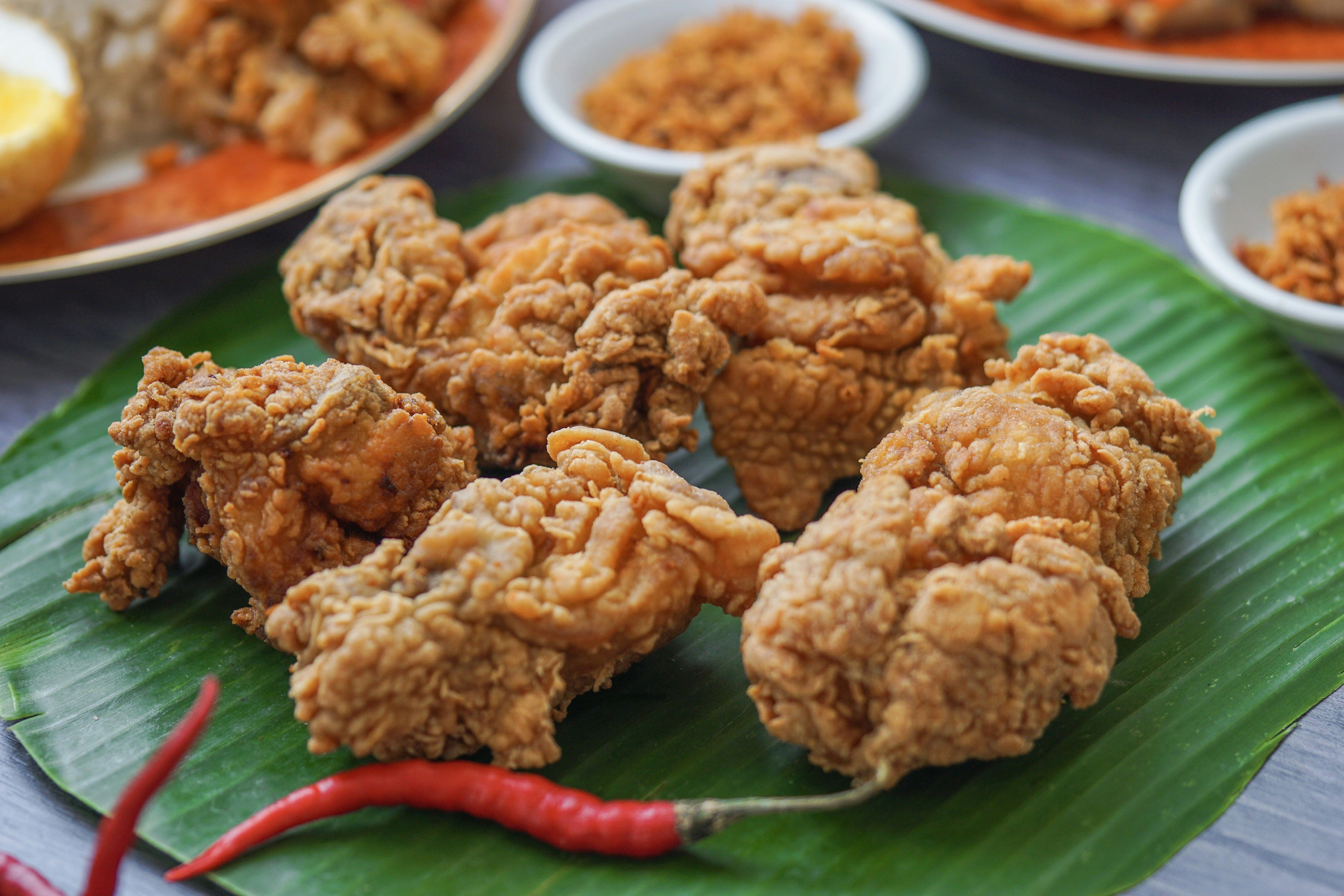
Inside RBI, the mood around expansion is buoyant but tempered. The CEO’s remarks reflect confidence in ongoing opportunities across markets where Popeyes is already established, while acknowledging there is still work to do. On the Wings platform, returning guests offer solid support, yet executives concede that wings have not delivered a meaningful surge in new customers. The portrait is nuanced: existing fans respond with enthusiasm, and growth will hinge on translating that enthusiasm into broader, cross-market appeal.
The pace of expansion is inseparable from consumer taste and competitive dynamics, and leadership signals a measured but ambitious approach. The team will pursue product innovation and geographic diversification while monitoring evolving preferences and regulatory realities. Taken together, the dialogue points toward turning early wins into durable, long‑term growth, even as the landscape remains crowded.
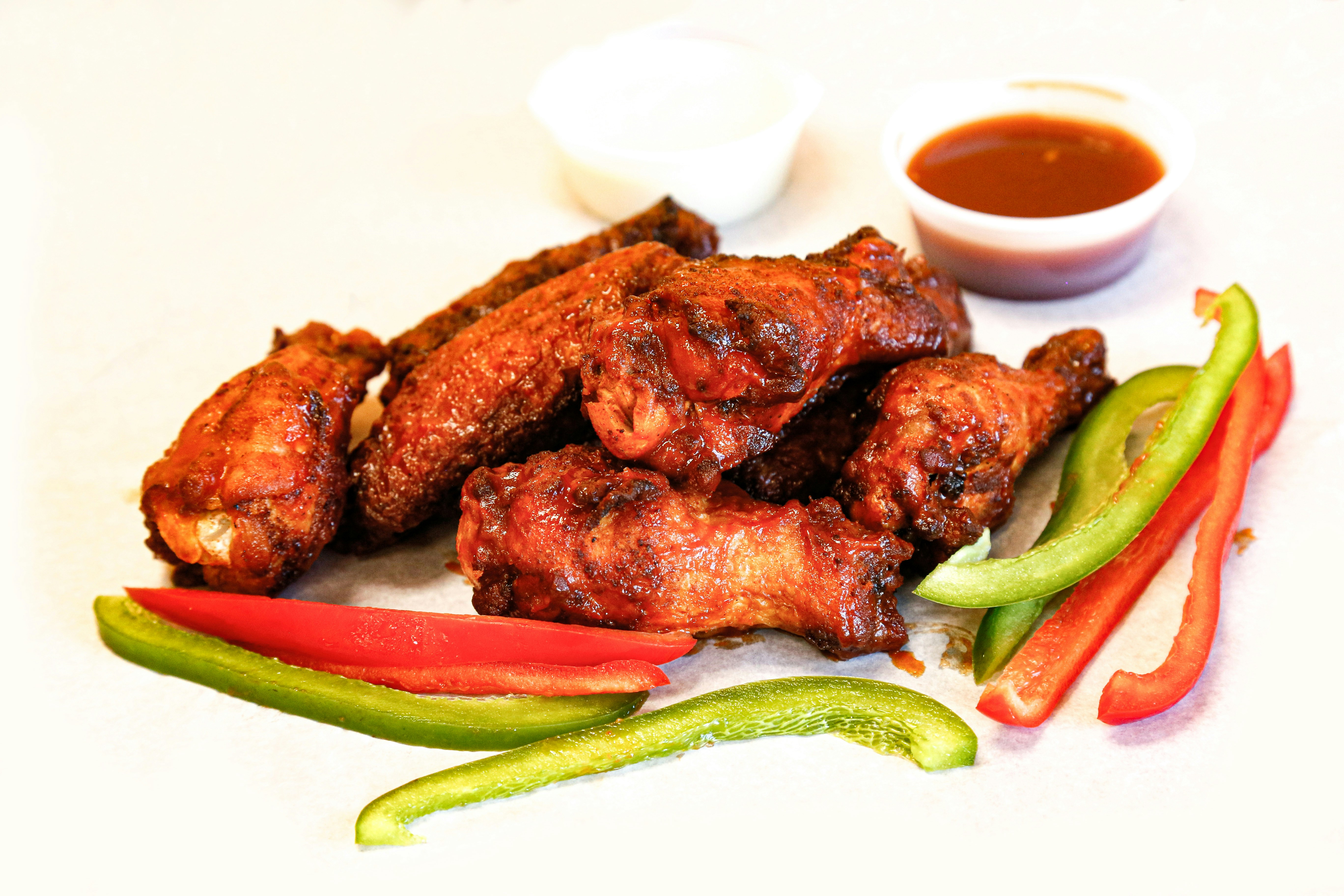
Financially, RBI frames Popeyes as a durable growth platform, balancing ambition with capital discipline. The group targets more than 4,000 Popeyes restaurants in the U.S. and Canada by 2028, anchoring the domestic engine even as international expansion accelerates. The 2025 outlook reinforces continued net restaurant growth, supported by improved unit economics and a push to raise profitability for U.S. franchisees toward a benchmark around $300,000 per unit. Digital sales are expected to remain a meaningful contributor to total performance, while RBI signals a substantial capital return, about $1.6 billion in 2026.
Viewed in the broader frame, Popeyes’ contribution to RBI’s results reinforces its position as a high-growth unit within a multi-brand portfolio. The 2024 data reinforce the message: international expansion is a deliberate engine for long-term profitability, backed by a playbook of scalable formats, digital commerce, and capital discipline that RBI continues to refine and deploy.
Yet the horizon is not uncluttered. RBI’s disclosures flag macro-economic conditions, currency fluctuations, franchisee relationships, supply chain stability, and regulatory environments as factors that can influence performance across markets. The China chapter, in particular, tests timing, local partnerships, and execution capacity, making pace contingent on local realities. In short, while the model remains scalable, growth is tempered by the inherent uncertainties of operating across dozens of countries.
Ultimately, the Popeyes narrative becomes a case study in disciplined expansion: geographic diversification paired with domestic momentum, a playbook that adapts to conditions and a capital plan that preserves optionality for the long run. If RBI can cultivate strong local leadership and robust development pipelines, Popeyes may redefine its global footprint while preserving the art of restraint that marks fine dining.