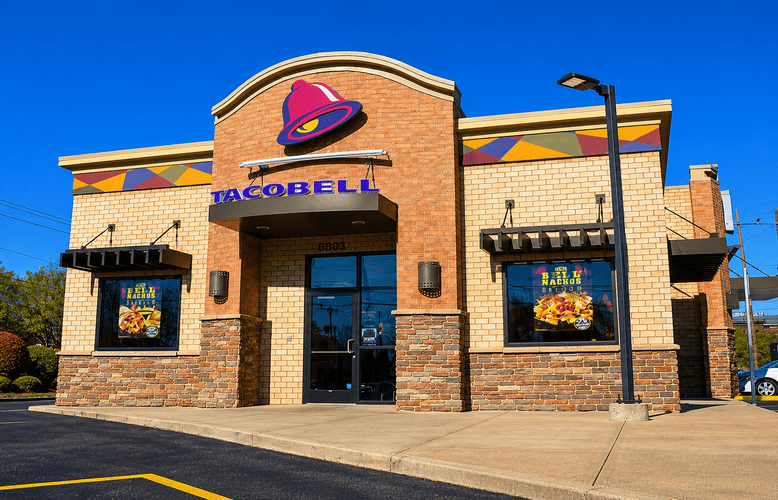
Taco Bell Franchise Expansion in Midwest
Southpaw adds 43 Ohio Taco Bell restaurants to its impressive portfolio, highlighting franchise growth and strengthening the Midwest QSR landscape.
news
Jun 26, 2026
Southpaw adds 43 Ohio Taco Bell restaurants to its impressive portfolio, highlighting franchise growth and strengthening the Midwest QSR landscape.
Jun 26, 2026
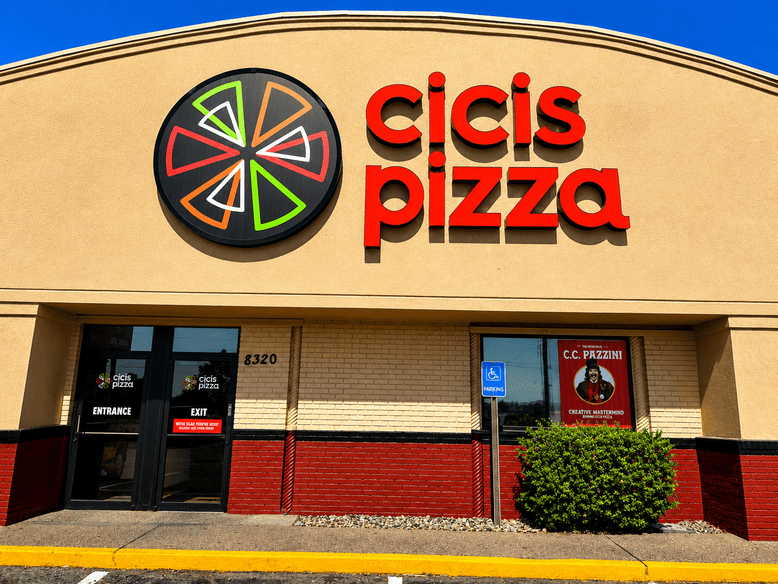
Discover how Cicis Pizza's rewards program skyrocketed to over one million members in under a year, driving customer engagement and retention. See the lessons for restaurant loyalty programs.
Jun 26, 2026
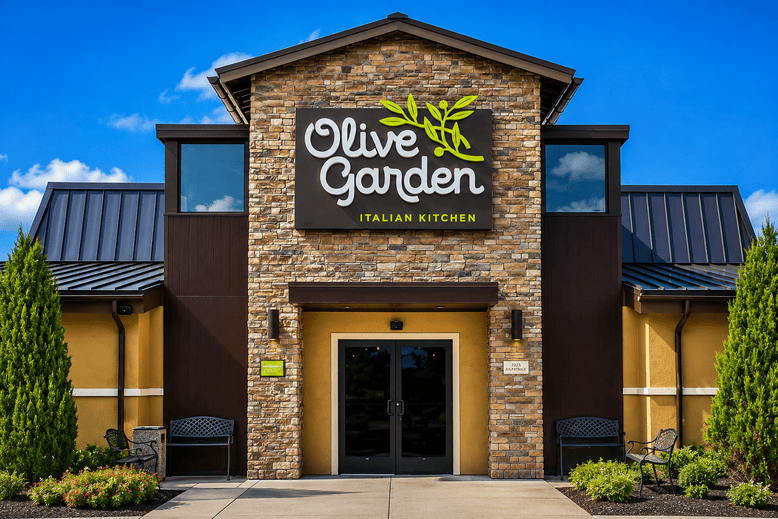
Darden Restaurants surpassed $13 billion in sales, fueled by robust performance at LongHorn Steakhouse and innovative menu changes at Olive Garden. Explore the strategies driving this industry giant’s continued dominance.
Jun 26, 2026
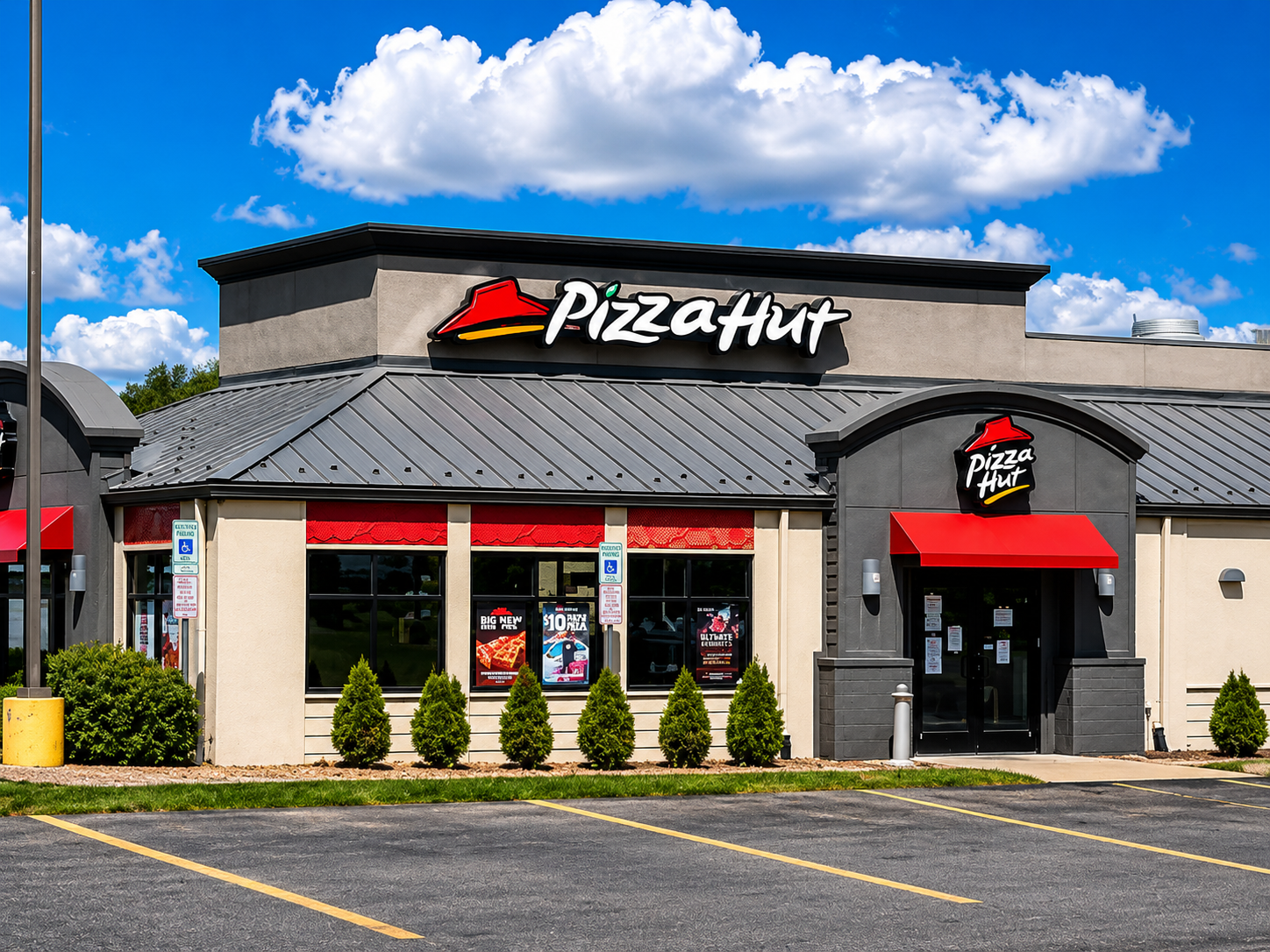
The fallout of Pizza Hut's mandated AI delivery system rollout has ignited a $100 million lawsuit from a leading franchisee, highlighting crucial franchisor-franchisee lessons for all restaurant owners.
Jun 26, 2026
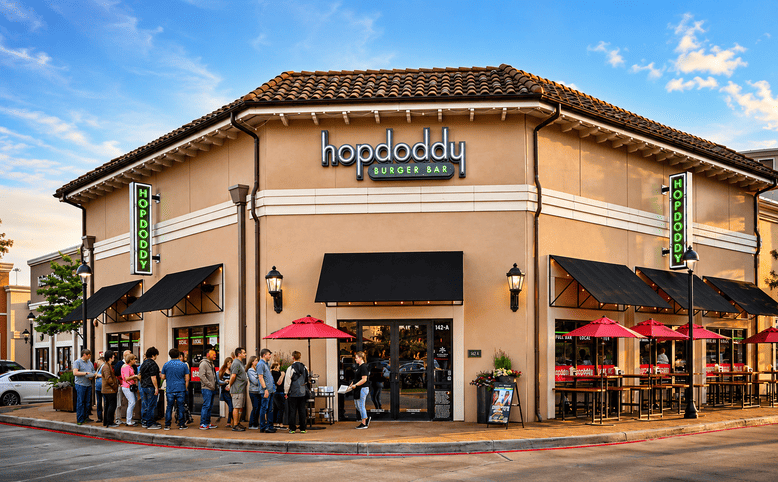
Founders Table Restaurant Group acquires fast-casual leader Hopdoddy Burger Bar, expanding its reach to over 200 restaurants and accelerating operational growth across the platform.
Jun 25, 2026
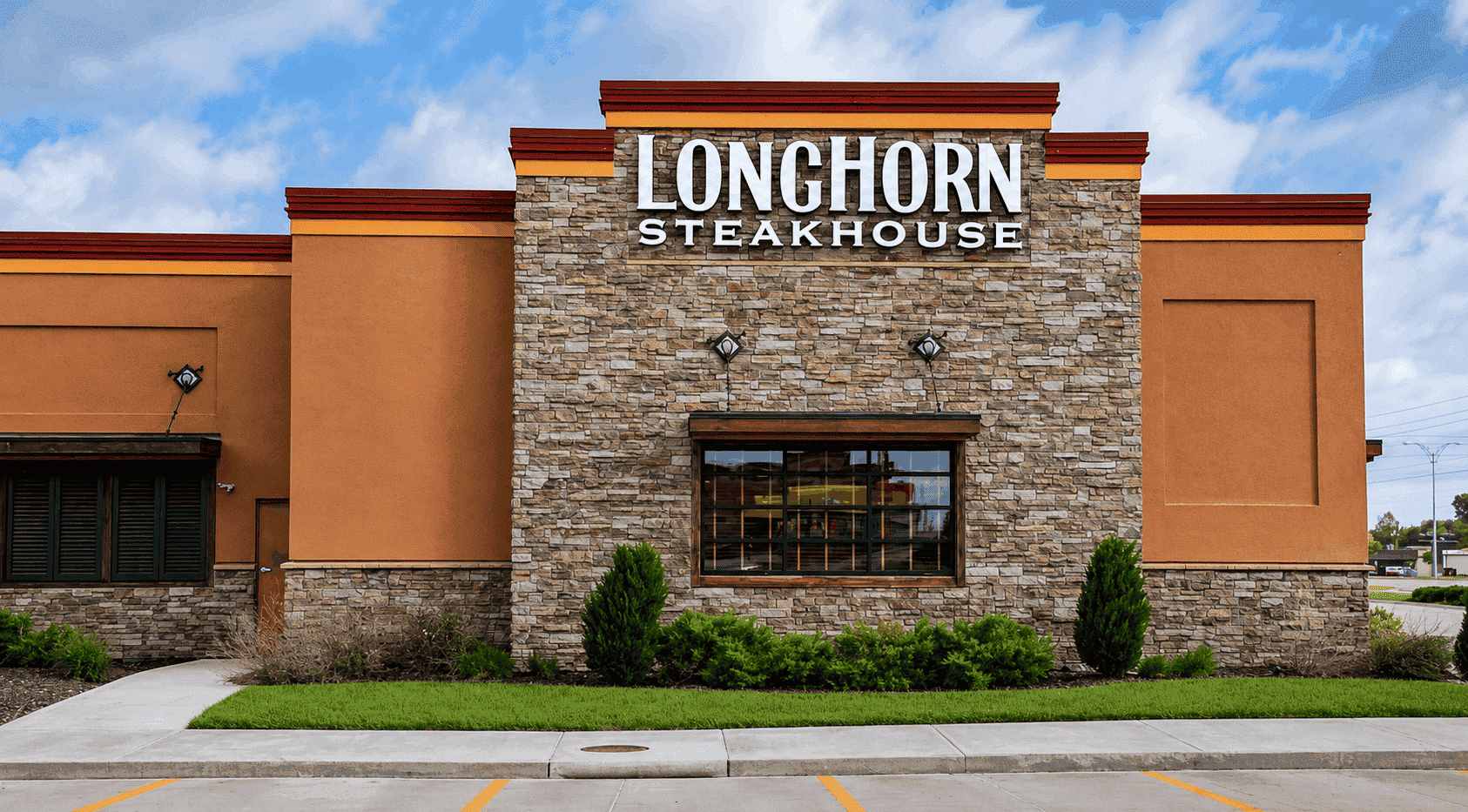
LongHorn Steakhouse surpassed $1 billion in quarterly sales for the first time, driven by strong value perception and menu innovation. Restaurant leaders can draw key lessons for thriving when consumer price sensitivity is high.
Jun 25, 2026
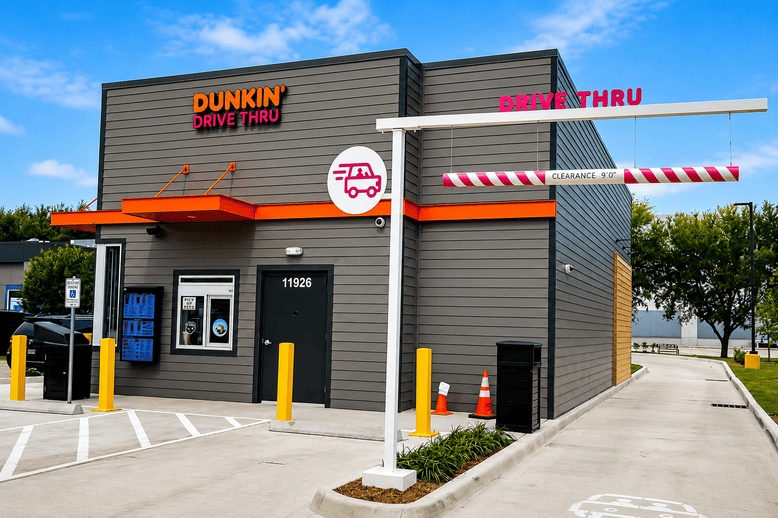
Inspire Brands is preparing for an IPO aiming for a $20B valuation. Discover how giants like Arby’s, Sonic, and Dunkin’ are performing as part of this dynamic portfolio.
Jun 25, 2026
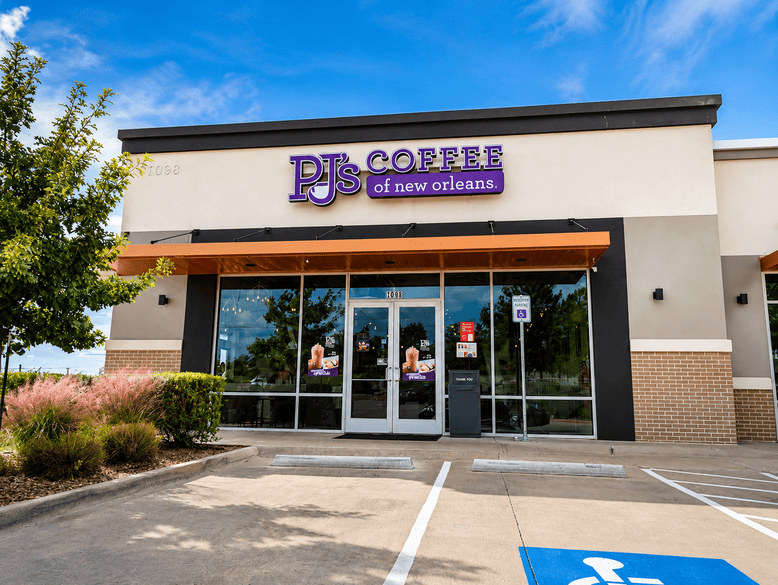
Estepp Energy, known for multi-unit brands like Little Caesars, is adding PJ's Coffee to its Kentucky convenience stores, marking a strategic expansion into specialty coffee.
Jun 24, 2026
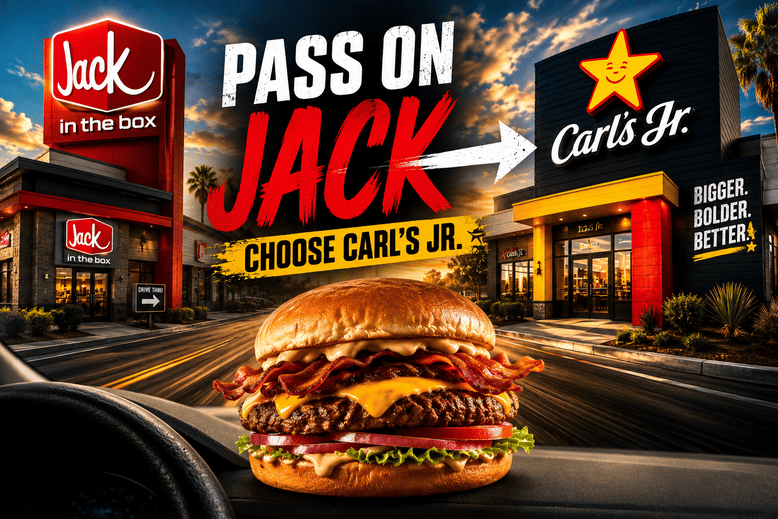
Carl's Jr. has launched a "Pass on Jack" marketing campaign rewarding loyalty members with a free Sourdough Star burger for driving past a Jack in the Box to reach a Carl's Jr. location- a direct shot at its California-based burger rival.
Jun 24, 2026
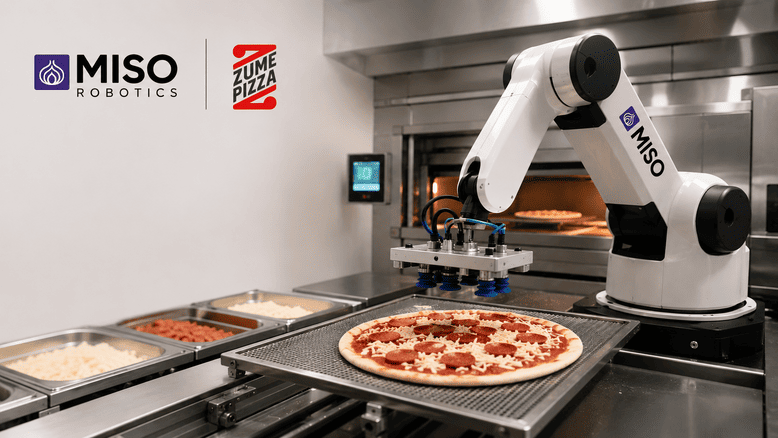
Miso Robotics has acquired Zume Pizza’s technology deck, giving new life to pizza automation and food robotics for forward-thinking restaurant operators.
Jun 24, 2026
Discover the key features of restaurant inventory management software, how to monitor food costs, as well as the importance of automation in inventory monitoring.
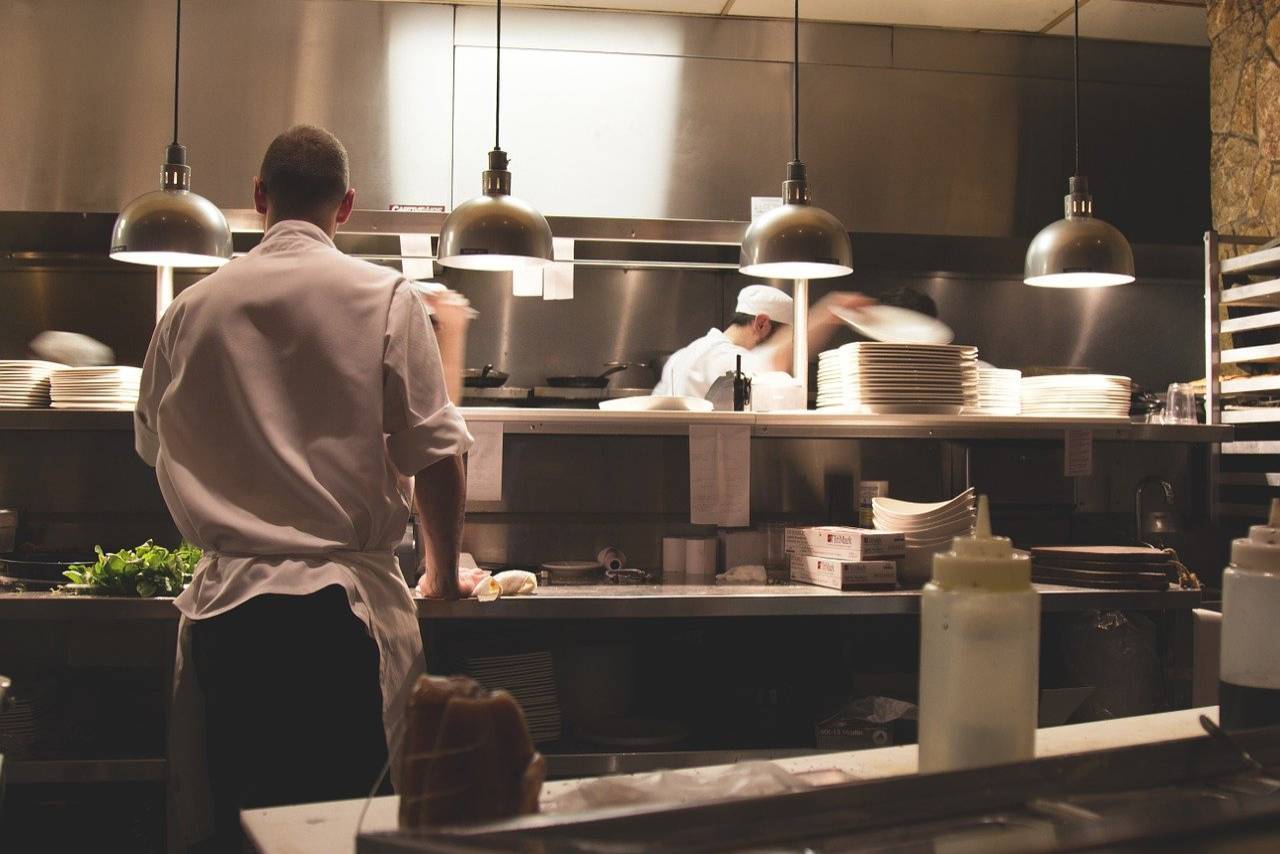
Having a successful restaurant takes a vision, a great chef, and the right inventory management procedures. Customers may love the location, the menu, and the wine list, but without effective stock management, the restaurant will not be profitable or sustainable. Restaurant inventory management software is a comprehensive monitoring tool that tracks each ingredient, supply order, and meal that goes into or out of the kitchen. Inventory management increases efficiency in the kitchen, reduces inventory loss such as food spoilage or waste, and drives up profitability by cutting food costs.

Restaurant inventory management includes monitoring all stock, standardizing recipes, and planning the menu based on current inventory. It calculates usage (or the number of days the inventory will last), as well as depletion ( the inventory used in a day or a week). This allows for accurate tracking of both inventory and profit margins. Inventory management will accurately predict restaurant ingredient needs to prevent over or understocking. It also notifies of any surpluses or shortages before it's too late. Automation of inventory management using software will simplify this process, reduce errors, and engage more staff in minimizing food waste. Some restaurants may lose as much as 10% of their inventory due to poor inventory management, and these errors can be avoided with the right restaurant inventory management software.

Taking accurate inventory is the key to running a successful business. Stock counts should be taken at the beginning and end of each day, and include all ingredients ordered throughout the day, as well as food left on the shelf. Software tools will make it easy to manage stock, minimize food waste, and maximize efficiency. It will also automatically calculate the food cost percentages or the percentage of operational costs that are spent on food. This is vital information for inventory budget planning and should be tracked to avoid overspending on unnecessary ingredients. The food cost percentage is the difference between the money spent on inventory and the revenue that inventory brought in when sold to customers. To calculate the food cost percentage, start with the value of inventory received in a week, both at the beginning of the week and throughout the week. Subtract the ending inventory from the total inventory purchased, then divide it by the total food sales for the same week. On average, the food cost percentage for casual restaurants is about 25%, while fine dining restaurants have an average food cost percentage of around 35%. Monitoring inventory usage with inventory management software makes it easy to calculate the food cost percentages and track revenue. If your food cost percentage is too high, look for ways to reduce waste, avoid surpluses, and manage staff error.

There are many different inventory management systems to choose from, so take some time to understand what the business needs. When researching restaurant inventory management software, make sure it includes these key features-

Restaurant inventory management software takes the stress out of managing stock. It reduces common sources of shrinkage by tracking products as they come into the kitchen and as they leave. Understanding exactly what inventory is being used and what is being lost optimizes operations. Having up-to-date information about both inventory and sales allows the software to protect users against food spoilage and food waste to increase restaurant efficiency. When purchasing restaurant inventory management software, make sure it can integrate all locations, communicate with all vendors, and generate reports to take the stress out of inventory management and increase profitability.