
Best Financing and Loan Options for Restaurant Owners in 2026
Restaurant owners can use this financing and loan guide to compare funding options, avoid costly mistakes, and improve cash flow.
operations
Jun 19, 2026
Restaurant owners can use this financing and loan guide to compare funding options, avoid costly mistakes, and improve cash flow.
Jun 19, 2026

Propelled Brands lowers Camp Bow Wow’s investment and standardizes a 6,000-sq-ft prototype to attract multi-unit growth amid a tight real estate market.
Jun 18, 2026

Blue Bottle launches a 90-minute, machine-free Kyoto-style espresso, bottled for cold drinks across 152 cafés on June 16.
Jun 18, 2026

A missing Lego Star Wars cache puts Bricks & Minifigs in court, testing franchise rules, consignment policies, and brand trust across a 300‑unit network.
Jun 18, 2026
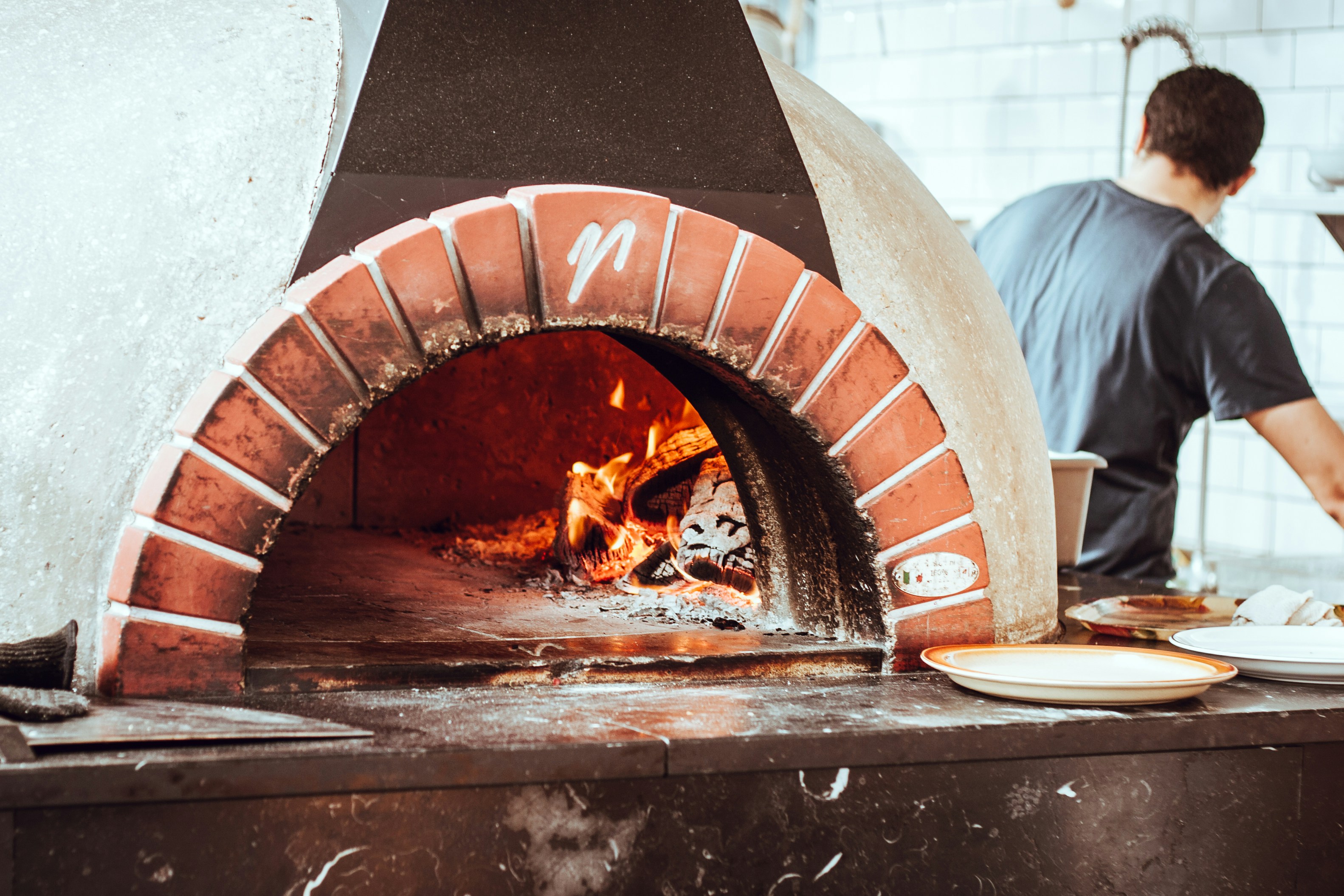
Domino’s launches a $9.99 any pizza deal, adding Parmesan Stuffed Crust through July 26, 2026, timed to the World Cup with gamified rewards and heavy ad support.
Jun 18, 2026
Raising Cane’s opens a 16,000-square-foot flagship by Intuit Dome in Inglewood, blending spectacle and throughput as the chain accelerates global expansion.
Jun 18, 2026

Restaurants race to modernize POS as mobile wallets surge, cloud adoption grows, drive-thru integrations expand, and costs and interoperability shape strategic selection.
Jun 18, 2026
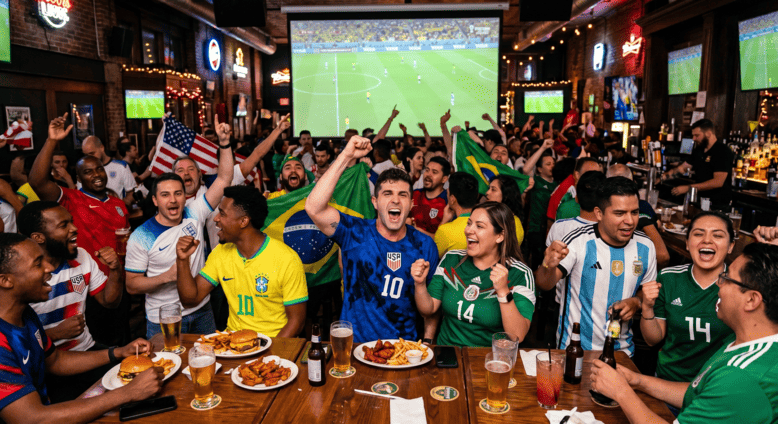
Boost restaurant revenue during FIFA World Cup 2026 with proven promotion ideas, marketing strategies, staffing tips, and match-day sales tactics.
Jun 18, 2026
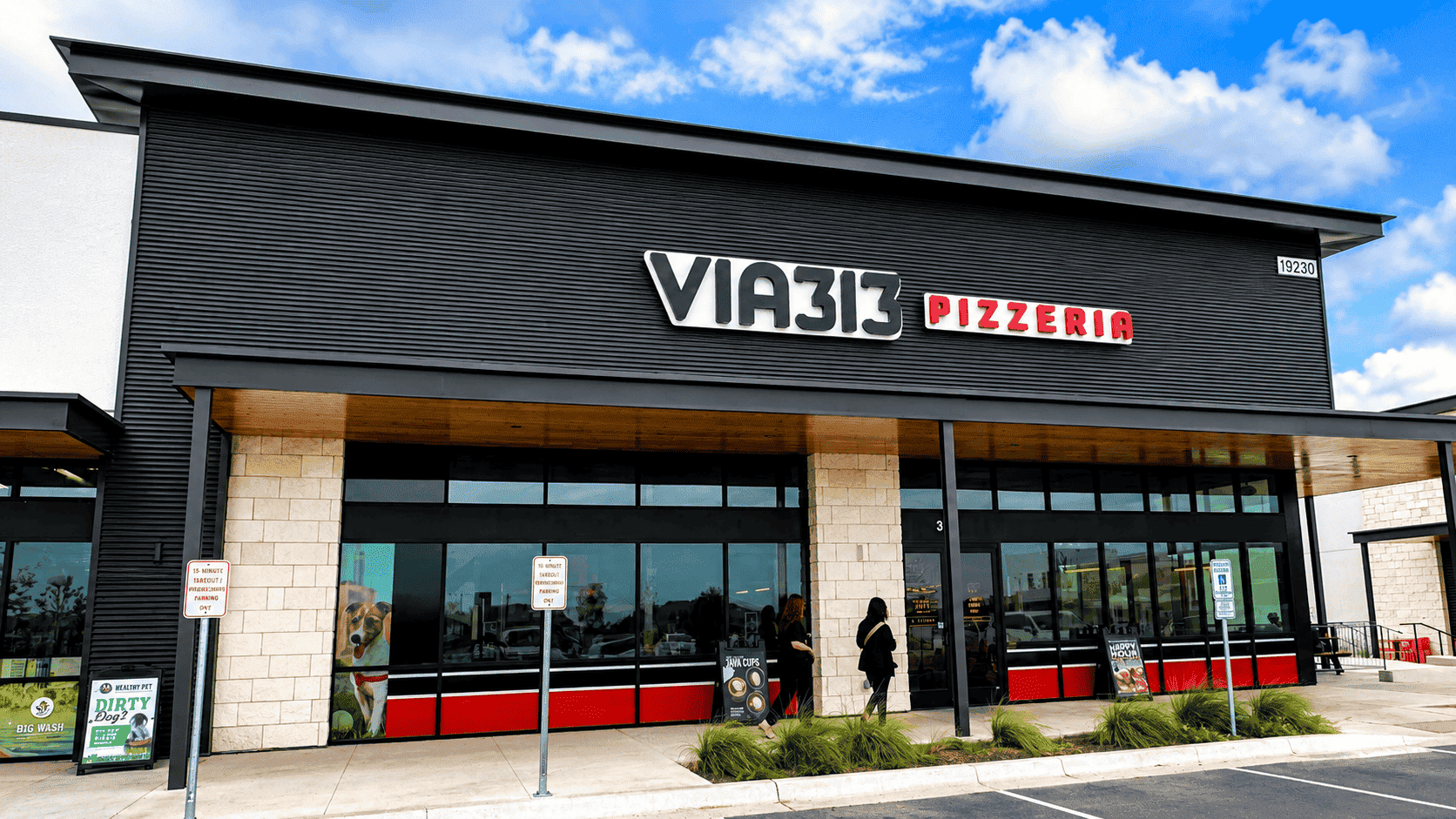
Discover how Via 313 and Terry Black’s Barbecue are fusing barbecue flavors and Detroit-style pizza in a bold Texas collaboration. Learn what this means for trend-focused restaurant operators.
Jun 18, 2026
FAT Brands' $595M asset sale marks a seismic shift in the restaurant world. Discover what this landmark bankruptcy outcome means for owners, franchisees, and the future of franchised dining brands.
Jun 18, 2026
Running out of menu items mid-service costs you sales and damages guest trust. Discover how poor inventory visibility leads to restaurant stockouts and what to do about it.
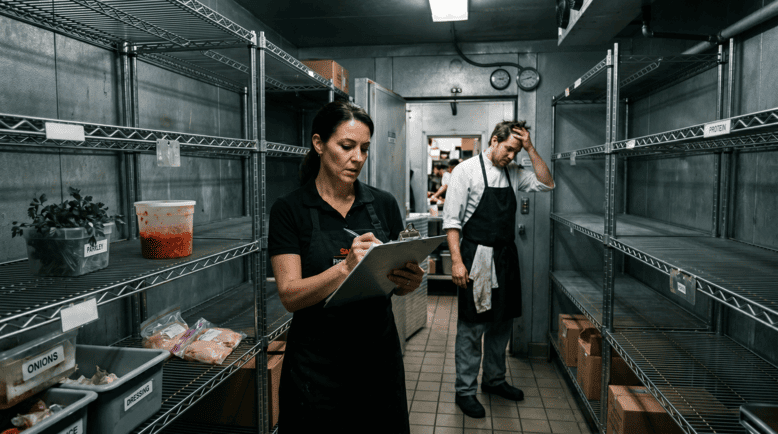
Picture this. It is the middle of a Friday dinner service. The kitchen is moving fast. A server puts in a ticket for one of your top-selling dishes and the line cook turns around to grab the main ingredient. It is not there. You are out. No one knew. Now you are telling your server to go back to the table and explain that the item is not available. The customer is disappointed. Maybe they order something less expensive. Maybe they leave entirely. Either way, you just lost a sale and some goodwill, and it was entirely preventable. This scenario plays out in restaurants everywhere, every week. And the cause is almost always the same - no real-time restaurant inventory visibility into what is actually on hand.
Most restaurants still manage inventory in snapshots. Someone does a count at the beginning of the week or at the end of a shift, logs the numbers in a spreadsheet or a notebook, and that becomes the reference point for the days ahead. The problem is that between those snapshots, inventory is moving constantly. Items are being used, prepped, portioned, and in some cases wasted or lost. By the time you check the count again, the picture has already changed significantly. Running a kitchen on snapshot inventory is like driving a car while only looking at the road every few seconds. Most of the time you will be fine, but eventually the gap between what you think is happening and what is actually happening will cost you.
Stockouts are the most obvious consequence of poor inventory tracking. When you do not have a current picture of your stock levels, items run out without warning. You find out not when you check your records, but when someone reaches for something that is not there. But the problems run deeper than stockouts. Poor restaurant inventory visibility creates a cascade of operational and financial issues -
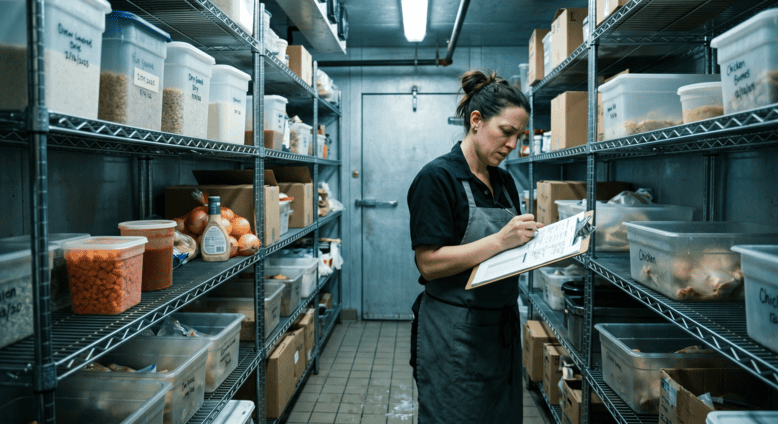
In many restaurants, inventory decisions are made by experienced managers who have a general sense of what is on hand based on memory and observation. This works until it does not. Memory is imperfect. Shifts change. Communication gaps happen. One manager thinks a product was restocked. Another assumes it was used. The result is gaps, duplicate orders, and unwelcome surprises. Signs that your restaurant is operating on guesswork rather than data include -
Getting real-time restaurant inventory visibility does not necessarily mean a complete technology overhaul overnight. It starts with building practices that keep your counts current and accessible. High-movement items should be tracked more frequently than once a week. If you go through a case of a key ingredient every day or two, a weekly count is not giving you useful information for daily purchasing and prep decisions. Steps to improve inventory visibility in your kitchen include -
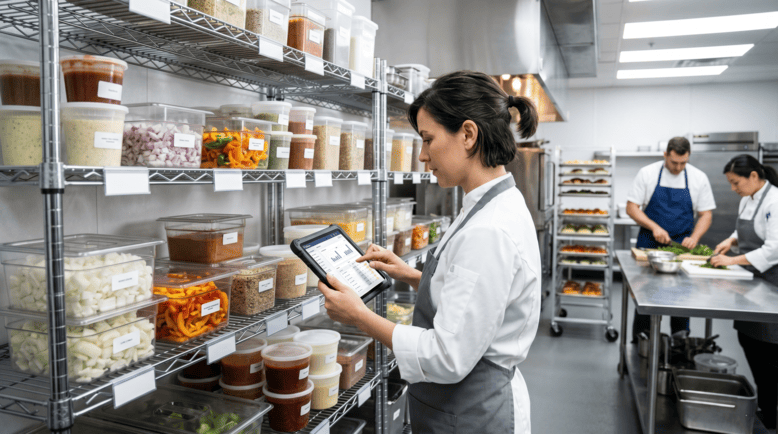
Real-time restaurant inventory visibility is not just about avoiding the embarrassment of an 86'd item. It is a direct driver of profitability. When you know what you have, you order what you need. When you order what you need, you reduce waste. When you reduce waste, your food cost percentage drops. Running out of product mid-service is a symptom of a visibility problem. The fix is not to order more. It is to see more, in real time, so that the decision to reorder happens at the right moment rather than after the shortage is already affecting your guests and your bottom line.