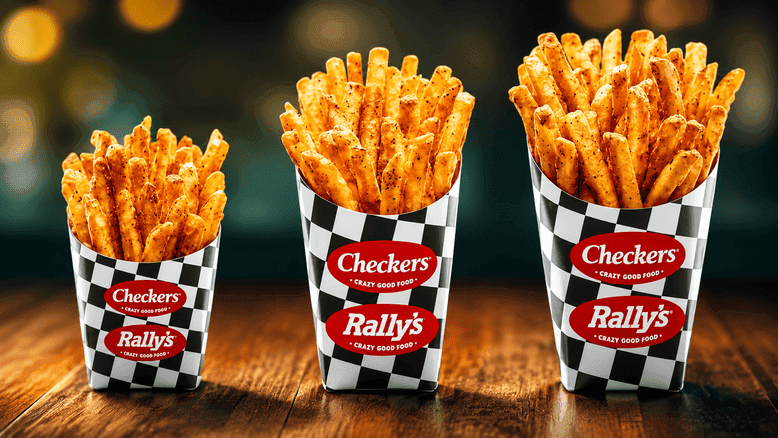
New CDO to Drive Checkers & Rally’s Growth
Checkers & Rally’s welcomes Peter Busse as Chief Development Officer, signaling a new era of strategic expansion and franchise support for the quick-service brand.
News
Aug 4, 2026
Checkers & Rally’s welcomes Peter Busse as Chief Development Officer, signaling a new era of strategic expansion and franchise support for the quick-service brand.
Aug 4, 2026
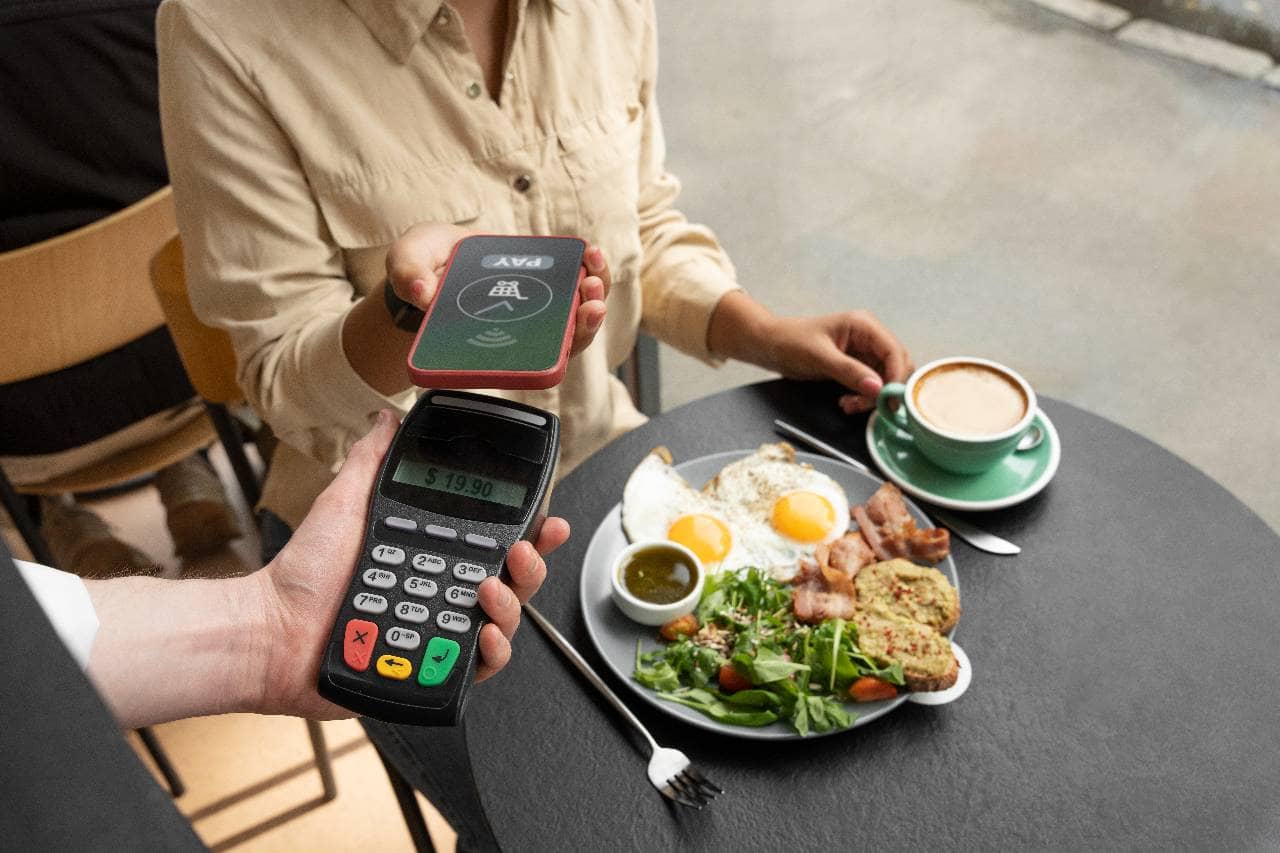
Explore restaurant payment processing and learn how payments are authorized, settled, secured, reconciled, refunded, disputed, and deposited into business accounts.
Aug 3, 2026

Skye Anderson will lead McDonald's USA as its new president, stepping in to accelerate growth and revive sales. Learn how her leadership could shape the future of the restaurant industry.
Aug 4, 2026
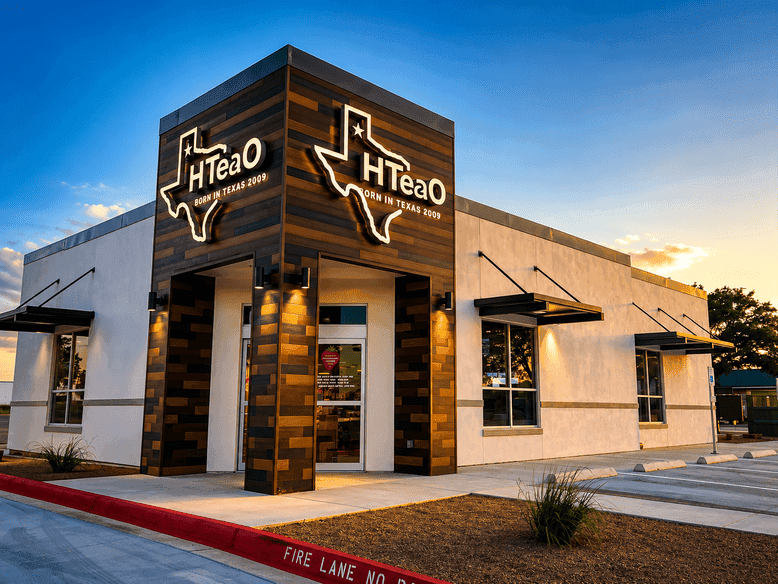
Fast-growing chain HTeaO names franchise veteran Brian Wise as CEO, fueling the brand’s ambitious growth plans and franchisee-first strategy.
Aug 4, 2026
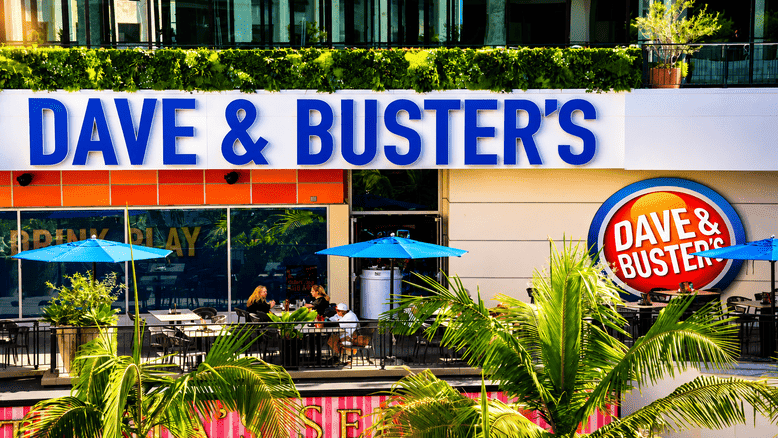
Dave & Buster’s announces Tarun Lal’s retirement as CEO, welcoming Darin Harper to the helm as the brand continues its Back-to-Basics strategy and growth initiatives.
Aug 4, 2026

Restaurant owners can use this guide to evaluate employee benefits, estimate expenses, define eligibility, manage enrollment, and strengthen staff retention.
Aug 3, 2026
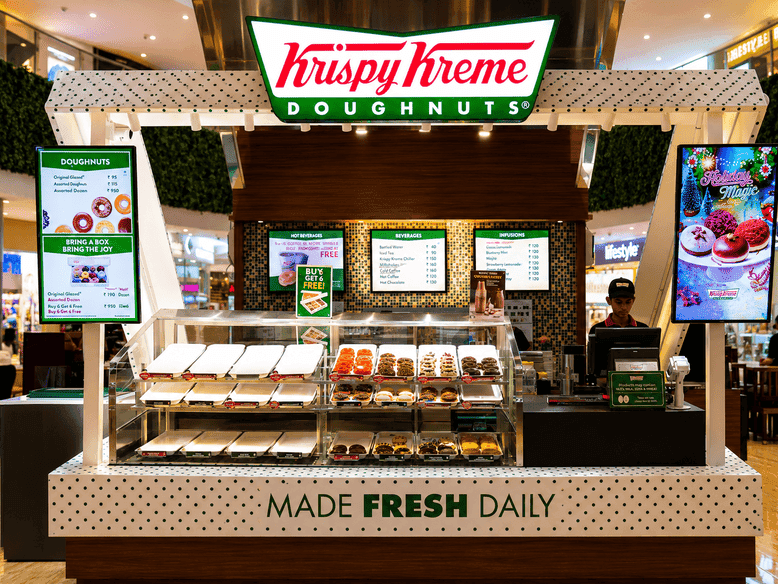
Krispy Kreme announces two key internal promotions, naming Suk Nicholas as Chief Commercial Officer and Lori Suess as Chief People Officer. These appointments signal a continued commitment to innovative growth and people-first strategy.
Aug 3, 2026

Domino's launches a bold campaign offering $5 off digital orders in exchange for customer feedback on its revamped app and website - signaling a new era of guest engagement for restaurant operators.
Aug 3, 2026
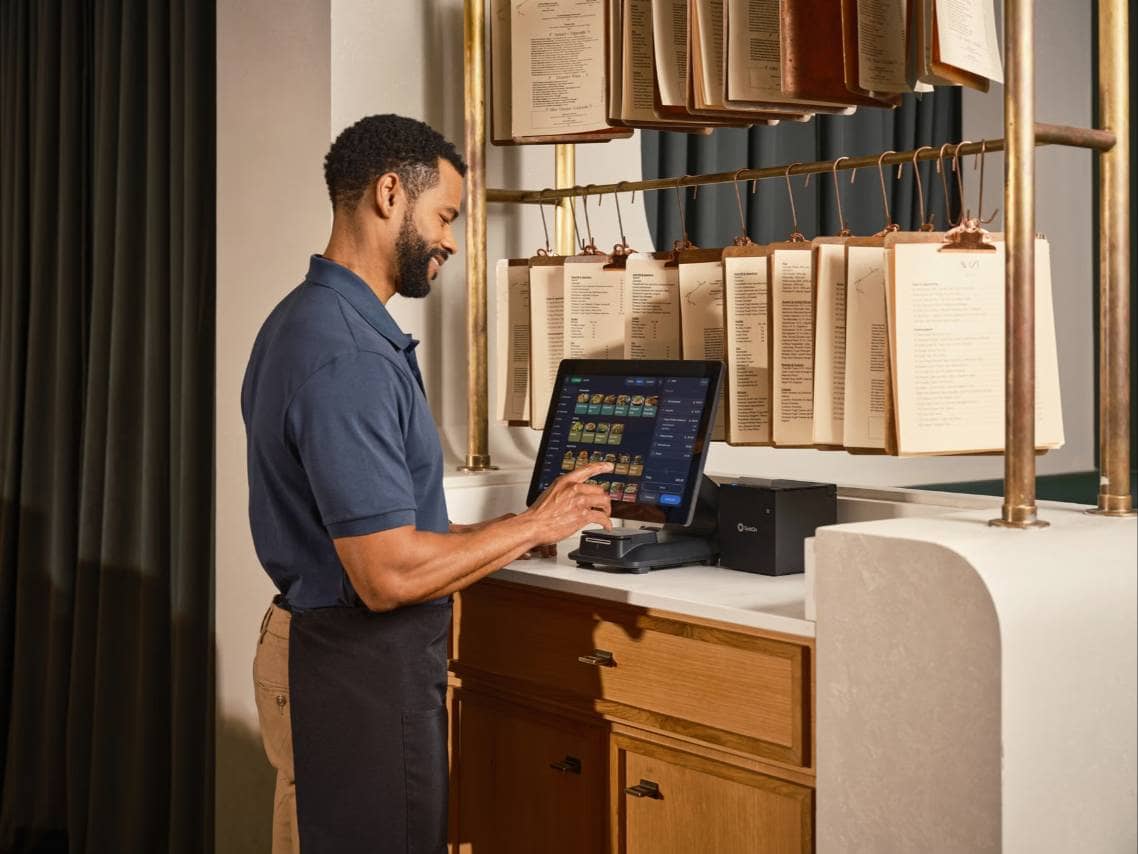
Discover ten essential technology tools that help restaurant owners streamline operations, control costs, improve accuracy, and support better daily decisions.
Jul 31, 2026

This guide explains restaurant accounting, covering revenue, expenses, payroll, inventory, taxes, financial statements, cash flow, and strategies for improving profitability.
Jul 31, 2026
Buying the right food thermometer can be a bit intimidating. There are so many options and it can be hard to know where to start. Thankfully, we've compiled a list of some of the most important points you need to know about food thermometers. From reading reviews, to figuring out the best brands, to understanding different types of thermometers, this guide will help you get started. If you're looking for a new food thermometer, you've come to the right place!
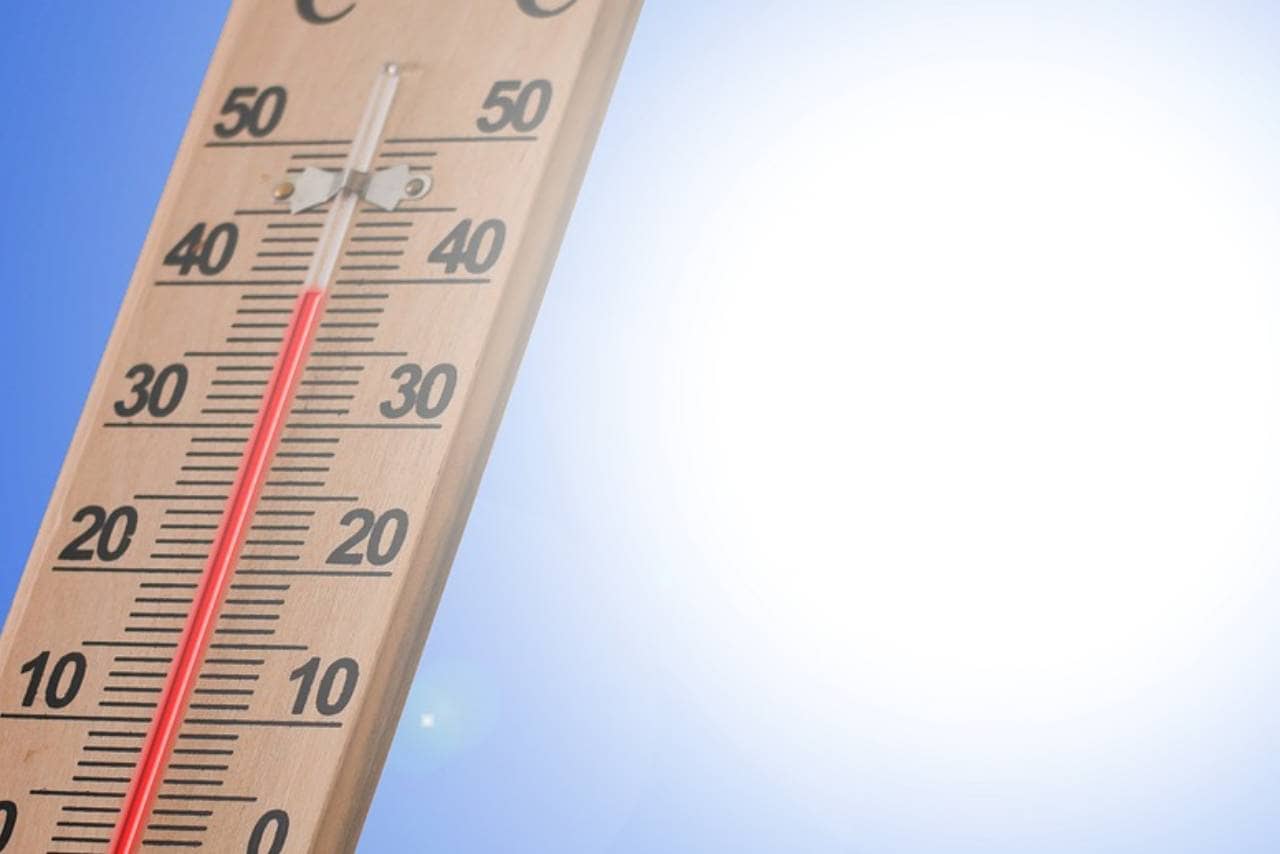
A food thermometer is an instrument that measures the internal temperature of cooked or processed foods. These measurements help you gauge if your foods are safe to eat. Different types of thermometers measure different things, so you want to make sure you're buying the right type for what you need.
There are a few different types of food thermometers on the market, but they all measure temperature in some way. There's an infrared thermometer, which is the only type of thermometer that can be used to measure the temperature of something that doesn't emit heat. This one is typically more expensive than the other types of food thermometers and it has a limited range. The other option is a contact thermometer, which requires you to actually touch the surface you're measuring in order to get an accurate reading. There's also a probe thermometer, which uses two probes- one for measuring the ambient temperature and one for measuring the meat or whatever else you want to measure. The final option is a laser thermometer, which emits light from one direction and measures its reflection on another direction.
When it comes to choosing the right food thermometer, there are a few things you want to keep in mind. You'll want to select one that is accurate, easy to clean, and durable. Accurate- One thing you want in your thermometer is accuracy. You don't want your food coming out under-cooked or overcooked. Easy To Clean- After you use your food thermometer, it should be easy to clean. This ensures that you won't have any bacteria or mold growing inside the device after using it for a couple of months. Durability- You also want something that will last. If you buy something cheap, chances are it won't last as long as a more expensive option and may not be as durable in general.
One of the most important considerations when buying a food thermometer is accuracy. Accuracy is especially important if you're cooking meat and need to know it's reached the correct temperature. There are three different types of thermometers- instant read, digital probe, and dial thermometer. Digital probes are the most accurate, but they also tend to be more expensive than other options. Instant read thermometers should be accurate within 1-2 degrees Fahrenheit and dial thermometers should be accurate within 3-4 degrees Fahrenheit.
There are some general guidelines for using a food thermometer. If you want to ensure that your food is cooked properly, it's important to use a food thermometer. It's also important that the metal probe of the thermometer isn't touching any bone or inside any other type of meat.
There are so many options when it comes to food thermometers that it can be hard to know which one is best for your needs. The key is to identify what you'll be using it for and how often, so you can find a thermometer that will be accurate and easy to use. Most of the time, you'll need a thermometer with a wide range of temperature settingsfrom 100 degrees Fahrenheit to 500 degrees. The best way to know if you have the right food thermometer is by taking the temperature of something else, like a piece of meat or a pot of water. If it's giving you an accurate reading, then you've found the right one!