Restaurant Technology Trends in 2026
Explore restaurant technology trends in 2026, including AI, automation, digital ordering, workforce tools, connected kitchens, personalization, and profitability strategies today.
Technology
Aug 28, 2026
Explore restaurant technology trends in 2026, including AI, automation, digital ordering, workforce tools, connected kitchens, personalization, and profitability strategies today.
Aug 28, 2026
Learn how to calculate restaurant cost of goods using inventory, purchases, COGS percentage, variance reviews, and regular tracking for profitability.
Aug 31, 2026
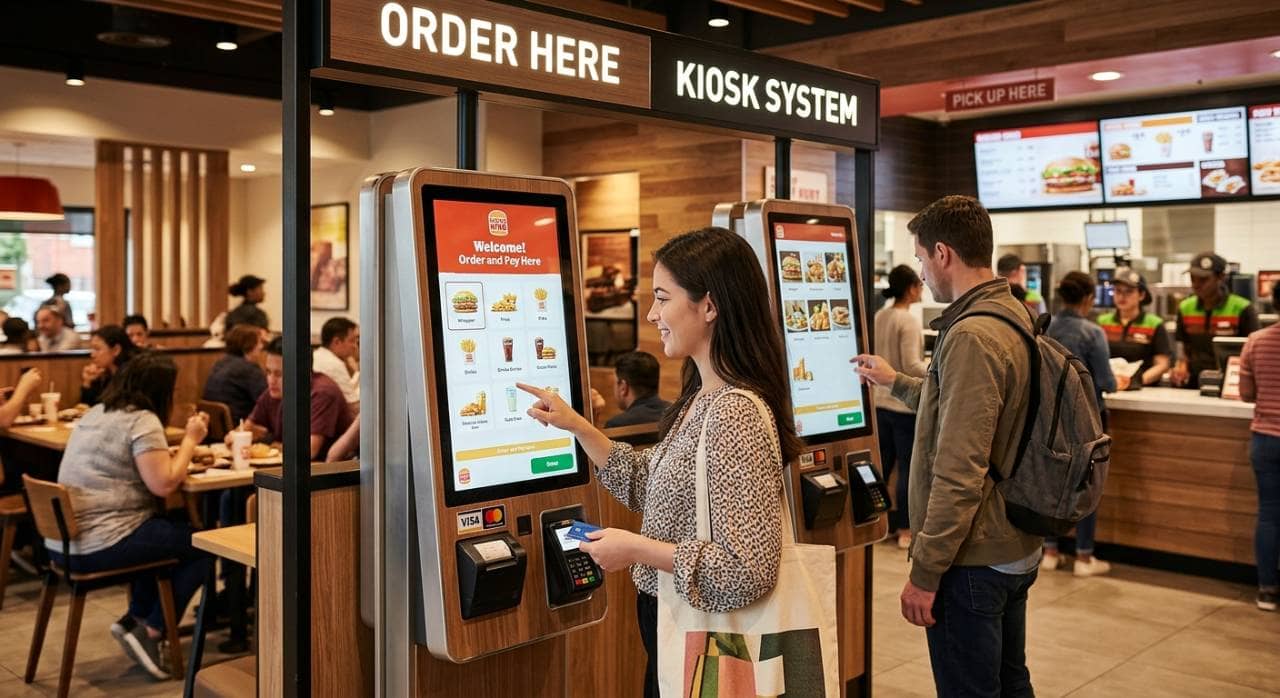
Understand how to evaluate a Kiosk system using key criteria including features, POS integration, hardware, pricing, customer experience, and support.
Aug 31, 2026
Learn the startup costs of opening an ice cream shop, including rent, equipment, renovations, permits, inventory, labor, marketing, and reserves.
Aug 28, 2026

A restaurant P&L statement reveals sales, expenses, and profits, helping owners manage costs, improve margins, and plan finances more effectively.
Aug 26, 2026

RaceTrac has appointed Jill Pemberton as chief financial officer, succeeding Karla Ahlert, who moves into the newly created role of chief administrative officer.
Aug 26, 2026
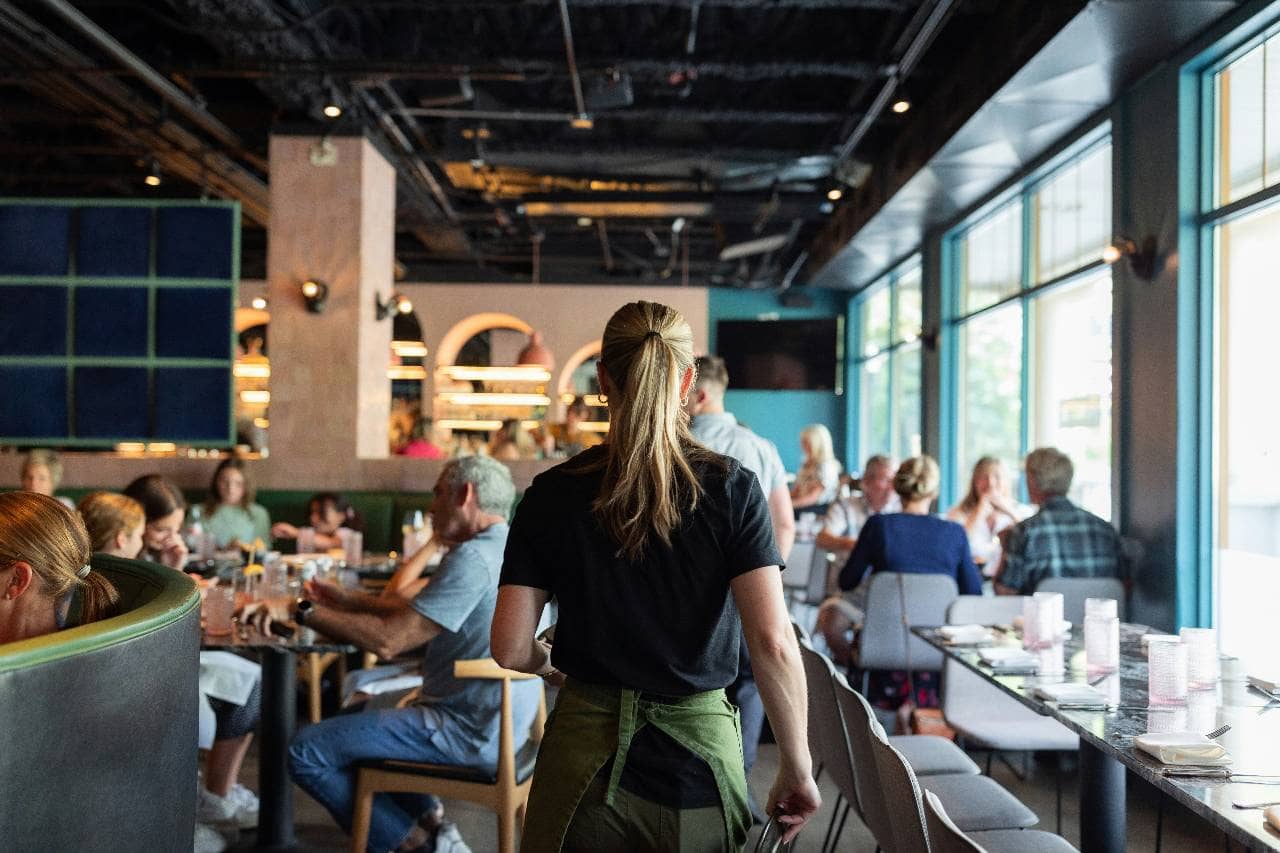
Learn practical ways to reduce labour costs through smarter scheduling, forecasting, productivity, cross-training, automation, overtime control, and performance monitoring strategies.
Aug 26, 2026

Levain Bakery appoints Lorna Sommerville and Taya Stenson as co-CEOs, blending operational and marketing expertise to power national expansion and innovation while staying rooted in its brand values.
Aug 25, 2026
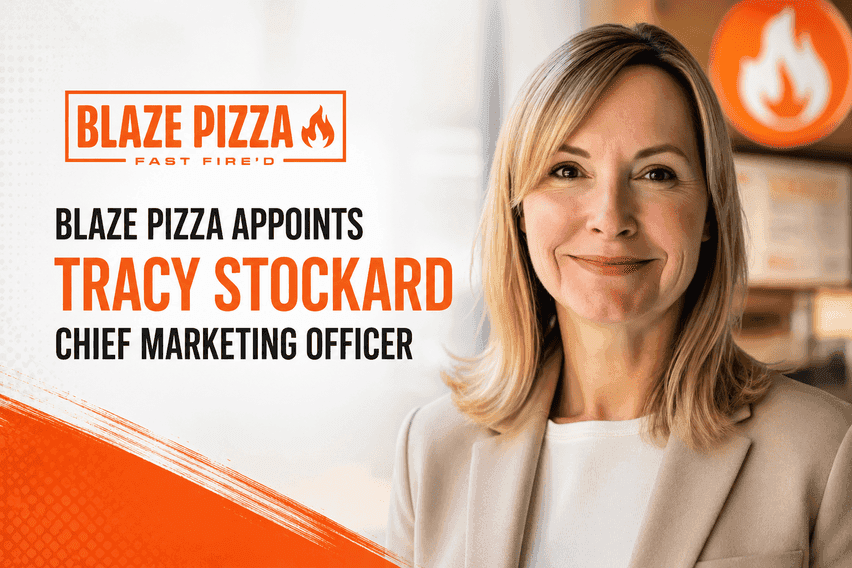
Blaze Pizza welcomes Tracy Stockard as Chief Marketing Officer, bringing decades of brand and franchise experience to drive strategic growth and guest engagement.
Aug 25, 2026

Create a practical restaurant marketing plan by setting goals, targeting customers, choosing channels, budgeting wisely, scheduling campaigns, and measuring results.
Aug 24, 2026

Unlock Exclusive Access To Webinars, Events, And The Latest News For Free!
The last thing you want to do is get someone sick so food safety news matters. If you're shopping for food, check out this list of guidelines to make sure you get home with only good things.
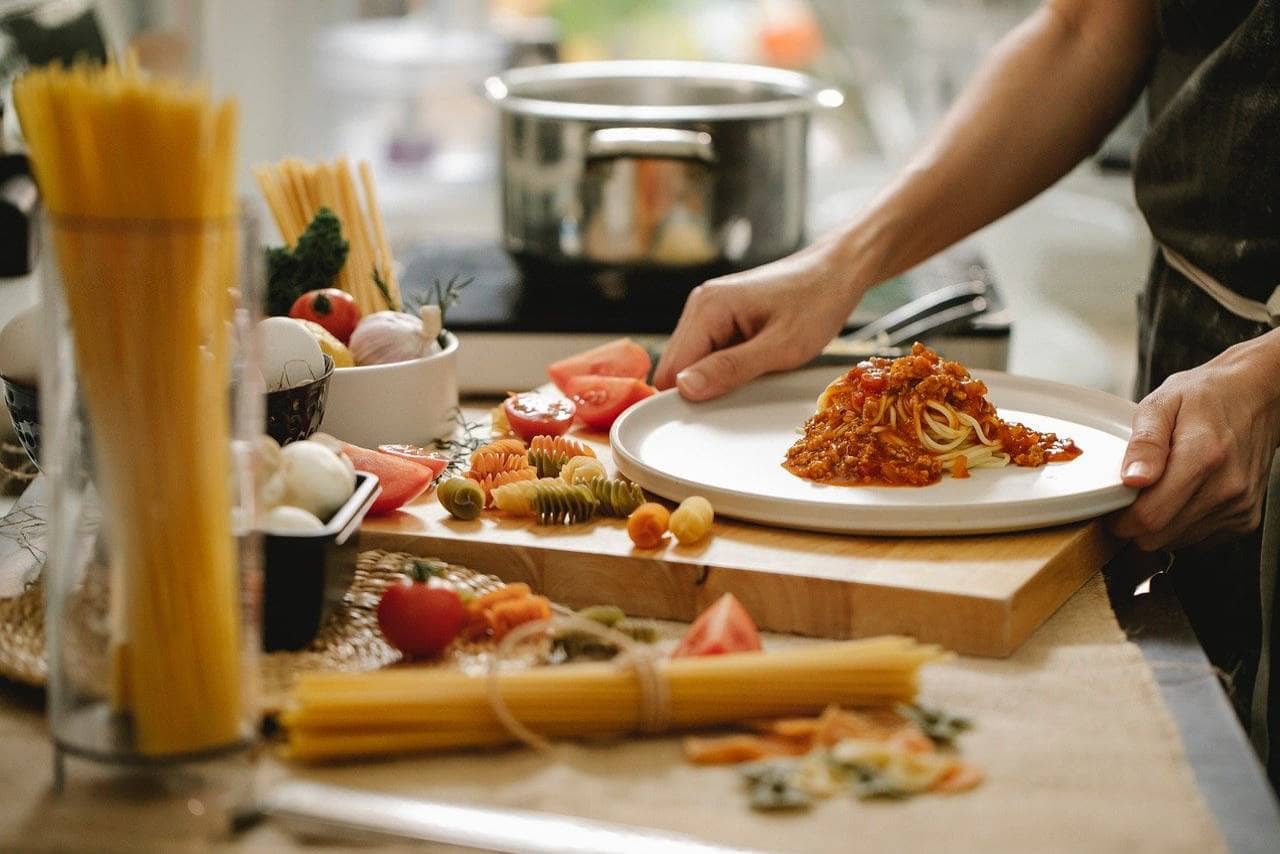
It is a known fact that every year in the United States, around 48 million Americans fall sick, 128000 are hospitalized and 3000 die of foodborne illness, shows the Centers for Disease Control and Prevention (CDC) data. So, considering the importance of food safety in our day-to-day life and promoting a food safety culture and public health, the Centers for Disease Control and Prevention (CDC) advised a few measures to be taken by restaurant kitchens and the food industry. 1. First and foremost is to wash your hands before you start cooking. Thoroughly clean your hands and fingers with soap and water for 20 seconds to make them germ-free. It is one of the easiest ways to prevent food poisoning. 2. Wash vegetables, fruits before you peel them as germs can enter from the surface. 3. It is advised not to wash raw meat poultry as their juice, which has germs, can splash on your cooking utensils and counter. 4. Keep separate knives, chopping boards, and plates for greens and meat poultry. 5. Similarly, temperature both cooking and storage temperature-- plays an important role in keeping food safe. Use a food thermometer to make sure you are cooking food at the right temperature.
They might not be visible to your naked eye, but they are definitely there! Yes, the germs and their eyes are on your food. Bacteria can enter our kitchen in three ways- When we bring home food from outside During preparation And, during storage Don't worry, germs are preventable! All you need is to follow hygiene in your kitchen. Be cautious while right from buying ingredients from the market to cooking and further storing it. 1. Kitchen cleaners like sponges and towels are often moist and wet, providing a favorable environment for bacteria growth. Make sure to wash them in hot water and sundry them regularly. 2. Kitchen counters and tools- These are the two most-used areas and therefore most exposed to germs! Therefore it is important to clean kitchen tops with hot water after you chop that meat poultry. Similarly, use separate cutting tools and chopping boards for meat poultry and fruits, and veggies to avoid cross-contamination. 3. Wash your produce like spinach, lettuce, and tomatoes thoroughly as they are more prone to E-coli and salmonella during harvest. 4. While shopping, pack your meat poultry in plastic wrap and then keep it in your trolley. As raw meat poultry are vulnerable to pathogens, wrapping them can prevent other food items in your cart safe. 5. Most people marinate the food at room temperature. This is a big NO. It is advisable to keep the marinated dishes in the refrigerator to avoid any bacteria growth. 6. Cooking food at the right temperature can kill most of the bacteria in your food. 7. To keep food safe , store it in refrigerator and set the temperature at 40 degrees Fahrenheit or lower while ice your freezer below 0 degree Fahrenheit.
Restaurant kitchens see a variety of food beverage dishes every hour. From incessant chopping of veggies, meat & poultry to containers full of marinated turkey and ovens going packed with pies back to back, restaurant kitchens are always hustling. In such a scenario, regular cleaning becomes imperative. 1. Cleaning kitchen appliances and tools are as important as cleaning veggies before cooking. Imagine cutting a fresh apple on the chopping boards that were just used for steaks! Not only does it sound gross, it can also lead to cross-contamination. 2. Wash dishes, pans, cooking pots in hot water with soap every night before wrapping up the kitchen. Then, immerse them in a sanitizing solution that can be prepared using chlorine bleach and lukewarm water. Air-dry the dishes as the towels and sponges could contaminate the dishes. 3. Wash iron pots and pans in soapy water using steel brushes and scouring powder. 4. You can also coat these iron utensils with unsalted cooking oil. Then heat it at 250 degrees Fahrenheit for over 2 to 3 hours in a microwave. This will clean the metal thoroughly. 5. To clean aluminum pans, use hot soapy water. 6. For cleaning the microwave, remove the plates and keep a bowl of water, mix white vinegar, and put lemon slices in it. Microwave it for about 5 minutes. The food beverage residue on the walls will loosen up. Wipe the insides with a microfiber cloth. 7. The food industry is obsessed with Pyrex containers. Use baking soda to clean these dishes. 8. If using a wooden board to chop meat, poultry or veggies, use bleach, kosher or lemon, and salt to disinfect it. 9. Keep the grill plates in vinegar or ammonia solution for deep cleaning.
Clean food is the easiest way to assure Food Safety and evade foodborne illness. The United States government agency Centers for Disease Control and Prevention has issued several advisories on Food Safety cooking and storage temperature and keeping kitchens clean. Restaurant kitchen must ensure hygiene practices for Food Safety and public health. Besides washing food products, they should regularly clean the kitchen appliances, sanities the drawers and racks too. To know more, read Food Safety