
How Much Does It Cost to Open an Ice Cream Shop?
Learn the startup costs of opening an ice cream shop, including rent, equipment, renovations, permits, inventory, labor, marketing, and reserves.
Business Management
Aug 28, 2026
Learn the startup costs of opening an ice cream shop, including rent, equipment, renovations, permits, inventory, labor, marketing, and reserves.
Aug 28, 2026
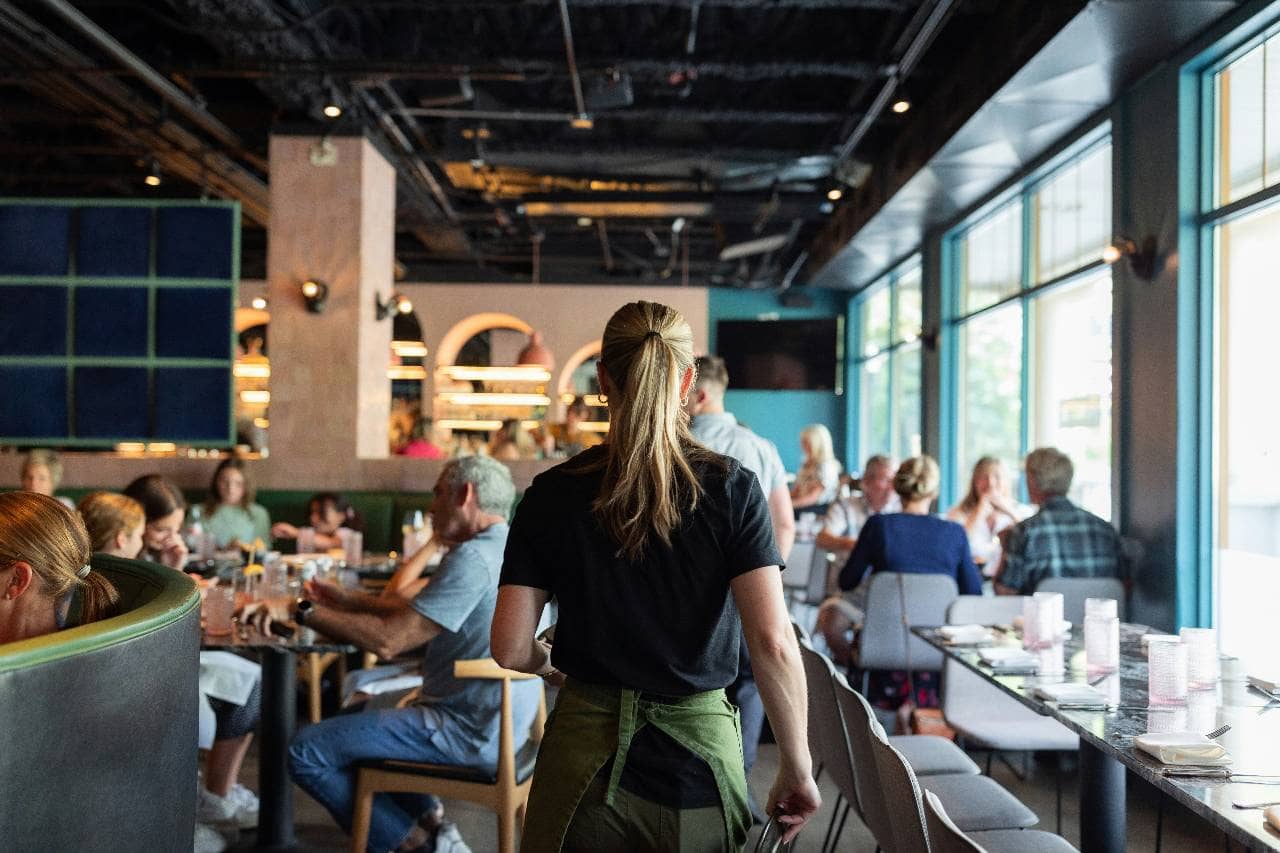
Learn practical ways to reduce labour costs through smarter scheduling, forecasting, productivity, cross-training, automation, overtime control, and performance monitoring strategies.
Aug 26, 2026
RaceTrac has appointed Jill Pemberton as chief financial officer, succeeding Karla Ahlert, who moves into the newly created role of chief administrative officer.
Aug 26, 2026

A restaurant P&L statement reveals sales, expenses, and profits, helping owners manage costs, improve margins, and plan finances more effectively.
Aug 26, 2026

A payroll advance policy helps restaurant owners define eligibility, limits, repayment, documentation, approval procedures, and compliance requirements for employee advances.
Aug 24, 2026

Levain Bakery appoints Lorna Sommerville and Taya Stenson as co-CEOs, blending operational and marketing expertise to power national expansion and innovation while staying rooted in its brand values.
Aug 25, 2026

Blaze Pizza welcomes Tracy Stockard as Chief Marketing Officer, bringing decades of brand and franchise experience to drive strategic growth and guest engagement.
Aug 25, 2026

Create a practical restaurant marketing plan by setting goals, targeting customers, choosing channels, budgeting wisely, scheduling campaigns, and measuring results.
Aug 24, 2026
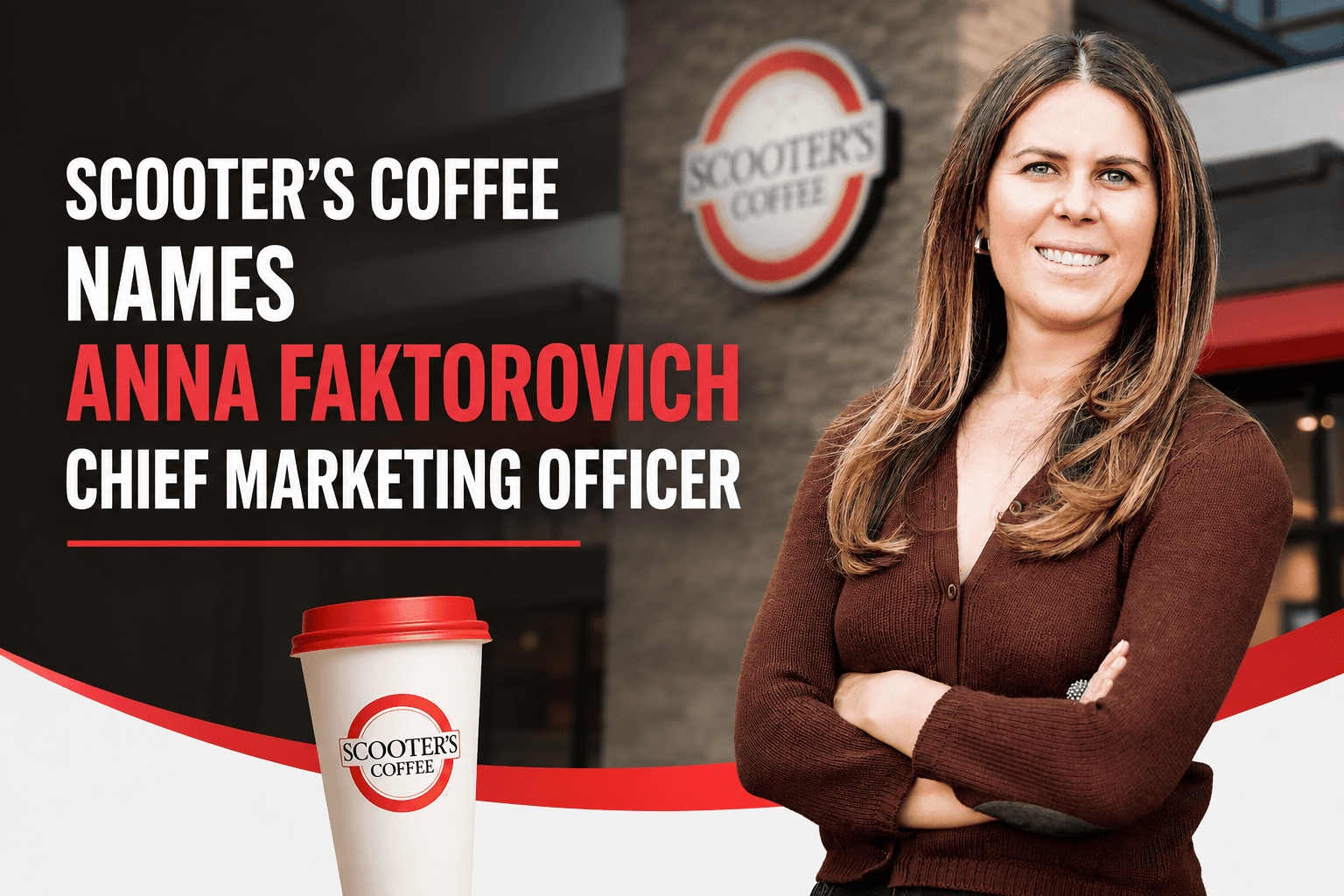
Anna Faktorovich, a seasoned marketing executive, has been named Chief Marketing Officer at Scooter’s Coffee, bringing decades of multi-brand experience to fuel the franchise’s next growth stage.
Aug 25, 2026
Wendy’s announces Tariq Hassan as Chief Marketing and Customer Growth Officer, charting a new course for brand and digital innovation. What restaurant owners can learn.
Aug 24, 2026

Unlock Exclusive Access To Webinars, Events, And The Latest News For Free!
Learn how to franchise a restaurant by building systems, protecting your brand, choosing franchisees, and supporting consistent long-term growth successfully.

There comes a point when a strong restaurant starts to feel bigger than one location. The dining room is busy, regular guests keep coming back, reviews are strong, and the brand has a clear identity. People may already be asking when you will open another location. For many restaurant owners, this is a sign that the concept has real growth potential. But restaurant growth requires more than demand. Opening company-owned locations takes capital, management depth, real estate planning, construction, hiring, training, marketing, and daily oversight. The owner carries the risk for every lease, every team, every operational problem, and every financial decision. That model can work, but it can also limit how fast the business can grow. Franchising creates a different path. Instead of funding every new location yourself, qualified franchisees invest their own capital and operate under your brand. They follow your systems, pay fees, and help bring the concept into new markets. However, franchising is not simply copying your restaurant. It changes your role from operator to system builder. Before you franchise a restaurant, the business must be profitable, repeatable, documented, legally protected, and strong enough to deliver the same guest experience across every location.
Before a restaurant owner spends money on franchise attorneys, consultants, marketing materials, or expansion plans, the first question should be simple- is the restaurant actually franchisable? A busy dining room does not automatically mean the concept can succeed as a franchise. Franchising requires a business model that can be repeated, taught, measured, and profitable in more than one location. The first test is proof of concept. A restaurant should have a sustained record of performance, not just a strong opening period or a short-term trend. Owners should review sales, prime cost, labor cost, guest traffic, average check size, food cost percentage, online reviews, and profit margins over time. A concept that performs well for several months may still need more history before it is ready to franchise. Franchisees want to invest in a model that has already been tested through busy seasons, slow periods, staffing challenges, price changes, and customer demand shifts. The second test is replicability. The restaurant cannot depend only on the founder's personality, personal recipes, or daily hands-on involvement. A franchisee with solid management skills should be able to follow the system and deliver the same guest experience in another city. If the owner must personally approve every dish, train every employee, fix every service issue, or manage every vendor relationship, the model is not ready yet. The third test is the restaurant's secret sauce. This is the reason customers choose the brand over another restaurant. It may be a signature menu item, proprietary recipe, unique service style, strong brand identity, efficient technology stack, supplier advantage, or clear positioning in the market. The stronger and easier to explain this difference is, the easier it becomes to attract franchisees and customers in new markets. The fourth test is healthy margins. A franchise location must generate enough profit for the franchisee after food, labor, rent, utilities, debt payments, royalties, marketing fees, and other operating expenses. If the original restaurant is barely profitable, adding franchise fees may make the model unattractive. A restaurant is ready to franchise when it is not just popular, but proven, repeatable, differentiated, and financially strong.

A restaurant cannot franchise chaos. If the business only works because the owner is there every day, the concept is not ready to be copied. Franchise growth depends on systems that another operator can learn, follow, and measure. This is where the operations manual becomes important. It is not just a training document. It is the blueprint for how every future location should run. It tells franchisees how food should be prepared, how guests should be served, how employees should be trained, how inventory should be managed, and how the brand should feel from one location to the next. The main areas to document include - 1. Kitchen and prep standards - The kitchen process needs to be specific enough that another team can produce the same food without guessing. This includes ingredient specs, recipe cards, prep steps, cooking times, holding times, portion sizes, plating guides, and approved substitutions. Owners should also document waste procedures. If a location is throwing away too much product, the franchisor needs a way to identify the issue. Tracking waste by item, shift, and reason can help franchisees control food cost and protect margins. 2. Front-of-house service standards - The guest experience should not depend on employee personality alone. Franchisees need clear service expectations. This includes greeting standards, order-taking steps, table service rules, phone etiquette, complaint handling, uniform guidelines, and cleanliness expectations. A strong brand should answer basic service questions - - How should guests be greeted? - How quickly should orders be taken? - How should complaints be handled? - What should the dining room look like during peak hours? - When should a manager get involved? These details matter because guests do not separate the franchisee from the brand. One poor experience can affect the entire system. 3. Technology and vendor standards - Every franchise location should use approved tools and suppliers. This may include the POS system, inventory management software, scheduling tools, payroll systems, delivery platforms, packaging suppliers, food distributors, and cleaning vendors. Standard technology makes reporting easier. It helps the franchisor compare sales, labor, food cost, inventory usage, voids, discounts, and waste across locations. 4. Food safety and compliance procedures - Food safety cannot be informal. Franchisees need written procedures for temperature logs, cleaning checklists, handwashing rules, storage standards, allergen handling, and daily manager reviews. The most practical step is to build checklists that can be used during real shifts. If the process is easy to follow, it is easier to train, audit, and correct. A strong brand blueprint turns daily restaurant habits into repeatable systems. That is what gives franchising structure.
Franchising is not something restaurant owners should handle with a handshake, a basic license agreement, or a simple brand-use document. Once you allow another person to invest in and operate under your restaurant name, you are entering a regulated business relationship. That means the legal foundation needs to be clear before you sell the first franchise. The main legal pieces include - 1. Franchise Disclosure Document - The Franchise Disclosure Document, often called the FDD, is one of the most important documents in the franchise process. In the United States, franchisors are generally required to provide this document to prospective franchisees before a sale can happen. The FDD includes 23 required sections. These sections explain key information about the franchise system, including fees, startup costs, territory rules, franchisor obligations, franchisee obligations, litigation history, financial performance information, trademarks, renewal terms, and termination rules. For restaurant owners, the FDD forces the business to become more organized. You must be able to explain the cost to open, the fees franchisees will pay, the support you will provide, and the rules they must follow. 2. Franchise Agreement - The Franchise Agreement is the binding contract between the franchisor and the franchisee. If the FDD explains the opportunity, the Franchise Agreement controls the relationship. This agreement should answer practical questions - - How long does the franchise term last? - What fees must the franchisee pay? - What brand standards must be followed? - What happens if the franchisee fails to meet requirements? - Can the franchisee renew, sell, or transfer the location? - What happens if the agreement is terminated? These details matter because a franchise relationship can last many years. The clearer the agreement is upfront, the fewer misunderstandings there should be later. 3. Intellectual property protection - Your brand name, logo, slogan, menu names, recipes, trade dress, and visual identity are valuable assets. Before expanding through franchising, restaurant owners should make sure key trademarks are protected. This step is important because franchisees are paying for the right to use the brand. If the brand is not properly protected, it creates risk for both the franchisor and the franchisee. 4. State and local requirements - Some states may have additional franchise registration, filing, or disclosure requirements. Restaurant owners should not assume one document works everywhere. The legal process may change depending on where franchises are being offered or sold. The most practical step is to work with an experienced franchise attorney before discussing deals with potential franchisees. A strong legal foundation does more than satisfy requirements. It gives the franchise system structure, protects the restaurant brand, and helps both sides understand the rules before growth begins.
The financial structure of a franchise needs to work from both sides. The franchisor needs revenue to support the brand, train franchisees, improve systems, and protect consistency. The franchisee needs enough profit left over to pay expenses, repay debt, build a team, and still make the investment worthwhile. This is where many restaurant owners need to slow down. Franchising is not just about collecting fees. If the numbers are too aggressive, franchisees may struggle. If the numbers are too low, the franchisor may not have enough resources to support the system. A basic restaurant franchise financial structure usually includes three main parts - 1. Initial franchise fee - The initial franchise fee is a one-time upfront payment made when the franchisee signs the agreement. This fee may cover onboarding, training, opening support, access to brand materials, site guidance, technology setup, and the right to operate under the restaurant's name. For the franchisor, this fee helps offset the cost of getting a new operator ready. It should be high enough to support the launch process, but not so high that it makes the opportunity unattractive to qualified franchisees. 2. Royalty fee - The royalty fee is the long-term revenue engine of the franchise model. In many food service franchise models, royalties are structured as a percentage of gross sales, commonly around 4% to 6%. This matters because the franchisor earns revenue as the franchisee grows sales. However, the percentage must be balanced carefully. A royalty that looks small on paper can become a major burden if food cost, labor cost, rent, debt payments, and other operating expenses are already high. 3. Marketing or advertising fund - The marketing or advertising fund is another common part of the structure. Many franchise systems collect around 1% to 2% of sales for shared marketing. This money may support digital ads, brand campaigns, promotional materials, website updates, social media, loyalty programs, or regional awareness. Owners should clearly define how the fund is collected, managed, and used so franchisees understand the value of the contribution. Restaurant owners should also think about the full startup investment a franchisee must make. This may include - - Lease deposits - Buildout and construction - Kitchen equipment - Furniture and signage - POS and technology systems - Opening inventory - Licenses and permits - Training expenses - Pre-opening payroll - Working capital The most important question is simple- after all fees and operating costs, can the franchisee still make money? A strong franchise system does not only create income for the franchisor. It creates a financial model that gives franchisees a fair chance to succeed. When the numbers are clear, balanced, and realistic, the brand has a stronger foundation for long-term growth.

Franchise growth can look exciting on paper. More locations, more markets, more brand visibility, and more royalty revenue can all sound like progress. But growth becomes risky when the wrong franchisees are allowed into the system. A franchisee is not just buying a business opportunity. They are representing your restaurant brand every day. Their food quality, hiring decisions, customer service, cleanliness, and leadership all affect how guests see the brand. One poorly operated location can damage trust that took years to build. A strong franchisee profile should include a few key qualities - 1. Enough liquid capital - Franchisees need enough available cash to open the restaurant and survive the early months of operation. It is not enough for someone to afford the franchise fee. They also need money for buildout, equipment, inventory, payroll, training, marketing, rent, and working capital. If the franchisee starts underfunded, they may cut corners. That can lead to poor staffing, weak marketing, delayed vendor payments, lower food quality, and a bad opening experience. 2. Restaurant or hospitality experience - A franchisee does not need to know every detail of your concept on day one, but they should understand the pressure of food service. Restaurants move fast. Labor changes quickly. Food cost shifts. Guests complain. Equipment breaks. Managers need to make decisions during busy shifts. Owners should look for people who understand service, operations, leadership, and accountability. 3. Ability to follow systems - Some investors want the brand name but not the rules. That creates problems. A franchise system only works when operators follow the playbook. The best franchisees understand that consistency protects everyone. They are willing to use approved recipes, vendors, technology, uniforms, pricing guidelines, food safety procedures, and service standards. 4. Strong local market knowledge - A good franchisee should understand the community they plan to serve. This includes traffic patterns, customer habits, hiring conditions, local competition, delivery demand, and neighborhood demographics. Local knowledge matters because the franchisor provides the system, but the franchisee operates inside the market every day. 5. Leadership and communication skills - A franchisee must be able to hire, train, coach, and retain a team. They also need to communicate clearly with the franchisor when sales drop, costs rise, guest complaints increase, or operational standards slip. The most practical step is to create a franchisee scorecard. Restaurant owners can rate candidates on capital, experience, leadership, market fit, operational discipline, and willingness to follow standards. Choosing the right franchisees may slow growth in the beginning, but it protects the brand long term. A strong franchise system is not built by signing the most people. It is built by choosing the right people.
Selling a franchise is not the finish line. It is the beginning of a long-term operating relationship. Once a franchisee signs the agreement, the restaurant owner becomes responsible for teaching the system, supporting the launch, and protecting the brand across every location. This is where franchising becomes very different from simply opening another restaurant. In a company-owned location, the owner has more direct control. In a franchise location, the owner must lead through systems, training, communication, reporting, and accountability. The main focus should be consistency. A guest should know what to expect whether they visit the original location or a franchise location in another market. The menu, food quality, service style, cleanliness, branding, and overall experience should feel familiar. A strong franchise support program should include these areas - 1. Initial training - Training should cover more than recipes. Franchisees and managers need to understand the full operating model. This includes kitchen prep, food safety, labor scheduling, inventory control, guest service, POS usage, reporting, hiring standards, marketing expectations, and manager responsibilities. 2. Opening support - The first few weeks of a new franchise location are critical. A weak opening can hurt sales, reviews, employee confidence, and customer trust. Restaurant owners should plan for onsite opening support. This may include help with staff training, soft opening preparation, kitchen setup, menu execution, guest flow, vendor coordination, and first-week troubleshooting. 3. Quality control audits - Franchisees need ongoing review after opening. This should not feel random or personal. It should be based on clear brand standards. Audits may review food quality, cleanliness, service timing, temperature logs, inventory practices, employee appearance, signage, menu accuracy, and guest experience. The more measurable the audit is, the easier it is to correct issues. 4. Ongoing coaching - A franchisee may need help after sales slow down, labor cost rises, food cost increases, or customer complaints become more frequent. Support should not only happen when something goes wrong. Regular check-ins can help review sales trends, labor percentages, inventory variance, online reviews, marketing performance, and operational gaps. This gives the franchisor a better view of how each location is performing. 5. Brand protection - Franchisees own their businesses, but they do not own the brand standards. That distinction matters. A franchisee may have ideas, local preferences, or ways they want to operate, but the franchisor must protect the guest experience. The most practical step is to create a support calendar. This can include training dates, opening checklists, audit schedules, reporting deadlines, marketing reviews, and manager check-ins. A strong franchise system does not grow by handing over a logo and hoping for the best. It grows by teaching the model, measuring performance, supporting operators, and protecting the standards that made the original restaurant successful.
