
How Much Does It Cost to Open an Ice Cream Shop?
Learn the startup costs of opening an ice cream shop, including rent, equipment, renovations, permits, inventory, labor, marketing, and reserves.
Business Management
Aug 28, 2026
Learn the startup costs of opening an ice cream shop, including rent, equipment, renovations, permits, inventory, labor, marketing, and reserves.
Aug 28, 2026
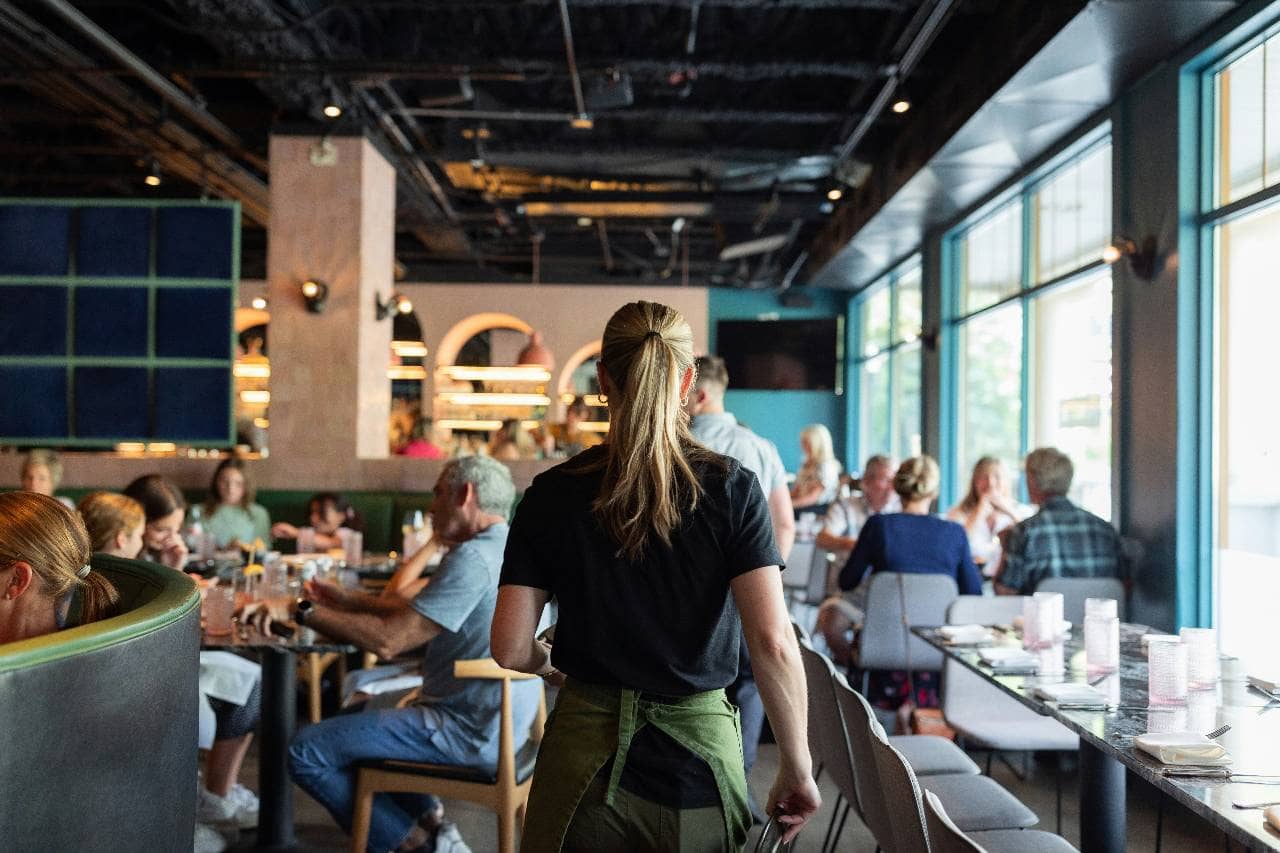
Learn practical ways to reduce labour costs through smarter scheduling, forecasting, productivity, cross-training, automation, overtime control, and performance monitoring strategies.
Aug 26, 2026
RaceTrac has appointed Jill Pemberton as chief financial officer, succeeding Karla Ahlert, who moves into the newly created role of chief administrative officer.
Aug 26, 2026

A restaurant P&L statement reveals sales, expenses, and profits, helping owners manage costs, improve margins, and plan finances more effectively.
Aug 26, 2026
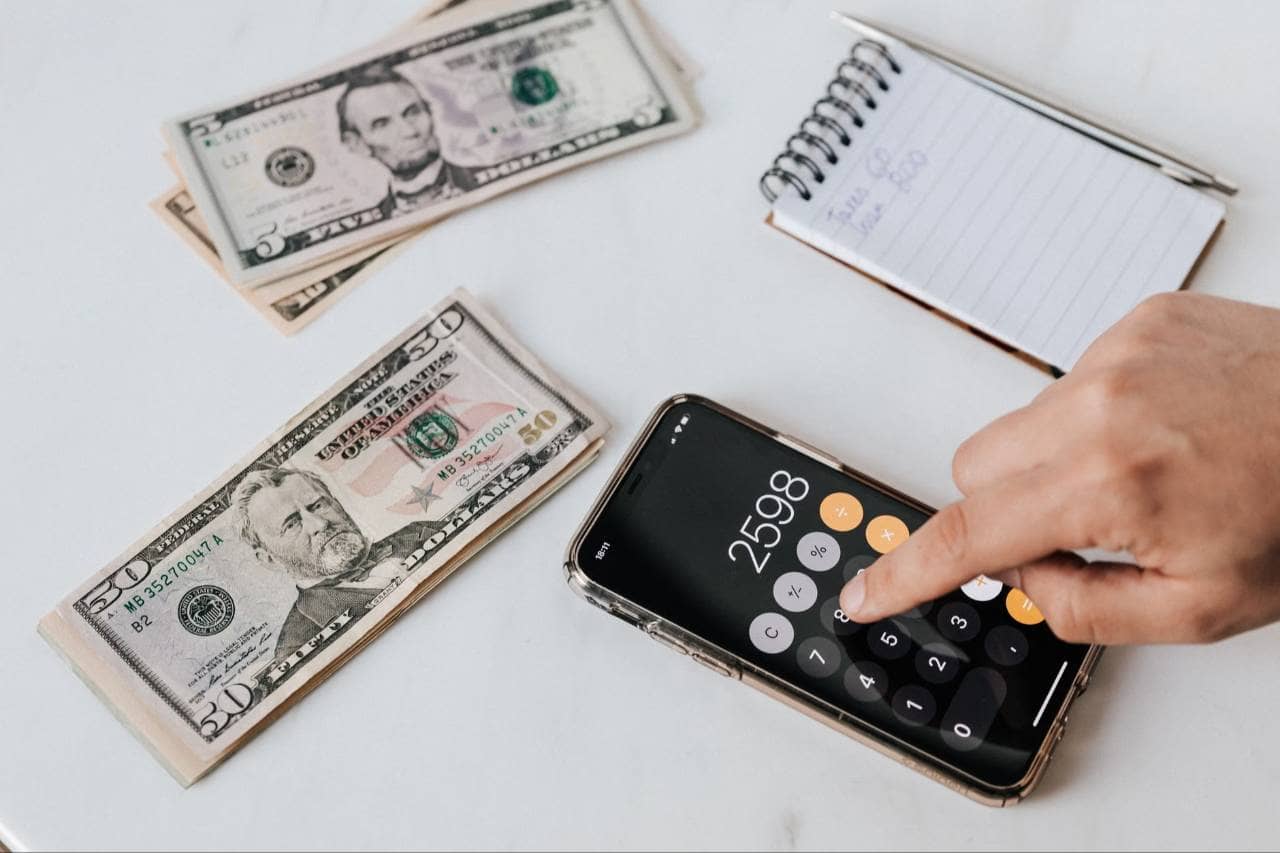
A payroll advance policy helps restaurant owners define eligibility, limits, repayment, documentation, approval procedures, and compliance requirements for employee advances.
Aug 24, 2026

Levain Bakery appoints Lorna Sommerville and Taya Stenson as co-CEOs, blending operational and marketing expertise to power national expansion and innovation while staying rooted in its brand values.
Aug 25, 2026
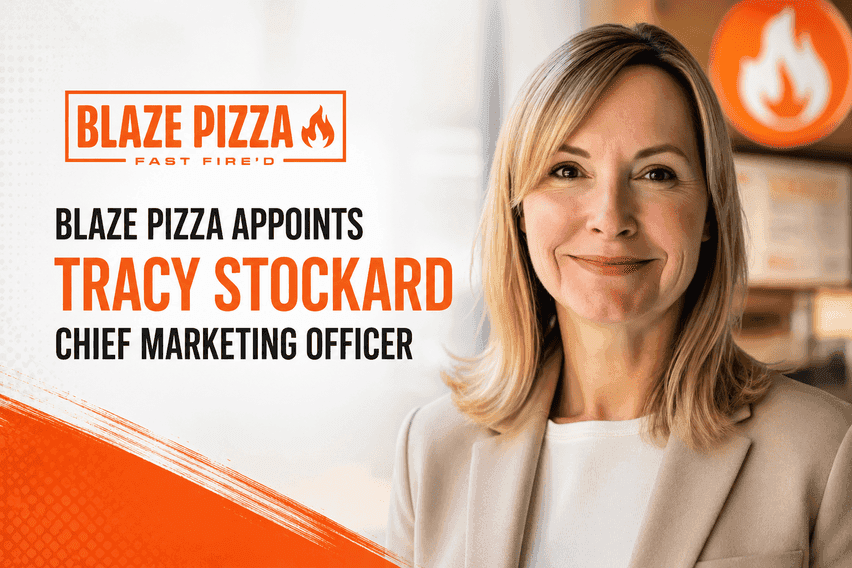
Blaze Pizza welcomes Tracy Stockard as Chief Marketing Officer, bringing decades of brand and franchise experience to drive strategic growth and guest engagement.
Aug 25, 2026

Create a practical restaurant marketing plan by setting goals, targeting customers, choosing channels, budgeting wisely, scheduling campaigns, and measuring results.
Aug 24, 2026
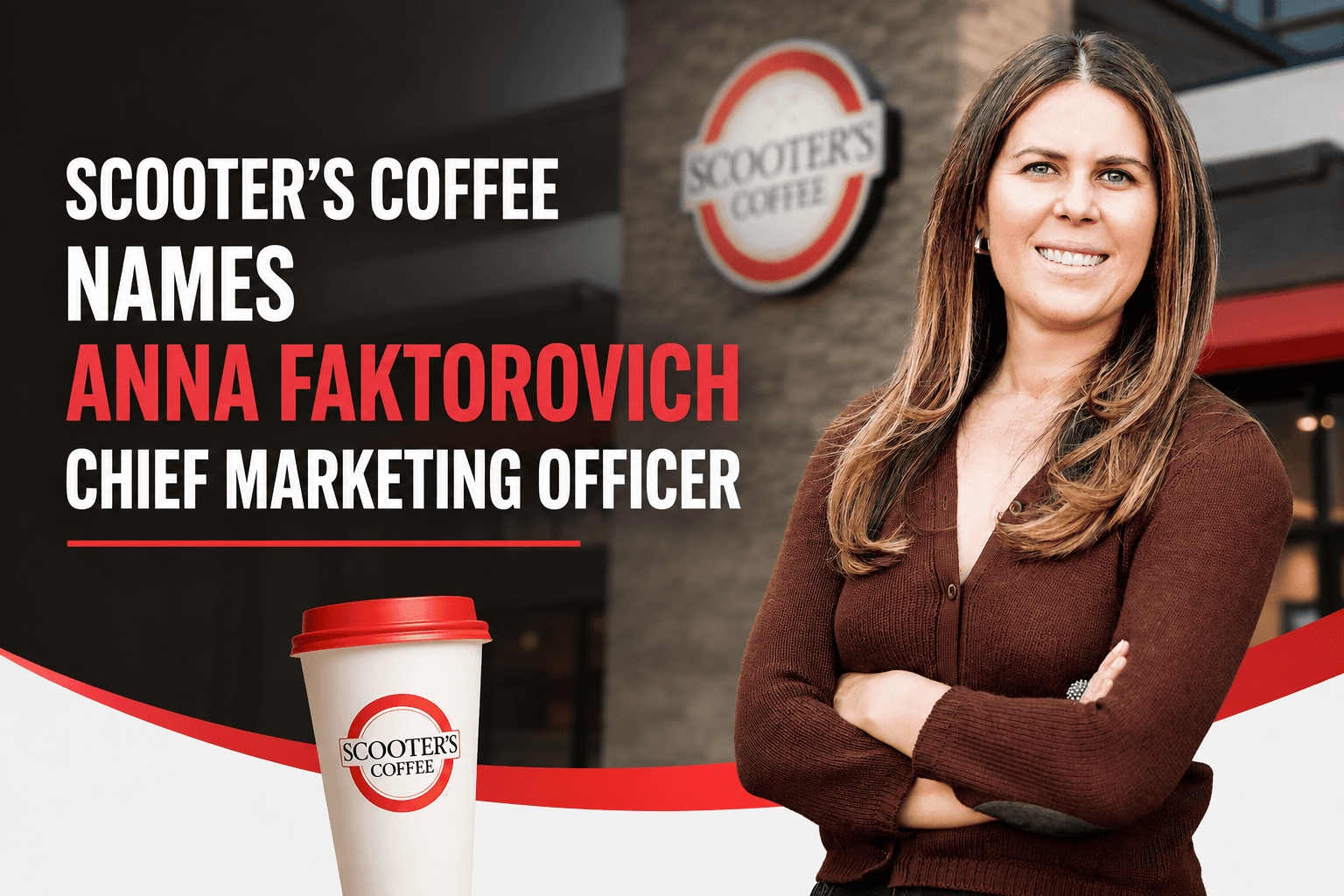
Anna Faktorovich, a seasoned marketing executive, has been named Chief Marketing Officer at Scooter’s Coffee, bringing decades of multi-brand experience to fuel the franchise’s next growth stage.
Aug 25, 2026
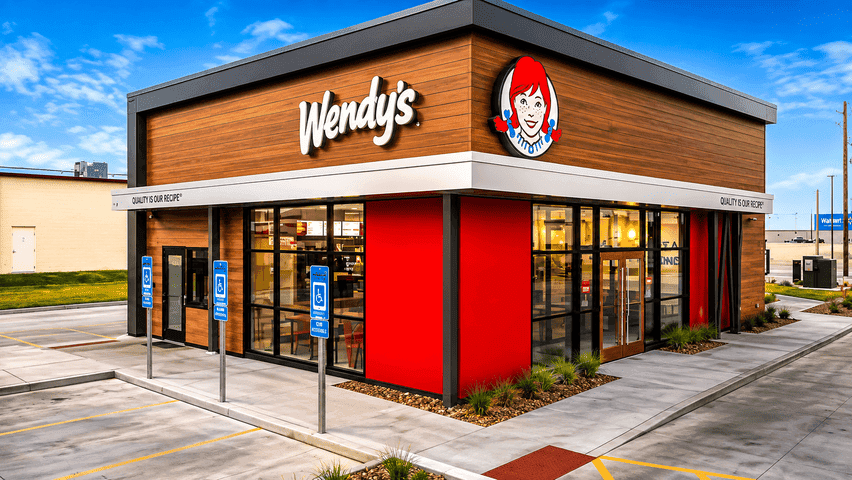
Wendy’s announces Tariq Hassan as Chief Marketing and Customer Growth Officer, charting a new course for brand and digital innovation. What restaurant owners can learn.
Aug 24, 2026

Unlock Exclusive Access To Webinars, Events, And The Latest News For Free!
Chick-fil-A will refresh 200+ multi-sensory playgrounds by 2026 to boost dine-in traffic and loyalty, adding app content and toys as rivals upgrade experiences.

Photo by Ulvi Safari
Chick-fil-A is putting play back at the center of dine-in. The chain plans to reimage more than 200 playgrounds across the U.S. by December 2026, swapping basic structures for multi-sensory designs and interactive games. With on-premises traffic back near pre-pandemic levels, according to Circana, the company is treating play as a strategic differentiator and a “place of connection” for families and the community.
The move leans on brand heritage and taps a clear shift in what families want from a meal out. Kids & Family Senior Principal Team Lead Kate Neyhart said, “Our playgrounds have long been a memorable part of the Chick-fil-A experience, serving as a nostalgic backdrop for the childhood memories that define the dine-in experience,” adding, “Physical play has always been a cornerstone of our family experience, so we’re thrilled to evolve that even further by introducing over 200 new and refreshed playgrounds across the U.S. by the end of this year.”
Since 2020, more than 45% of indoor playground facilities have added sensory-friendly areas, and 80% of parents with neurodiverse children ask for these features, per WorldMetrics. Sensory-driven toys also led U.S. industry growth of 13% through April 2026, Circana reports, a signal that tactile engagement is not a fad. Here is what the refresh looks like in practice. Formats will vary by site, from compact indoor builds to immersive installations in larger boxes.
Expect textured climbing walls, sound-responsive panels, and light-based games designed for collaborative play. Most new-build restaurants will include a version of these spaces, making the program part of standard development rather than a one-off pilot. The initiative reaches beyond the dining room as well. The Play app, launched in 2024, now carries a Cow Squad animated series and the Cowz World game.

Kids’ Meal incentives shift to 3D playsets, activity books, and custom Hasbro® games. As Neyhart put it, “Chick-fil-A‘s new era of Kid’s Meal toys are designed to spark genuine creativity and unplugged play, providing the whole family with take-along fun,” and, “From Cow Karts and 3D playsets to classic Hasbro® games, these prizes encourage children to build their own worlds and engage in play time together long after the meal is over.” MarketResearch.com projects continued growth in demand for multi-sensory experiences, especially among younger guests who seek interactive environments.
Executives are framing the investment as both community service and competitive muscle. “We want people to trust us for providing that space and we believe it’s important for kids to have physical safe spaces,” said Vice President of Brand Strategy, Advertising and Media Khalilah Cooper. Rivals are not sitting still. McDonald’s Executive Vice President and Global Chief Restaurant Experience Officer Jill McDonald said its redesigned restaurants focus on “creating feel-good moments for customers and crew,” and “making them more enjoyable to visit.”
That aligns with the brand’s global NEXT makeover, which features large enclosed PlayPlaces with floor-to-ceiling glass, outdoor seating, and self-service pickup stations. KFC is mining nostalgia too, bringing back Popcorn Chicken as part of its comeback plan. Chick-fil-A has not disclosed a budget for the playground program. Systemwide, a new restaurant typically requires $2 million to $5 million for land, construction, and equipment, and the company renovates a store roughly once in its 30-year life, timing that helps fold play upgrades into scheduled remodels.
Rising dine-in momentum gives this strategy a tailwind. Circana points to renewed on-premises visits that make experiential spaces more valuable. MarketResearch.com forecasts significant expansion in the global multi-sensory food experiences market through 2034, and the Specialty Food Association named 2026 the year of “SenseMaxxing,” a push for heightened sensory engagement across food and environments. There are still gaps to watch:
- The company has not released the exact number of existing playgrounds in its system.
- The financial impact of sensory upgrades on per-store revenue and guest frequency is undisclosed.
- Metrics for measuring success beyond community sentiment remain unclear.
- A McKinsey analysis shows that although Gen Z prioritizes sit-down visits, older diners are tightening wallets, creating mixed demand signals for family-oriented investments.
Those unknowns make early store-level performance especially instructive.
Chick-fil-A is betting that better play drives longer stays, repeat visits, and loyalty that shows up on the P&L. If the buildout keeps families coming back and lifts sales in a measurable way, play could shift from a nostalgic extra to a must-have in family dining, and competitors are likely to speed their own upgrades. With most new-builds set to carry the refreshed format and a target of more than 200 playgrounds by the end of 2026, the next 18 to 24 months will reveal whether sensory-forward design can become a lasting competitive edge.