How to Start a Food Truck Business
Learn how to start a food truck business by planning costs, permits, menus, equipment, locations, marketing, staffing, and efficient operations.
Jul 14, 2026
Learn how to start a food truck business by planning costs, permits, menus, equipment, locations, marketing, staffing, and efficient operations.
Jul 14, 2026
Explore leading restaurant equipment brands and learn how to choose reliable cooking, refrigeration, preparation, beverage, storage, and serving systems confidently.
Jul 14, 2026
Great Hill Partners takes a minority stake in Woof Gang Bakery & Grooming to accelerate franchise support, technology, and expansion.
Jul 14, 2026
Olive Garden brings back its $100 Pasta Pass for 13 weeks of unlimited pasta, soup or salad, and breadsticks; 10,000 passes, Aug 24 to Nov 22, dine-in only.
Jul 14, 2026
Resales accelerate amid boomer exits, tighter margins, and complex deals. Data gaps persist as brands formalize programs to keep units open.
Jul 14, 2026
Chipotle is launching its first Mexican location, redefining fast-casual strategy for restaurant leaders and offering key lessons for international growth and partnerships.
Jul 14, 2026
PizzaExpress will master franchise Houston TX Hot Chicken across the U.K. and Ireland, targeting 50 sites in three years with three openings in six months.
Jul 13, 2026
Wingstop posts 8.7% comp decline; leans on Club Wingstop loyalty, sports-heavy media, and smart kitchens to rebuild traffic. Investors eye July 29, 2026 results.
Jul 13, 2026
Love & Honey Fried Chicken signs 20-unit Southeast Florida deal, halves wait times, and lifts AUV to $2M as it scales franchising beyond the Northeast.
Jul 13, 2026
Wonder acquires Mighty Quinn’s BBQ, aligning ops and tech to scale via food halls and delivery, backed by funding as it readies Texas expansion and eyes a 2027–2028 IPO.
Jul 13, 2026
Explore leading restaurant equipment brands and learn how to choose reliable cooking, refrigeration, preparation, beverage, storage, and serving systems confidently.

Choosing the right restaurant equipment brands involves more than comparing purchase prices. Commercial kitchen equipment must perform consistently during long operating hours, meet U.S. safety requirements, and remain serviceable throughout its useful life. Start by checking whether the equipment carries recognized certifications such as NSF, UL, or ETL. These certifications help confirm that products meet applicable sanitation, electrical, and safety standards for commercial use in the United States. Energy-efficient models may also carry an ENERGY STAR certification, which can help reduce long-term utility expenses. Durability is another major consideration. Restaurant owners should look for heavy-duty construction, stainless-steel components, strong hinges, reliable controls, and equipment designed for the expected production volume. A small countertop fryer may work for limited orders, while a high-volume kitchen requires a floor model built for continuous use. Service access is equally important. Prioritize brands with authorized technicians, replacement parts, distributors, and warranty support available in your region. Even a reliable machine may eventually need repairs, and long parts delays can interrupt service and reduce revenue. Owners should also compare - 1. Warranty length and coverage 2. Equipment capacity and dimensions 3. Energy and water consumption 4. Cleaning and maintenance requirements 5. Availability of local repair services 6. Total cost of ownership The best restaurant equipment brand is not always the most expensive. It is the brand that matches your menu, kitchen layout, sales volume, budget, and access to dependable support in the U.S. market.
Commercial cooking equipment must handle high temperatures, long operating hours, and repeated use during busy shifts. For restaurants in the U.S. market, the following brands provide options for different menus, production levels, and kitchen layouts. 1. Vulcan - Vulcan offers a broad selection of commercial ranges, ovens, fryers, griddles, charbroilers, kettles, steamers, and heated holding equipment. Its extensive product range makes it a practical option for restaurants that want to purchase several cooking stations from one manufacturer. 2. Pitco - Pitco specializes primarily in commercial frying equipment. The brand offers countertop and floor fryers, multi-vat systems, built-in filtration, and automatic filtration options. Restaurants that sell large volumes of fries, wings, chicken, seafood, or other fried products may benefit from its specialized fryer lineup. 3. Frymaster - Frymaster is another major fryer brand available to U.S. restaurant operators. Its lineup includes gas, electric, full-size, space-saving, and oil-conserving models. Some systems also include automatic oil top-off, integrated filtration, and touchscreen controls, which can simplify fryer management in busy kitchens. 4. Blodgett - Blodgett focuses on commercial ovens, including convection, combi, deck, pizza, baking, and roasting models. Restaurant owners can choose from countertop, full-size, stacked, gas, and electric configurations based on production volume and available space. 5. Garland and Southbend - Garland and Southbend are strong options for traditional cooking lines. Both brands manufacture restaurant ranges, griddles, charbroilers, ovens, and other heavy-duty equipment. Their configurable ranges can combine burners, griddles, broilers, ovens, and storage bases into a single cooking station. 6. RATIONAL and Alto-Shaam - Restaurants seeking multifunctional cooking technology may consider RATIONAL for combi ovens and Alto-Shaam for combi ovens, cook-and-hold systems, multi-cook ovens, and heated holding equipment. These systems may be useful when owners want to prepare multiple menu items while reducing the number of separate appliances required. Before selecting a brand, compare cooking capacity, utility requirements, hood and ventilation needs, warranty coverage, local service availability, replacement parts, and the expected cost of maintenance.

Reliable refrigeration protects food quality, supports health-code compliance, and reduces the risk of inventory loss. Restaurant owners should select a brand based on equipment type, kitchen volume, available space, warranty terms, and access to authorized service in their U.S. region. 1. True Manufacturing - True Manufacturing is a well-established U.S. brand offering reach-in refrigerators and freezers, undercounter units, prep tables, chef bases, glass-door merchandisers, and bar refrigeration. The company manufactures equipment in the United States and maintains domestic parts inventory and customer-support resources. True is a practical option for restaurants that want a broad selection of refrigeration products from one manufacturer. 2. Traulsen - Traulsen is known primarily for heavy-duty reach-in refrigerators and freezers. Its product lineup also includes undercounter refrigeration, prep tables, milk coolers, roll-in units, heated cabinets, and glass-door merchandisers. Restaurants with demanding production schedules may consider Traulsen when durability, temperature control, and long-term operation are major priorities. 3. Hoshizaki America - Hoshizaki America supplies commercial refrigeration and ice-making equipment for the U.S. food-service market. Its refrigeration range includes reach-ins, undercounter models, prep tables, chef bases, pass-through cabinets, and roll-in units. The brand may be especially useful for owners who want to purchase both refrigeration and commercial ice equipment through the same manufacturer. 4. Turbo Air - Turbo Air offers more than 500 commercial refrigeration models, including refrigerators, freezers, prep tables, undercounter units, display cases, bar equipment, and walk-in systems. Its wide product selection gives restaurant owners options across different kitchen sizes, layouts, and budgets. Before purchasing refrigeration equipment, compare - - Interior capacity and exterior dimensions - Required operating temperature - Door, drawer, or pass-through configuration - Energy consumption - Compressor location and ventilation needs - Warranty and parts coverage - Local technician availability The right refrigeration brand should provide enough storage for peak demand while fitting the kitchen layout and remaining easy to clean, maintain, and repair.
Food preparation equipment can reduce manual work, improve portion consistency, and help kitchen teams complete repetitive tasks faster. For restaurant owners in the U.S. market, the following brands offer commercial machines for mixing, slicing, chopping, processing, blending, grinding, and vegetable preparation. 1. Hobart - Hobart is a strong option for restaurants needing heavy-duty mixers, meat slicers, food processors, grinders, peelers, and other preparation equipment. Its commercial mixer range includes countertop and floor models designed for tasks such as mixing dough, batter, frosting, mashed potatoes, and other high-volume recipes. Hobart also offers medium- and heavy-duty slicers for restaurants that regularly prepare meats, cheeses, and produce. 2. Robot-Coupe - Robot-Coupe specializes in commercial food processors, vegetable preparation machines, cutter mixers, immersion blenders, juicers, and combination units. Its machines can perform tasks such as slicing, grating, dicing, julienning, chopping, emulsifying, kneading, and grinding. This makes Robot-Coupe particularly useful for restaurants that process large quantities of vegetables, sauces, dressings, soups, or fresh ingredients each day. 3. Globe Food Equipment - Globe offers commercial slicers, planetary mixers, spiral dough mixers, meat choppers, cheese shredders, immersion blenders, and vegetable preparation equipment. The brand provides different slicer categories for limited, medium, and continuous use, allowing restaurant owners to match the machine to their daily slicing volume. Globe can be a practical choice for delis, sandwich shops, pizzerias, bakeries, and restaurants with regular meat, cheese, or dough preparation needs. 4. Vitamix Commercial - Vitamix Commercial is widely used for high-performance blending applications. Its commercial lineup includes beverage blenders, food-preparation blenders, and frozen-treat machines. Restaurants can use these machines for smoothies, frozen drinks, soups, sauces, purees, dressings, and other blended recipes. Certain models also include programmable settings or noise-reduction features that may benefit front-of-house beverage stations. 5. Waring Commercial - Waring Commercial provides a broad range of countertop food-preparation equipment, including commercial blenders, food processors, immersion blenders, grinders, mixers, and specialty appliances. Its selection may suit restaurants that need compact equipment for sauces, soups, beverages, small-batch processing, and other daily preparation tasks. When comparing food preparation brands, owners should consider the quantity processed per hour, motor strength, bowl or container capacity, available attachments, electrical requirements, cleaning procedures, and replacement-part availability. Equipment should be selected according to actual production volume. A machine designed for occasional use may wear out quickly when used continuously, while an oversized unit may take up valuable workspace and increase the initial investment.
The right display case protects food quality while making products more visible and appealing to customers. U.S. restaurant owners should match the case to the food being displayed, since cakes, pastries, sandwiches, pizza, fried foods, and grab-and-go items may require different temperature and humidity conditions. 1. Federal Industries - Federal Industries specializes in commercial bakery, deli, and fresh-food display cases. Its U.S. product selection includes curved-glass, Italian-glass, countertop, refrigerated, heated, and non-refrigerated models. The brand is a strong option for bakeries, cafes, delis, and restaurants that need customizable display configurations for different counter layouts. 2. Structural Concepts - Structural Concepts offers refrigerated, heated, and non-refrigerated merchandising equipment. Its bakery-focused products include full-service refrigerated cases for cheesecakes, pies, tarts, and chilled desserts, as well as dry cases for donuts, muffins, bagels, and pastries. The company also produces countertop, undercounter, open-access, and self-service displays for different service formats. Structural Concepts may be particularly useful for restaurants building a coordinated display line because many models are available in multiple widths and service configurations. Owners can choose between employee-served cases, customer self-service units, and grab-and-go refrigeration based on how they plan to sell products. 3. True Manufacturing - True Manufacturing provides commercial bakery and deli display solutions for the U.S. market. Its lineup includes refrigerated curved-glass cases, dry display merchandisers, and dual-temperature configurations. Certain refrigerated models are designed to maintain temperatures suitable for cakes, cold desserts, pastries, and deli products, while dry companion cases can display items that do not require refrigeration. True may be a practical choice for restaurant owners who already use the brand's refrigeration equipment and want their display cases to come from the same manufacturer. 4. Hatco - Hatco is best suited to restaurants that need heated food displays rather than traditional refrigerated bakery cases. Its lineup includes heated display cabinets, humidified merchandisers, air-curtain units, countertop warmers, and large-capacity holding displays. These products can be used for pizza, sandwiches, fried foods, pretzels, packaged meals, and selected bakery items that must remain warm. Some Hatco models combine controlled heat with humidity to help maintain serving quality, while open-air merchandisers provide faster access for high-traffic grab-and-go operations. 5. Beverage-Air - Beverage-Air offers refrigerated and dry deli display cases with curved front glass, adjustable shelving, interior lighting, and rear sliding doors. Its dry models can support baked goods and other shelf-stable products, while refrigerated versions are designed for foods that require controlled cold storage. Before choosing a display case brand, restaurant owners should compare - - Refrigerated, heated, or dry operation - Full-service or customer self-service access - Countertop or floor-standing installation - Interior shelf capacity - Temperature and humidity controls - Glass cleaning and maintenance requirements - Lighting and product visibility - U.S. warranty, parts, and repair support A bakery display case should do more than fit the available space. It must maintain the correct food conditions, support the restaurant's service style, and make products easy for customers to see and purchase.

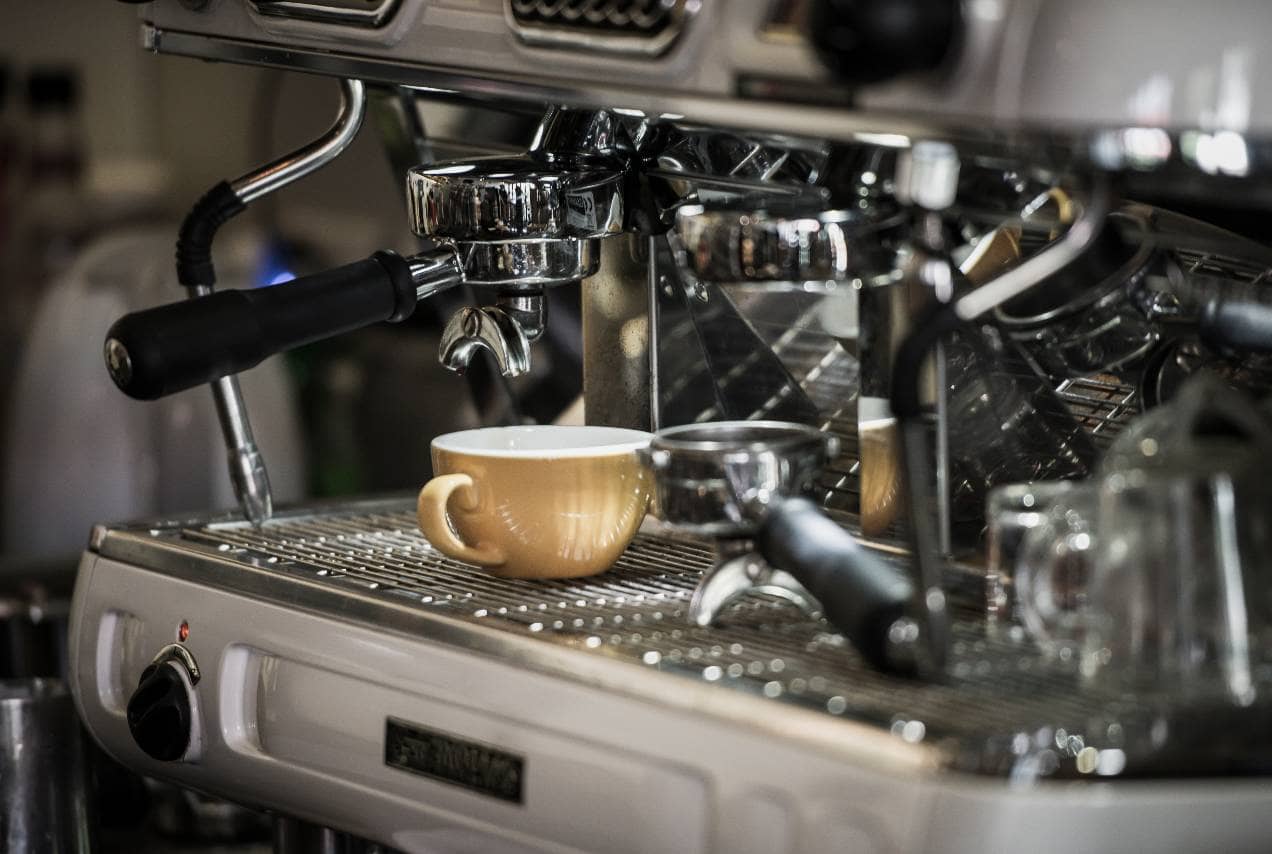
Commercial beverage equipment must produce consistent drinks while handling repeated use during breakfast, lunch, and dinner service. Restaurant owners in the U.S. should choose equipment based on beverage volume, service format, available counter space, electrical requirements, and access to local technical support. 1. BUNN - BUNN offers one of the broadest commercial beverage equipment selections available to U.S. restaurant operators. Its product categories include batch coffee brewers, thermal dispensing systems, bean-to-cup machines, espresso equipment, iced tea brewers, hot-water dispensers, frozen beverage systems, and cold coffee solutions. The brand can serve restaurants ranging from small breakfast operations to high-volume quick-service locations. Owners can select compact airpot brewers for lower demand, twin brewers for busy periods, or bean-to-cup systems that grind and brew individual drinks automatically. 2. Wilbur Curtis - Wilbur Curtis manufactures commercial coffee brewers, iced tea systems, hot-water dispensers, satellite servers, thermal dispensers, and high-volume brewing equipment. Its coffee brewer lineup includes batch, single-cup, satellite, thermal, and ultra-high-volume configurations. Curtis may be a practical choice for restaurants, hotels, cafes, and catering operations that need to prepare coffee in advance and move insulated servers to separate service stations. Some systems also provide programmable controls for brew volume, water temperature, pre-infusion, and pulse brewing. 3. FETCO - FETCO specializes in commercial coffee and tea brewing systems. Its U.S. product portfolio includes single and twin batch brewers, high-volume machines, multi-beverage systems, coffee grinders, hot-water dispensers, frozen beverage equipment, and coffee and tea dispensers. FETCO equipment can work well for restaurants that need precise batch control or regularly fill portable dispensers for buffets, banquets, self-service areas, and catering events. Certain newer brewing systems include touchscreen controls that allow operators to set brew times and save recipes. 4. Nuova Simonelli - Nuova Simonelli is a professional espresso equipment brand with machines and grinders available for cafes, restaurants, hotels, and other hospitality businesses. Its commercial models are designed for operations that need traditional espresso preparation, milk steaming, and higher drink output. Models such as the Appia Life are positioned for coffee shops, restaurant groups, and other locations that need to prepare a high number of espresso beverages. Restaurant owners should consider this type of equipment when espresso, cappuccino, latte, and other specialty drinks represent an important part of the menu. Before selecting a coffee or beverage equipment brand, compare - - Expected drinks per hour - Batch brewing or individual-cup service - Automatic or barista-operated controls - Brewer and dispenser capacity - Hot, cold, frozen, or specialty beverage needs - Water filtration requirements - Cleaning and descaling procedures - U.S. warranty, parts, and service coverage Restaurants with basic coffee service may only need a brewer and thermal dispenser. A cafe or beverage-focused concept may require espresso machines, grinders, milk systems, cold beverage equipment, and multiple brewing stations. Choosing equipment around actual demand helps prevent slow service, unnecessary spending, and oversized machines that consume valuable counter space.
Storage, warewashing, and serving equipment may not cook the food, but these products directly affect kitchen organization, sanitation, service speed, and food temperature. Restaurant owners in the U.S. market should prioritize durable materials, easy cleaning, replacement-part availability, and equipment that fits their workflow. 1. Metro - Metro is a leading option for commercial kitchen shelving, storage systems, carts, workstations, and heated holding equipment. Its product range includes wire shelving, polymer shelving, wall-mounted storage, mobile racks, transport carts, and cabinets for hot food holding. Metro's shelving options can be used in dry-storage rooms, walk-in refrigerators, freezers, preparation areas, and warewashing stations. The brand is especially useful for restaurants that need configurable storage. Owners can select shelving materials according to the operating environment, including corrosion-resistant options for humid dishrooms and cold-storage areas. Metro also offers heated holding cabinets with different temperature, moisture-control, insulation, and transport configurations. 2. Cambro - Cambro offers food-storage containers, food pans, shelving, insulated carriers, trays, dish racks, carts, and meal-service products. Its square and round containers can help restaurants organize ingredients, improve product visibility, and standardize storage practices across preparation stations. Cambro is also a practical choice for catering, delivery, banquets, and off-site service. Its insulated food-transport products are designed to protect hot or cold food during movement without requiring every container to have a powered heating or cooling system. Restaurant owners can use these products to transport prepared meals, pans, beverages, and catering orders. 3. Hobart - Hobart provides a broad line of commercial dishwashing equipment for U.S. restaurants. Its selection includes undercounter machines, door-type dishwashers, glasswashers, conveyor systems, and equipment designed for high-volume warewashing operations. Hobart may be suitable for restaurants that want multiple warewashing configurations from one manufacturer. A small cafe or bar might require an undercounter dishwasher or glasswasher, while a high-volume restaurant may need a door-type or conveyor machine capable of processing more racks during peak service. 4. Jackson Warewashing Systems - Jackson Warewashing Systems specializes in commercial dishmachines manufactured for the U.S. foodservice market. Its lineup includes undercounter machines, glasswashers, door-type units, conveyor systems, and flight-type machines. The brand provides options for both small operations and large kitchens. For example, an undercounter unit may fit a coffee shop or bar with limited space, while conveyor and flight-type systems are better aligned with restaurants producing a much higher volume of dishes, trays, and kitchenware. 5. Hatco - Hatco is a strong brand for food-holding and serving equipment. Its commercial product range includes heated holding cabinets, proofers, heat lamps, carving stations, countertop warmers, hot wells, cold wells, induction warmers, buffet equipment, fry-holding stations, and display merchandisers. Hatco equipment can be useful for restaurants that prepare food before the exact moment it is ordered or served. Heated cabinets and warmers help maintain serving temperatures during busy periods, while buffet and drop-in serving equipment supports cafeterias, catering lines, hotel restaurants, and self-service concepts. 6. Vollrath - Vollrath offers commercial serving systems, steam-table pans, food pans, warewashing racks, countertop equipment, and smallwares. Its stainless-steel steam-table pans are available in multiple shapes and sizes for storing, transporting, holding, and serving prepared food. Vollrath may be especially practical for restaurants with buffets, catering programs, banquet operations, hot-food lines, or high-volume preparation needs. The brand also offers hot-food stations and accessories that allow restaurant owners to build serving setups around their menu and available space. Before selecting storage, dishwashing, or serving equipment, restaurant owners should compare - - Available kitchen and storage space - Daily dish and glassware volume - High-temperature or chemical sanitizing requirements - Shelving weight capacity and corrosion resistance - Hot- and cold-holding needs - Water, drainage, ventilation, and electrical requirements - Cleaning and preventive maintenance procedures - Local U.S. parts and service availability The best brand depends on the equipment category. Metro and Cambro are strong choices for storage and transport, Hobart and Jackson specialize in warewashing, and Hatco and Vollrath provide extensive food-holding and serving solutions.

Choosing among the best restaurant equipment brands requires more than selecting the most recognizable manufacturer. The right choice should match the restaurant's menu, production volume, kitchen layout, utility capacity, budget, and access to U.S.-based service support. 1. Start With Your Menu - List the equipment required to prepare every major menu item. A burger restaurant may prioritize griddles, fryers, refrigeration, and heated holding equipment, while a bakery may need mixers, proofers, ovens, and display cases. Avoid purchasing equipment simply because it includes advanced features that your kitchen will rarely use. 2. Calculate Production Requirements - Estimate how many meals or products each machine must handle during the busiest hour. Equipment that is too small can create delays and overwork components. Oversized equipment may increase purchase costs, utility consumption, and space requirements without delivering a meaningful operational benefit. 3. Confirm U.S. Certifications and Local Codes - Check for applicable NSF, UL, ETL, and ENERGY STAR certifications. Restaurant owners should also confirm local health, fire, building, plumbing, ventilation, and electrical requirements before purchasing or installing equipment. Local authorities may have specific rules for hoods, grease traps, fire-suppression systems, floor drains, and gas connections. 4. Review Utility Requirements - Confirm whether the equipment uses natural gas, propane, electricity, water, drainage, or ventilation. Electrical voltage and phase requirements must match the building. Owners should involve qualified contractors before purchasing equipment that may require expensive utility upgrades. 5. Investigate Service and Parts Availability - Even reliable equipment eventually requires maintenance. Look for brands with authorized service companies, replacement parts, distributors, and warranty support near your restaurant. A lower-priced machine can become costly when parts are difficult to obtain or technicians must travel long distances. 6. Compare the Total Cost of Ownership - Evaluate more than the initial price. Total ownership cost may include - - Installation and delivery - Energy and water consumption - Cleaning supplies - Preventive maintenance - Replacement parts - Repair labor - Downtime - Expected equipment lifespan An energy-efficient refrigerator or fryer may cost more initially but lower operating expenses over time. 7. Read the Warranty Carefully - Review which components are covered, how long labor is included, and whether travel costs are excluded. Some warranties require installation by authorized professionals or regular maintenance records. Owners should keep invoices, serial numbers, service reports, and warranty documents organized. 8. Compare Brands by Equipment Category - One manufacturer may produce excellent fryers but may not be the best choice for refrigeration or food preparation. Compare brands within each category instead of purchasing every item from one company. For example, a kitchen might select Pitco for fryers, Blodgett for ovens, True for refrigeration, Hobart for mixers, and Hatco for heated holding. The best restaurant equipment brand is ultimately the one that supports reliable production, fits the kitchen's operating requirements, and can be maintained without extended downtime. A careful evaluation before purchasing can help restaurant owners avoid unnecessary repairs, installation problems, and expensive equipment replacements.