Great Hill Fuels Woof Gang’s Growth Sprint
Great Hill Partners takes a minority stake in Woof Gang Bakery & Grooming to accelerate franchise support, technology, and expansion.
Jul 14, 2026
Great Hill Partners takes a minority stake in Woof Gang Bakery & Grooming to accelerate franchise support, technology, and expansion.
Jul 14, 2026
Olive Garden brings back its $100 Pasta Pass for 13 weeks of unlimited pasta, soup or salad, and breadsticks; 10,000 passes, Aug 24 to Nov 22, dine-in only.
Jul 14, 2026
Resales accelerate amid boomer exits, tighter margins, and complex deals. Data gaps persist as brands formalize programs to keep units open.
Jul 14, 2026
Chipotle is launching its first Mexican location, redefining fast-casual strategy for restaurant leaders and offering key lessons for international growth and partnerships.
Jul 14, 2026
PizzaExpress will master franchise Houston TX Hot Chicken across the U.K. and Ireland, targeting 50 sites in three years with three openings in six months.
Jul 13, 2026
Wingstop posts 8.7% comp decline; leans on Club Wingstop loyalty, sports-heavy media, and smart kitchens to rebuild traffic. Investors eye July 29, 2026 results.
Jul 13, 2026
Love & Honey Fried Chicken signs 20-unit Southeast Florida deal, halves wait times, and lifts AUV to $2M as it scales franchising beyond the Northeast.
Jul 13, 2026
Wonder acquires Mighty Quinn’s BBQ, aligning ops and tech to scale via food halls and delivery, backed by funding as it readies Texas expansion and eyes a 2027–2028 IPO.
Jul 13, 2026
Slim Chickens’ president and COO Christina Vaughan shares brand, prototype, and AI strategies ahead of her QSR Evolution session on September 10.
Jul 13, 2026
Sensory-driven menu language boosts sales 27% and speeds decisions online and in-store. Data-backed tactics, examples, and pitfalls for operators.
Jul 13, 2026
Resales accelerate amid boomer exits, tighter margins, and complex deals. Data gaps persist as brands formalize programs to keep units open.
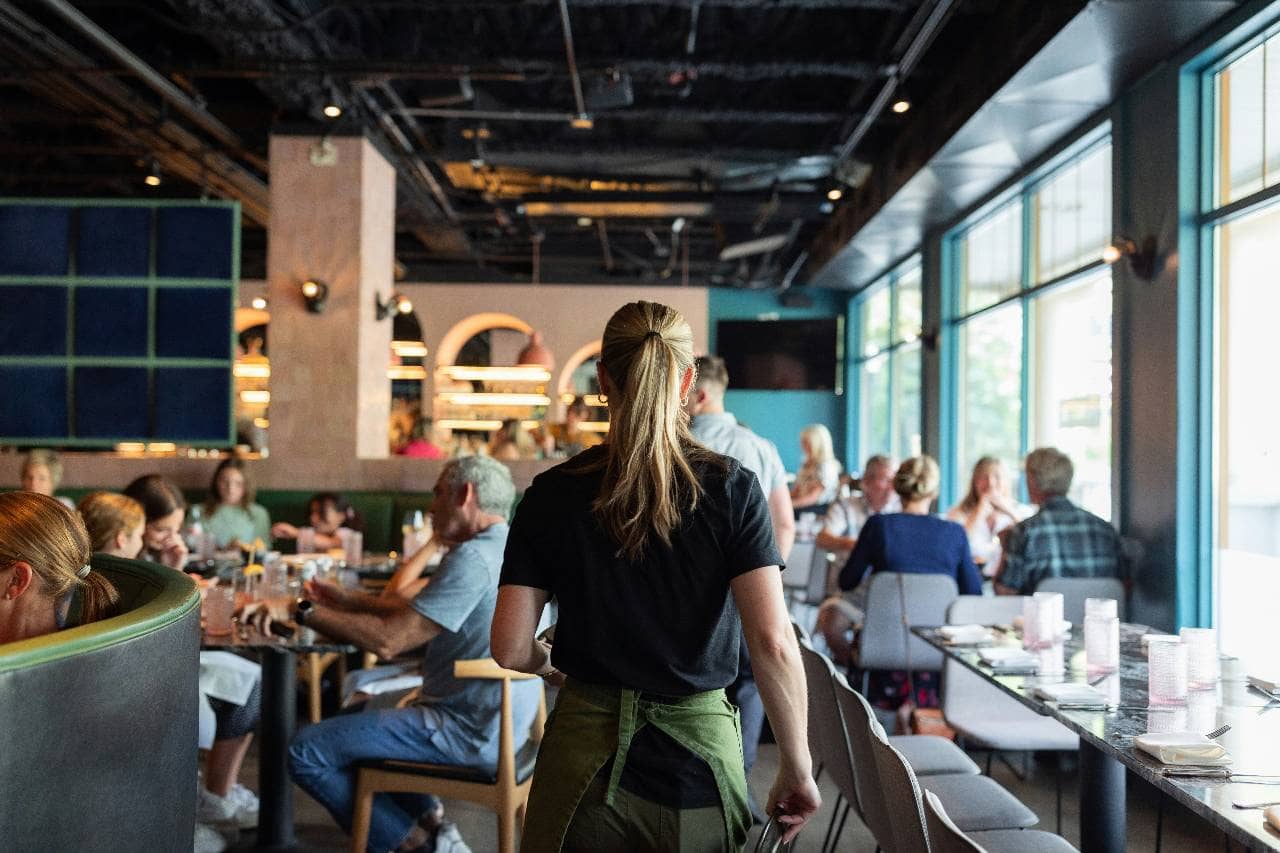
Photo by Florian Schindler
Restaurant franchise ownership is changing hands at the fastest pace in five years. FRANdata pegs approximately 4.1% of franchise units changing ownership annually. We Sell Restaurants reports a 62.7% year-over-year increase in franchise resales through the third quarter of 2025, even as broader restaurant transaction volume fell 6% on BizBuySell. Business Research Insights estimates the global franchise resale market at USD 11.93 billion in 2026, projecting growth to USD 17.83 billion by 2035 at a 4.7% CAGR.
Demographics sit squarely in the driver’s seat. Robin Gagnon, cofounder and CEO of We Sell Restaurants, calls it the “silver tsunami,” as baby-boomer owners age out and fewer businesses remain in families. A McKinsey Institute report finds that baby boomers alone own nearly a quarter of U.S. small businesses, about 1.5 million firms, and that the share of owners over age 65 continues to climb.
Many franchisees delayed exits through the pandemic only to run into inflation, supply chain disruptions, and tighter margins, conditions Robert Bhagwandat of Checkers & Rally’s ties to post-COVID normalization cycles. Taco John’s CEO Heather Neary points out that modern franchising demands far more from single-unit owners than it did two decades ago, leaving little bandwidth for succession planning and prompting Taco John’s to formalize a resale assistance program to clarify exit options.
The mechanics of a transfer are slow and exacting. Deals often take six months or more once brand approval, landlord consent, financing, and training schedules are counted. Gagnon emphasizes that the seller, buyer, franchisor, landlord, and financing institution each have unique processes and approval requirements, so coordination becomes the work. Careful review of P&L lines can separate fixable mismanagement from structural trouble, yet one obstacle looms larger than most. As Gagnon cautions, “you can’t sell yourself out of a bad lease,” a reality that frequently proves the most stubborn to unwind. According to Revscale, 6 to 10% of franchise units change hands in a given year, a reminder that these transactions are common, though rarely simple.
Culture becomes the pivot on day one. Dan Hawkins, cofounder and CEO of the Human Bean, warns that incoming owners risk a “shock to their system” and staff turnover if they treat the purchase as a simple takeover and ignore established norms. His counsel is to “spend a lot of time just listening and learning,” then make modest adjustments rather than sweeping changes. David Bloom of Capriotti’s adds a guardrail for franchisors: avoid wading into pricing or term negotiations, a lane he likens to “tortious interference.” The constructive role is training, marketing, and operational support that protects owners and the brand.
Financing and legal minutiae set the tempo. Underwriters scrutinize discrepancies between tax returns and P&Ls, often requiring sellers to explain expense variances before a loan is approved. Deferred maintenance can upend a letter of intent once due diligence exposes neglected assets. Bhagwandat recalls standoffs over simple items, such as a water heater that will not reach temperature, delaying health certificate approvals. One preventative step is contractual. Lease clauses that obligate landlords to accept approved buyers can blunt last-mile delays, and Taco John’s is embedding these provisions in new agreements to reduce friction.
The appetite for proven platforms stretches beyond restaurants. Haig Partners reports that Q1 2026 auto dealership buy-sell activity surged 39%, powered by buyers seeking strong franchise networks even as new-vehicle sales softened. In 2025, dealership transactions reached a record 458, up 5% year over year, with blue-sky values rising under consolidation trends. National Franchise Sales notes hundreds of units transferred in early 2026, including a 77-unit Pizza Hut portfolio and a 17-unit Five Guys group, proof that both single-unit and multi-unit plays are active.
Data remains patchy though. Franchise Disclosure Documents capture state-level transfers but lack a fully aggregated national view, and only 3 to 5% of units change hands annually, about 24,000 to 40,000 transfers according to IFA analyses. Variations in state laws, landlord practices, and franchisor policies leave blind spots that make turnover risk and timelines hard to benchmark.
Brands are answering with structure instead of improvisation. Taco John’s resale assistance initiative gives operators a clear roadmap. Capriotti’s requires buyers to commit to growth plans post-transfer to preserve momentum. Gagnon urges franchisors to make exit part of the operating vocabulary, teaching that “exit is not a four letter word,” and to allocate resources that keep stores from going dark. Building exit readiness into development and support programs will help protect brand equity, safeguard unit economics, and keep doors open as the transfer cycle gathers speed.