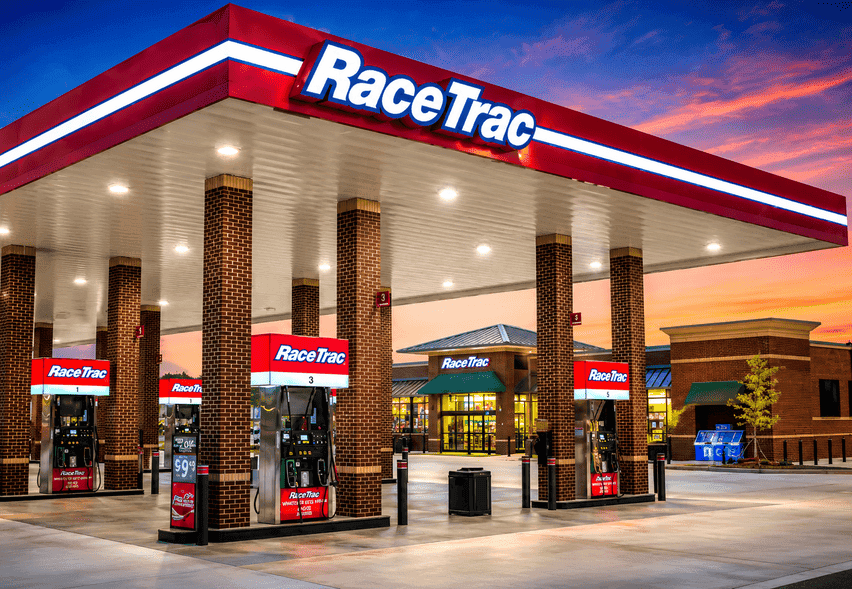
RaceTrac Names Jill Pemberton as New CFO
RaceTrac has appointed Jill Pemberton as chief financial officer, succeeding Karla Ahlert, who moves into the newly created role of chief administrative officer.
News
Aug 26, 2026
RaceTrac has appointed Jill Pemberton as chief financial officer, succeeding Karla Ahlert, who moves into the newly created role of chief administrative officer.
Aug 26, 2026

A restaurant P&L statement reveals sales, expenses, and profits, helping owners manage costs, improve margins, and plan finances more effectively.
Aug 26, 2026
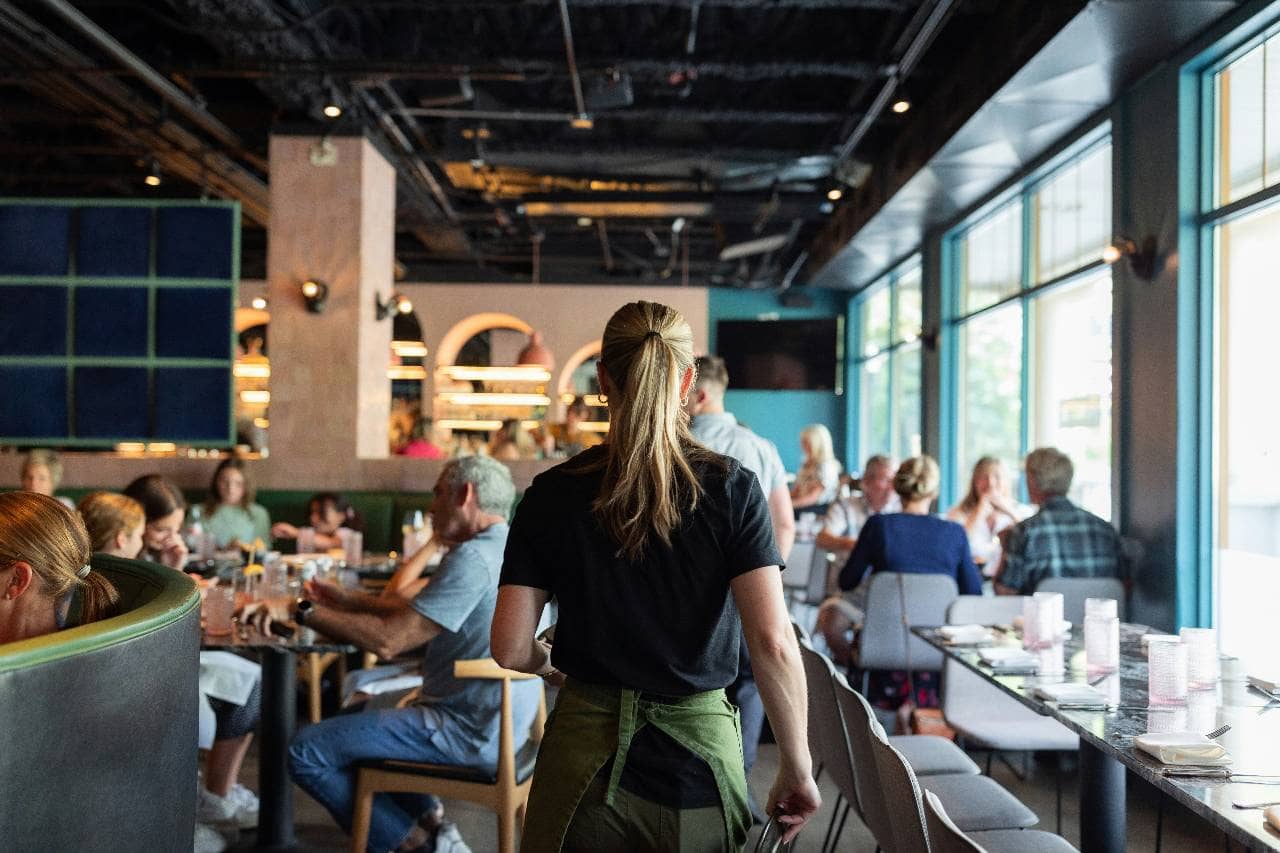
Learn practical ways to reduce labour costs through smarter scheduling, forecasting, productivity, cross-training, automation, overtime control, and performance monitoring strategies.
Aug 26, 2026
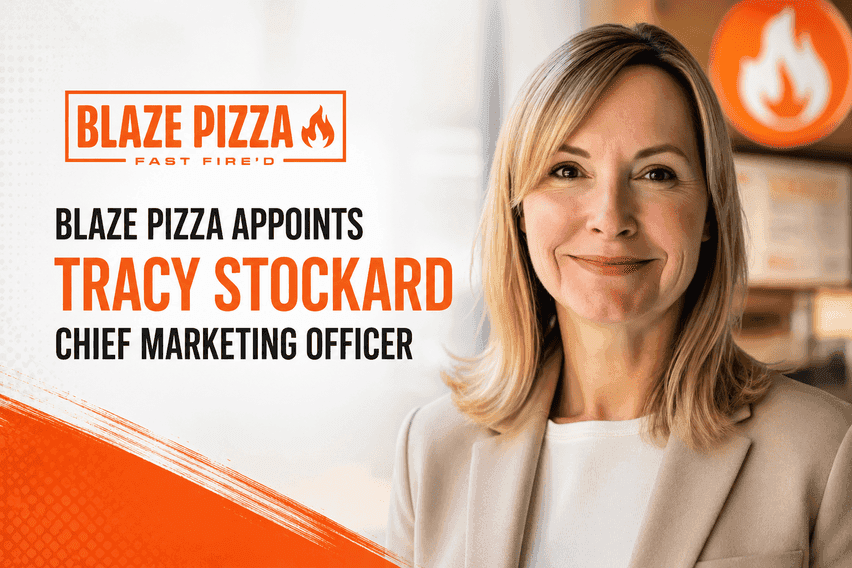
Blaze Pizza welcomes Tracy Stockard as Chief Marketing Officer, bringing decades of brand and franchise experience to drive strategic growth and guest engagement.
Aug 25, 2026
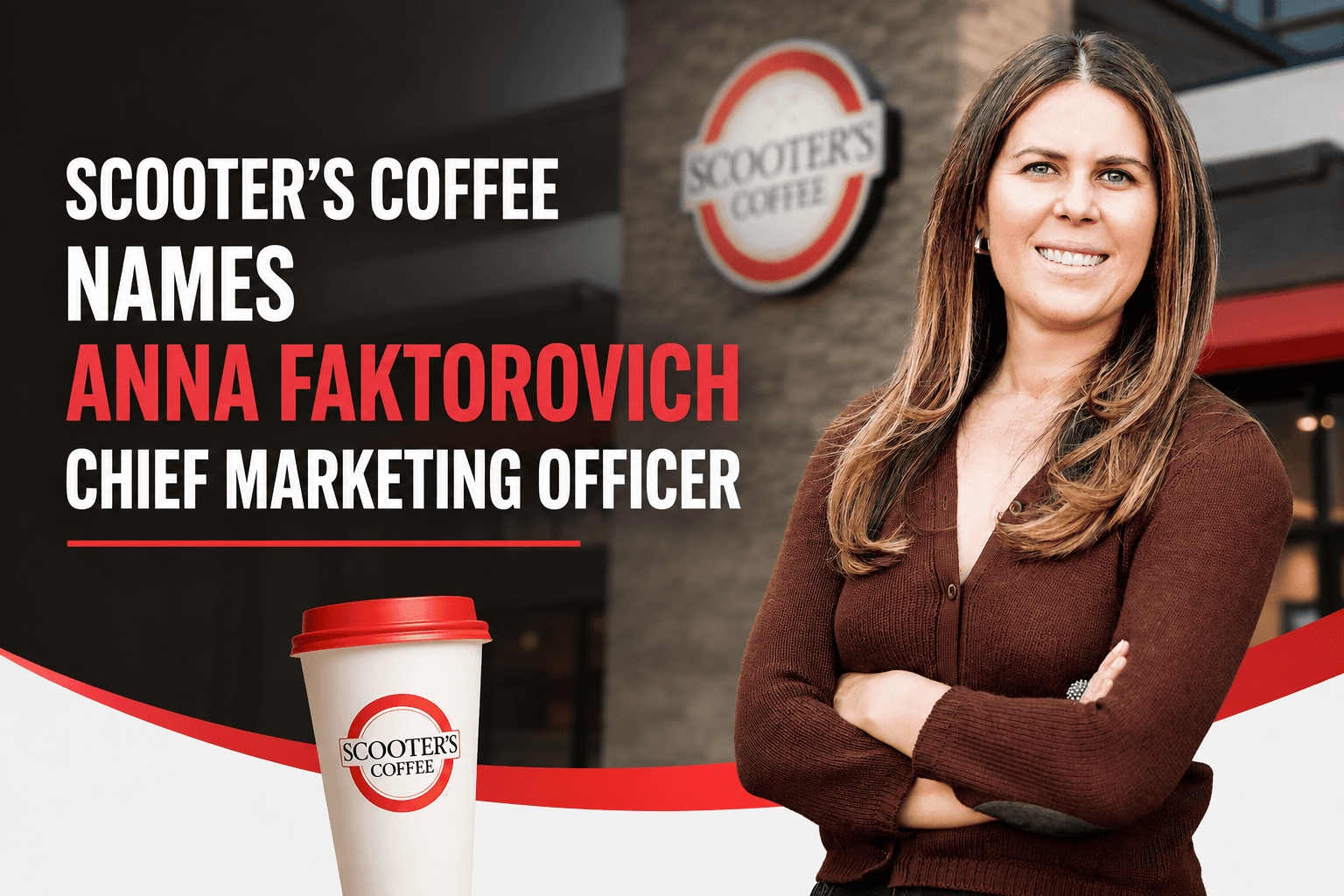
Anna Faktorovich, a seasoned marketing executive, has been named Chief Marketing Officer at Scooter’s Coffee, bringing decades of multi-brand experience to fuel the franchise’s next growth stage.
Aug 25, 2026

A payroll advance policy helps restaurant owners define eligibility, limits, repayment, documentation, approval procedures, and compliance requirements for employee advances.
Aug 24, 2026

Create a practical restaurant marketing plan by setting goals, targeting customers, choosing channels, budgeting wisely, scheduling campaigns, and measuring results.
Aug 24, 2026

Levain Bakery appoints Lorna Sommerville and Taya Stenson as co-CEOs, blending operational and marketing expertise to power national expansion and innovation while staying rooted in its brand values.
Aug 25, 2026
Dave & Buster's refreshes its executive lineup with seasoned leaders in operations, marketing, tech, and finance - signaling a growth-driven future for restaurant operators to watch.
Aug 24, 2026
Wendy’s announces Tariq Hassan as Chief Marketing and Customer Growth Officer, charting a new course for brand and digital innovation. What restaurant owners can learn.
Aug 24, 2026

Unlock Exclusive Access To Webinars, Events, And The Latest News For Free!
Chipotle is launching its first Mexican location, redefining fast-casual strategy for restaurant leaders and offering key lessons for international growth and partnerships.
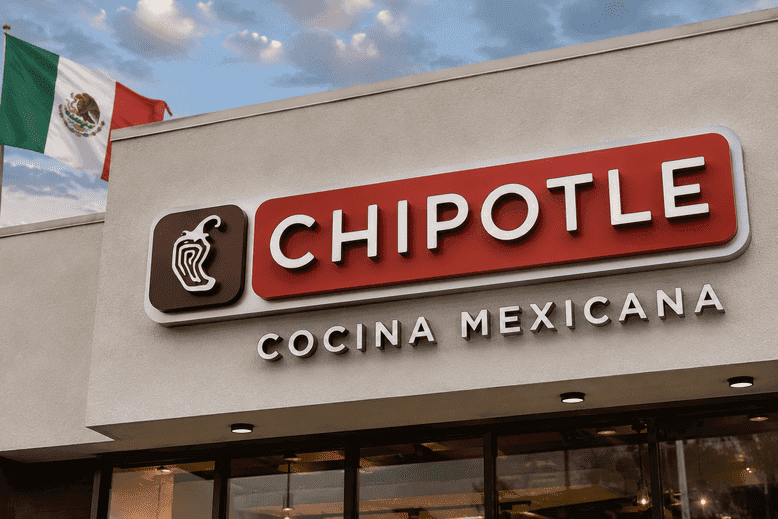
Chipotle Mexican Grill is making waves in the fast-casual scene with its bold entry into Mexico, opening its very first restaurant in San Pedro Garza García, Nuevo León, this July. The highly anticipated launch - realized in partnership with Alsea, a top-tier restaurant operator in Latin America and Europe - signals a watershed moment for both Chipotle and the greater quick-service sector. For restaurant owners and managers, Chipotle’s approach demonstrates just how critical it is to partner locally and tailor brand experiences to regional markets. The move brings Chipotle’s customizable, made-to-order burritos, bowls, salads, tacos, and quesadillas right to the heartland of Mexican cuisine, showcasing confidence in the region’s appetite for fast-casual innovation. By starting in the economically vibrant Monterrey metropolitan area and with an eye toward rapid expansion in Nuevo León and Mexico City, Chipotle is setting a new bar for international growth strategies.
The collaboration between Chipotle and Alsea is more than just a business deal - it’s a blueprint for success in global restaurant franchising. This partnership, announced in 2025, prioritizes local expertise, operational excellence, and cultural understanding, giving the brand an edge as it adapts to a discerning Mexican audience. For leaders considering cross-border growth, the lesson is clear - strategic local partnerships can bridge gaps in regional preferences, regulatory frameworks, and supply chain logistics. Alsea’s involvement ensures Chipotle’s signature chef-driven menu meets the expectations of Mexican diners, while supporting sourcing commitments to regional suppliers and upholding the brand’s hallmark of fresh, additive-free ingredients. Restaurateurs can glean that aligning with strong local operators is a surefire way to accelerate market entry - while minimizing operational risk.
Rather than betting on a rapid, mass rollout, Chipotle’s entrance into Mexico begins with a proof-of-concept strategy - prioritizing operational excellence in a single flagship location before scaling. This measured approach allows for direct engagement with local consumers, enabling the company to gather invaluable feedback and fine-tune its offerings in real time. For restaurant operators eyeing international or multi-unit growth, this iterative launch style is a model to emulate. It fosters adaptability, ensures alignment with consumer tastes, and shields against costly missteps that can come with overextension. The initial Monterrey opening will serve as a learning lab, guiding future expansion across larger markets like Mexico City and beyond.
A cornerstone of Chipotle’s global reputation lies in its unwavering commitment to quality, transparency, and regional sourcing. By leveraging relationships with local suppliers and sticking to its promise of no artificial colors, flavors, or preservatives, Chipotle continues to set consumer expectations for authenticity and health-forward dining. Restaurant leaders should take note - sourcing ingredients locally not only supports brand integrity but also builds goodwill in the communities you serve. This approach is especially vital when expanding into food-forward markets with rich culinary heritages, where authenticity and freshness are must-haves for long-term relevance.
Chipotle’s expansion into Mexico is just one piece of its larger global vision, which now spans the Middle East, Asia, Canada, the U.K., and continental Europe. As Chipotle eyes 7,000+ locations across North America in the coming years, its reliance on joint ventures, development agreements, and perfecting the local guest experience, are benchmarks any multi-unit operator can study for their own growth. For those considering similar leaps, adopting a careful, research-driven, and partnership-focused approach can be the difference between success and stalled rollouts. The brand’s ability to remain agile and consumer-centric offers a modern playbook for globalizing any restaurant concept.
Chipotle’s high-profile entrance into the Mexican market exemplifies how restaurant chains - of any size - can leverage partnerships, smart launches, and local engagement to thrive across borders. Whether you operate a regional group or strategize on a national scale, the playbook remains consistent - respect your target market, prioritize quality, listen to guests, and partner smart. Staying nimble and connected in your business operations can pave the way for effective growth and enduring customer loyalty.