
How Much Does It Cost to Open an Ice Cream Shop?
Learn the startup costs of opening an ice cream shop, including rent, equipment, renovations, permits, inventory, labor, marketing, and reserves.
Business Management
Aug 28, 2026
Learn the startup costs of opening an ice cream shop, including rent, equipment, renovations, permits, inventory, labor, marketing, and reserves.
Aug 28, 2026

RaceTrac has appointed Jill Pemberton as chief financial officer, succeeding Karla Ahlert, who moves into the newly created role of chief administrative officer.
Aug 26, 2026

A restaurant P&L statement reveals sales, expenses, and profits, helping owners manage costs, improve margins, and plan finances more effectively.
Aug 26, 2026

Learn practical ways to reduce labour costs through smarter scheduling, forecasting, productivity, cross-training, automation, overtime control, and performance monitoring strategies.
Aug 26, 2026
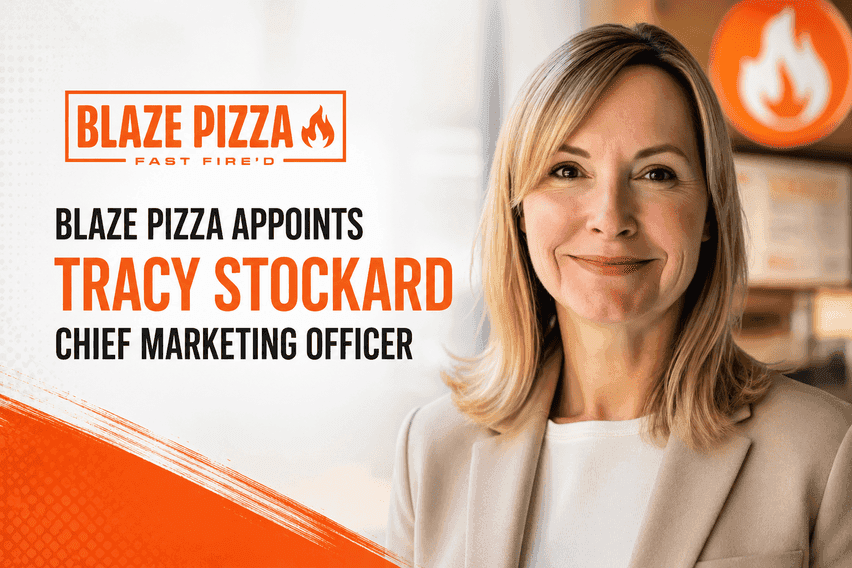
Blaze Pizza welcomes Tracy Stockard as Chief Marketing Officer, bringing decades of brand and franchise experience to drive strategic growth and guest engagement.
Aug 25, 2026

A payroll advance policy helps restaurant owners define eligibility, limits, repayment, documentation, approval procedures, and compliance requirements for employee advances.
Aug 24, 2026

Create a practical restaurant marketing plan by setting goals, targeting customers, choosing channels, budgeting wisely, scheduling campaigns, and measuring results.
Aug 24, 2026
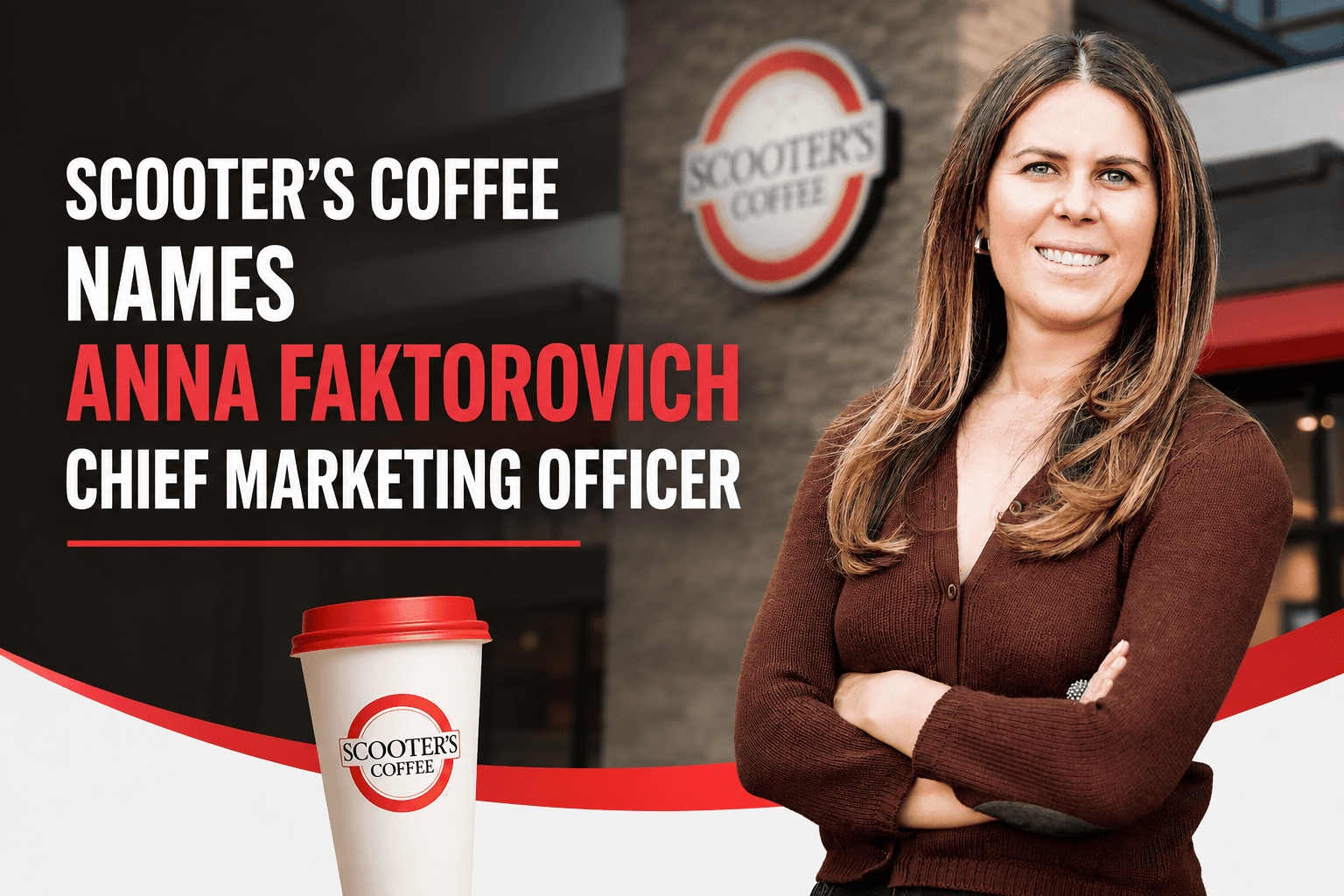
Anna Faktorovich, a seasoned marketing executive, has been named Chief Marketing Officer at Scooter’s Coffee, bringing decades of multi-brand experience to fuel the franchise’s next growth stage.
Aug 25, 2026

Levain Bakery appoints Lorna Sommerville and Taya Stenson as co-CEOs, blending operational and marketing expertise to power national expansion and innovation while staying rooted in its brand values.
Aug 25, 2026
Dave & Buster's refreshes its executive lineup with seasoned leaders in operations, marketing, tech, and finance - signaling a growth-driven future for restaurant operators to watch.
Aug 24, 2026

Unlock Exclusive Access To Webinars, Events, And The Latest News For Free!
One of the largest U.S. Cyclospora outbreaks hits 34 states; Taco Bell pulls produce in Michigan as FDA and CDC trace the source.
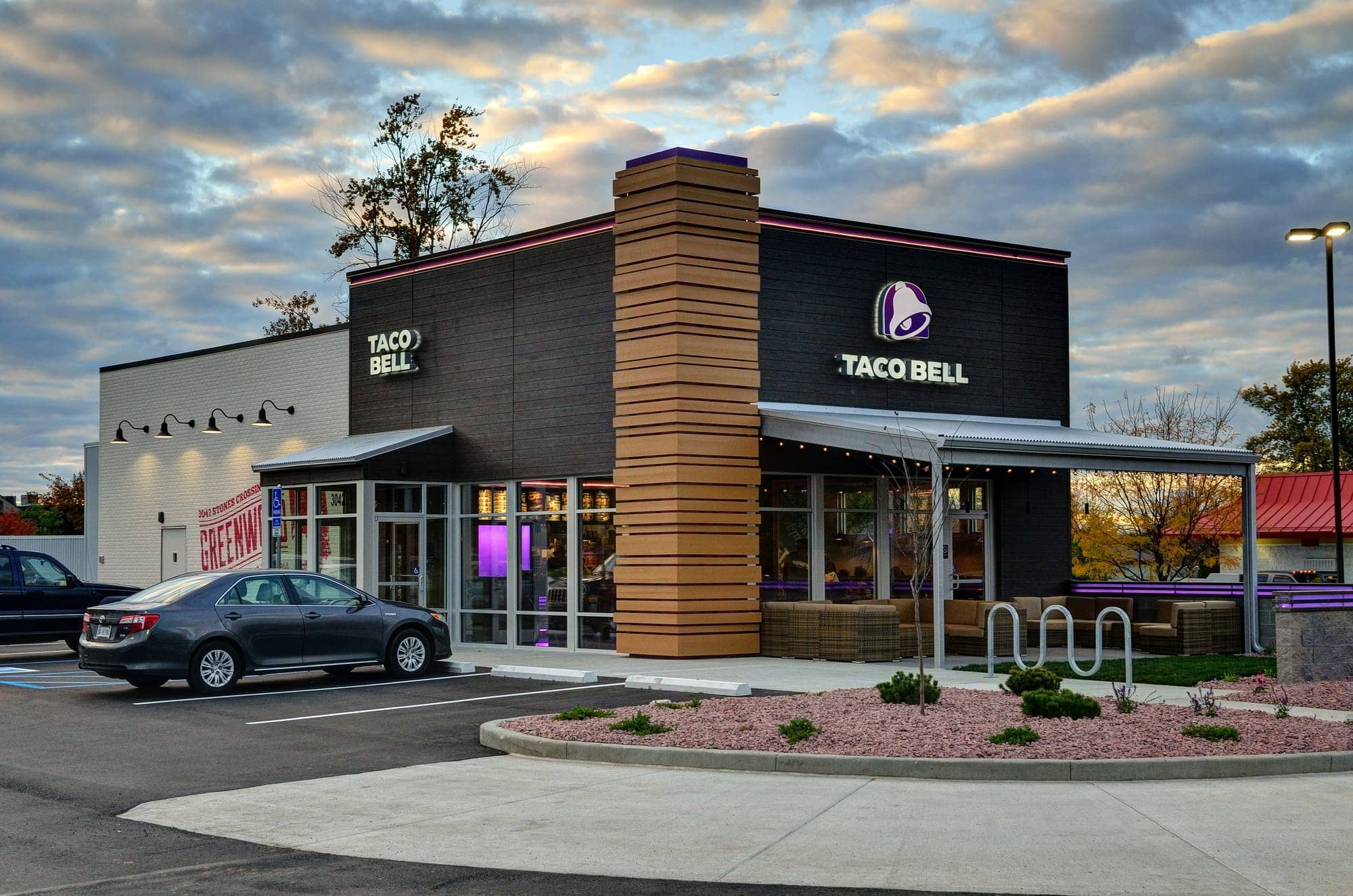
One of the largest U.S. Cyclospora outbreaks has hit 34 states and topped more than 4,000 illnesses.
Michigan is the epicenter, with over 3,300 confirmed cases and 44 hospitalizations as of July 14, 2026. In response, Taco Bell has pulled lettuce, cilantro, onion, pico de gallo and guacamole from select Michigan restaurants as a precaution.
CDC investigators have identified a likely epidemiological link across Michigan, Ohio, West Virginia and Kentucky, suggesting a common source.
The first cluster in Michigan appeared in late June, with more than 170 cases reported since June 22, 2026.
By July 9, the state confirmed 992 cases, including approximately 40 hospitalizations, marking the largest Cyclospora outbreak in Michigan’s history. The FDA lists this event as Outbreak #1381 (Cyclospora; Not Yet Identified; Active; Ongoing) as of June 17, 2026. Past U.S. outbreaks have been tied to raspberries, basil, cilantro, snow peas and mesclun lettuce.

Cyclospora cayetanensis is a microscopic intestinal parasite spread when food or water is contaminated with fecal matter containing oocysts.
Symptoms such as watery diarrhea, nausea and stomach cramps often appear about one week after ingestion and can recur without treatment.
The oocysts need days to weeks in the environment to become infectious, which complicates traceback.
A new FDA testing method, the first validated assay for Cyclospora in salad mix samples since the late 1990s, should help with environmental and product testing.
The biology of the parasite and its resistance to routine chemical disinfection mean answers may take weeks or months.
Consumer guidance continues to stress washing produce. Research indicates that rinsing in cold water removes over 90 percent of Cyclospora oocysts on berries but offers limited benefit for leafy greens.
Health agencies are piecing together the source using patient interviews, lab data and supply-chain records.
The Michigan Department of Health and Human Services has compiled detailed consumption histories and restaurant visit data from more than 1,000 people with laboratory-confirmed cyclosporiasis. FDA and CDC teams are tracing multiple produce items, including lettuce, salad greens, cilantro and onions.
Under the Food Safety Modernization Act’s Section 204, the FDA and industry partners have run traceability tabletop exercises to sharpen recordkeeping and speed response.
Cyclospora still tests the system, since there is no rapid DNA fingerprinting tool and cases emerge on a long delay. Expect more scrutiny on traceability and communication as the probe continues.
Operators are responding and so are public health leaders.
"The health and safety of our guests is our top priority," Taco Bell said in a statement. "Public health officials have not confirmed a link to Taco Bell or any specific ingredient, supplier, restaurant or retailer. While authorities continue their broader review, Taco Bell has voluntarily and temporarily removed limited ingredients at select restaurants as a precautionary measure. We will continue to closely monitor the situation and follow the guidance of public health authorities."
The state echoed the scale of the effort. "MDHHS continues to work closely with local health departments to conduct in-depth interviews of individuals testing positive for cyclosporiasis, as well as with other state and federal partners to conduct traceback investigations. More than 1,000 interviews have been completed to date." Federal voices point to active work and real constraints. Don Prater, the FDA’s acting deputy commissioner for food, said, "What I can say at this point is that we’re continuing our traceback investigation on multiple produce items, including the lettuce." Gwen Biggerstaff, deputy director of the CDC’s division of foodborne, waterborne and environmental diseases, cautioned that limited funding and staffing have stretched public health resources thin, complicating outbreak response.
Key unknowns remain for restaurants and suppliers.
Investigators have not identified a single contaminated product, and some sickened individuals report no exposure to Taco Bell, which raises the possibility of multiple sources or parallel outbreaks. The long incubation period makes it hard for patients to recall what they ate. Mild infections go untested, so the count may be higher.
Media coverage can influence what people remember, creating recall bias.
Agencies also acknowledge that if contamination was brief or spread across many suppliers, a definitive source may never be confirmed. The FDA has called on food industry leaders to strengthen recall compliance and enhance communication strategies, and recent pilots highlight the value of precise supplier records. For Taco Bell and other food service operators, adherence to stringent produce handling protocols and real-time supply-chain visibility will be critical to restoring consumer confidence and preventing future outbreaks. Traceback and environmental sampling remain in progress.