How Much Does It Cost to Open a Sports Bar?
Understand sports bar startup expenses, including location, construction, kitchen equipment, televisions, licenses, insurance, staffing, supplies, and cash reserves for operations.
operations
Jul 16, 2026
Understand sports bar startup expenses, including location, construction, kitchen equipment, televisions, licenses, insurance, staffing, supplies, and cash reserves for operations.
Jul 16, 2026
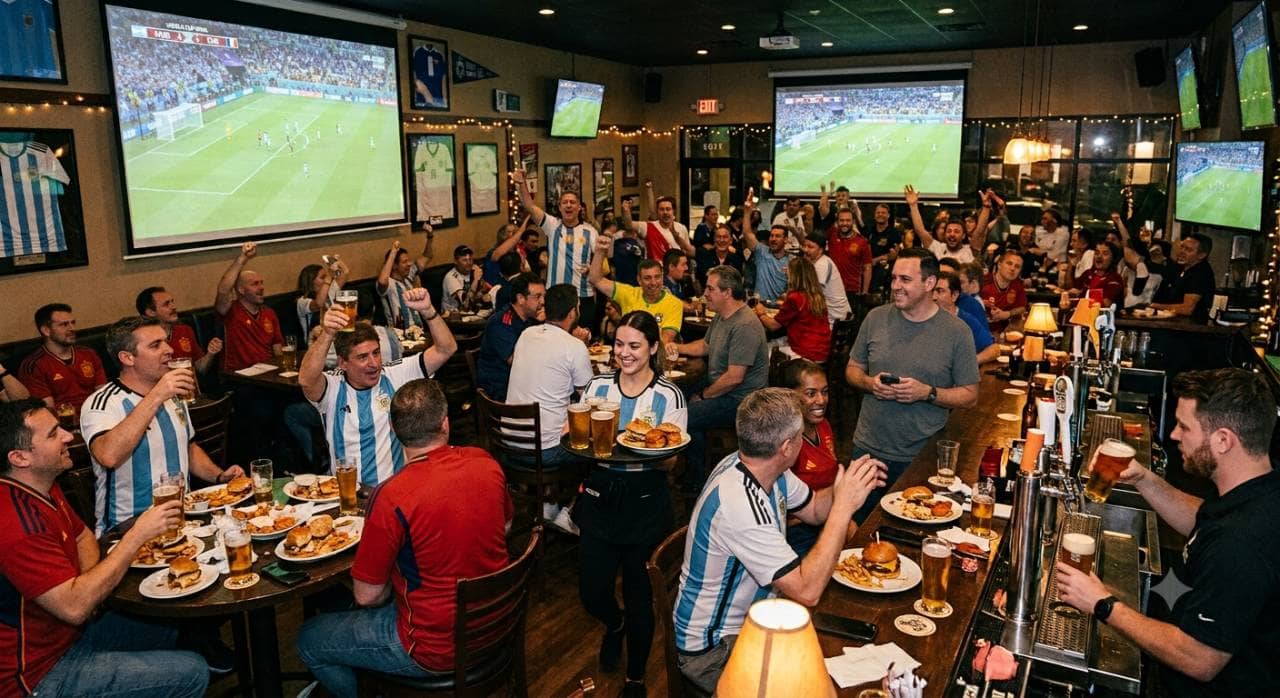
Learn how to increase restaurant sales during the World Cup final through smarter planning, staffing, promotions, inventory, menus, and operations.
Jul 16, 2026

Mother-daughter duo Ciara Boyce and Tracey Pidge bring Hotworx to Wasilla, the first of four Alaska studios, extending a fast-growing 800+ location brand.
Jul 16, 2026
One of the largest U.S. Cyclospora outbreaks hits 34 states; Taco Bell pulls produce in Michigan as FDA and CDC trace the source.
Jul 16, 2026

Chick-fil-A will refresh 200+ multi-sensory playgrounds by 2026 to boost dine-in traffic and loyalty, adding app content and toys as rivals upgrade experiences.
Jul 16, 2026

Ex-consultant Michael Creatore acquires six Mold Medics territories across central Ohio, partnering with Threshold Brands amid a growing mold remediation market.
Jul 16, 2026

Pizza Hut launches a Throwback Value Menu, app rewards, and a streetwear drop as ownership shifts and the brand bets on nostalgia to steady sales.
Jul 16, 2026
Domino's adds strategic expertise to its Board by appointing leaders from major brands. Learn what this means for restaurant owners' competitive growth.
Jul 16, 2026
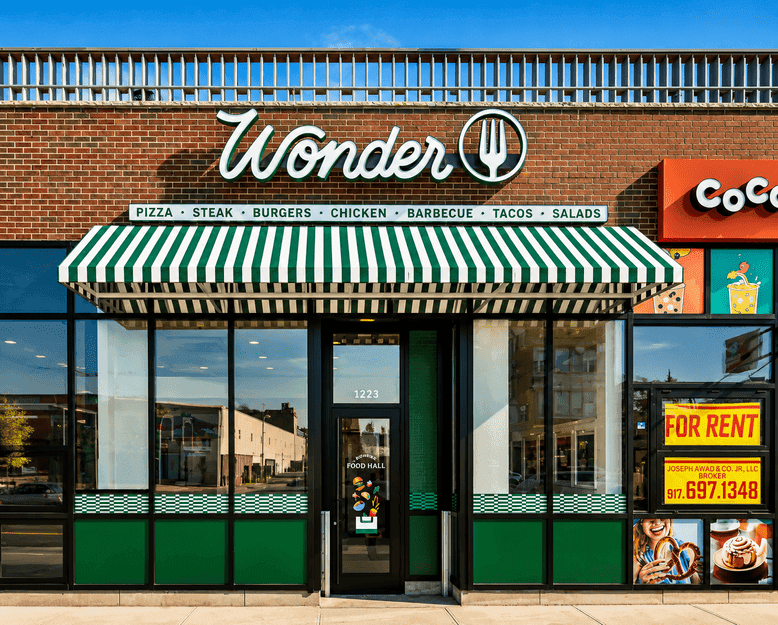
Wonder’s $650 million funding round at a $9 billion valuation signals a new era in restaurant tech, expansion, and automation. Here’s what operators need to know.
Jul 16, 2026
Chipotle’s $1 million burrito giveaway during the World Cup final hydration break takes fan engagement and promotional creativity to new heights, setting a best-in-class example for restaurant marketers.
Jul 16, 2026
Learn how to increase restaurant sales during the World Cup final through smarter planning, staffing, promotions, inventory, menus, and operations.
Preparing your restaurant for the World Cup Final should begin with clear, measurable goals. The match may create an opportunity to attract large groups, increase food and beverage sales, and introduce new customers to your restaurant. However, higher traffic does not automatically guarantee stronger profits. Restaurant owners need to decide what they want the event to achieve before planning menus, staffing, promotions, and reservations. Start by setting a customer traffic target. Estimate how many guests your restaurant can serve comfortably without overcrowding the dining room or slowing service. Review capacity limits, available seating, screen visibility, and expected table occupancy during the match. Because customers may stay for the entire game, traditional table-turnover expectations may not apply. Next, establish financial targets for the event. These may include - 1. Total sales during the event 2. Average spending per customer 3. Food and beverage revenue 4. Number of prepaid reservations 5. Online ordering and takeout sales 6. Profit generated from match-day packages For example, an owner may aim to fill 90% of available seats, increase average guest spending through food-and-drink bundles, and generate additional takeout orders from customers watching at home. Goals should also address the customer experience. Decide what guests should expect from the event, such as clear screen views, reliable sound, fast service, themed menu items, and an exciting atmosphere. Operational goals may include keeping ticket times below a set limit, reducing order errors, and maintaining enough inventory throughout the match. Write these targets down and share them with managers and employees. When everyone understands the restaurant's objectives, it becomes easier to make consistent decisions and measure whether the World Cup Final event delivered profitable results.
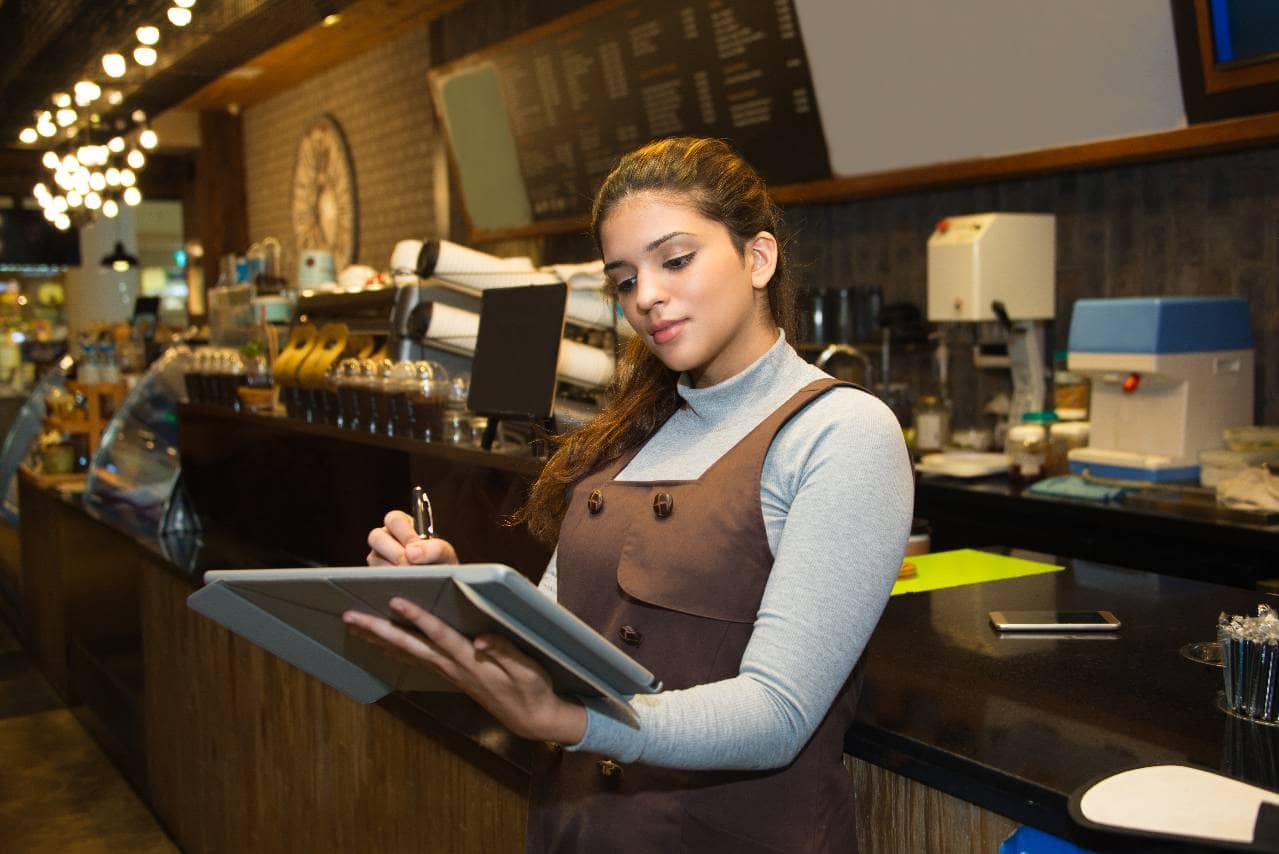
Accurate demand forecasting helps restaurant owners prepare enough food and beverages for the World Cup Final without creating unnecessary waste. Because customers may arrive early, remain seated throughout the match, and order multiple rounds, normal sales patterns may not accurately predict event-day demand. Start by reviewing data from comparable high-traffic periods, including previous soccer matches, championship games, holidays, and weekend events. Track the following metrics - Total guest count - 1. Sales by hour 2. Average check per guest 3. Top-selling menu items 4. Beverage sales by category 5. Food waste and stockouts 6. Takeout and delivery order volume Use this basic formula to estimate expected guest demand - Expected guests = Available seats x Target occupancy rate A restaurant with 120 seats and a target occupancy rate of 90% should prepare for at least 108 dine-in guests. Owners should then add projected walk-ins, takeout orders, and delivery demand. Inventory requirements can be calculated using - Required item quantity = Expected orders x Portions used per order For example, if the restaurant expects to sell 80 orders of wings and each order uses one pound of chicken, it will need at least 80 pounds before accounting for safety stock. Restaurants should prioritize ingredients used across several menu items. Shared ingredients reduce purchasing complexity and make it easier to redirect inventory when demand changes. Owners should also identify products with the highest stockout risk, such as beer, soft drinks, wings, fries, pizza ingredients, disposable packaging, ice, and sauces. A practical inventory plan should include a small safety-stock allowance for high-demand products. However, perishable ingredients should be ordered carefully to avoid spoilage after the event. Managers should create an inventory sheet showing projected demand, current stock, required purchases, delivery dates, and responsible employees. Final counts should be completed before the event so shortages can be corrected while suppliers are still available.
The World Cup Final menu should support three priorities - fast preparation, strong profit margins, and easy group ordering. A large menu may increase customer choice, but it can also slow the kitchen, create longer ticket times, and require more inventory. Restaurant owners should focus on a smaller selection of high-demand items that employees can prepare consistently during peak periods. Start by reviewing these menu metrics - 1. Food cost percentage 2. Contribution margin per item 3. Average preparation time 4. Sales volume during sporting events 5. Number of ingredients required 6. Packaging needs for takeout 7. Waste generated per item Prioritize items that can be prepared quickly and ordered by groups, such as wings, pizza, sliders, nachos, fries, burgers, flatbreads, and appetizer platters. Avoid dishes that require extensive customization, long cooking times, or ingredients used nowhere else on the menu. Bundled offers can increase average spending while simplifying ordering. Examples include - - Appetizer platter plus a beverage package - Two pizzas plus wings and soft drinks - Burger and beer combinations - Family takeout packages - Prepaid table packages with a minimum spend Restaurants should compare bundle pricing with regular menu pricing to ensure each promotion remains profitable. Discounts should encourage larger orders without reducing margins too heavily. Kitchen managers should test every special before match day and record preparation time, portion size, plating instructions, and ingredient requirements. The final menu should be easy for guests to understand, simple for servers to explain, and efficient for the kitchen to produce throughout the World Cup Final.
The World Cup Final can create an unusual labor pattern. Customer traffic may rise before kickoff, remain high throughout the match, and increase again during halftime or immediately after the final whistle. Restaurant owners should build schedules around these demand periods rather than using a standard weekend staffing plan. Begin by reviewing labor data from previous high-volume events - 1. Sales per labor hour 2. Guests served per employee 3. Average ticket time 4. Orders processed per server 5. Kitchen orders per 15-minute interval 6. Overtime hours 7. Employee callout rate 8. Labor cost as a percentage of sales Staffing levels should reflect each stage of the event. More hosts and servers may be needed during guest arrival, while the kitchen and bar may experience their highest demand before kickoff and during halftime. Additional runners and bussers can help prevent dirty tables, delayed drinks, and food waiting at service stations. Assign measurable responsibilities before the shift. For example - Hosts manage reservations and walk-in counts. - Servers cover fixed sections with defined table limits. - Bartenders track drink-ticket times. - Food runners deliver completed orders within a set target. - Managers monitor sales, labor, customer flow, and inventory. Employees should also receive event-specific training. Review the limited menu, package pricing, reservation policies, table time expectations, alcohol procedures, and emergency plans. Conduct a pre-shift meeting and provide written station assignments. A small backup team can protect the operation from callouts or unexpected traffic. By matching labor hours to forecasted demand, restaurant owners can maintain service speed without allowing staffing costs to reduce the event's profitability.
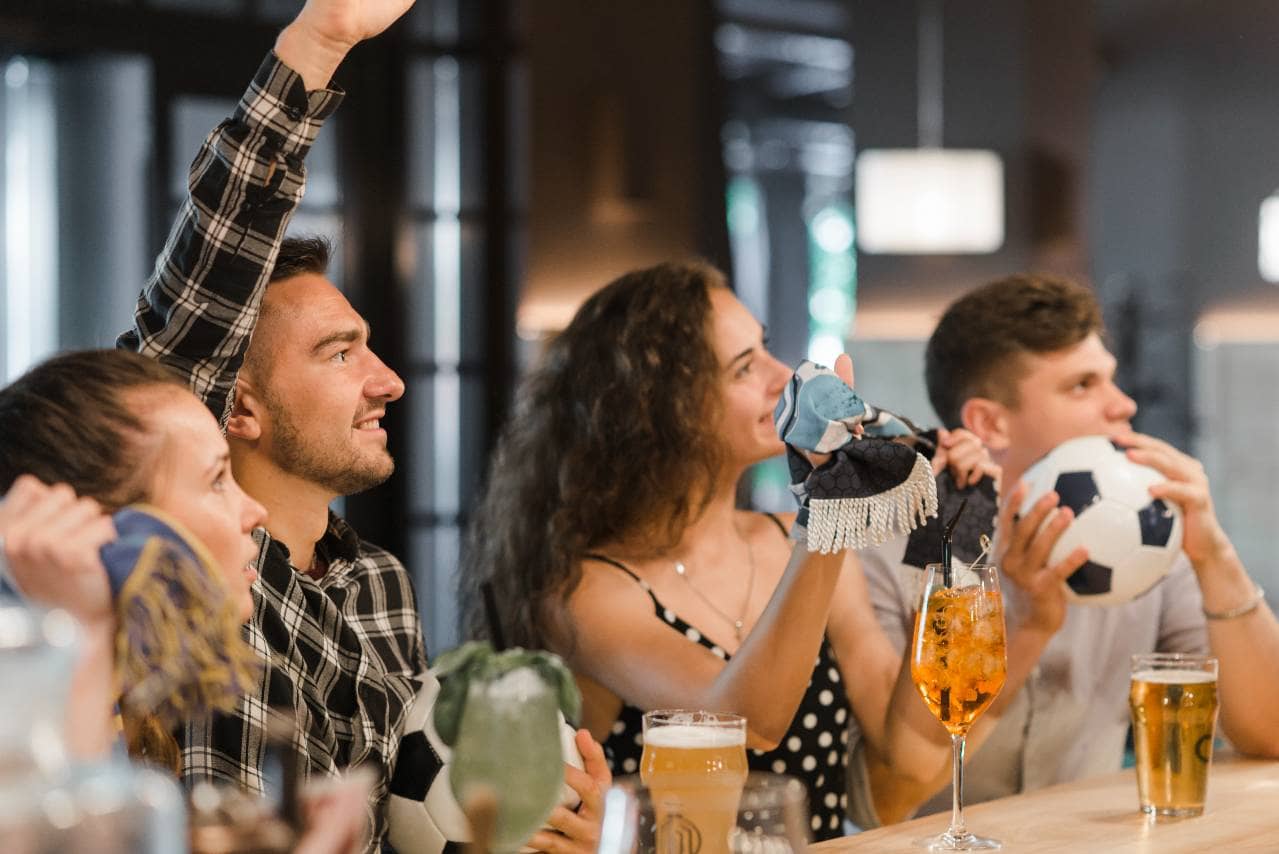
A successful World Cup Final event depends on more than food and staffing. Customers must be able to see the match clearly, hear the broadcast, place orders easily, and complete payments without unnecessary delays. Restaurant owners should inspect the dining room and test every important system before guests arrive. Start by reviewing the seating layout. Arrange tables so customers have a clear view of at least one screen without blocking walkways, emergency exits, server paths, or access to restrooms. Avoid adding more chairs than the restaurant can safely and comfortably manage. Overcrowding may increase capacity temporarily, but it can also slow service and create a poor guest experience. Each television should be tested for - 1. Picture quality 2. Broadcast availability 3. Screen visibility from different tables 4. Sound synchronization 5. Remote-control access 6. Backup power or connection options Managers should confirm that the restaurant has the correct commercial subscription or viewing rights for the broadcast. Personal streaming accounts may not be suitable for showing major sporting events in a commercial setting. Technology systems should also be prepared for higher order volume. Test POS terminals, handheld ordering devices, kitchen display systems, printers, payment terminals, Wi-Fi, online ordering platforms, and reservation software. Update menus and promotional pricing in advance so employees do not need to enter discounts manually during the event. Restaurants using QR code ordering should place codes where guests can scan them easily and confirm that all links work. Online ordering capacity may also need to be limited during peak dine-in periods if the kitchen cannot manage both channels effectively. Create backup procedures for common problems. Keep printed menus, manual order pads, spare receipt paper, charging cables, extension cords, and alternative payment instructions available. Assign one manager to monitor technology throughout the match. Completing a full test run before the World Cup Final helps identify weak screen positions, connection problems, incorrect prices, and equipment failures before they affect customers.
Restaurant promotion should begin before the World Cup Final, not on match day. Customers need time to compare viewing locations, organize groups, and reserve tables. A clear campaign can help the restaurant secure advance bookings, reduce uncertainty, and create demand before competitors begin advertising heavily. Start by defining the main offer. Promotional messages should clearly explain what customers will receive, such as guaranteed seating, large-screen viewing, food-and-drink packages, team-themed specials, giveaways, or prepaid group options. Every advertisement should include the event date, opening time, reservation process, package price, and any deposit or minimum-spend requirements. Use several marketing channels to reach both existing and new customers - 1. Social media posts and short videos 2. Email and text-message campaigns 3. Google Business Profile updates 4. Website and online-ordering banners 5. In-store posters and table cards 6. Local community pages and event listings 7. Paid social media advertising Create a promotional timeline instead of publishing one announcement. Begin with an early reservation launch, followed by menu previews, countdown posts, seating updates, and final reminders. As tables fill, messages such as "limited seating remaining" can create urgency, provided the statement accurately reflects availability. Promotional content should show the complete experience rather than only listing discounts. Photos or videos of screens, seating areas, shareable food, drinks, and restaurant atmosphere can help customers imagine watching the match at the location. Posts can also include polls, score predictions, team questions, and contests to increase engagement. Track campaign performance using measurable indicators, including - - Reservation inquiries - Confirmed bookings - Deposit revenue - Website visits - Email clicks - Social media engagement - Promotion-code use - Cost per reservation from paid advertising Make the reservation process simple. Customers should be able to book through a direct link, phone number, or clearly identified online form. Staff members answering inquiries must understand package details and policies. Promotion should convert interest into confirmed reservations, prepaid packages, and advance orders that give the restaurant a more predictable World Cup Final crowd.
The World Cup Final can create heavy demand before kickoff, especially when large groups arrive at the same time. Restaurant owners need a clear plan for reservations, walk-ins, waiting areas, and table assignments so the dining room does not become overcrowded or disorganized. Begin by deciding how much seating should be reserved in advance. Holding every table for reservations may reduce flexibility, while accepting too many walk-ins can create long waits. A balanced plan may assign a percentage of seats to reservations and keep the remaining capacity available for walk-in customers. Track these capacity metrics - 1. Total available seats 2. Reserved seats 3. Walk-in seating allowance 4. Average party size 5. Expected no-show rate 6. Waiting-list length 7. Maximum safe occupancy 8. Number of tables with clear screen views Reservation capacity can be estimated using - Available reservation seats = Total seats x Reservation allocation percentage For example, a restaurant with 100 seats that allocates 70% to advance bookings can accept reservations for up to 70 guests while keeping 30 seats available for walk-ins and operational flexibility. Restaurants may use deposits, prepaid packages, or minimum-spend requirements to reduce no-shows. These policies should be communicated clearly when customers book. Guests should understand arrival deadlines, cancellation rules, seating locations, and whether tables are held for the entire match. Create a check-in process near the entrance. One employee should confirm reservations, record arrivals, manage the waiting list, and direct guests to their assigned areas. Walkways, entrances, restrooms, and emergency exits must remain clear, even when customers are waiting. Table assignments should consider party size and screen visibility. Avoid seating small groups at large tables when demand is high unless space allows. Managers should also decide how late reservations will be held before being released to waiting customers. Clear signage and staff communication can reduce confusion. Guests should know where to check in, where to wait, and how long delays may last. By controlling reservations and customer movement, restaurant owners can protect safety, service speed, and the overall match-day experience.
The final step is turning the restaurant's preparation into a coordinated match-day operation. Even a strong menu, staffing plan, and promotion campaign can fail if employees do not know what to do during peak periods. Restaurant owners should create a clear timeline covering the hours before kickoff, the match itself, halftime, and the post-match rush. Begin with a pre-shift meeting. Managers should review expected guest counts, reservations, staff assignments, menu specials, package pricing, alcohol policies, inventory limits, and emergency procedures. Employees should know who makes decisions when problems arise and where to report equipment failures, customer complaints, or product shortages. Complete these checks before opening - - Confirm all screens and sound systems are working - Verify POS prices and promotional packages - Stock service stations, bars, and takeout areas - Prepare high-demand ingredients and garnishes - Review reservations and table assignments - Check restrooms, entrances, and emergency exits - Confirm employee break times and backup coverage - Test payment terminals and internet connections Managers should monitor performance throughout the event using several operational metrics - 1. Average kitchen ticket time 2. Average drink preparation time 3. Sales by hour 4. Labor cost against projected sales 5. Number of order errors 6. Inventory levels for high-demand items 7. Customer wait times 8. Tables and reservations currently occupied Demand may rise sharply before kickoff and during halftime. Kitchens should prepare popular items in controlled batches, while bartenders should restock before these peak periods. Servers should encourage guests to place food or drink orders before halftime to reduce sudden order volume. Assign one manager to oversee the dining room and another to monitor the kitchen, bar, inventory, and technology when staffing allows. Managers should communicate frequently and adjust employee positions as demand changes. After the final whistle, the restaurant may experience another sales opportunity. Promote desserts, final drink orders, takeout items, or post-match specials while maintaining responsible alcohol service. Staff should also manage departures carefully so entrances and payment areas do not become congested. Once the restaurant closes, record total sales, guest counts, labor hours, waste, stockouts, customer complaints, and best-selling items. Comparing these results with the original goals will help owners identify what worked and improve operations for future major sporting events.
