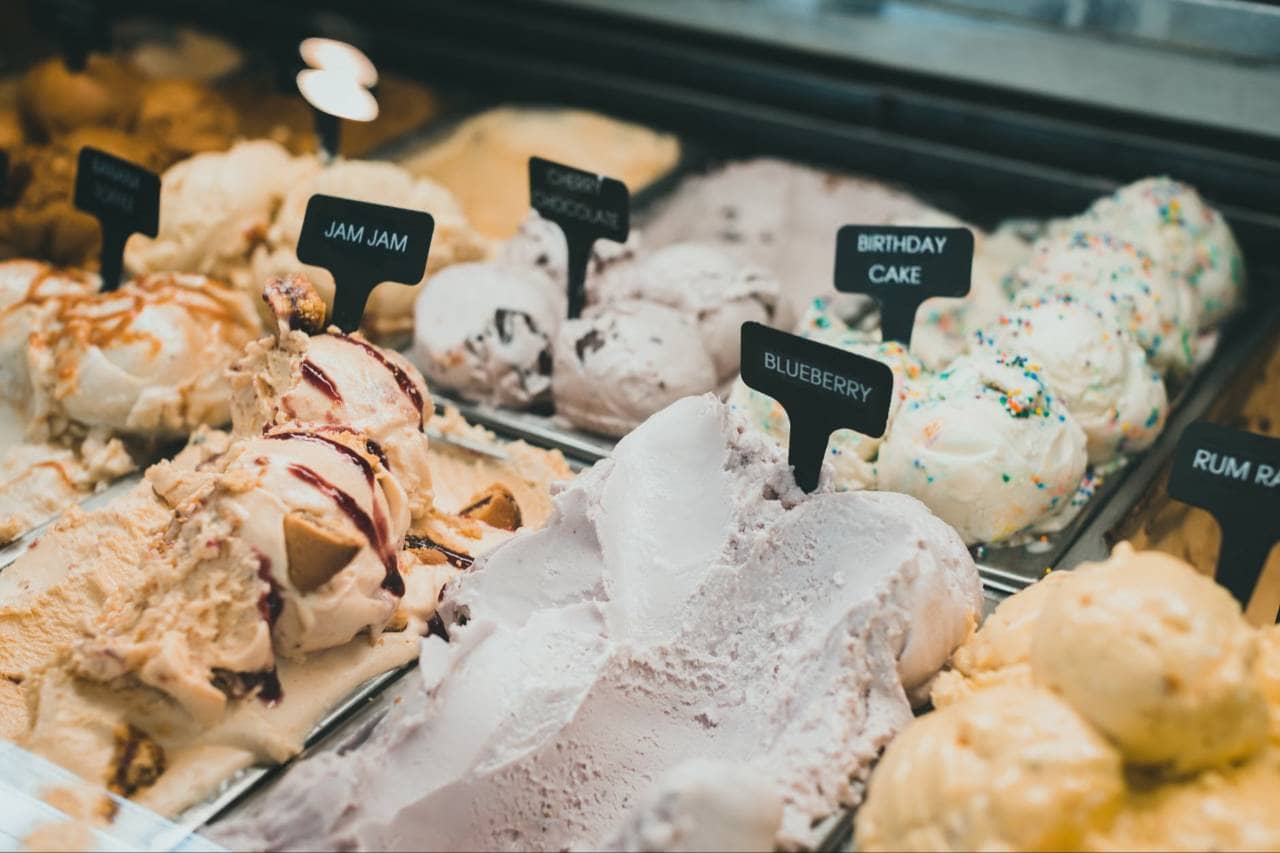
How Much Does It Cost to Open an Ice Cream Shop?
Learn the startup costs of opening an ice cream shop, including rent, equipment, renovations, permits, inventory, labor, marketing, and reserves.
Business Management
Aug 28, 2026
Learn the startup costs of opening an ice cream shop, including rent, equipment, renovations, permits, inventory, labor, marketing, and reserves.
Aug 28, 2026
Learn practical ways to reduce labour costs through smarter scheduling, forecasting, productivity, cross-training, automation, overtime control, and performance monitoring strategies.
Aug 26, 2026
RaceTrac has appointed Jill Pemberton as chief financial officer, succeeding Karla Ahlert, who moves into the newly created role of chief administrative officer.
Aug 26, 2026

A restaurant P&L statement reveals sales, expenses, and profits, helping owners manage costs, improve margins, and plan finances more effectively.
Aug 26, 2026

Create a practical restaurant marketing plan by setting goals, targeting customers, choosing channels, budgeting wisely, scheduling campaigns, and measuring results.
Aug 24, 2026

A payroll advance policy helps restaurant owners define eligibility, limits, repayment, documentation, approval procedures, and compliance requirements for employee advances.
Aug 24, 2026
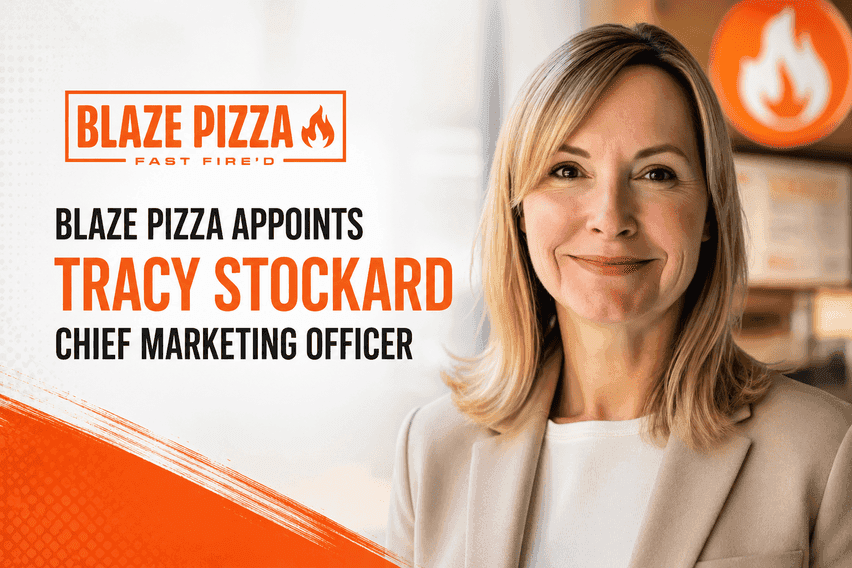
Blaze Pizza welcomes Tracy Stockard as Chief Marketing Officer, bringing decades of brand and franchise experience to drive strategic growth and guest engagement.
Aug 25, 2026
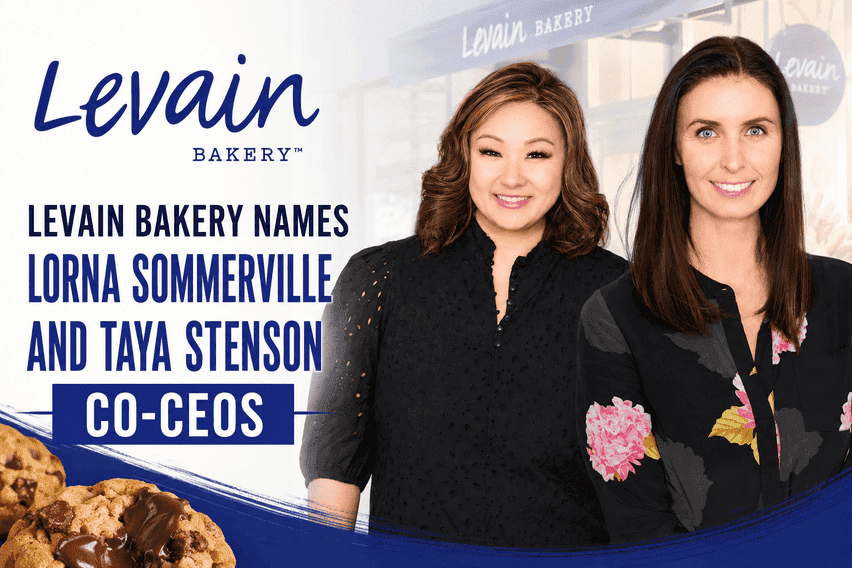
Levain Bakery appoints Lorna Sommerville and Taya Stenson as co-CEOs, blending operational and marketing expertise to power national expansion and innovation while staying rooted in its brand values.
Aug 25, 2026
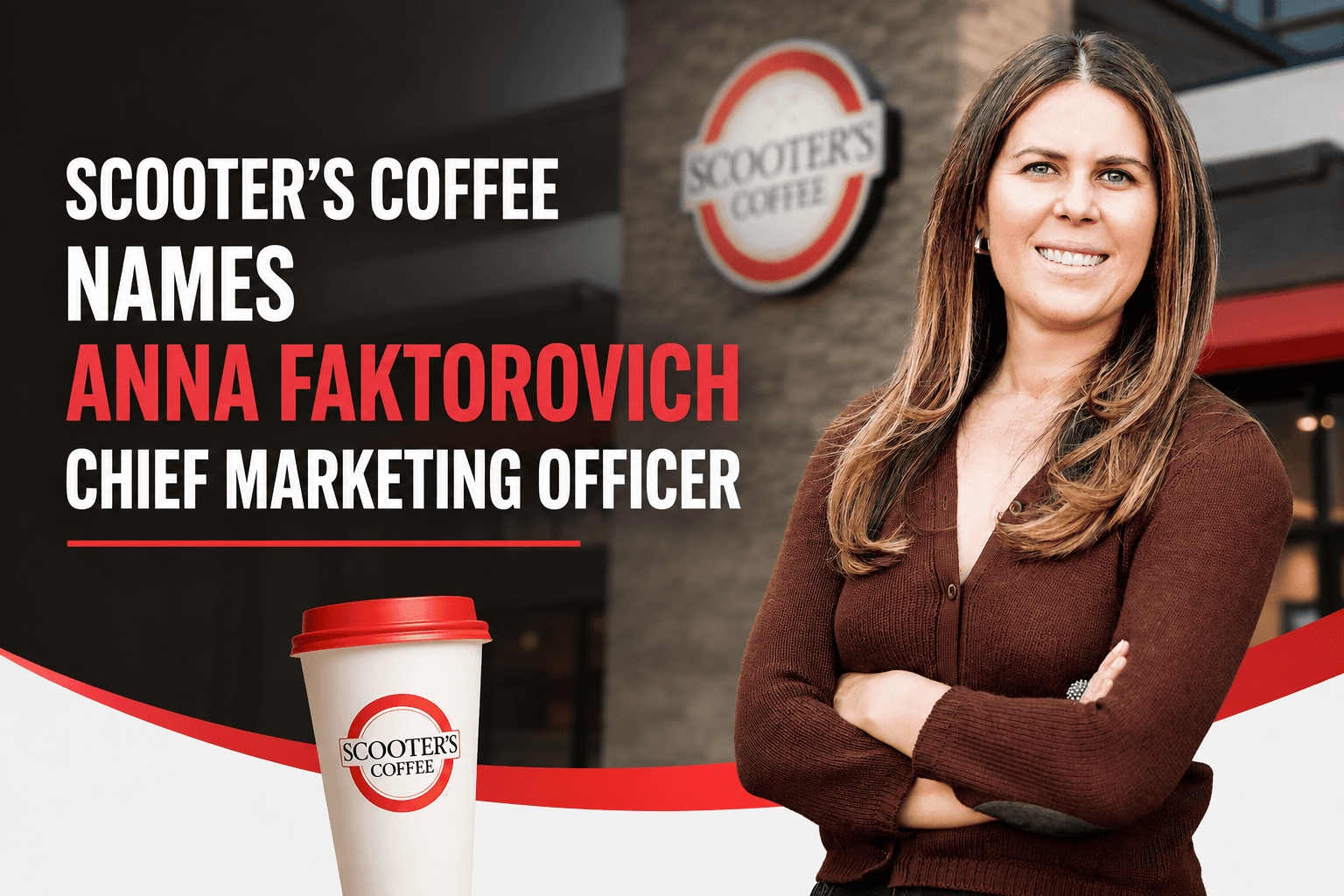
Anna Faktorovich, a seasoned marketing executive, has been named Chief Marketing Officer at Scooter’s Coffee, bringing decades of multi-brand experience to fuel the franchise’s next growth stage.
Aug 25, 2026
Dave & Buster's refreshes its executive lineup with seasoned leaders in operations, marketing, tech, and finance - signaling a growth-driven future for restaurant operators to watch.
Aug 24, 2026

Unlock Exclusive Access To Webinars, Events, And The Latest News For Free!
Red Robin has sold 30 company-owned restaurants in Washington and Western Idaho to multi-unit operator Evergreen Dining for $23.5 million in cash, using the proceeds to pay down debt and fund its First Choice turnaround plan as the chain continues to reshape its ownership structure.

Red Robin has completed the sale of 30 company-owned restaurants to Evergreen Dining, a multi-unit operator with more than 30 years in the restaurant business, for $23.5 million in cash. The locations, situated across Washington state and Western Idaho, will continue operating under the Red Robin brand following the transaction, which is expected to close during the second half of the year. The deal is one of the more tangible financial moves Red Robin has made under its First Choice Plan the chain's multi-pronged turnaround strategy and signals that the refranchising component of that plan is moving from concept to execution.
Red Robin plans to direct the proceeds from the sale toward two specific priorities- paying down outstanding debt and providing further support for the First Choice Plan itself. The turnaround initiative includes efforts to generate capital through refranchising, reduce operating expenses, and bring debt levels down to a point where the chain can refinance its obligations on more favorable terms. For a casual-dining brand carrying the weight of a prolonged sales decline and a shrinking unit count, improving the balance sheet isn't just a financial exercise it's a prerequisite for the kind of operational and marketing investments that actually drive guest traffic and revenue. Getting debt under control creates the flexibility to spend where it matters.
The Evergreen Dining transaction is unlikely to be the last. CEO and President David Pace confirmed during a recent earnings call that Red Robin was in final discussions with multiple parties as of mid-May, all of whom understood the operational progress the chain has made and saw the First Choice Plan as creating real opportunity rather than just managing a decline. Pace set the long-term ownership target at 65% to 75% company-owned, which means the chain could ultimately refranchise up to 15% of its total store system. With 469 units at the end of the first quarter down from 491 a year ago the math suggests a meaningful number of additional transactions could follow the Evergreen deal. The sustained level of interest from potential franchise partners, Pace noted, reflects growing confidence in the system's improvements and in the underlying strength of the Red Robin brand. He also emphasized that the company intends to be disciplined and selective in the process, prioritizing operators who share the brand's commitment to operational excellence and guest experience over simply moving locations off the company's books.
Evergreen Dining brings a meaningful track record to its new Red Robin locations. The company operates over 100 restaurants across multiple brands and has been in the business for three decades giving it the organizational infrastructure to absorb 30 locations without operational disruption. Red Robin specifically highlighted Evergreen's depth across restaurant accounting, human resources, IT, marketing, payroll, purchasing, and real estate services as factors in the decision. That kind of operational capability matters when evaluating a refranchising partner. A franchisee that can handle the back-office complexity of a large multi-unit portfolio is less likely to struggle with the transition and more likely to maintain the guest experience standards the brand is working to reinforce systemwide.
The refranchising activity is happening alongside a broader portfolio rationalization effort. Last year, Red Robin analyzed 70 stores for potential closure a significant undertaking that reflects how seriously the chain has been scrutinizing underperforming units. Of those 70, enough improvements were made at 20 locations during the fourth quarter that they were removed from the closure list entirely. The chain closed just six units in the first quarter of this year. That balance closing the locations that can't be saved while investing in the ones that can reflects a more measured approach than simply shutting down at scale. Red Robin ended the first quarter with 469 units, and the narrowing of traffic losses from negative 3.5% a year ago to negative 1.6% in Q1 suggests the operational work is beginning to show up in the numbers, even if comparable restaurant revenue still declined 0.6% during the period.
The sale of 30 locations to Evergreen Dining is a meaningful proof point that Red Robin's refranchising strategy has real traction. Attracting a serious, experienced multi-unit operator willing to commit $23.5 million to the brand at a time when Red Robin is still in recovery mode signals that franchise investors see value in the system that the recent sales struggles might obscure. The First Choice Plan covers more ground than refranchising alone. It also addresses operational efficiency, guest traffic, restaurant appearance, and the employee environment recognizing that recruitment and retention at the store level are as important to the turnaround as any financial restructuring. The combination of improving unit-level performance, a cleaner balance sheet, and growing franchisee confidence gives Red Robin a more credible path forward than it had a year ago. How quickly those improvements translate into positive comparable sales will be the clearest measure of whether the plan is working.