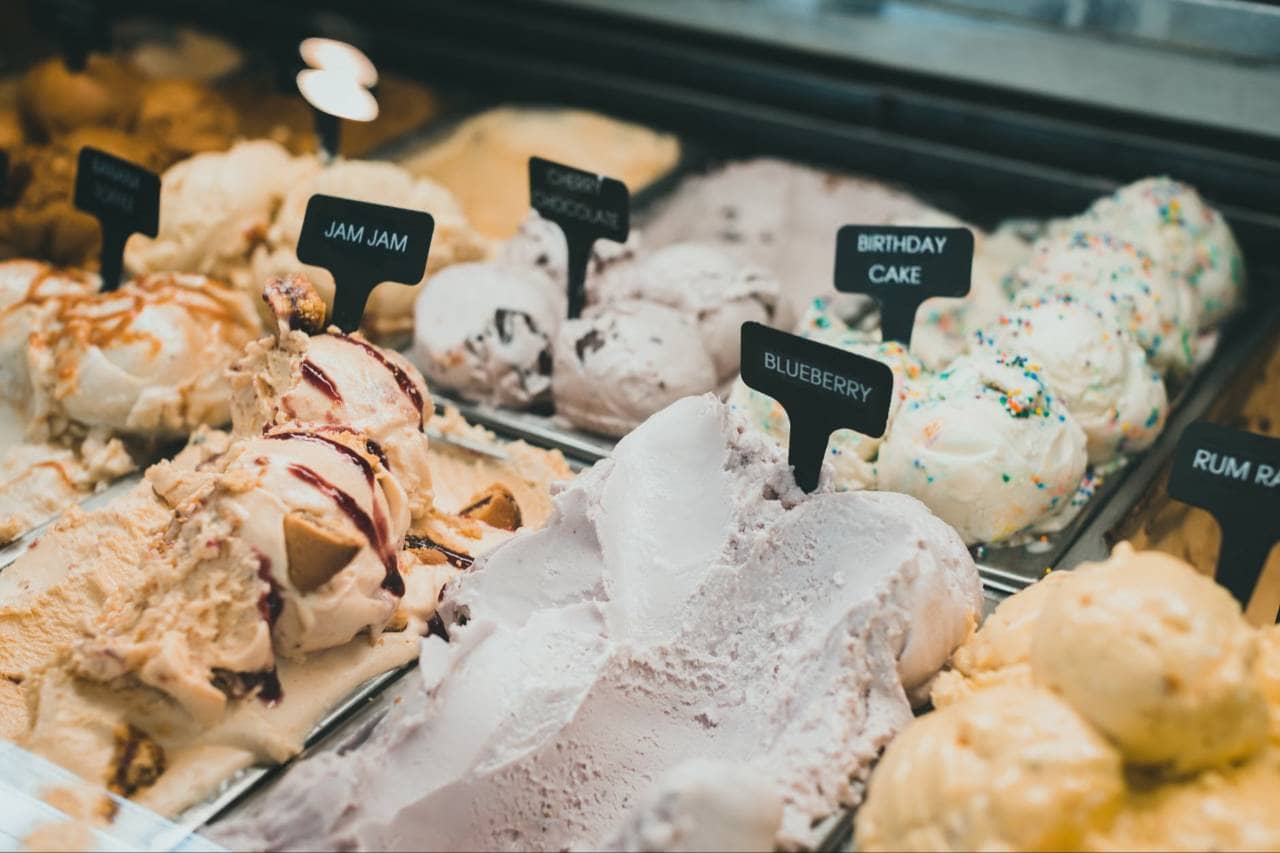
How Much Does It Cost to Open an Ice Cream Shop?
Learn the startup costs of opening an ice cream shop, including rent, equipment, renovations, permits, inventory, labor, marketing, and reserves.
Business Management
Aug 28, 2026
Learn the startup costs of opening an ice cream shop, including rent, equipment, renovations, permits, inventory, labor, marketing, and reserves.
Aug 28, 2026
Learn practical ways to reduce labour costs through smarter scheduling, forecasting, productivity, cross-training, automation, overtime control, and performance monitoring strategies.
Aug 26, 2026
RaceTrac has appointed Jill Pemberton as chief financial officer, succeeding Karla Ahlert, who moves into the newly created role of chief administrative officer.
Aug 26, 2026

A restaurant P&L statement reveals sales, expenses, and profits, helping owners manage costs, improve margins, and plan finances more effectively.
Aug 26, 2026
A payroll advance policy helps restaurant owners define eligibility, limits, repayment, documentation, approval procedures, and compliance requirements for employee advances.
Aug 24, 2026
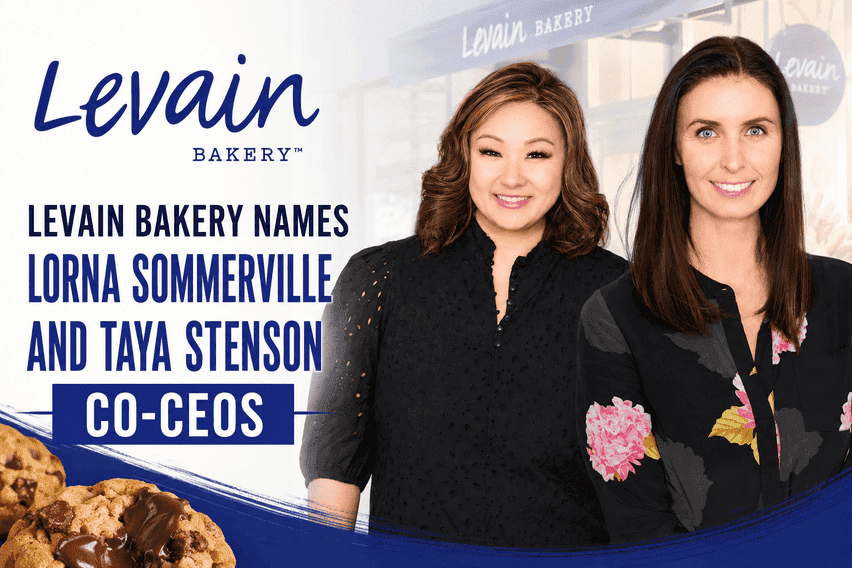
Levain Bakery appoints Lorna Sommerville and Taya Stenson as co-CEOs, blending operational and marketing expertise to power national expansion and innovation while staying rooted in its brand values.
Aug 25, 2026
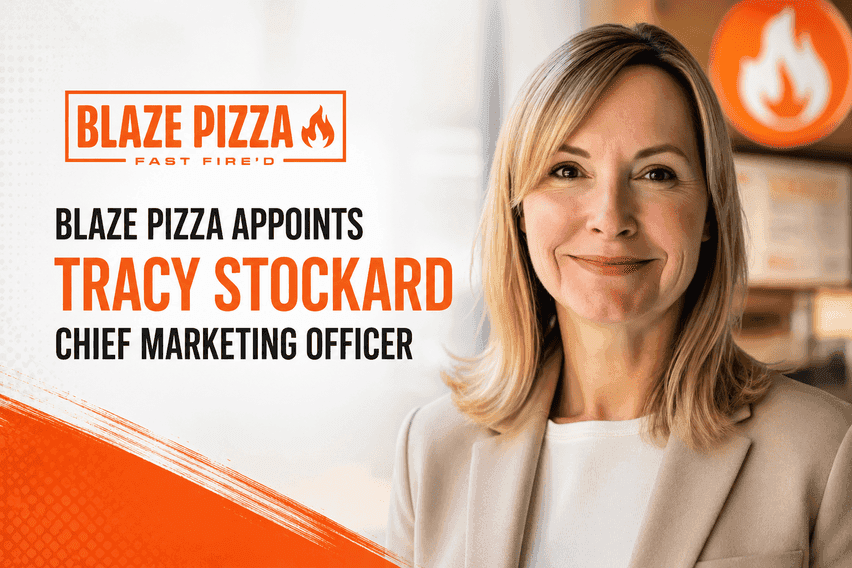
Blaze Pizza welcomes Tracy Stockard as Chief Marketing Officer, bringing decades of brand and franchise experience to drive strategic growth and guest engagement.
Aug 25, 2026

Create a practical restaurant marketing plan by setting goals, targeting customers, choosing channels, budgeting wisely, scheduling campaigns, and measuring results.
Aug 24, 2026
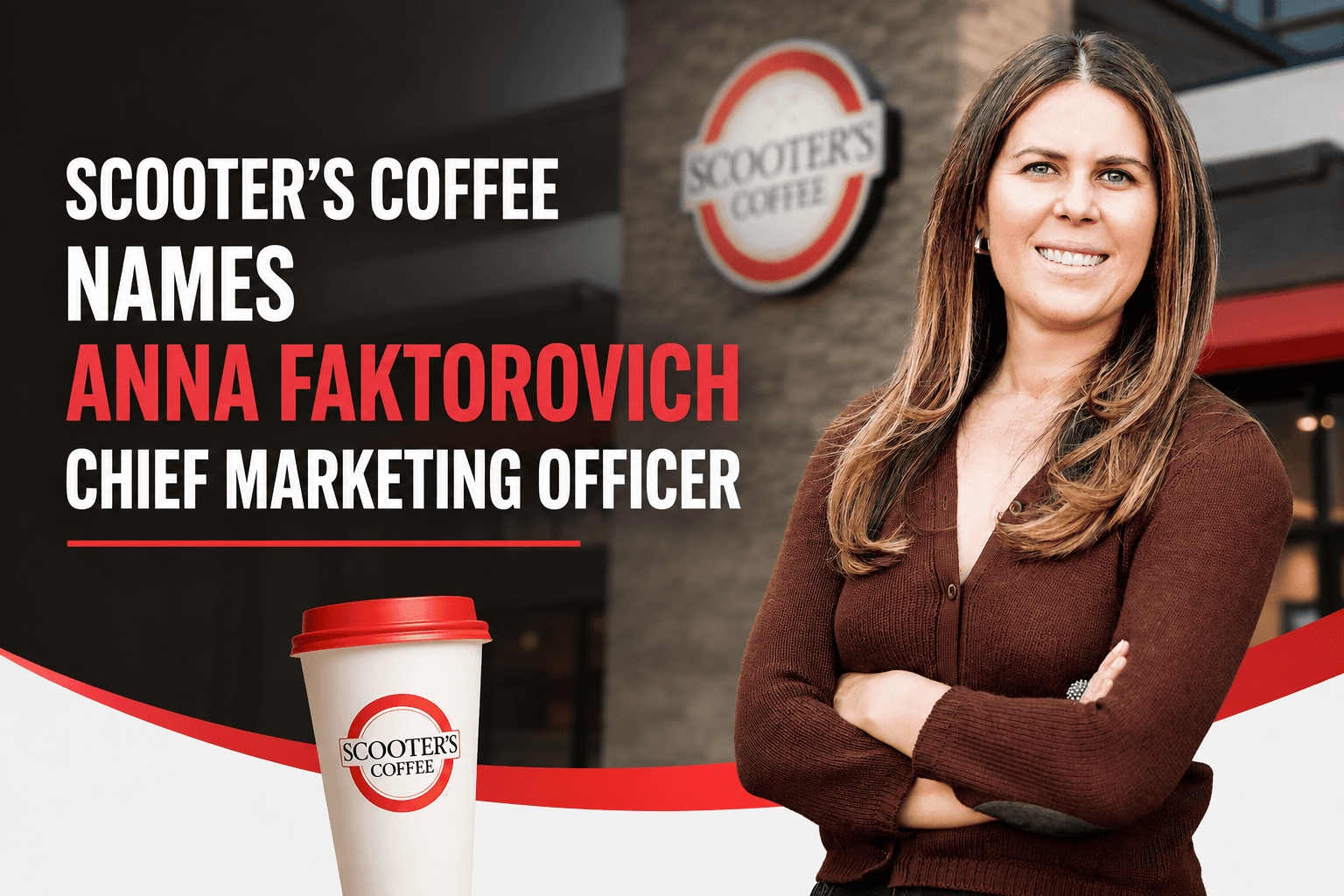
Anna Faktorovich, a seasoned marketing executive, has been named Chief Marketing Officer at Scooter’s Coffee, bringing decades of multi-brand experience to fuel the franchise’s next growth stage.
Aug 25, 2026
Wendy’s announces Tariq Hassan as Chief Marketing and Customer Growth Officer, charting a new course for brand and digital innovation. What restaurant owners can learn.
Aug 24, 2026

Unlock Exclusive Access To Webinars, Events, And The Latest News For Free!
Learn how Father's Day promotions, menus, reservations, marketing, and staff training increase restaurant sales while protecting margins and improving performance.
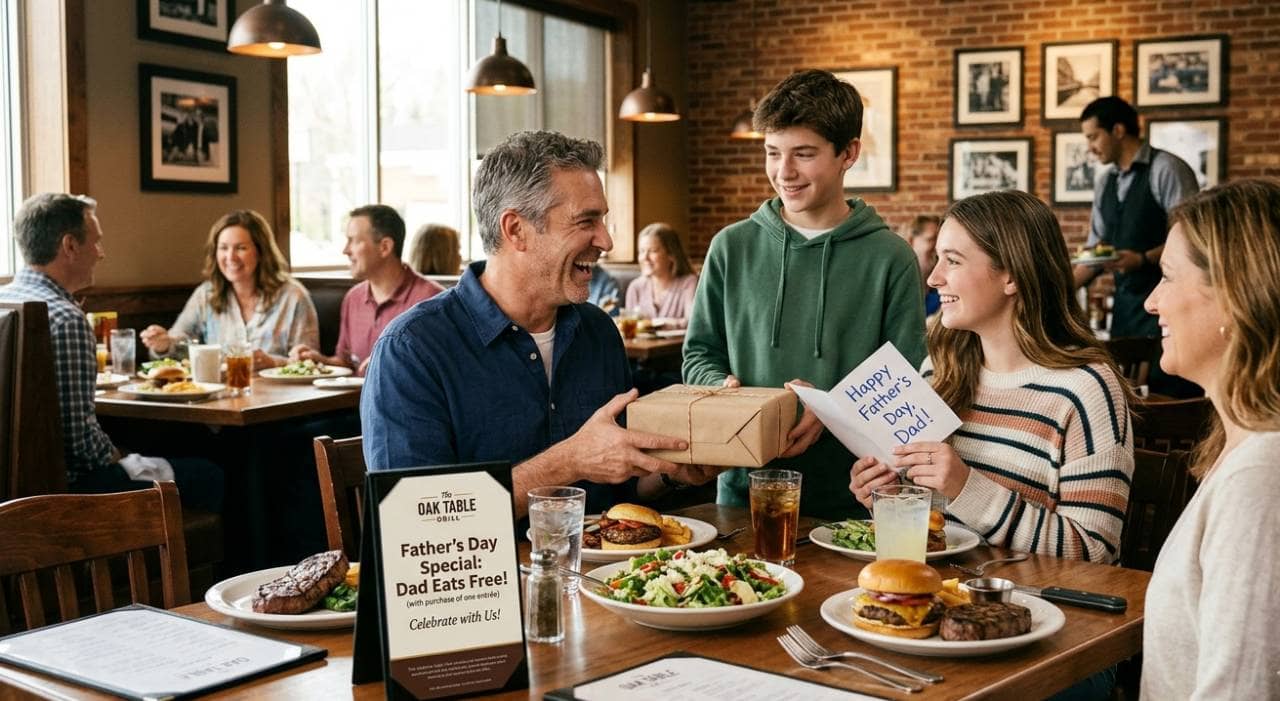
Father's Day gives restaurant owners a clear chance to increase sales because it is built around family gatherings, celebration, and spending. Many guests are not just looking for a regular meal. They are looking for a place to treat Dad, bring the family together, and make the day feel special. That creates demand for brunch, lunch, dinner, takeout, catering, gift cards, drinks, desserts, and group dining. For restaurants, the opportunity is not only higher traffic. It is higher revenue per guest. A Father's Day table may include appetizers, premium entrees, steak specials, BBQ platters, cocktails, desserts, and add-ons that guests may not order on a normal Sunday. Families may also book larger tables, preorder meals, or choose family-style packages that raise the total check size. The key is planning early. A restaurant should not wait until Father's Day weekend to decide what to offer. Owners need to think about menu pricing, reservation pacing, staffing, inventory, kitchen capacity, and marketing ahead of time. Without planning, a busy holiday can create long waits, rushed service, food shortages, stressed employees, and missed sales. Father's Day should be treated as a sales event, not just a holiday. When the menu, promotions, staff, and ordering channels are prepared, restaurants can serve more guests, increase average check size, and turn one busy day into a stronger revenue opportunity.
A strong Father's Day menu should do more than look creative. It should help the restaurant increase average check size while keeping food cost, labor, and kitchen execution under control. Instead of offering the full regular menu with a few specials added, owners should look at menu performance data and build offers around items that are profitable, popular, and easy to execute at higher volume. Start by reviewing last year's Father's Day sales, recent Sunday sales, and top-selling menu items by day-part. Look at average check size, entree mix, appetizer sales, dessert attach rate, beverage sales, and table size. These numbers help owners understand where the biggest sales opportunities are. For example, if dinner traffic is already strong but dessert sales are low, a bundled dessert upgrade may increase revenue without requiring more tables. If brunch has high demand but lower checks, a prix fixe brunch menu may help raise spend per guest. A revenue-focused Father's Day menu can include - 1. Premium entree specials - Steak, ribs, seafood, BBQ platters, or chef specials can raise check averages when priced correctly. 2. Prix fixe menus - A set menu with appetizer, entree, and dessert can increase predictability and encourage guests to spend more. 3. Family-style packages - Larger platters can support group dining and increase total ticket value. 4. Drink pairings - Beer flights, whiskey pairings, cocktails, mocktails, or specialty beverages can improve beverage revenue. 5. Dessert and add-on offers - Dessert bundles, upgraded sides, extra sauces, or shareable appetizers can increase incremental sales. Every Father's Day menu item should have a target food cost, expected selling price, prep plan, and sales goal. When the menu is built from data instead of guesswork, owners can increase sales without creating unnecessary complexity for the kitchen or service team.
Reservations are one of the most important tools for increasing Father's Day restaurant sales because they help owners control demand before guests arrive. A busy holiday can bring more traffic, but traffic alone does not guarantee higher revenue. If tables are not paced correctly, the restaurant may deal with long waits, slow service, kitchen backups, frustrated guests, and lost sales. A reservation strategy helps turn demand into predictable revenue. Start by reviewing past Sunday sales, Father's Day performance, table turn times, average party size, and peak ordering windows. These numbers show how many guests the restaurant can realistically serve without hurting service quality. For example, if a four-top usually turns in 75 minutes during dinner, the restaurant can estimate how many seatings are possible between 4 p.m. and 9 p.m. If the kitchen slows down after a certain number of tickets per hour, reservations should be spaced to match kitchen capacity, not just dining room capacity. Restaurant owners should focus on a few key reservation metrics - 1. Table turn time - Track how long guests stay from seating to payment. Shorter, well-managed turns allow more covers without rushing the experience. 2. Average party size - Father's Day often brings larger groups, so owners should plan table layouts around families, not only two-tops. 3. No-show rate - Deposits, credit card holds, or confirmation texts can reduce empty tables during high-demand hours. 4. Revenue per seating block - Compare lunch, brunch, and dinner blocks to see which time periods generate the strongest sales. 5. Waitlist conversion - A strong waitlist helps fill cancellations and last-minute gaps. If the restaurant knows expected covers by hour, managers can schedule the right number of servers, cooks, hosts, and bussers. They can also prepare enough food without over-ordering.
Gift cards are one of the easiest ways to increase Father's Day sales before the holiday even arrives. Instead of waiting for guests to dine in on Father's Day, restaurants can generate revenue early by promoting gift cards through email, social media, online ordering pages, receipts, table tents, and in-store signage. A strong gift card strategy should be measured like any other sales campaign. Restaurant owners should track total gift card sales, number of cards sold, average gift card value, redemption rate, and repeat visits after redemption. These numbers show whether the promotion is only creating short-term cash flow or also bringing guests back later. For Father's Day, restaurants can build gift card offers around clear value - 1. Bonus card offers - For example, "Buy a $50 gift card and receive a $10 bonus card." This encourages a higher purchase amount while giving guests an easy Father's Day gift. 2. Digital gift cards - Online gift cards make last-minute buying easier, especially for customers who are shopping from their phone. 3. Meal-based messaging - Instead of only saying "Buy a gift card," promote it as "Treat Dad to dinner," "Give Dad his favorite steak night," or "Plan Father's Day brunch early." 4. Bundled offers - Pair a gift card with a dessert voucher, appetizer offer, or future dining incentive to increase perceived value. 5. Post-holiday redemption windows - Bonus cards can be valid after Father's Day to drive traffic during slower weeks. The numbers matter because a poorly planned gift card offer can reduce margins if the discount is too large or the redemption rules are unclear. Owners should set a target sales goal, choose a minimum purchase amount, define expiration rules for bonus cards where allowed, and train staff to mention the offer during every checkout. Gift cards also help restaurants extend the value of Father's Day beyond one busy Sunday. When promoted early and tracked correctly, they can create upfront cash flow, increase brand visibility, and bring guests back after the holiday rush is over.
Father's Day sales should not depend only on the number of tables inside the restaurant. Dine-in capacity is limited by seats, service speed, and table turnover. Takeout, delivery, and catering packages give restaurant owners another way to increase revenue by serving guests who want to celebrate at home, host family gatherings, or avoid long waits during peak holiday hours. Owners should review past holiday takeout sales, average online order value, delivery volume, catering inquiries, top-selling family meals, and peak pickup times. These numbers help determine what type of Father's Day packages will sell, how much prep is needed, and how many orders the kitchen can handle without disrupting dine-in service. Strong Father's Day off-premise offers can include - 1. Family meal bundles - Package entrees, sides, sauces, and desserts for groups of four, six, or eight. This raises ticket size and makes ordering easier for families. 2. BBQ or grill boxes - Ribs, brisket, burgers, steaks, chicken, or smoked meats can work well for Father's Day because they feel occasion-based and shareable. 3. Brunch kits - Restaurants with brunch traffic can offer pancakes, breakfast meats, pastries, fruit, coffee, or mimosa-style add-ons where allowed. 4. Catering trays - Party platters, appetizer trays, sandwich boxes, salads, and dessert trays can capture larger household gatherings. 5. Preorder-only specials - Preorders help owners forecast ingredients, labor, prep time, and pickup windows more accurately. The key is to track both revenue and execution. Owners should measure total off-premise sales, average order value, number of preorders, fulfillment time, cancellation rate, and food cost by package. A high-volume package is not profitable if it slows the kitchen, creates waste, or requires too much labor. Pickup timing also matters. Restaurants can use scheduled pickup windows to spread demand across the day instead of overwhelming the kitchen at one time. For delivery, menus should be limited to items that travel well and protect food quality. When takeout, delivery, and catering are planned with clear sales targets and production limits, Father's Day becomes more than a dining room event. It becomes a full revenue opportunity across every ordering channel.
Father's Day marketing should start before guests decide where they are going to eat. Many families plan holiday meals in advance, especially when they need a reservation, a group table, a takeout package, or a gift card. If a restaurant waits until the weekend of Father's Day to promote its offers, it may miss customers who already booked elsewhere. Early marketing helps owners capture demand while guests are still comparing options. Restaurant owners should decide how many reservations, preorders, gift card purchases, catering orders, or online orders they want before the holiday. These goals make it easier to measure whether the campaign is working. Instead of only posting "Father's Day specials," owners should track the results behind each channel. Key marketing metrics to review include - 1. Email open rate and click rate - These numbers show whether the message and offer are strong enough to drive action. 2. Reservation conversions - Track how many guests book after receiving an email, clicking an ad, or visiting the website. 3. Online preorder volume - Measure how many takeout, delivery, or catering orders are placed before the holiday. 4. Gift card sales - Track total sales, average gift card value, and which channels drive purchases. 5. Social media engagement - Review saves, shares, comments, link clicks, and direct messages, not just likes. 6. Google Business Profile activity - Monitor calls, website clicks, direction requests, menu views, and reservation clicks. Restaurants should promote Father's Day across multiple channels because guests do not all make decisions the same way. Email can reach loyal customers. SMS can drive urgency. Social media can showcase menu photos, limited-time specials, and family-style packages. Google Business Profile updates can help nearby guests find the restaurant when they search for Father's Day brunch, dinner, or takeout. Website banners and online ordering pages should make the offer easy to find and easy to buy. The strongest marketing does not only create awareness. It creates measurable action. Every post, email, ad, and website update should point guests toward a clear next step - reserve a table, preorder a package, buy a gift card, or view the Father's Day menu. When owners track the response by channel, they can spend more time and money on what drives revenue and stop guessing which promotions are working.
Father's Day upselling should be planned, measured, and easy for staff to execute. A busy holiday is not the right time for servers to guess what to recommend. When the dining room is full, the goal is to increase check size without slowing table turns, overwhelming the kitchen, or making guests feel pressured. Strong upselling should feel like helpful service, not a hard sales pitch. Restaurant owners can start by reviewing sales data before the holiday. Look at appetizer attach rate, dessert attach rate, beverage sales, premium entree sales, average check size, and sales per server. These numbers show where the biggest opportunities are. For example, if many tables order entrees but few order appetizers, servers can be trained to suggest one shareable starter for the table. If dessert sales are low, the restaurant can offer a Father's Day dessert bundle or "Dad's favorite" dessert special. Staff training should focus on a few clear selling points - 1. Know the highest-margin items - Servers should understand which appetizers, drinks, desserts, sides, and upgrades increase profit without creating kitchen delays. 2. Recommend by occasion - Instead of asking, "Do you want anything else?" staff can say, "A lot of families are starting with the BBQ sampler today," or "The steak upgrade has been popular for Father's Day." 3. Offer add-ons at the right time - Appetizers should be suggested early, drink refills before entrees arrive, and desserts before the table feels ready to leave. 4. Use simple scripts - Short, natural phrases help staff sell consistently without sounding robotic. 5. Track performance by shift - Managers should review average check size, add-on sales, beverage sales, and dessert sales by server or service period. Upselling should also be matched to operational capacity. If the kitchen is already at maximum ticket volume, staff should not push items that require long prep times. If the bar is backed up, managers may shift focus to bottled beverages, mocktails, or easier drink options. The best Father's Day upselling plan helps guests enjoy the celebration while helping the restaurant increase revenue per table. When staff know what to recommend, when to recommend it, and how to do it naturally, upselling becomes part of the guest experience instead of a disruption.
