Accuracy Over Speed: PJ’s Drive-Thru Playbook
At Food On Demand, PJ’s Coffee champions accuracy at the window, using hybrid formats, training, and selective tech to drive revenue and loyalty.
May 20, 2026
At Food On Demand, PJ’s Coffee champions accuracy at the window, using hybrid formats, training, and selective tech to drive revenue and loyalty.
May 20, 2026
At Chicago’s Restaurant Show, robots, voice AI, and drones moved from novelty to hard math, as vendors pitched costs, ROI, and cautious paths to scale.
May 20, 2026
Thai Chili 2Go, Bonchon, Cupbop, and Teriyaki Madness scale fast by pairing authentic flavors with data, supply chain muscle, and streamlined ops.
May 20, 2026
Launching a profitable boba tea shop requires customer research, smart location choices, efficient systems, controlled costs, and local marketing strategy.
May 18, 2026
This article highlights the best areas in Florida for restaurants by comparing tourism, growth, costs, customer demand, and concept fit.
May 19, 2026
How Mendocino Farms and peers use tiered and pillar frameworks to calm complex vendor stacks, tighten integration, and protect guest experience.
May 19, 2026
Operators warn enforcement is choking labor and demand. Inside the Dignity Act push, supply-chain risks, and what’s next for restaurants.
May 19, 2026
As 30–40% of QSR guests shift to delivery, operators redesign kitchens, reframe drivers as guests, and navigate fees, caps, and refunds in a fast-growing market.
May 19, 2026
Leaders outline a gentler, seamless digital hospitality—data, design, and care that turn online orders into loyalty and measurable growth.
May 19, 2026
How Dave’s crossed 400 units with tight unit economics, aligned leadership, and a challenger ethos—without watering down the guest experience.
May 19, 2026
Unlock Exclusive Access To Webinars, Events, And The Latest News For Free!
Explore how leading restaurant brands like McDonald’s, Wingstop, and Chipotle appeal to Gen Z consumers through innovative marketing strategies and brand engagement.
Photo by Erik Mclean
Gen Z consumers are known for their lack of brand loyalty, which presents both a challenge and an opportunity for restaurant brands. While this demographic is not devoted to specific brands, they still engage with various establishments. The recent report on the most magnetic brands for Gen Z sheds light on the preferences of this influential consumer group. With Gen Z projected to hold significant spending power by 2030, understanding their behavior and catering to their preferences is crucial for restaurant success.
Photo by Erik Mclean
McDonald's continues to resonate with Gen Z consumers by tapping into popular culture through strategic collaborations and innovative marketing campaigns. By engaging with well-known brands like Genshin Impact and Crocs, McDonald's stays relevant and appealing to younger audiences. The chain's ability to create viral challenges, such as the Grimace Shake on TikTok, showcases its understanding of digital trends and consumer engagement.
Wingstop's rise in the Gen Z rankings is a result of its adaptation to younger consumers' preferences and digital habits. The introduction of chicken sandwiches, a popular choice for mobility and convenience, has significantly boosted Wingstop's appeal among the demographic. Emphasizing digital channels and strategic partnerships, such as the NBA collaboration, has further enhanced the brand's visibility and attracted new customers.

Photo by Erik Mclean
Raising Cane’s success in appealing to Gen Z lies in its straightforward menu and strategic expansion efforts. By focusing on a popular item like chicken tenders and expanding into iconic locations, Raising Cane’s has captured the attention of younger consumers. Collaborations with celebrities like Post Malone and Snoop Dogg have also helped elevate the brand's recognition and appeal.

Photo by Erik Mclean
The emergence of Wingstop and Raising Cane’s in the Gen Z magnetism report highlights the growing competition within the chicken category for this demographic. As Gen Z accelerates chicken consumption trends, other brands like McDonald’s and Taco Bell are adjusting their menu offerings to prioritize chicken options. Chicken-centric brands align well with social gatherings, making them ideal choices for communal eating occasions among Gen Z consumers.

Photo by Erik Mclean
Chipotle's rise in the Gen Z rankings can be attributed to its strategic investments in gaming partnerships, social media collaborations, and promotional events. By engaging with influencers and leveraging popular trends like fantasy football, Chipotle maintains a strong connection with younger consumers. The brand's innovation in menu offerings, such as the Smoked Brisket comeback, demonstrates its ability to stay relevant and appealing to Gen Z.

Photo by Erik Mclean
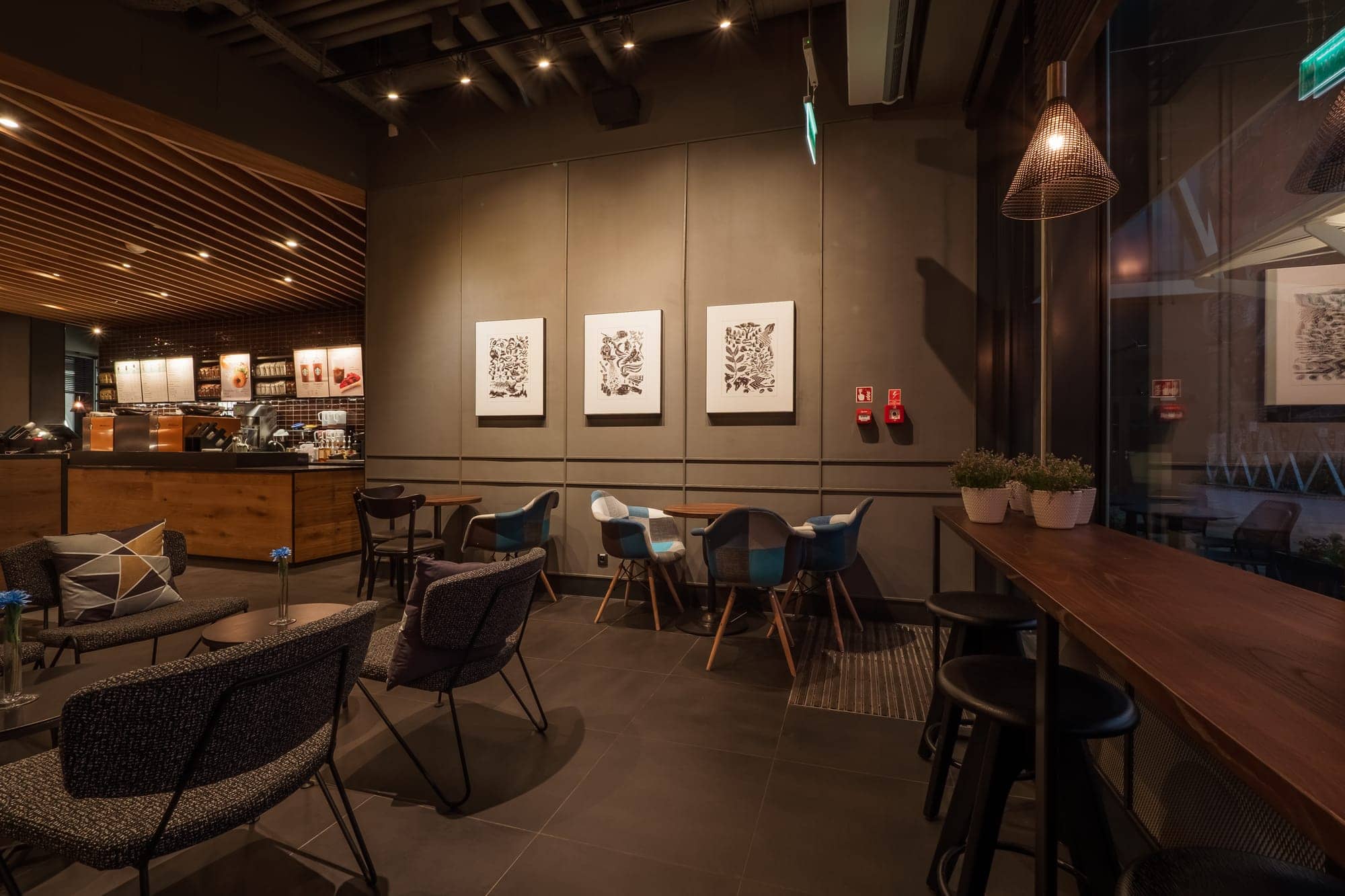
Starbucks' decline in the Gen Z rankings reflects the challenges faced by the brand in engaging younger consumers. To address this, Starbucks is focusing on revamping its marketing approach and simplifying its offerings to emphasize the overall brand experience. By repositioning itself as a welcoming coffeehouse environment, Starbucks aims to regain the favor of Gen Z customers and overcome recent sales obstacles.
The importance of user-generated content (UGC) in influencing Gen Z cannot be understated. Brands that resonate with this demographic prioritize authentic and genuine content over traditional influencer posts. By analyzing UGC themes and leveraging platforms like TikTok, brands can enhance their magnetism and appeal to Gen Z consumers effectively.
As Gen Z continues to shape consumer trends and spending habits, restaurant brands must adapt their strategies to resonate with this influential demographic. Utilizing digital channels, cultivating authentic brand experiences, and prioritizing simplicity and convenience in offerings are key factors for success. By understanding Gen Z preferences and behaviors, restaurant brands can position themselves as magnetic choices for this growing consumer segment.