Cracker Barrel’s Swift Logo Reversal and the Gentle Road Back to Comfort
After unveiling a modernized logo on August 19, 2025, Cracker Barrel reversed course within a week as traffic fell 8 percent and shares slid 16 percent. The brand restored its “Old Timer,” paused remodels, reshuffled leadership, and leaned on value-forward menu moves to steady demand.

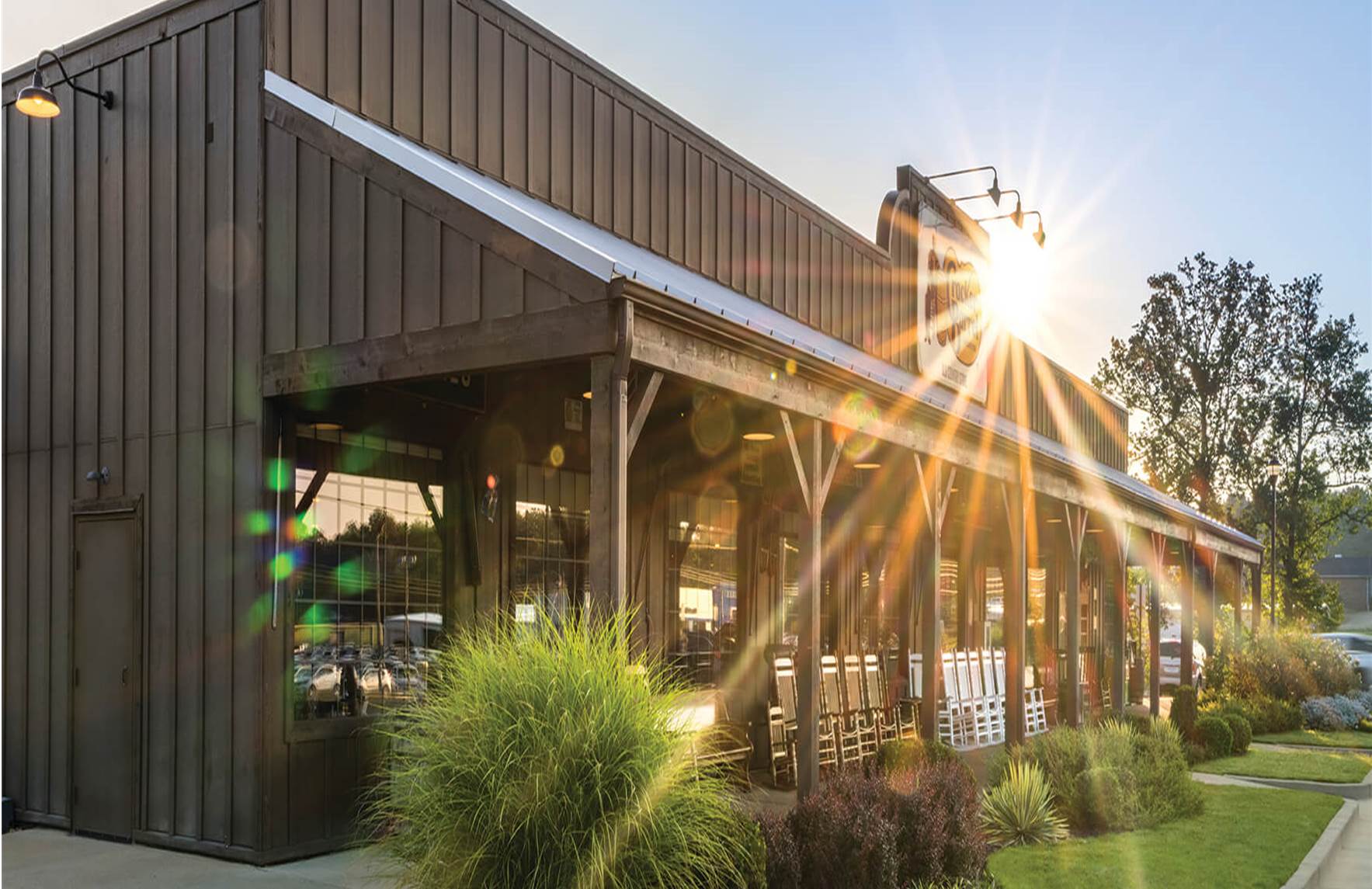
A Makeover That Unraveled
Cracker Barrel set out earlier in 2025 with a “$700 million” revamp meant to refresh its look and energy. On “August 19, 2025,” the modernized logo and design debuted—sleek lines, a spare wordmark, and a break from the familiar. Within roughly a week, the company reversed course as guest sentiment dimmed and routines that once felt welcoming suddenly seemed uncertain. Traffic fell around “8 percent” after the change, compared with a “1 percent” decline earlier in the month, a sobering sign that the makeover sharpened a slowdown rather than softened it. Shares dropped approximately “16 percent” following the rollout, a market tremor that framed the rebrand as more risk than remedy. In a business built on warm greetings and dependable rituals, such swift retracing suggests a sensitivity to the quiet signals of the dining room—the hesitations at the door, the drop-off at dinner. The company halted its remodel program and began a leadership reshuffle, pivoting from image to execution. The mood turned pragmatic: steady hands, careful steps, and a return to what the brand’s guests recognize as home. Analysis: The rapid reversal, paired with traffic and share declines, shows the company moved quickly to protect core demand and contain risk when the new look dampened visits and unnerved investors.
When Symbols Carry Supper
Developed with global consultancy Prophet, the redesign leaned into sleek interiors and a minimalist wordmark. In that minimalism, something essential slipped away. The simplified logo removed “Uncle Herschel,” the “Old Timer,” and the reaction from long-time patrons and conservative commentators was immediate. Former President Donald Trump publicly demanded restoration of the traditional branding, and the chain ultimately reinstated the original “Old Timer.” For a concept built on tradition and hospitality cues, replacing a legacy emblem can feel like swapping a front porch for a glass facade—clean, but less comforting. The “Old Timer” had become more than an image; it was a gentle signal of who the brand is and how it welcomes guests. Returning to that emblem was a decision to honor how memory, comfort, and value are seen before they are tasted. Analysis: The backlash underscores how deeply the brand’s heritage is tied to its iconography, and high-profile criticism intensified the response; restoring the “Old Timer” was meant to reconnect with loyalists and stabilize sentiment.
From Aesthetics To Execution
When the rollout faltered, the company pulled the emergency brake gently but decisively. Only “four” of its “roughly 660” restaurants had implemented the new design, a low enough penetration to unwind without fracturing the system. Remodels were paused, preserving capital and minimizing store-level disruption. Cracker Barrel also terminated its contract with Prophet and reorganized leadership to sharpen focus on guest experience and field operations, elevating operators such as Doug Hisel to senior roles. Decision-making shifted from the canvas of design to the cadence of service—how quickly tables turn, how warmly guests are greeted, how consistently the food arrives. It’s the kind of inward refocus that favors steadiness over spectacle. Analysis: Curtailing remodels early limited sunk costs, while promoting operators concentrated attention on in-restaurant performance—an intentional pivot from aesthetic experimentation to dependable execution.
A Proxy-Side Chill
Even as the logo returned to a familiar face, the boardroom felt a draft. Long-time activist investor Sardar Biglari renewed his campaign, urging shareholders to vote against CEO Julie Felss Masino and board member Gilbert Dávila. Proxy advisory firms opposed Dávila but did not recommend ousting Masino, a split verdict that both challenged and steadied governance at once. Activism arrived in the same moment the brand needed quiet to reset, placing scrutiny on decisions large and small. The result is a delicate balance: accountability without a mandate to replace leadership, pressure without a forced pivot. In this atmosphere, every operational gain matters more, and every misstep echoes longer. Analysis: Biglari’s renewed effort signals persistent oversight, while proxy advisors’ stance preserves executive continuity, shaping a constrained yet stable runway for the reset.

Traffic Tells The Story
Financials caught the mood in the room. For fiscal Q1 2026, which began on “August 2, 2025,” revenue was “approximately $797.2 million,” down “5.7 percent” year over year. The company recorded a net loss of “$24.6 million,” compared with a prior year profit of “$4.8 million.” Adjusted earnings of “74 cents” per share exceeded expectations, but same-store sales fell “4.7 percent” in restaurants and “8.5 percent” in retail—evidence that softness spread beyond a single aisle or daypart. Guidance was tightened to “$3.2–3.3 billion” in revenue and up to “$110 million” in adjusted EBITDA. Shares fell “nearly 9 percent” after-hours on the update, and the stock is down “nearly 50 percent” over the past year. Analysts expect revenue “between $3.35 billion and $3.45 billion,” a range above management’s view, revealing a gap between external hopes and internal visibility. With the remodel program canceled across all “660” locations and an expectation of a “4 to 7 percent” decline in customer visits for the remainder of the year, the company is protecting liquidity while acknowledging lingering hesitation. Analysis: The results and outlook show that symbolism alone can’t mend demand; safeguarding cash helps, but visit recovery remains the decisive lever for earnings stabilization.
Serving Value With Warmth
The rebuilding plan leans on the quiet power of a well-run dining room. Investments in labor and training over two years reduced hourly turnover by “19 percentage points,” giving stores a steadier rhythm and guests a more consistent welcome. Seasonal Campfire Meals returned in summer 2025, priced starting at “$10.99,” a value-forward offering that speaks gently to families and budget-minded diners. Marketing support—from the NASCAR Cracker Barrel 400 to loyalty engagement—helped the message travel further. These moves correlated with a “1 percent” increase in dinner traffic—the first such lift since “fiscal 2019” (excluding COVID impact). On the plate, the menu keeps a comforting cadence: herb-roasted chicken, a sausage-and-egg hash brown casserole, and a “barbell” that pairs a “$7.99” Sunrise Special with heartier dishes for those seeking a fuller embrace. Digital and off-premise capabilities are advancing as well, expanding the ways guests can say yes to supper. Analysis: Early dinner traction and staffing gains suggest that value, reliability, and familiar flavors are stronger levers than cosmetic changes; scaling these wins while preserving price-value balance is key.
How Fast Can Trust Return?
Even with the “Old Timer” back at the door and spending reined in, the path ahead isn’t fully settled. The company anticipates a “4 to 7 percent” drop in customer visits over the remainder of the year, signaling that some guests may need more than a familiar logo to come back with regularity. The tempo of operational changes—such as the elevation of leaders like Doug Hisel—has not yet translated into systemwide certainty in the disclosed results. The duration and intensity of Sardar Biglari’s campaign also remain open, as do any proxy dynamics beyond opposition to Gilbert Dávila. In a tender moment for the brand, patience and consistency become strategic assets. Analysis: The core unknown is the speed at which goodwill can be rebuilt; governance pressure can sharpen focus, but it may also narrow flexibility if near-term progress lags.
The Gentle Way Forward
The reset is a return to first principles. Restoring the “Old Timer,” canceling remodels, tightening guidance, and reprioritizing operations amount to a decision to steady the room before redecorating it. Improved staffing metrics, value-friendly constructs like Campfire Meals at “$10.99” and a “$7.99” Sunrise Special, and marketing that nods to the brand’s heritage create a practical path to incremental traffic gains without heavy capital outlays. By separating from Prophet and amplifying the role of field operators, the company shifted emphasis from design to delivery. The evidence so far—dinner traffic inching up, turnover easing—suggests that the most potent tools sit inside the restaurants: warm service, clear value, and plates that feel like home. If management can translate these gentle improvements into broader visit growth, the gap between internal guidance and external expectations can narrow, inviting a calmer dining room and a steadier market view. Analysis: The lesson is simple and sturdy: focus on experience, value, and recognizable cues of hospitality, and the rest has a chance to follow.