Dunkin’s 10,000th U.S. Store Marks a Beverage-Led Push Into QSR’s Next Phase
Dunkin joins the 10,000-store club with a beverage-first strategy, Next-Gen operations, afternoon pilots, loyalty resets, and a density lens that hints at what comes next.

A Landmark Store With Local Texture
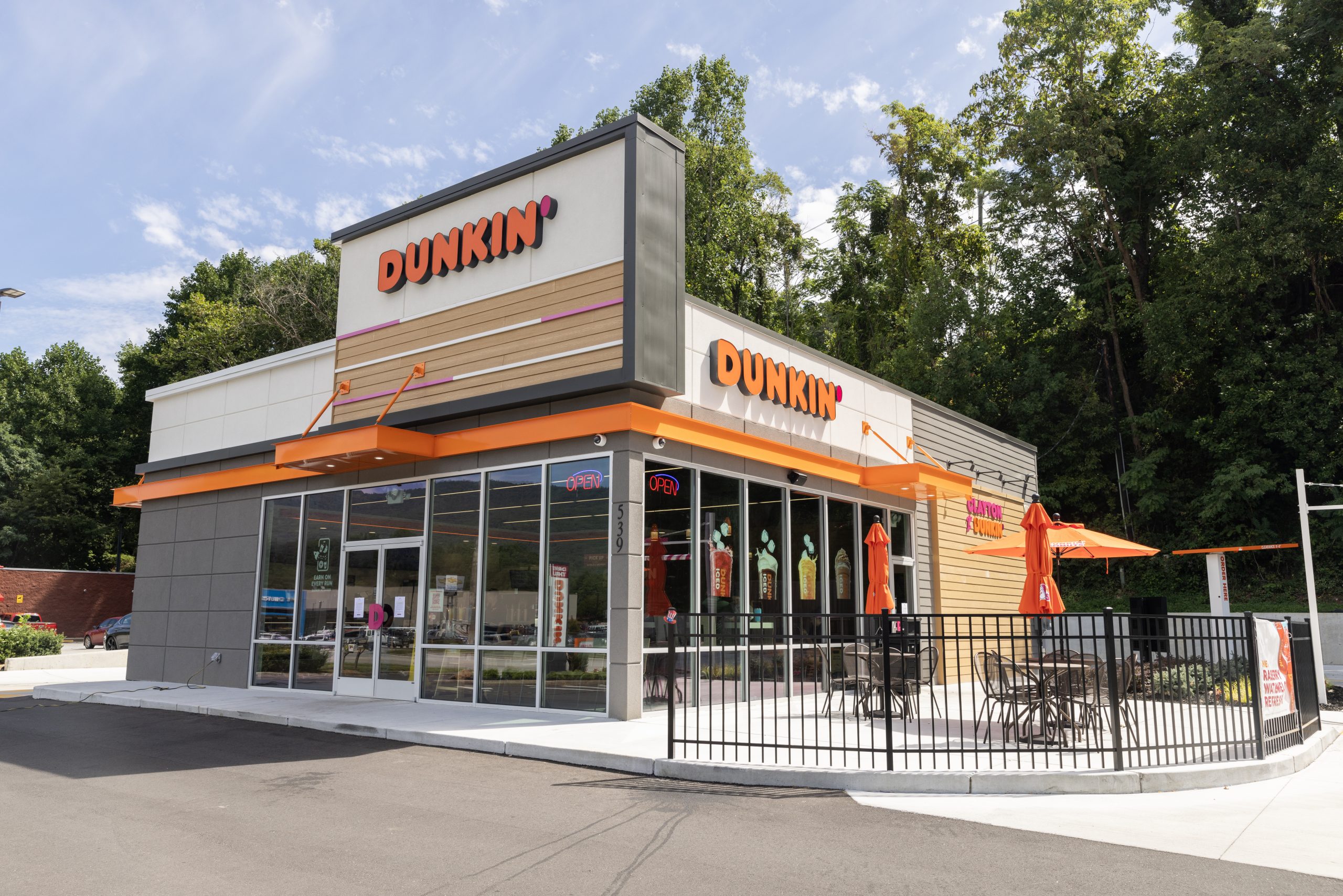
Dunkin’ has joined a rarefied tier of U.S. restaurant brands by surpassing 10,000 locations, a group that includes McDonald’s, Starbucks, and Subway. The milestone unfolded near Chicago: the 10,000th U.S. unit opened in Darien, Illinois, and doubled as the 100th location for franchisee The Hari Group, led by Bud and Raj Patel. The brand underscored the moment by leaning into community energy—Chicago artist Emmy Star Brown painted a custom mural on site, and Garrett Popcorn fueled the festivities with opening-day treats. It’s the kind of carefully composed activation that turns a ribbon cutting into a neighborhood ritual. The celebration also offered a window into strategy. Dunkin’ framed the achievement within a beverage-centric identity, and leadership telegraphed confidence in what comes next. As Scott Murphy, Inspire Brands’ chief brand officer and president at Dunkin’, put it: “As we look forward to the next 10,000 restaurants, the momentum behind this brand has never been stronger.” The message fits a brand trying to balance national reach with local resonance—scaled consistency paired with moments that feel nourishing to a community. The tone is not just growth for growth’s sake, but a thoughtful expansion that treats each opening as an invitation to return. Analysis: The Darien opening signals operational scale and local engagement working in tandem; by spotlighting community partners and franchisee milestones, Dunkin’ reinforces advocacy while projecting confidence in a beverage-led future.
A Beverage Moment, With Caveats
Dunkin’s ascent aligns with a broader quick-service rhythm in which coffee, beverage, and snack occasions are pivotal demand drivers. The category’s center of gravity has shifted toward drinks that dovetail with daily routines, and brands capable of meeting those rituals—morning to afternoon—are better positioned to earn repeat visits. Scale, though, can be a mixed blessing. Even category leaders course-correct: Starbucks closed around 400 stores at the end of its most recent quarter, a reminder that high counts can complicate agility when market conditions change. Against this backdrop, Dunkin’s 10,000-store threshold reads as both triumph and cautionary marker. The win is unmistakable—wider access and a reinforced beverage identity—yet durability will hinge on curated footprints and portfolio discipline. The lesson threaded through industry moves is clear: a balanced approach to expansion, weighted toward quality of unit economics and local dynamics, tends to travel farther than raw speed alone. Analysis: The wider QSR beverage boom supports Dunkin’s growth thesis, while recent closures elsewhere illustrate the need to calibrate scale with market-by-market performance to avoid overextension.
Next‑Gen Stores For Speed And Consistency
Beyond counting units, Dunkin’ has been reworking how those units operate. As of early October 2025, more than half of its approximately 10,000 U.S. locations have converted to a Next‑Gen format that emphasizes clear pathways for ordering and pickup. Digital order kiosks, drive‑thru and mobile pickup lanes, enhanced brewing equipment, and energy‑efficient layouts are designed to streamline throughput while sustaining consistency—an infrastructure that’s especially critical for a beverage-forward brand. Leadership traces the modernization push to 2018, framing it as a long arc rather than a quick fix. The intent is to turn demand into dependable speed, the kind of service that feels balanced and reliable at high volume. Energy-efficient layouts add a practical sustainability note to the model, an acknowledgement that resource stewardship and operational rigor can complement each other. Paired with scale, these upgraded assets create a foundation where repeatable excellence—the everyday cup done right—can flourish. Analysis: The Next‑Gen rollout reflects disciplined execution; refining equipment, order channels, and energy use lowers friction and reinforces brand promises at scale, improving the odds that traffic becomes repeatable habit.

Chasing Afternoon With Color And Choice
To complement its entrenched morning business, Dunkin’ is piloting an iced-first afternoon in three markets. The test leans into atmosphere—vibrant, iced‑beverage‑centric menuboards; upbeat music; refreshed crew attire; and sticker and swag giveaways—alongside targeted digital offers aimed at Gen Z and younger guests. On the menu, the spotlight broadens beyond coffee to Energy drinks, Refreshers, Lemonades, Teas, Matcha, and playful mix‑and‑match “mixology” combinations, with plans for protein‑enhanced drinks. The objective is incremental visits, not substitution: an afternoon that earns its own rhythm. The emphasis is grounded in current mix realities. Iced beverages now account for 65% of beverage sales, and nearly 90% of all transactions include a beverage. Activating around those truths is a thoughtful way to cultivate new occasions while staying authentic to what guests already choose. The approach reads like an afternoon reset—colorful, flexible, and attuned to routines that feel nourishing without being heavy, inviting guests to personalize a cup that fits the moment. Analysis: The iced-first pilot extends a beverage-heavy mix into underdeveloped dayparts; by pairing ambiance with non‑coffee breadth, Dunkin’ seeks to unlock visits that align with established preferences for cold drinks.
A Density Lens From Massachusetts
Where does expansion go from here? One clue is Massachusetts, where Dunkin’ had 1,041 stores at the end of 2024 in a state of about 7 million residents—roughly one store per 7,000 people. If that density were replicated nationwide, the brand could theoretically exceed 48,000 locations. The company frames this calculation not as a forecast but as a thought exercise, a way to translate affinity into a geographic strategy. The implication is practical: markets that mirror Massachusetts in brand attachment and visit frequency could absorb more units, while other regions may require a different cadence or format. It’s a nuanced map that favors tailored development over blanket expansion. Using a density lens provides a balanced way to respect local demand curves—adding stores where the ritual is strong and letting lighter-touch approaches persist where it is still forming. Analysis: The Massachusetts density example converts abstract scale into a planning tool; it highlights headroom in affinity-rich markets while signaling the importance of adapting to local demand profiles.
Value Recalibrated, With Pushback
Traffic and value perception increasingly run through loyalty, and Dunkin’ has reset its program to balance guest rewards with system economics. Members continue to earn 10 points per dollar, but redemption costs have shifted. Classic doughnuts now require 300 points (up from 250), while coffee or tea redemptions need 600 points (up from 400–500). Certain “Bites & Bagels” items dropped to 500 points (from 600), and a new bakery category allows redemption for a 10‑count of Munchkins, muffins, or iced loaf slices at 400 points. Points also now expire one year after the end of the month earned—an expiration policy that did not exist previously. The changes arrive alongside recurring value plays—such as a $6 Meal Deal built around celebrity‑backed limited‑time offers and seasonal themes—to keep the offer mix appealing. Yet the loyalty recalibration triggered consumer backlash on social platforms and in the press, with criticism focusing on perceived devaluation and the introduction of expiration rules during a value-conscious period. The brand appears to be tightening promotional costs and limiting long‑term liability while broadening bakery redemptions to soften the shift, a careful but delicate move in a market where guests are sensitive to the cost-to-reward ratio. Analysis: Revisions to thresholds and expiration aim to sustain program economics, but vocal pushback underscores how quickly loyalty sentiment can turn when value feels diminished, raising stakes for communication and perceived fairness.
What We Still Don’t Know
Several threads remain open. The three‑market afternoon pilot is described, but no performance results or roadmap for broader rollout are detailed here. Loyalty changes are documented alongside criticism, yet their net effect on traffic, frequency, and guest satisfaction isn’t quantified. On modernization, more than half the U.S. fleet is Next‑Gen as of early October 2025, but the timeline to full conversion isn’t specified. Even the industry datapoint of Starbucks closing around 400 stores at the end of its most recent quarter is noted without underlying causes. These gaps do not diminish the importance of the moves; they simply set the agenda for what to watch. The core questions are operational and behavioral: can iced-first ambiance and expanded non‑coffee choices reliably pull in afternoon visits, and will loyalty members accept revised rewards as part of a balanced value exchange? The answers will shape how Dunkin’ sequences investments, where it densifies, and how it communicates value. Analysis: Unspecified outcomes on pilots, loyalty, and conversion pace point to a prudent wait-and-see stance; the next phase hinges on measured readouts of guest behavior and unit economics.

A Balanced Path Forward
Dunkin’s arrival in the 10,000‑store club—punctuated by a Darien opening with local artistry and treats—captures a brand in motion. The work beneath the headline count is arguably the real story: Next‑Gen stores that chase speed with energy‑efficient designs, iced-first pilots that respect the reality that beverages drive nearly every transaction, and a density lens that discourages a one-size expansion pattern. Alongside, loyalty recalibration and recurring value offers seek to keep the economic engine steady without dulling fans’ enthusiasm. The guiding idea is balance. Growth without agility is brittle, and value without sustainability is fleeting. Dunkin’ is positioning its beverage-forward proposition to feel dependable in the morning and inviting in the afternoon—a thoughtful, nourishing rhythm rather than a single-occasion spike. The brand’s own language embraces momentum: “As we look forward to the next 10,000 restaurants, the momentum behind this brand has never been stronger.” Sustaining that momentum will depend on converting modernization into everyday ease, turning iced-first ambiance into incremental visits, and delivering a loyalty exchange that feels fair. Analysis: The lesson is that scale works when it is paired with disciplined operations, daypart creativity, and value stewardship; the evidence suggests a promising path, with ultimate proof contingent on guest response and measured rollouts.