How to Choose the Right Restaurant Technology
Choosing the right restaurant technology helps owners reduce errors, control costs, improve efficiency, and build stronger operations that support long-term growth.


The Real Impact of Restaurant Technology
Every system you use controls how work gets done. It determines how quickly orders move through the kitchen, how accurately labor is scheduled, how inventory is tracked, and how clearly you can see your numbers.
When technology is not aligned with operations, problems show up quickly -
- Slower service due to inefficient workflows
- Scheduling gaps that lead to overstaffing or understaffing
- Inaccurate inventory counts and higher food waste
- Delayed or unreliable reporting
- Increased manual work and human error
These are not isolated issues. They are operational breakdowns caused by systems that do not support the way the restaurant actually functions.
On the other hand, when restaurant technology is chosen with operations in mind, it creates structure and control.
A well-aligned system helps you -
1. Standardize daily execution - Processes become consistent across shifts and locations, reducing variability.
2. Improve speed and efficiency - Orders move faster, tasks are clearer, and teams spend less time on manual work.
3. Increase visibility into performance - You can track labor, sales, and costs in real time instead of reacting after the fact.
4. Reduce errors and rework - Automation replaces repetitive manual tasks that often lead to mistakes.
5. Support better decision-making - Accurate data allows you to adjust staffing, pricing, and purchasing with confidence.
This is why choosing the right restaurant technology starts with understanding how your restaurant actually runs. The goal is not to add more systems. The goal is to build a setup that supports execution, reduces friction, and gives you consistent control over your business.
Start With the Problems You Need to Solve
Before evaluating any restaurant technology, the first step is not to look at features - it is to define the problems in your operation.
Most technology decisions fail because they start with the question - "What system should I buy?"
The better question is - "What is not working in my restaurant right now?"
If you skip this step, you risk adding tools that create more complexity instead of solving real issues.
Start by identifying where breakdowns happen in your daily operations -
1. Labor and Scheduling Issues - Are you consistently overstaffed during slow periods or understaffed during peak hours? Are managers spending too much time building schedules manually?
2. Inventory and Food Cost Gaps Do your actual food costs differ from your expected costs? Are you dealing with frequent stockouts, over-ordering, or waste?
3. Slow or Inaccurate Reporting - How long does it take to get reliable numbers at the end of the day or week? Are decisions being made based on outdated or incomplete data?
4. Manual Processes and Errors - Are teams entering the same data multiple times across systems? Are mistakes happening due to manual tracking or lack of automation?
5. Communication Breakdowns - Is there a disconnect between front-of-house and back-of-house? Do managers and staff rely on informal communication instead of structured systems?
These are not technology problems - they are operational problems. Technology should only be introduced once these gaps are clearly defined.
A simple way to approach this is to ask -
- What tasks take the most time every day?
- Where do mistakes happen most often?
- What decisions are hardest to make due to lack of data?
- Where does the team feel the most friction during a shift?
Once you have clear answers, you can match technology directly to those needs.
For example -
1. If scheduling is inconsistent - look at labor management tools
2. If food cost is unclear - focus on inventory and recipe costing systems
3. If reporting is delayed - prioritize real-time dashboards and integrations
When you start with clearly defined problems, every technology decision becomes easier, more focused, and more effective.
Identify Which Areas of the Business Need Technology
Not every restaurant needs the same technology stack, and not every problem should be solved at once. The right approach is to identify which parts of the business need the most support first.
This is important because restaurant technology works best when it is tied to operational priorities. If you try to implement too many systems at once, you increase cost, training time, and execution risk. If you focus on the areas creating the biggest operational drag, technology becomes much easier to justify and manage.
A practical way to do this is to break your operation into core areas -
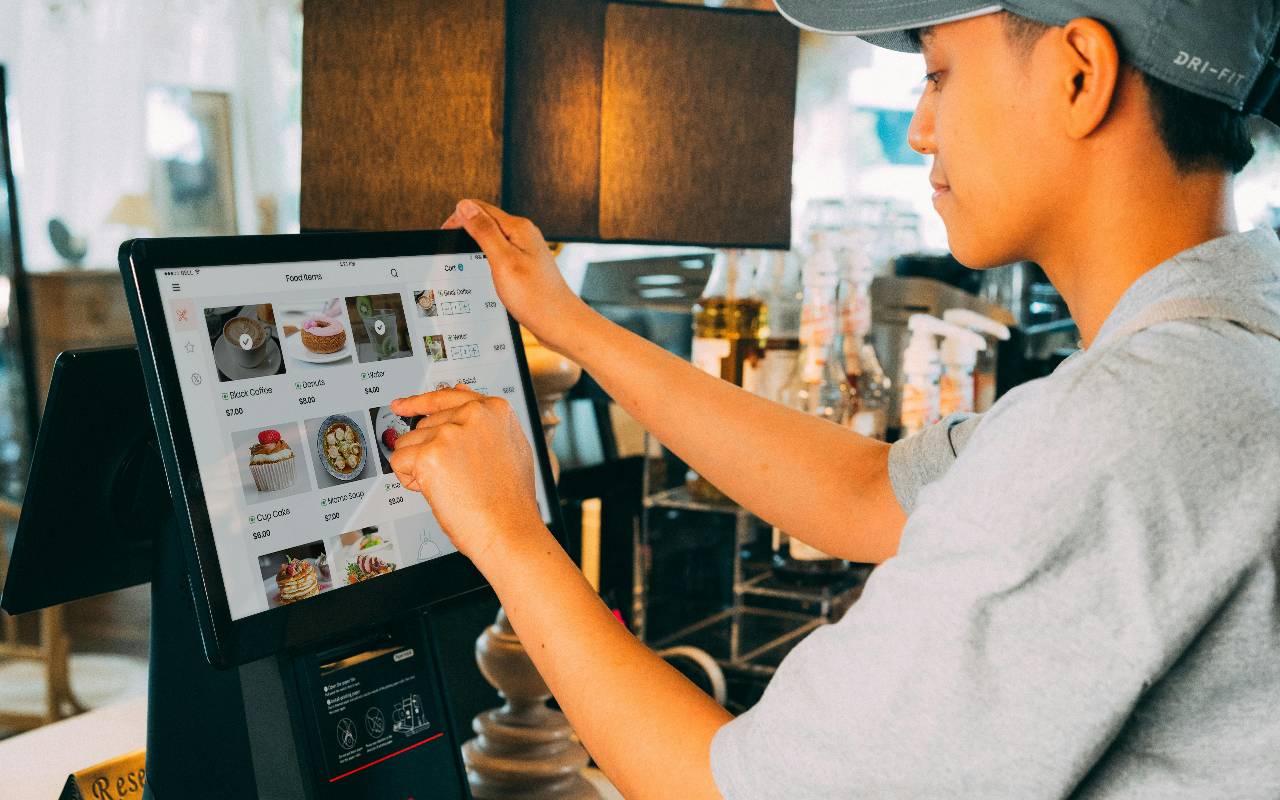
1. Point of Sale (POS) - This is the center of transaction flow. It affects order accuracy, payment speed, menu updates, and reporting.
2. Labor Management - Scheduling, time tracking, attendance, and labor reporting all influence staffing efficiency and labor cost control.
3. Inventory and Food Cost - These tools help track stock levels, usage, waste, purchasing, and recipe costs.
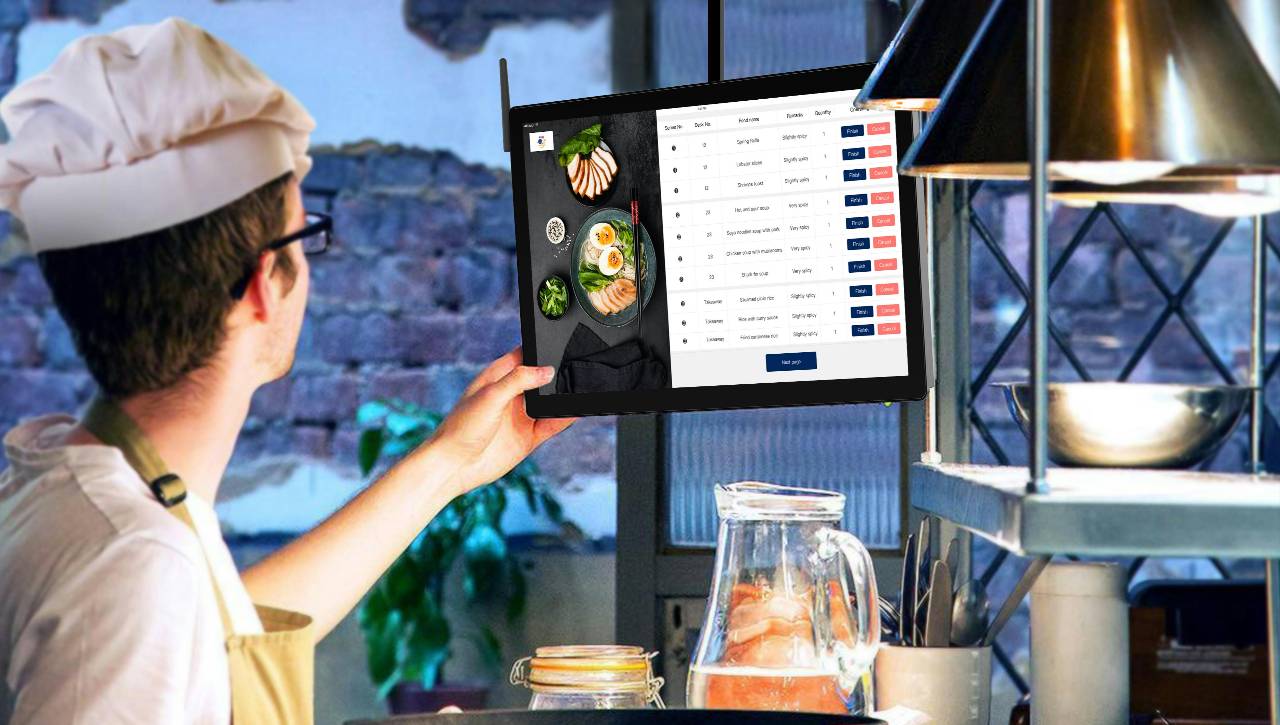
4. Kitchen Operations - Kitchen display systems, prep workflows, and production tracking can improve ticket flow and reduce bottlenecks.
5. Online Ordering and Delivery - These systems matter if off-premise sales are a large part of revenue or if order entry errors are common.
6. Accounting and Back-Office Reporting - Financial visibility depends on how quickly and accurately sales, labor, and cost data move into reports.
The key is to rank these areas based on business impact.
For example -
- If labor is your largest controllable cost, labor tools may come first.
- If margins are shrinking due to waste or poor ordering, inventory technology may be the priority.
- If managers spend hours pulling reports, back-office systems may create the fastest return.
This step prevents a common mistake- choosing technology based on what seems modern instead of what solves the biggest operational need.
Evaluate Ease of Use for Managers and Staff
A restaurant system can have strong features, detailed reports, and advanced automation, but if managers and staff cannot use it consistently, it will not improve operations.
This is where many technology decisions break down. Owners often compare systems based on features, but daily success depends just as much on usability. In a restaurant, teams work under time pressure. Managers move between tasks quickly, and hourly staff need tools that are simple to learn and easy to use during a busy shift. If a system is confusing, slow, or dependent on workarounds, adoption drops and errors increase.
Ease of use should be evaluated in four practical areas -
1. Training Time - How long does it take for a manager or employee to learn the system well enough to use it correctly? The longer the learning curve, the higher the risk of inconsistent use.
2. Workflow Simplicity - Can common tasks be completed quickly? Tasks like clocking in, updating schedules, entering counts, or viewing reports should not require too many steps.
3. Clarity of Information - Dashboards, alerts, and reports should be easy to read and act on. If the system shows too much information without structure, it slows decision-making.
4. Consistency Across Roles - The system should support how different users actually work. Owners, general managers, shift leads, and hourly employees all need different levels of access and simplicity.
A good test is to ask whether the tool reduces friction or creates more of it. If managers still rely on spreadsheets, handwritten notes, side conversations, or manual double-checking, the technology may not be supporting the operation the way it should.
The right restaurant technology should help teams move faster, not force them to stop and figure it out. Ease of use is not a minor detail. It is one of the main factors that determines whether a system creates real operational value.
Look at Integration, Not Just Individual Features
One of the most common mistakes restaurant owners make is evaluating technology one system at a time without looking at how those systems connect.
A tool may look strong on its own, but if it does not integrate well with the rest of your operation, it can create more manual work instead of less. In restaurants, disconnected systems often lead to duplicate data entry, reporting delays, inconsistent numbers, and avoidable errors.
For example, if your POS does not connect to labor, inventory, or accounting tools, your team may have to move information manually between systems. That creates three immediate problems -
1. More Administrative Work - Managers spend extra time exporting, entering, and reconciling data instead of running operations.
2. Higher Risk of Errors - Every manual transfer increases the chance of mistakes in reporting, payroll, inventory, or financial records.
3. Slower Decision-Making - When systems do not share data in real time, owners and managers end up reacting late instead of managing proactively.
This is why integration matters as much as features.
When evaluating restaurant technology, look at how information flows across the business -
- Do sales data feed directly into reporting?
- Does labor data connect to payroll and labor cost tracking?
- Does inventory usage connect to recipe costing and purchasing?
- Can managers see performance in one place without pulling multiple reports?
Strong integration improves more than convenience. It improves visibility, accuracy, and control. It gives owners a clearer picture of what is happening in the business without relying on delayed spreadsheets or manual reconciliation.
Measure Cost Against Operational Return
Restaurant owners often make one of two mistakes when evaluating technology cost. They either focus only on price, or they assume expensive means better. Neither approach leads to a strong decision.
The better way is to measure cost against operational return. Technology should not be judged only by monthly subscription fees, hardware costs, or setup charges. It should be evaluated by what it helps the business improve, reduce, or control over time. A lower-cost system is not a good investment if it creates extra labor, weak reporting, or constant workarounds. A higher-cost system may be worth it if it saves time, reduces waste, and gives you better visibility into performance.
To measure return clearly, look at what the technology can improve in practical terms -
1. Labor Efficiency - Can it reduce manager time spent on scheduling, edits, approvals, or reporting? Can it help align staffing with sales more accurately?
2. Food and Inventory Control - Can it reduce over-ordering, stockouts, waste, or recipe cost inaccuracies? Can it improve count accuracy and purchasing decisions?
3. Error Reduction - Can it lower payroll mistakes, order-entry issues, or reporting discrepancies caused by manual work?
4. Speed of Reporting - Can owners and managers access useful numbers faster and make decisions sooner?
5. Operational Consistency - Can it help standardize processes across shifts or locations?
A useful question to ask is - What does this system save, protect, or improve each week?
For example, even small gains can compound quickly -
- Fewer wasted labor hours
- Better food cost control
- Less manager admin time
- Faster end-of-day reporting
- Fewer compliance or payroll mistakes
These operational gains often matter more than the software price itself. When cost is evaluated against operational return, the decision becomes much more practical - and much more accurate.
Ask the Right Questions Before You Commit
A software demo can make almost any restaurant technology look effective. The interface looks clean, the features sound useful, and the sales pitch focuses on what the system can do. But before you commit, you need to ask deeper questions about how the system will work in your actual operation.
This step matters because the real cost of a poor technology decision is not just financial. It shows up in failed implementation, low staff adoption, reporting gaps, and ongoing frustration for managers.
Before signing anything, ask questions in five key areas -
Implementation
- How long will setup take?
- What data needs to be migrated?
- How much involvement is required from your managers during rollout?
Training and Support
- How are managers and staff trained?
- Is support available during restaurant operating hours?
- How quickly are issues resolved when the system affects daily operations?
Integration
- Does the system connect with your POS, payroll, inventory, accounting, or reporting tools?
- Are those integrations standard or do they require extra cost and setup?
Scalability
- Will the system still work if you add locations, increase order volume, or expand your team?
- Can permissions, workflows, and reporting grow with the business?
Contract and Data Visibility
- What are the contract terms?
- Are there hidden fees for support, setup, hardware, or upgrades?
- How easily can you access your own data and reports?
These questions help you move past the surface level. A system may look strong in a demo but fail under real operating pressure if support is weak, workflows are rigid, or integration is limited.
Good restaurant technology should fit the pace, complexity, and structure of your business. The more precise your questions are before you commit, the lower your risk after implementation.