How to Keep Brand Identity Consistent in Multi-Unit Restaurants
Keep brand identity uniform by locking core standards, setting clear guardrails, building repeatable training, and running regular consistency audits.

The 3 Layers
When restaurant owners hear "brand identity," they often think of the logo, colors, and signage. Those things matter, but they're only the surface. In a multi-unit restaurant business, brand identity is the full set of signals that tells a guest, "Yes - this is that place," no matter which location they visit. If those signals change by store, guests feel the inconsistency immediately, even if they can't explain what's off.
A practical way to define brand identity is to think in three layers -
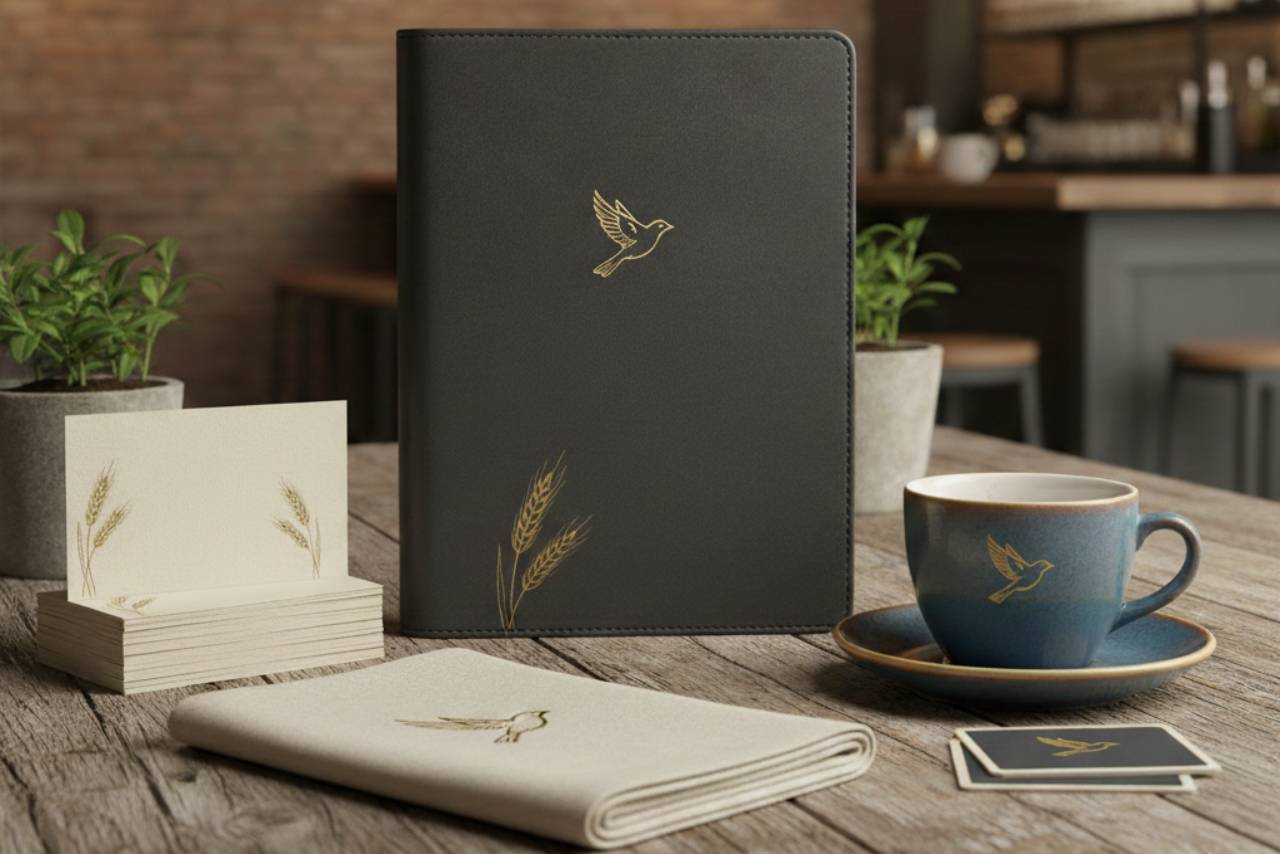
1) Visual identity (what guests see). This is the obvious layer - logo usage, colors, fonts, menu design, packaging, photography style, uniforms, and interior look-and-feel. Visual identity is what guests recognize first, and it's usually the easiest to standardize - if everyone has access to the right assets and rules.
2) Experience standards (what guests experience). This is how your brand behaves in real life- how staff greet guests, how orders are confirmed, how the food is plated or packaged, speed of service, cleanliness, music volume, and how problems are handled. Two locations can have the same logo and still feel like different brands if the experience standards aren't consistent.
3) Brand voice (what your brand sounds like). This shows up in your signage wording, menu item names, online ordering language, social captions, email marketing, and even how managers respond to reviews. Voice isn't about being "funny" or "serious" - it's about being recognizable. Guests should feel the same tone at every location - confident, friendly, premium, fast, family-oriented - whatever your brand is.
This is where many multi-unit operators get tripped up - they try to solve brand inconsistency with design changes, when the real issue is often operational. A store can be "on brand" visually but still feel wrong if the experience is rushed, the service language varies, or the restaurant looks cared for in one location and neglected in another.
Lock in the Non-Negotiables
Brand consistency across multiple locations gets much easier once you decide what is non-negotiable. These are the elements that should feel the same in every store, every day - because they shape recognition, trust, and repeat visits. If each location interprets these differently, your brand starts to drift, and guests feel like they're visiting "different restaurants" under the same name.
Start with your brand foundation. Every location should share the same brand pillars- what you stand for, who you serve, and what experience you promise. This doesn't need to be a long manifesto. It can be a short set of statements like - "Fast, friendly, consistent," or "Premium ingredients, simple execution, warm hospitality." The key is that managers can repeat it and use it to make decisions.
Next, lock in your core menu identity. In multi-unit restaurants, the menu is one of the strongest brand signals. Your top-selling items, signature flavors, portion standards, naming conventions, and presentation rules should not change by location. Even when you offer local specials, guests should be able to count on the "core" being familiar - the same item names, the same taste profile, and the same quality. Consistency also means standard recipes, prep methods, and product specs - so your food doesn't vary based on who's working or what vendor a location prefers.
Then define your visual non-negotiables. This includes logo usage (correct versions only), brand colors, fonts, photography style, and the layout rules for menus, signage, and promotions. If one store starts using different fonts, different food photos, or homemade posters, you'll lose the "chain feel" fast. Packaging, uniforms, and even the way your storefront is labeled should follow the same standards.
Finally, lock in experience standards that protect the brand. These are behaviors and outcomes guests notice - greeting script or greeting behavior, order confirmation steps, speed targets, cleanliness checkpoints, and how mistakes are fixed. The goal isn't to make every team robotic. The goal is to make the guest experience predictable in the best way.
Set Guardrails
Once your non-negotiables are clear, the next step is deciding what can flex without breaking the brand. Flexibility matters in multi-unit restaurants because locations operate in different neighborhoods, with different customer habits, competition, and local expectations. The problem isn't flexibility - it's uncontrolled flexibility. That's how you end up with different menus, different signage styles, and different service expectations across your stores.
A good approach is to define "flex zones" that allow local relevance while keeping the brand recognizable. Common flex zones include limited-time offers, local specials, community partnerships, seasonal items, and location-level promotions. You might also allow flexibility in things like local sourcing (as long as product specs are met), decor accents (within a brand-approved look), or social content that highlights local events.
The key is to set guardrails so flexibility doesn't turn into improvisation. Guardrails should answer three questions -
1) Who can approve it?
Create a simple approval structure. For example - store managers can propose local promos, but a brand owner/ops lead approves anything customer-facing (menu changes, signage, paid ads, pricing exceptions). If no approval exists, brand drift is guaranteed.
2) What rules must be followed?
Provide templates and standards for anything public - menu layout, typography, photo style, tone of voice, and naming rules. Even if the offer is local, it should look and sound like your brand. This prevents each location from "designing" independently.
3) What limits apply?
Define boundaries such as- how many local items can exist at once, how long they run, where they can be displayed, and what price range is acceptable. You can also require that any local item uses approved ingredients and follows the same prep and quality standards as core items.
A simple test that keeps flexibility under control is the "copy-paste check" - If you moved a promo from one location to another, would it still feel on-brand? If the answer is yes, you've created flexibility with structure. If the answer is no, you need tighter guardrails.
Build a Simple Brand Standards Guide
Most brand guides fail for one reason- they're built like a design portfolio, not an operating tool. For multi-unit restaurants, your brand standards guide should be fast to reference, easy to follow, and useful in real situations - like when a manager needs a flyer, a new menu insert, or a consistent answer to a guest complaint.
Start by keeping the "core" guide short. Aim for a one-page brand essentials sheet plus a deeper appendix if needed. The essentials sheet should cover the rules that prevent 80% of brand drift - approved logos, colors, fonts, photo style, tone of voice, and the top experience standards. If a manager only reads one page, it should still protect the brand.
Include these must-have sections -
1) Visual rules (with examples). Show what "correct" looks like. Include the approved logo versions, spacing rules, and examples of common mistakes (stretched logos, wrong colors, low-quality photos). Give managers a quick "do/don't" reference.
2) Brand voice and wording. Write down how your brand speaks. Provide short guidance like - "friendly, simple, confident," plus examples of approved phrasing for signage, menus, and social posts. This prevents each location from sounding like a different company online.
3) Menu and promo rules. Define naming conventions, layout standards, photo usage rules, and how LTOs should be displayed. If promotions are allowed locally, include the required templates and approval steps.
4) Guest experience standards. Document what the guest should feel at every store- greeting expectations, order accuracy steps, problem recovery approach, and cleanliness expectations. Focus on behaviors and outcomes - not long training text.
Then make the guide accessible. Store it in one place (shared drive, brand portal, or operations platform) with a clear folder structure - Logos, Menu Templates, Signage Templates, Photos, Approved Copy, Standards. Add version control so teams don't accidentally use outdated assets.
Finally, build usage into your routine- require the guide for new store openings, manager onboarding, and any customer-facing changes. A simple guide only works if it's the default, not optional.

Standardize the Guest Experience
Even if every location uses the same logo and menu templates, guests will judge your brand mostly by how the experience feels. In multi-unit restaurants, experience consistency doesn't mean everyone delivers service in the exact same script. It means guests can rely on the same standards - the same pace, the same cleanliness, the same quality, and the same level of care - no matter which location they choose.
To make this manageable, focus on key touchpoints - the moments that shape brand perception the most -
1) The first 30 seconds (arrival + greeting). Guests decide quickly whether a place feels welcoming and organized. Define a clear expectation - eye contact, acknowledgement, and a friendly greeting within a set time window. For counter service, that includes how the line is managed. For full service, it includes how quickly guests are seated and greeted.
2) Ordering and confirmation. This is where inconsistency leads to errors and frustration. Standardize how orders are repeated back, how modifications are handled, and what done looks like before sending the order. If you use kiosk or online ordering, standardize the language and prompts so it feels like one brand.
3) Speed and flow. Guests don't need identical ticket times at every store, but they do expect a predictable experience. Set targets by daypart and service style (counter, drive-thru, delivery). Define what teams do when the kitchen gets backed up - who communicates, what gets prioritized, and how delays are explained.
4) Product handoff and quality cues. This is a major brand moment. Standardize plating or packaging presentation, labeling, and how the handoff happens ("Here's your order - anything else you need?"). Consistency here reinforces quality and professionalism.
5) Problem recovery. Mistakes happen. The brand difference is how you respond. Set a simple, consistent approach- apologize, fix quickly, and make the guest feel taken care of. Provide clear rules on comps, remakes, and who can authorize what.
6) Environment standards. Cleanliness, music volume, lighting, and restroom condition are silent brand signals. Use a daily checklist with "non-negotiable" checkpoints that managers verify.
When you standardize these touchpoints, you protect the brand where guests feel it most - without overcomplicating operations.
Make Brand Consistency a Training System
A brand standards guide is helpful, but it won't create consistency on its own. In multi-unit restaurants, the real driver of brand identity is what people do every day - especially under pressure. That means brand consistency has to live inside your training system, not in a document that only managers open once.
Start with onboarding that teaches "what we are" before "how we do tasks." In the first week, every new hire should understand three things - (1) what your brand stands for, (2) what the guest should feel when they visit, and (3) what behaviors deliver that experience. Keep it simple and specific. Instead of "be friendly," define what friendly looks like at your brand - tone, pace, and how you speak to guests.
Next, build micro-training into the workweek. Consistency improves when you train in small, repeatable moments, a 3-minute pre-shift reminder, a quick demo of the correct handoff, or a short review of how to recover from an order mistake. This matters because brand drift often happens when teams get busy and revert to whatever feels fastest.
Managers are the key to scale, so give them a coaching routine. A practical system is -
1. Pre-shift - one brand focus point (greeting, order confirmation, cleanliness cue)
2. During shift - one spot-check per hour (fast and visible)
3. Post-shift - one note on what improved and what needs work
Also train for consistency in the hidden areas that affect the guest experience. BOH execution - prep accuracy, portioning, holding times, labeling, and station cleanliness - directly impacts brand. If the food looks different by store or shift, guests feel it as inconsistency even if the dining room looks perfect.
Finally, hire and promote with brand in mind. Skills can be taught, but habits and attitude are harder to change. Define what "brand-fit" means in behavior terms (calm under pressure, clean standards, hospitality mindset), and screen for it in interviews and early shift evaluations.
When training is a system - repeated, measured, and coached - brand identity becomes something your team delivers naturally, not something you hope they remember.
Operationalize Brand with Processes, Tools, and Ownership
Brand consistency breaks down when nobody "owns" it day to day. To keep brand identity consistent across multiple locations, you need simple processes, the right tools, and clear accountability - so standards don't depend on one strong manager or a memory of how things used to be.
Start by assigning brand ownership roles. You don't need a big corporate structure, but you do need clarity -
1. Brand owner (or primary approver) - final say on anything guest-facing (menus, signage, promos, major tone/voice changes).
2. Ops leader (or field leader) - ensures standards are trained and executed consistently.
3. Location managers - execute standards and request changes through the process.
4. Design/marketing support (internal or vendor) - maintains templates and approved assets.
Next, create a single source of truth for brand assets. This is where most multi-unit brands struggle. If teams can't find the right files quickly, they'll make their own. Put everything in one place with a clean structure -
- Logos (approved versions only)
- Menu templates (current versions)
- Promo templates (flyers, table tents, window signage, social templates)
- Photography and approved imagery
- Voice/copy library (approved phrases for common use)
- Standards guide + checklists
Add version control so outdated assets don't circulate. Use clear file naming ("Menu_Template_v3_2026-02") and an archive folder for old versions. Make it easy to know what is current.
Then standardize how changes happen. Create a simple workflow for anything that impacts brand identity -
1. Request submitted (what, why, which locations, start/end dates)
2. Approval decision (yes/no + any conditions)
3. Asset created using templates (or pulled from the library)
4. Distribution + deadline (who installs, by when)
5. Verification (photo proof or checklist sign-off)
Finally, build brand into your operating cadence. Add brand checks to manager meetings, include standards in new-store openings, and use recurring reminders when seasonal updates roll out. Brand consistency improves when it's treated like food safety or cash handling - a normal operating system with owners, tools, and routines - not a one-time project.