
Pizza Hut’s $1.2B China Sale Shakes Up Market
Yum! Brands has finalized a $1.2B deal to transfer Pizza Hut China to Yum China Holdings, signaling big strategic moves for both global franchisors and operators.
News
Aug 7, 2026
Yum! Brands has finalized a $1.2B deal to transfer Pizza Hut China to Yum China Holdings, signaling big strategic moves for both global franchisors and operators.
Aug 7, 2026
Panera Bread appoints industry veteran Andy Rebhun as Chief Marketing Officer, ushering in a new era of brand growth and consumer engagement.
Aug 7, 2026
Portillo’s trims 18% of its corporate staff in a bid to refocus resources on restaurant excellence and navigate operational challenges. Discover what the changes mean for the chain’s future.
Aug 7, 2026
Scheduling software helps restaurants save time, control labor costs, improve communication, prevent conflicts, support compliance, and make smarter staffing decisions.
Aug 5, 2026
Portillo’s trims corporate and field roles by 18% in a strategic shake-up to support future growth after soft traffic and sales. Read what this means for multi-unit operators.
Aug 6, 2026
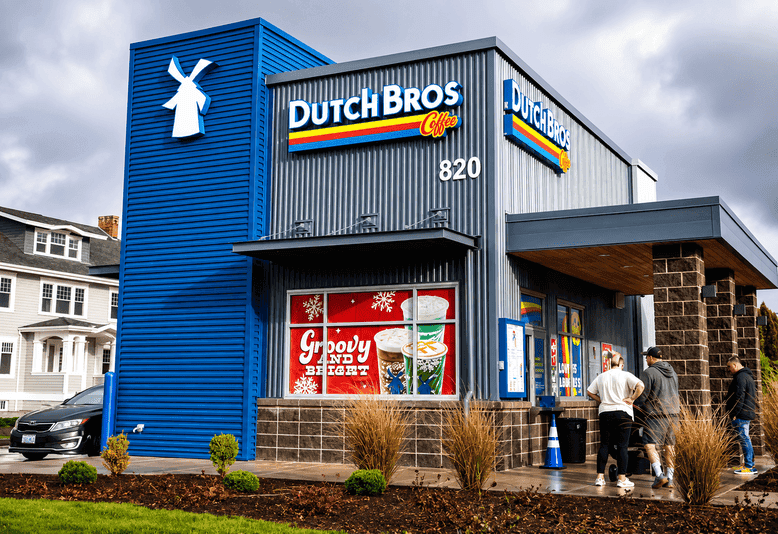
Dutch Bros invests $105 million to acquire Salad and Go’s closed locations, targeting rapid expansion in key southern markets. Learn what this means for multi-unit restaurant owners and operators.
Aug 6, 2026
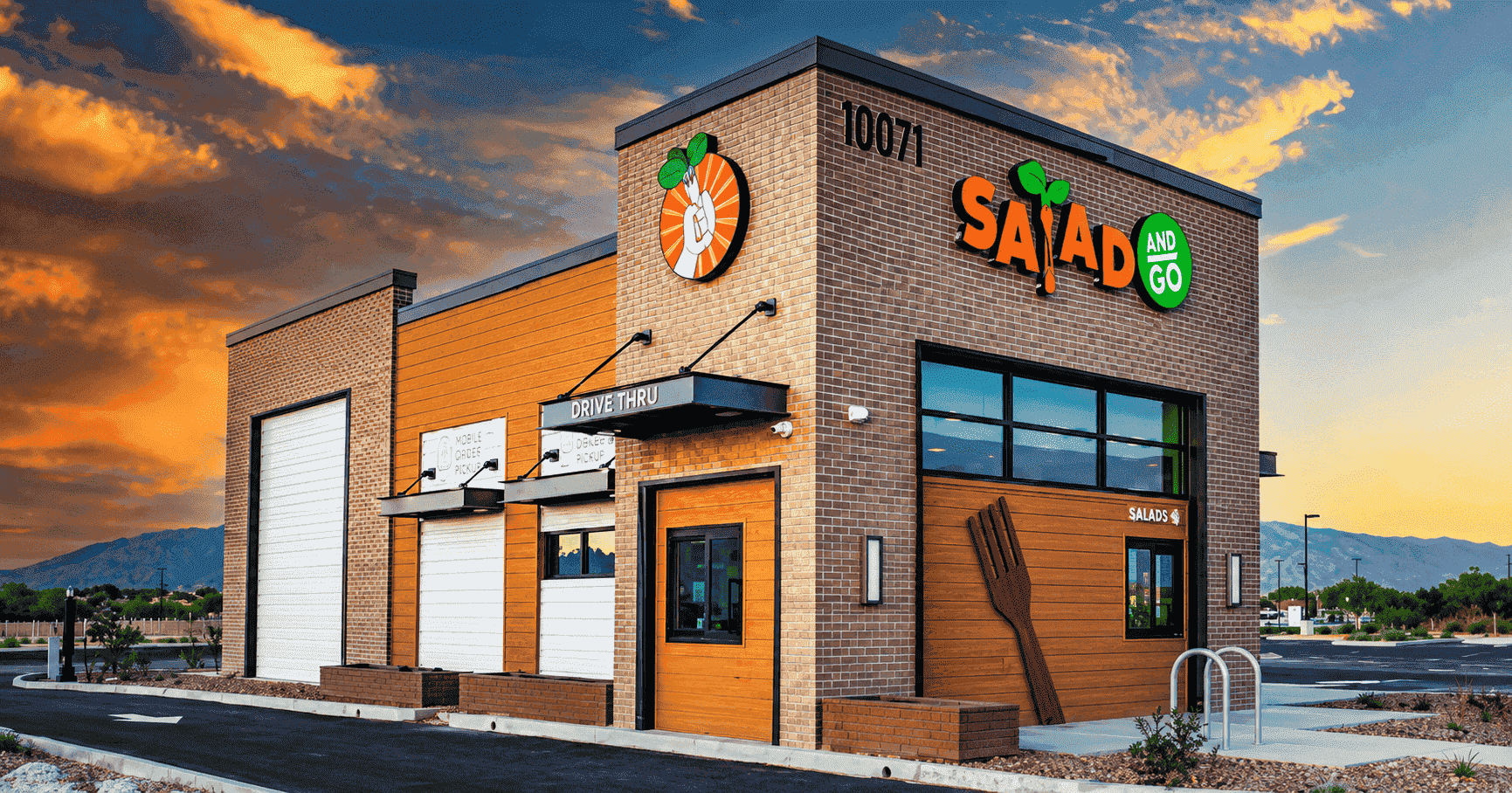
Salad and Go's bankruptcy and closure offer key lessons on growth, risk management, and market dynamics for restaurant leaders. See what every operator can learn.
Aug 5, 2026

Learn how to calculate prime cost, track food and labor expenses, measure percentages, identify problems, and improve restaurant profitability consistently.
Aug 5, 2026

Portillo’s announces industry veteran Kevin Kalicak as its new CFO and Treasurer, underscoring the brand’s growth strategy and financial vision.
Aug 5, 2026
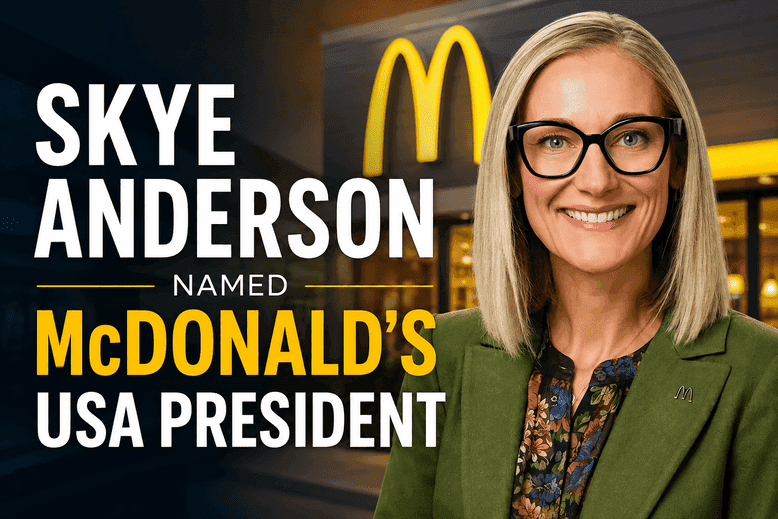
Skye Anderson will lead McDonald's USA as its new president, stepping in to accelerate growth and revive sales. Learn how her leadership could shape the future of the restaurant industry.
Aug 4, 2026
Restaurant forecasting software collects data from historical and real-time transactions to detect future sales patterns and predict potential outcomes.
Every restaurant experiences slow and busy seasons, making it challenging to maintain steady profits. Without a sales forecast, establishments can accidentally overstock ingredients and over-schedule staff, resulting in excessive storage, labor, and food costs. With restaurant sales forecasting software, businesses can automatically generate projections to anticipate emerging customer demand and market trends.

Analyzing sales data is essential for making educated decisions. By referencing historical sales patterns, establishments can develop sales forecasts to optimize staffing and restaurant inventory management. An accurate sales forecast enables businesses in the restaurant industry to define various elements.
Since sales forecasts are based on historical trends from different timeframes, restaurants can use this information to determine how much inventory to keep on hand daily, weekly, or even monthly. When restaurants overstock raw materials, it runs the risk of expiring, wasting valuable capital. On the other hand, understocking restaurant inventory could result in shortages and lost sales. Sales forecasts will disclose which days of the week generally draw more business so restaurants can increase stock in small increments. For example, if a diner finds they sell more shakes on Friday nights, they can increase inventory orders enough to match the expected surge.

Once a restaurant has established itself and collected years of data, it can determine its slow and busy seasons. This information enables establishments to anticipate fluctuating demand from holidays, events, seasons, and weather conditions.

When sales increase, the restaurant business must adjust employee scheduling to adapt to the fluctuating demand. If a restaurant is overstaffed on a slow day, they can lose profits due to excessive labor wages. On the other hand, if they are understaffed on a busy day, restaurants may elongate wait times and lose potential sales. By referencing sales forecasts, management can optimize staffing to avoid unnecessary labor costs and enhance the customer experience.

Restaurants need to have a clear understanding of how much income they must generate to fulfill financial obligations and sustain profits. Otherwise, establishments may experience fluctuating revenue, making it difficult to attract investors and plan expansion projects. With a sales forecast, restaurants can pinpoint their profit expectations, allowing management to make data-based decisions on pricing strategies. It also enables the finance department to create budgets for different projects and expansion efforts.

Depending on a restaurant's capabilities, managers can create forecasts manually or with the help of back office restaurant management software, such as point-of-sale (POS) and demand forecasting software. By integrating forecasting and restaurant POS systems, the software solution can automatically update forecasts with every transaction and customer interaction. Regardless of a business's preferred method, management can create a sales forecast to optimize restaurant operations.

To start, restaurants need to determine their daily capacity by recording their typical business day. For example, a restaurant has 10 tables that each seats five. On a busy day, the restaurant completely fills all tables three times each. This means that the restaurant serves 150 customers per day- 5 diners per table x 10 tables x 3 turns = 150 customers per day Once the capacity has been calculated, managers must determine the average ticket price. If the average customer order is $15, then their sales forecast would be $2,250- 150 customers per day x $15 order value = $2,250 This same procedure should be performed for slow and average days to determine how much revenue is generated at half and quarter capacity. By referencing a restaurant's minimum and maximum daily income, owners can establish best and worst-case scenarios and weekly targets.

By integrating cloud based POS data with forecasting software, restaurants can generate the most accurate sales projections. With every transaction, financial report, payroll release, and manual input, the integrated forecasting management system can compare POS metrics to detect trends and pinpoint variables. By eliminating manual calculations, restaurants can prevent human error, improving reporting accuracy and timeliness. Forecasting solutions continually update their algorithms with real-time data to improve its data-driven reporting. Some even provide further insights into revenue generated by each menu item per hour, day, or week. This enables management to forecast sales for specific times of the year without manual intervention. By determining the day of the week and year each dish reaches peak sales, restaurants can optimize their marketing schemes, pricing strategies, inventory control, and staffing to generate more income. With an integrated forecasting system, restaurant owners can also anticipate demand fluctuations resulting from external causes, such as events or inclement weather. Modern forecasting solutions can take local weather predictions into consideration to adjust expected foot traffic levels.