Smoothie King Revamps Stores and Menu for Next Growth
Smoothie King launches store redesigns, broader menu, and franchise support to fuel 2026 growth amid GLP-1 trends and rising protein demand.
May 17, 2026
Smoothie King launches store redesigns, broader menu, and franchise support to fuel 2026 growth amid GLP-1 trends and rising protein demand.
May 17, 2026
Amid rising beef costs, burger chains use R&D, LTOs, and co-creation to drive growth while keeping core menus steady and guest loyalty nourished.
May 17, 2026
Inside 449 mystery shops: how mobile order-ahead reshapes QSR speed, satisfaction, and revenue—and where operations still stumble.
May 17, 2026
SB 22 lifts cash-out to $15, squeezing breakage and raising compliance stakes. What retailers must fix before April 1, 2026.
May 17, 2026
Starbucks trims 300 corporate roles, opens a Nashville hub, and doubles down on service and efficiency as sales improve. Inside the Back to Starbucks reset.
May 17, 2026
Interim CEO Mark King accelerates 'Jack on Track' with up to 200 closures, real estate sales, and a value-first menu amid sales declines.
May 17, 2026
QSR 50 invites U.S. quick-service brands to submit 2024 sales by May 15 for its August 2025 rankings, with data validated by Datassential.
May 17, 2026
This AI playbook covers restaurant tools for voice ordering, staffing, compliance, menu pricing, inventory, marketing, ChatGPT prompts, and SEO.
May 15, 2026
Opening a coffee shop in 2026 requires careful cost planning across rent, equipment, labor, technology, menu strategy, marketing, and sustainability.
May 15, 2026
Hardee’s giant Boddie-Noell inks 31-unit Scooter’s Coffee deal for NC and VA, leveraging drive-thru growth and local roots with rollout over 12–18 months.
May 15, 2026
Unlock Exclusive Access To Webinars, Events, And The Latest News For Free!
Explore the top menu innovations, celebrity collaborations, and industry challenges in the restaurant scene of 2024. Learn how operators are adapting to changing consumer preferences and leveraging cultural trends.
Photo by Louis Hansel
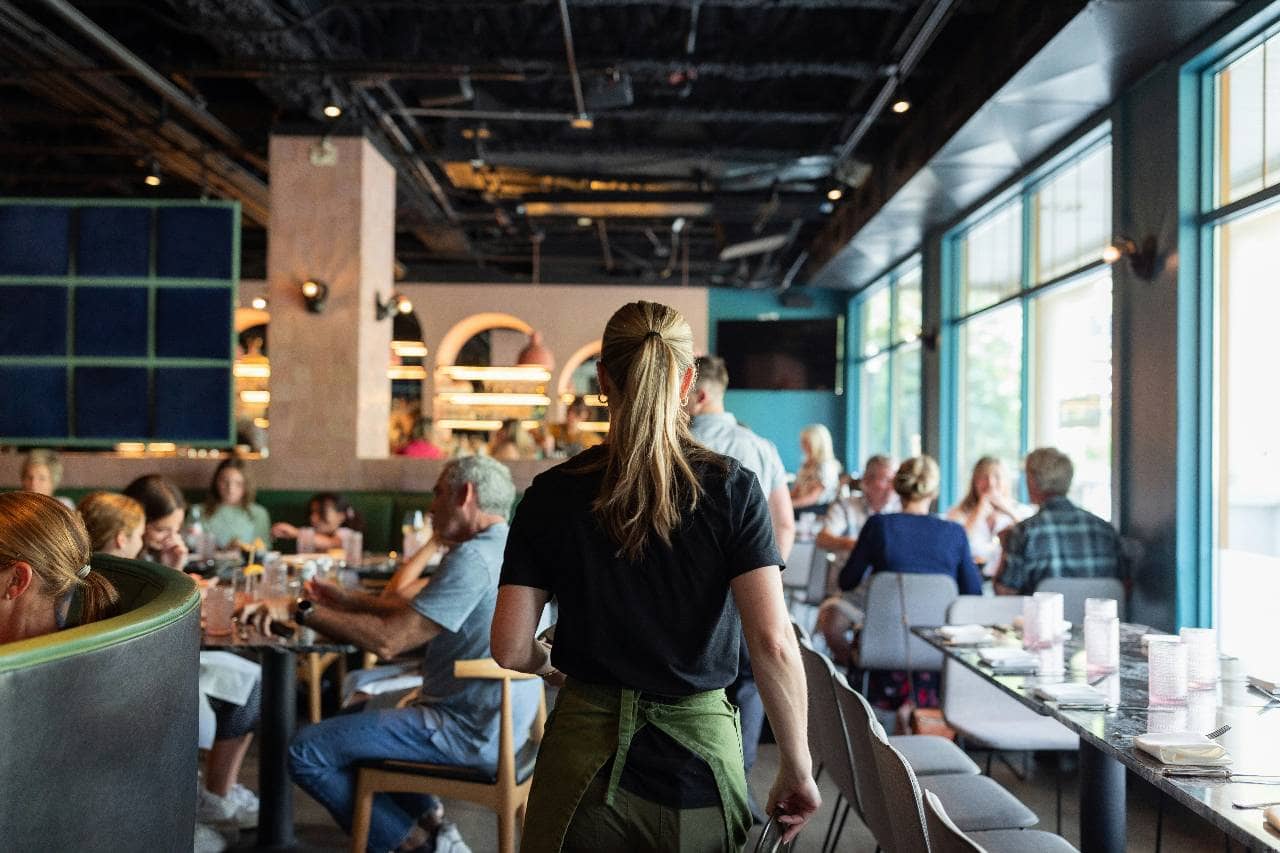
In 2024, the restaurant industry witnessed a surge in menu innovation as operators sought to entice customers in an increasingly competitive market. With declining foot traffic and evolving consumer preferences, menus across the nation underwent significant transformations. From fast-food chains to upscale dining establishments, a diverse array of new menu items were introduced to capture the attention and taste buds of customers.
One notable trend that dominated the restaurant scene in 2024 was the strategic use of celebrity collaborations and influencer endorsements to drive menu visibility and appeal. By partnering with well-known figures like Paris Hilton and Nicole Richie for specialty drink menus, brands like Sonic Drive-In capitalized on nostalgia and pop culture to attract customers. Such collaborations not only bring star power to menus but also create buzz and social media traction, enhancing brand recognition and engagement.
Menus in 2024 were not just about food; they also reflected cultural moments and milestones. Operators leveraged events like the anniversaries of iconic shows such as SpongeBob SquarePants and Barbie to introduce themed menu items that resonated with customers. By tapping into nostalgia and shared experiences, restaurants connected with diners on a deeper level, creating memorable dining experiences that went beyond just the food served.

Photo by Louis Hansel
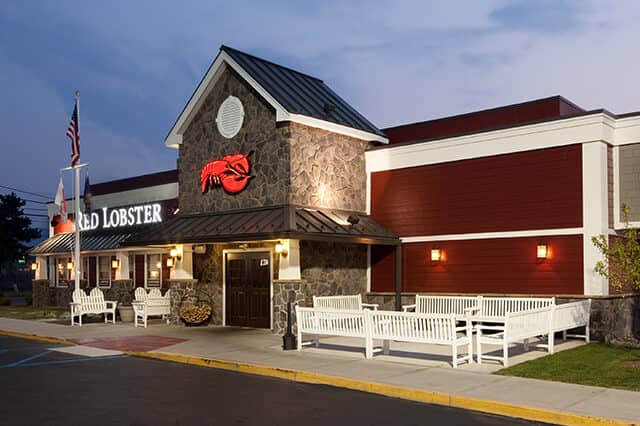
Despite the wave of menu innovation and creative partnerships, the restaurant industry in 2024 faced significant financial challenges, leading to a notable increase in bankruptcies. With a record number of establishments filing for Chapter 11, both well-established chains and emerging concepts felt the impact of economic uncertainties. Brands like Red Lobster, TGI Fridays, and others grappled with financial difficulties, highlighting the harsh realities of operating in a competitive and ever-changing market.
To navigate the complexities of the current restaurant landscape, operators in 2024 focused on adapting to changing consumer preferences. Conscious of budget constraints and shorter attention spans, menus were tailored to offer value, convenience, and variety. By staying attuned to shifting demographics and dining behaviors, restaurants aimed to remain relevant and appealing to a diverse customer base amidst industry-wide challenges.