Menu Pricing Strategies for Inflation in 2026
Smart menu pricing in 2026 helps restaurants protect margins, manage inflation, adjust portions, guide demand, and respond faster to cost changes.

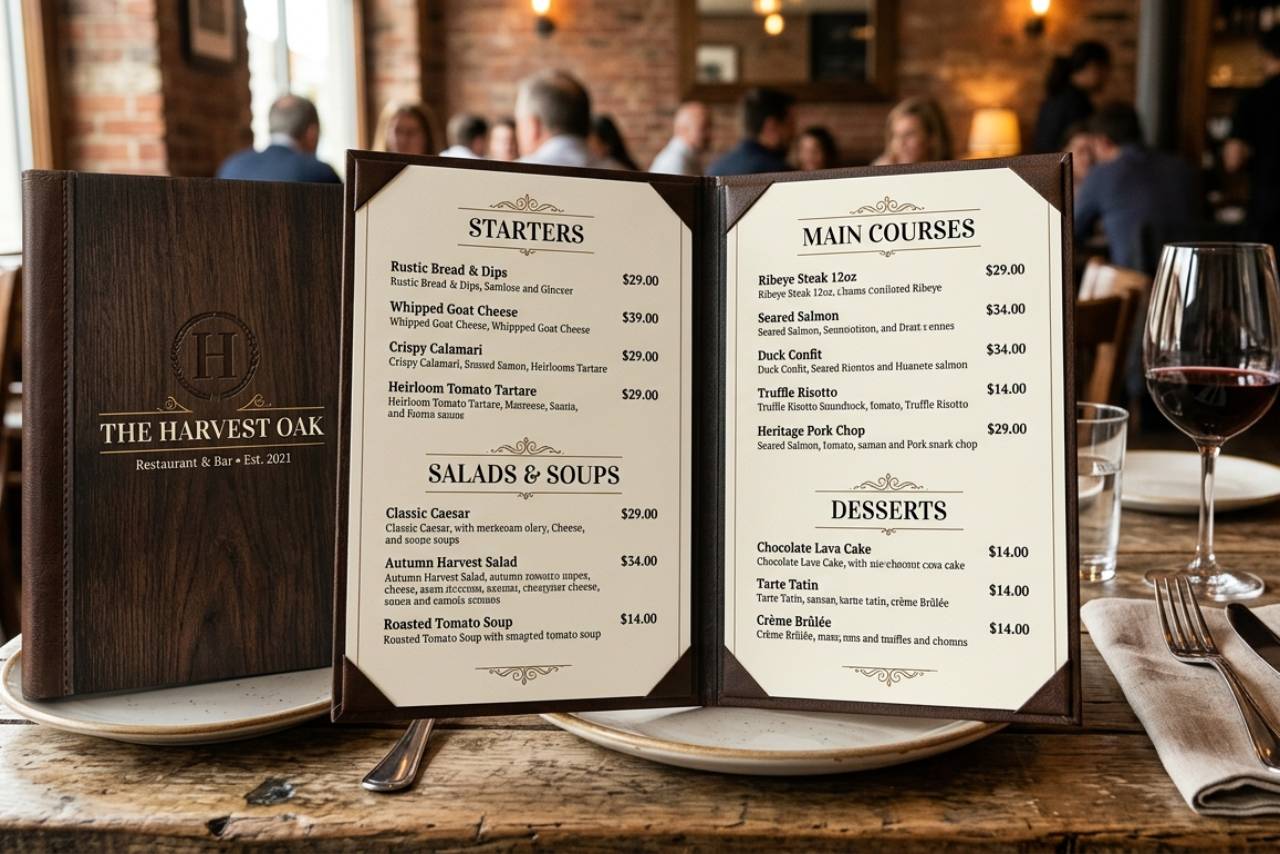
Overview
For years, many restaurant operators relied on a simple rule when pricing the menu - take the plate cost and multiply it by three. It was easy, familiar, and often "good enough" when food costs were relatively stable. In 2026, that approach is no longer reliable. Ingredient volatility, labor pressure, higher occupancy costs, delivery fees, and shifting guest expectations have made flat markup formulas too blunt for modern restaurant pricing.
The problem is not just that costs are rising. It is that costs are rising unevenly. Chicken may stay manageable while beef spikes. Packaging may jump faster than produce. Utilities, wages, and third-party fees may increase without giving operators any room to pass those increases on evenly across the menu. A blanket 3x markup ignores how different items perform, how guests respond to price changes, and which dishes are actually carrying the business.
That creates a real emotional and operational challenge for owners. Many operators live with the fear of the empty chair. Raise prices too aggressively, and you worry about losing traffic, guest trust, and repeat visits. Wait too long, and margins quietly erode until strong sales no longer translate into healthy profit. This is where pricing becomes stressful. It is no longer a math exercise. It is a decision about survival, perception, and confidence.
Price Sensitivity vs. Pricing Power
The goal of menu pricing is not to increase prices across the board. It is to understand which items can absorb a price increase and which ones require a more controlled approach. When operators rely on data instead of instinct, pricing decisions become more precise, and margin protection becomes more consistent.
A practical pricing review starts with a few core questions. Which items drive the most orders? Which items generate the most margin dollars? Which items are easily compared by guests? Which items are unique to your concept? These questions help shift pricing from a blanket strategy to a targeted one.
There are several data points operators should review consistently -
1. Sales mix - Identify your highest-volume items. These items have the biggest impact on overall performance. Even a small pricing adjustment here can move total margin significantly, for better or worse.
2. Contribution margin - Focus on how many dollars each item contributes after food cost. This is the most important metric for understanding what is actually paying for labor, rent, and profit.
3. Food cost percentage - Review cost efficiency, but do not rely on this alone. A low food cost percentage does not always mean strong profitability if the item is priced too low.
4. Item uniqueness and loyalty - Determine whether the item is a signature or guest favorite. Items tied to your brand typically have more pricing power because guests are less likely to substitute them.
5. Price comparability - Evaluate how easy it is for guests to compare the item elsewhere. Highly comparable items like sides, drinks, and basic add-ons tend to be more price-sensitive.
This level of review helps separate your menu into actionable categories. High-loyalty, high-margin items often allow for controlled price increases with minimal guest resistance. Highly comparable, low-differentiation items require more caution.

Fractional Price Adjustments
One of the most effective pricing strategies in 2026 is not a dramatic increase. It is a smaller, more controlled adjustment made at the right time. Large annual price jumps tend to create guest sticker shock because the change feels sudden and obvious. Smaller quarterly adjustments, on the other hand, are easier to absorb because they feel more gradual and less disruptive.
This matters because menu pricing is not only about math. It is also about perception. A $0.50 increase on a popular entree often feels more reasonable than a $2.00 jump made all at once, even if the long-term margin result is similar. Fractional changes help operators protect profitability without forcing guests to confront a sharp price shift in a single visit.
Ending digits also influence how price changes are perceived. In some cases, charm pricing such as $19.95 or $18.99 can still make an item feel slightly more approachable. In other cases, clean pricing like $20 or $21 may feel more intentional, modern, and easier to process, especially on digital menus. The right approach depends on the concept. Fast casual and QSR brands may benefit from value-oriented endings, while upscale or polished concepts may gain more from simple whole-number pricing. The key is consistency. A menu with mixed logic can feel arbitrary.
Timing also plays a major role. Price changes are easier to justify when they align with a menu refresh, seasonal ingredient shift, new limited-time items, or updated menu design. In those moments, guests are already expecting some change. That makes the increase feel like part of a broader update rather than a stand-alone reaction to rising costs.
The practical takeaway is simple. Do not wait until margin pressure becomes urgent. Review pricing more frequently, make smaller moves with purpose, and use natural menu update windows to keep changes feeling measured. In a volatile cost environment, steady pricing discipline is often more effective than one large correction made too late.
Shrinkflation and Portion
When food costs increase, many restaurant operators immediately think about raising prices. But price is only one part of the equation. Portion design is another way to protect margin, and in many cases, it can be the more effective move. The goal is not to quietly reduce value. The goal is to remove unnecessary cost, reduce waste, and keep the dish feeling worth the price.
Here are the main points restaurant owners should focus on -
1. Start with a plate waste audit - Before changing portions, look at what guests are actually leaving behind. If fries, rice, bread, sauces, or side items are consistently coming back unfinished, that is a sign the restaurant may be over-portioning. Extra food that gets thrown away does not improve the guest experience. It only raises food cost and waste.
2. Cut waste before raising price - If 15% to 20% of a side item is regularly trashed, reducing that portion may be a smarter first step than adding another price increase. This protects margin without forcing the guest to react to a higher menu price.
3. Reduce expensive ingredients carefully - Protein is often the biggest cost driver on the plate. Slightly reducing an expensive cut of meat, seafood portion, or cheese-heavy build can improve margin, but only if the dish still feels complete. Small changes work better than obvious reductions.
4. Increase perceived value through flavor and presentation - If you reduce part of the cost structure, strengthen the guest experience somewhere else. Acid, spice, herbs, pickled elements, sauces, texture, and plating can make a dish feel more satisfying without adding the same level of cost as extra protein.
5. Rebuild portions around guest behavior - The best portion is not the biggest one. It is the one that matches what guests actually consume and still feels intentional. That is how operators protect value perception while improving plate economics.
In 2026, strong margin management will come from more than just menu price increases. It will come from designing portions that reduce waste, protect guest satisfaction, and make every plate more financially sustainable.
Anchor Pricing
Menu pricing is not just about the individual price of an item. It is also about how that price is positioned relative to other items on the menu. Guests rarely evaluate a dish in isolation. They compare it to nearby options and make decisions based on perceived value. This is where anchor pricing becomes a powerful tool for protecting margin.
Here are the key ways operators can use anchor pricing effectively -
1. Use high-priced items to frame value - Placing a premium item on the menu can make other items feel more reasonably priced. For example, a $42 steak can make a $28 pasta feel like a better value, even if the pasta has a stronger margin. The higher-priced item sets a reference point that influences how guests evaluate everything around it.
2. Position high-margin items next to anchors - The goal is not to sell the most expensive item every time. The goal is to guide guests toward items that balance strong margins with perceived value. By placing high-margin dishes near premium anchors, operators can increase the likelihood that guests choose those items.
3. Use "decoy" items intentionally - A decoy item is not necessarily expected to sell in high volume. Its purpose is to influence decision-making. A slightly higher-priced option with less perceived value can make another item look more attractive. This helps steer ordering behavior without discounting.
4. Apply "market price" where costs are volatile - Certain categories, such as seafood, premium beef, or seasonal produce, do not perform well with fixed pricing in a volatile cost environment. Using market price allows operators to adjust pricing as costs change without constantly reprinting menus or creating guest confusion around frequent updates.
5. Design the menu layout to support comparison - Anchor pricing only works if guests can easily compare options. Grouping similar items together and structuring the menu thoughtfully increases the impact of price positioning. Poor layout reduces the effectiveness of this strategy.
Operators who use anchor pricing effectively can guide guest decisions, improve item mix, and protect margins without relying solely on across-the-board price increases.
Transparency vs. The Invisible Hike
Raising prices is one challenge. Deciding whether to explain those increases is another. In 2026, restaurant operators have to make careful choices about what guests see, what they feel, and what they are willing to accept. Not every price adjustment needs a formal explanation, but not every increase should stay invisible either. The right approach depends on how noticeable the change is and how it affects guest trust.
Here are the main points restaurant owners should consider -
1. Decide when communication is necessary - A small menu adjustment usually does not require an announcement. But a surcharge, a visible menu redesign, a reduced portion, or a major jump on popular items may need explanation. The more noticeable the change, the more important it is to manage guest perception.
2. Avoid sounding defensive or frustrated - If you explain rising costs, the message should feel calm and professional. Guests respond better to straightforward language than to complaints about vendors, inflation, or the economy. The goal is to provide context, not justify every decision emotionally.
3. Use empathetic storytelling carefully - When appropriate, operators can highlight quality, sourcing, freshness, or labor standards to reinforce value. For example, referencing local produce, premium ingredients, or made-from-scratch preparation can help guests understand why pricing changed without making the message feel negative.
4. Be cautious with inflation surcharges - Separate surcharges often create a stronger reaction than integrated pricing because they feel like an extra fee added at the last moment. Even if the dollar impact is similar, guests may view a surcharge as less transparent or less fair than a menu price that already includes the cost.
5. Protect long-term trust over short-term explanation - Pricing communication should support confidence in the brand. If your messaging creates confusion, frustration, or fee fatigue, it can do more harm than good. Clear pricing presented upfront is often easier for guests to accept than layered fees that appear later.
In practice, the best pricing communication is usually simple. Tell guests what matters when they need context, keep the message respectful, and avoid creating more friction than the price change itself.
How Digital Menus Help Restaurants Protect Margins
In 2026, pricing speed matters almost as much as pricing accuracy. Operators who rely on static menus, delayed updates, or manual change processes often react too slowly when costs move. Digital menu agility gives restaurants a practical advantage because it allows pricing decisions to keep pace with real operating conditions. When costs, demand, and labor pressure shift quickly, the menu needs to be easier to adjust.
Here are the main points restaurant owners should focus on -
1. Use digital menus to shorten reaction time - QR menus, digital boards, and integrated online ordering platforms make it easier to update prices without waiting for reprints or rollout delays. That speed matters when ingredient costs change weekly or when a margin problem needs immediate correction.
2. Connect menu decisions to current COGS data - Price changes should not be based on guesswork. When operators review cost of goods sold regularly, they can identify which categories are under pressure and make targeted menu updates faster. This creates a more disciplined pricing process.
3. Adjust pricing by demand window - Digital systems create room for more flexible pricing strategies. Operators can test slight premiums during peak demand periods, limited-time bundles during slower periods, or targeted offers that help offset labor-heavy shifts. This is not about dramatic surge pricing. It is about using demand patterns more intelligently.
4. Improve consistency across channels - One of the biggest risks in restaurant pricing is mismatch. If dine-in, pickup, delivery, and third-party channels are not aligned, pricing confusion grows quickly. Digital menu tools help operators keep pricing consistent and reduce manual errors across platforms.
5. Make testing easier and less disruptive - Digital menus allow operators to test pricing, placement, and item mix changes with less operational friction. That means restaurants can make smaller, smarter adjustments instead of waiting for one major reset.
The advantage of digital menu agility is control. Operators can respond faster, protect margins more precisely, and reduce the lag between cost pressure and corrective action. In a volatile environment, the restaurants that can adapt quickly will be in a stronger position than the ones still treating menu pricing as a fixed document.