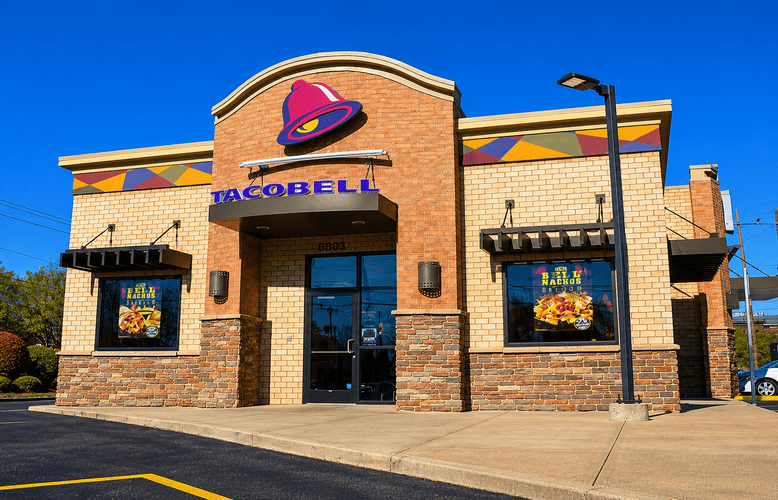
Taco Bell Franchise Expansion in Midwest
Southpaw adds 43 Ohio Taco Bell restaurants to its impressive portfolio, highlighting franchise growth and strengthening the Midwest QSR landscape.
news
Jun 26, 2026
Southpaw adds 43 Ohio Taco Bell restaurants to its impressive portfolio, highlighting franchise growth and strengthening the Midwest QSR landscape.
Jun 26, 2026
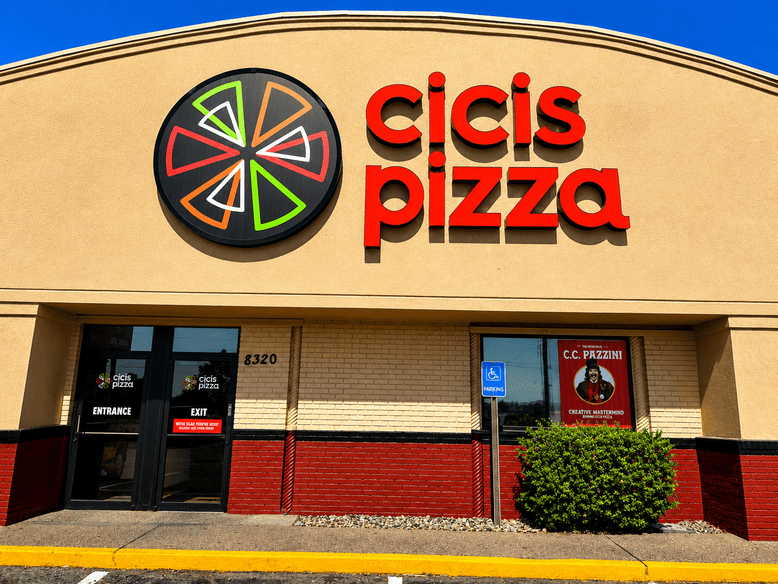
Discover how Cicis Pizza's rewards program skyrocketed to over one million members in under a year, driving customer engagement and retention. See the lessons for restaurant loyalty programs.
Jun 26, 2026
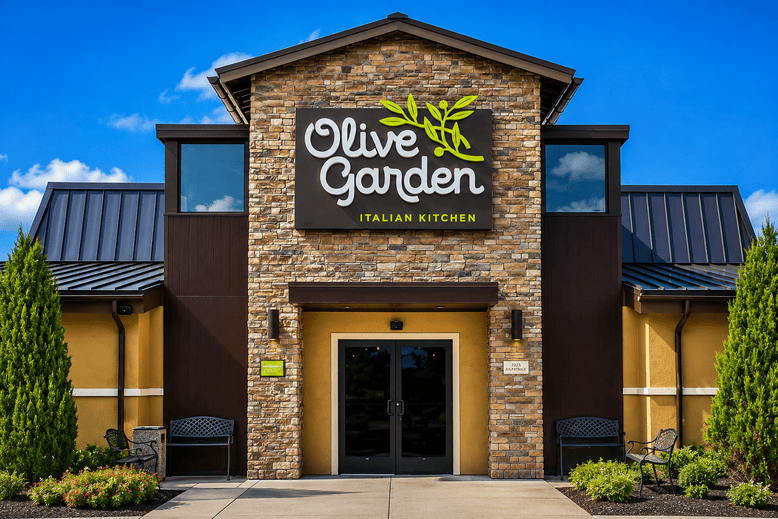
Darden Restaurants surpassed $13 billion in sales, fueled by robust performance at LongHorn Steakhouse and innovative menu changes at Olive Garden. Explore the strategies driving this industry giant’s continued dominance.
Jun 26, 2026
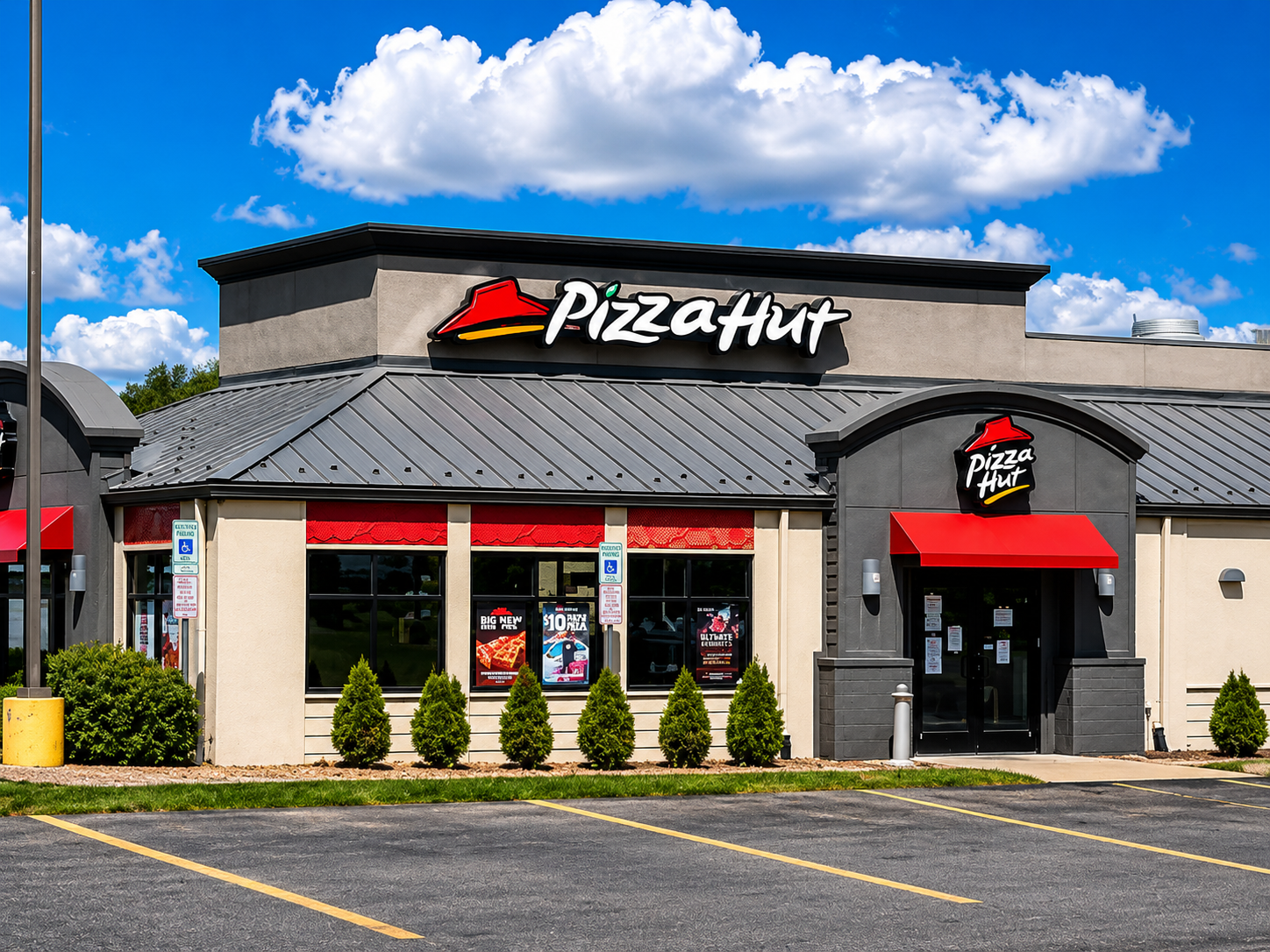
The fallout of Pizza Hut's mandated AI delivery system rollout has ignited a $100 million lawsuit from a leading franchisee, highlighting crucial franchisor-franchisee lessons for all restaurant owners.
Jun 26, 2026
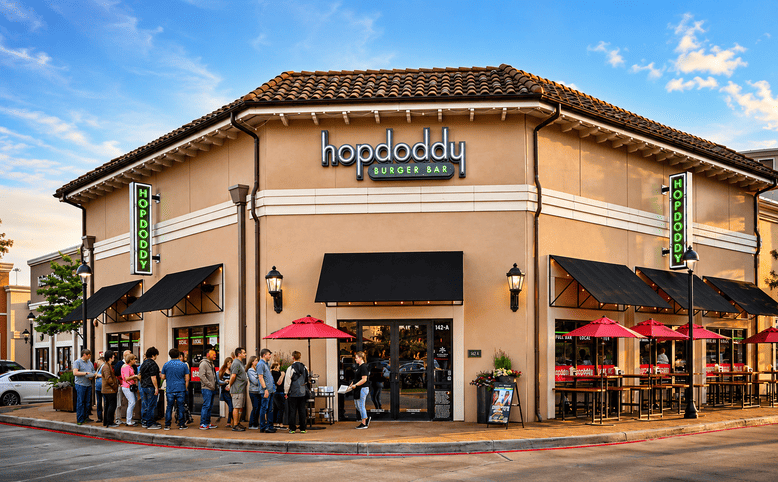
Founders Table Restaurant Group acquires fast-casual leader Hopdoddy Burger Bar, expanding its reach to over 200 restaurants and accelerating operational growth across the platform.
Jun 25, 2026
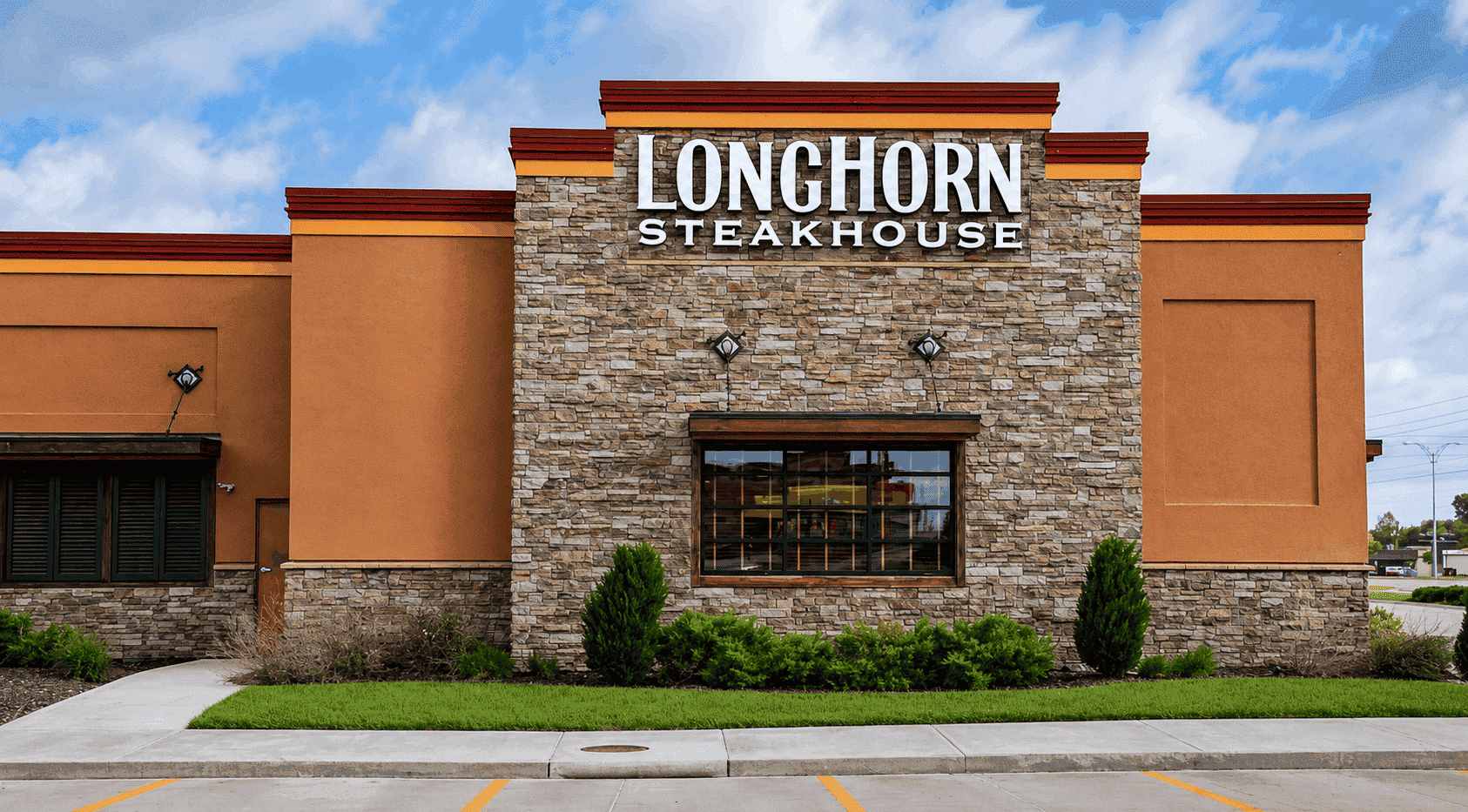
LongHorn Steakhouse surpassed $1 billion in quarterly sales for the first time, driven by strong value perception and menu innovation. Restaurant leaders can draw key lessons for thriving when consumer price sensitivity is high.
Jun 25, 2026
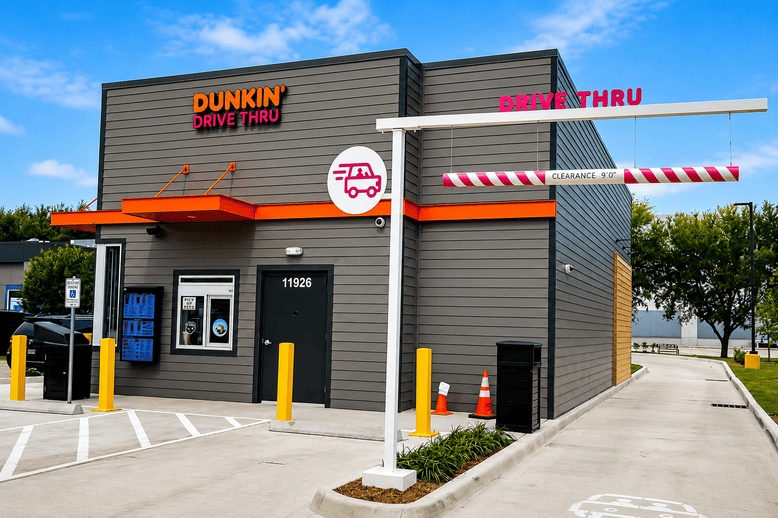
Inspire Brands is preparing for an IPO aiming for a $20B valuation. Discover how giants like Arby’s, Sonic, and Dunkin’ are performing as part of this dynamic portfolio.
Jun 25, 2026
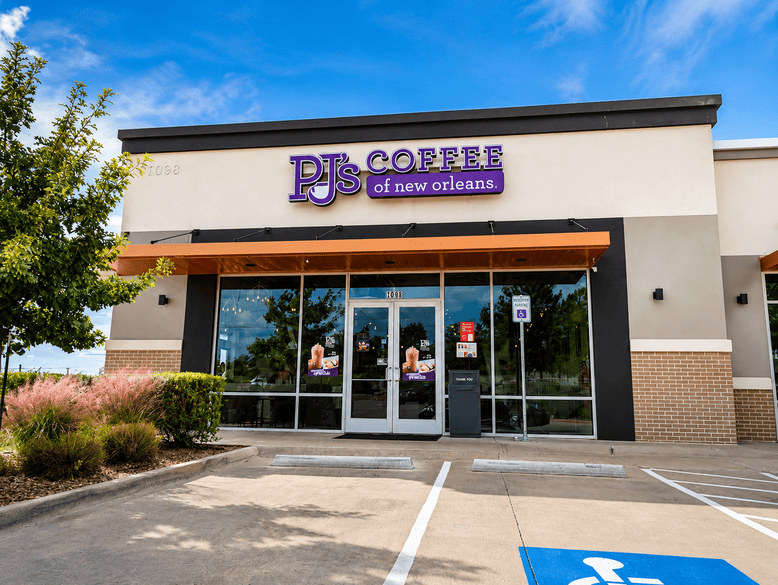
Estepp Energy, known for multi-unit brands like Little Caesars, is adding PJ's Coffee to its Kentucky convenience stores, marking a strategic expansion into specialty coffee.
Jun 24, 2026
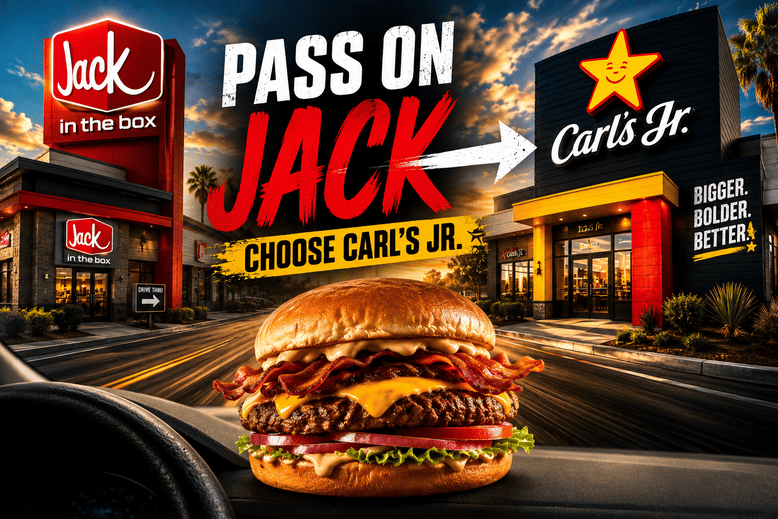
Carl's Jr. has launched a "Pass on Jack" marketing campaign rewarding loyalty members with a free Sourdough Star burger for driving past a Jack in the Box to reach a Carl's Jr. location- a direct shot at its California-based burger rival.
Jun 24, 2026
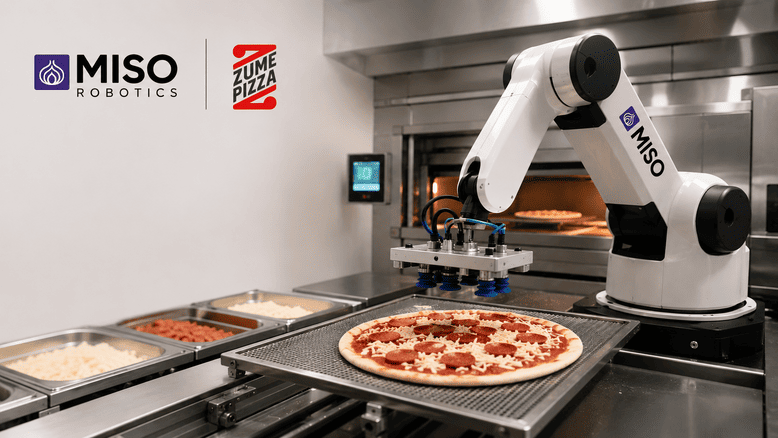
Miso Robotics has acquired Zume Pizza’s technology deck, giving new life to pizza automation and food robotics for forward-thinking restaurant operators.
Jun 24, 2026
Explore the latest employment trends, job growth, and recruitment challenges in the restaurant industry based on the November 2024 data release from the Bureau of Labor Statistics.
Photo by Luca Cavallin
According to the recent data released by the Bureau of Labor Statistics, the restaurant and bar sector experienced a moderation in growth in November 2024. With approximately 29,000 positions added during this period, the industry witnessed a notable change compared to the previous two months. This shift in employment trends signals a more controlled approach to hiring, reflective of businesses strategically gearing up for the upcoming year of growth and expansion.
In November 2024, the employment scenario in leisure and hospitality showed a positive trend with an addition of 53,000 jobs, following a marginal increase in the prior month. This sector had been averaging around 21,000 new jobs per month over the last year, indicating a steady growth pattern. The consistent uptick in employment highlights the resilience of the hospitality industry amidst changing economic landscapes and policy shifts.

Photo by Luca Cavallin
While the employment figures show promise, recruitment remains a significant concern for operators in the restaurant industry. The Restaurant Workforce Report for 2025 revealed that 65% of respondents perceive the current labor market as 'tight' or 'very tight,' underscoring the challenges in sourcing and retaining talent. The ongoing labor shortage is a critical factor influencing hiring strategies and operational dynamics within foodservices and drinking places.
The year 2024 presented a tumultuous landscape for job growth in the restaurant sector. Despite adding over 150,000 jobs during the year, which accounted for nearly half of the previous year’s additions, the industry faced inconsistencies and hurdles in achieving sustained growth. The data suggests that while progress has been made in bridging the gap to pre-pandemic employment levels, challenges persist in ensuring a robust and stable workforce in the long run.
With establishments adding 227,000 jobs in November 2024, there is a sense of cautious optimism within the industry. However, external factors like natural disasters and labor disputes can create fluctuations in job numbers, as seen in the October figures. The gradual increase in the unemployment rate to 4.2% raises concerns, emphasizing the need for sustainable employment practices and strategic workforce planning.
As the restaurant industry navigates through evolving employment trends and labor market challenges, organizations must prioritize innovative recruitment solutions and employee retention strategies. Investing in training programs, enhancing workplace culture, and leveraging technology for streamlined operations can help businesses adapt to the changing dynamics of the workforce. By staying agile and responsive to market conditions, restaurants can position themselves for sustainable growth and success in the post-pandemic era.