Rock N Roll Sushi Names Rick Gestring New CEO
Rock N Roll Sushi taps franchise veteran Rick Gestring as CEO, succeeding Craig LeMieux in a transition built on continuity, not disruption.
Franchising
Sep 28, 2026
Rock N Roll Sushi taps franchise veteran Rick Gestring as CEO, succeeding Craig LeMieux in a transition built on continuity, not disruption.
Sep 28, 2026
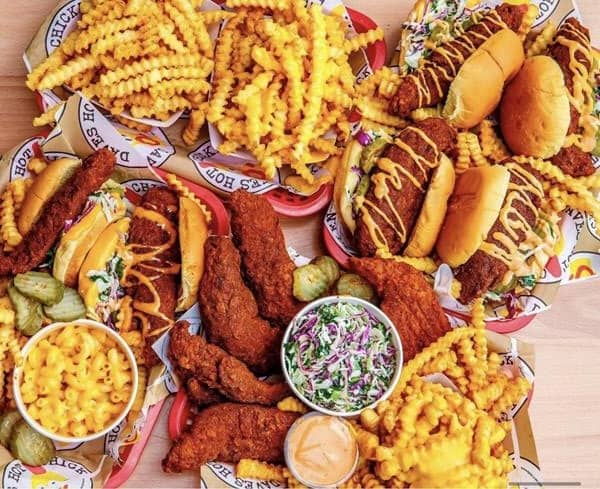
TIG Reaper LLC, a multi-unit Dave's Hot Chicken franchisee, filed Chapter 11 amid a bitter dispute with lender Bank Midwest over alleged defaults.
Sep 28, 2026
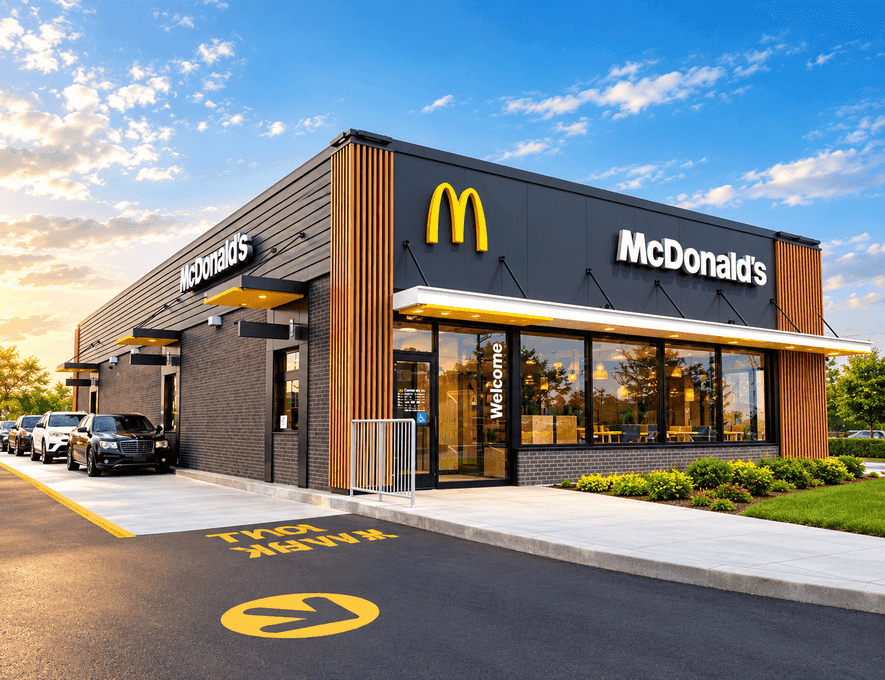
McDonald's ArchIQ platform blends voice AI, automation, and predictive data to reshape drive-thrus and kitchens. Here's how it works and what's next.
Sep 28, 2026
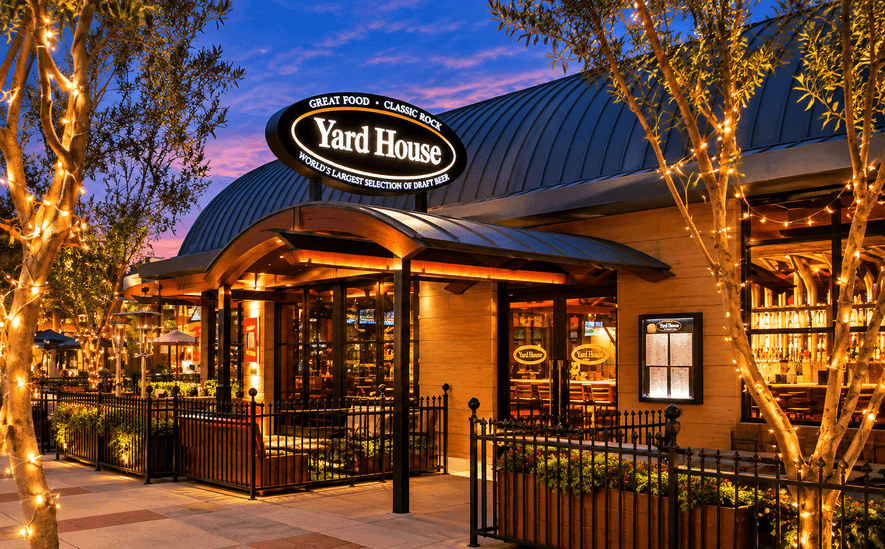
The full-service concept, which posted 10% growth in same-store sales during fiscal Q1 2027, plans to open 13 new stores during the ongoing fiscal year.
Sep 28, 2026
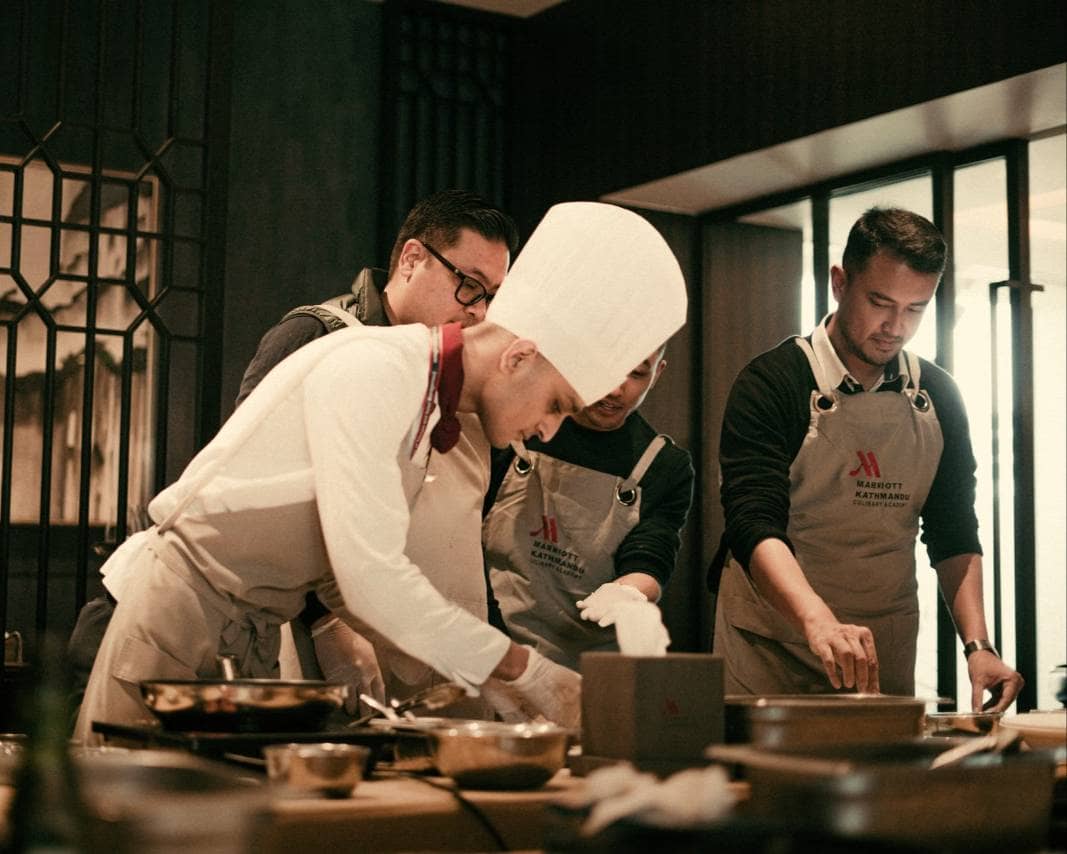
Build an effective training program by setting clear goals, identifying role-specific needs, providing hands-on practice, evaluating performance, and continuously improving training.
Sep 28, 2026

Understand employee scheduling principles for restaurants, including workforce planning, shift assignments, availability management, compliance considerations, and scheduling technology.
Sep 25, 2026

Learn how average inventory is calculated and use inventory data to identify purchasing trends, manage stock levels, and reduce waste.
Sep 25, 2026
Starbucks is closing 250 North America stores even as sales climb, revealing a strategic push to trim weak locations and fund renovations.
Sep 25, 2026

A restaurant chart of accounts separates sales, costs, and labor, uses logical numbering, and stays maintained, producing clearer financial reports.
Sep 23, 2026
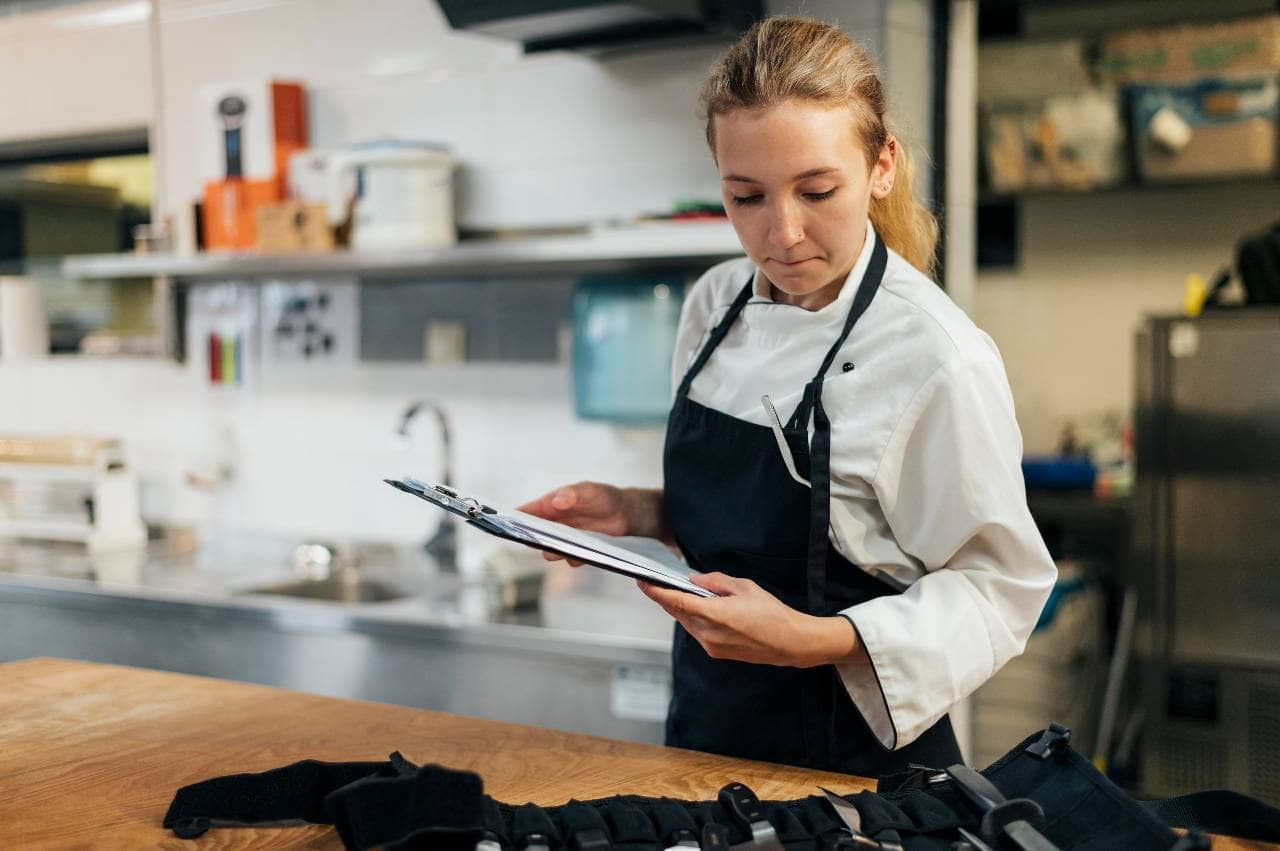
This restaurant inventory count checklist helps owners track food, beverages, packaging, and supplies, cutting waste, controlling costs, improving purchasing decisions.
Sep 23, 2026

Unlock Exclusive Access To Webinars, Events, And The Latest News For Free!
Explore how Noodles & Company is addressing stock market compliance issues with Nasdaq and the potential impact of a reverse stock split.
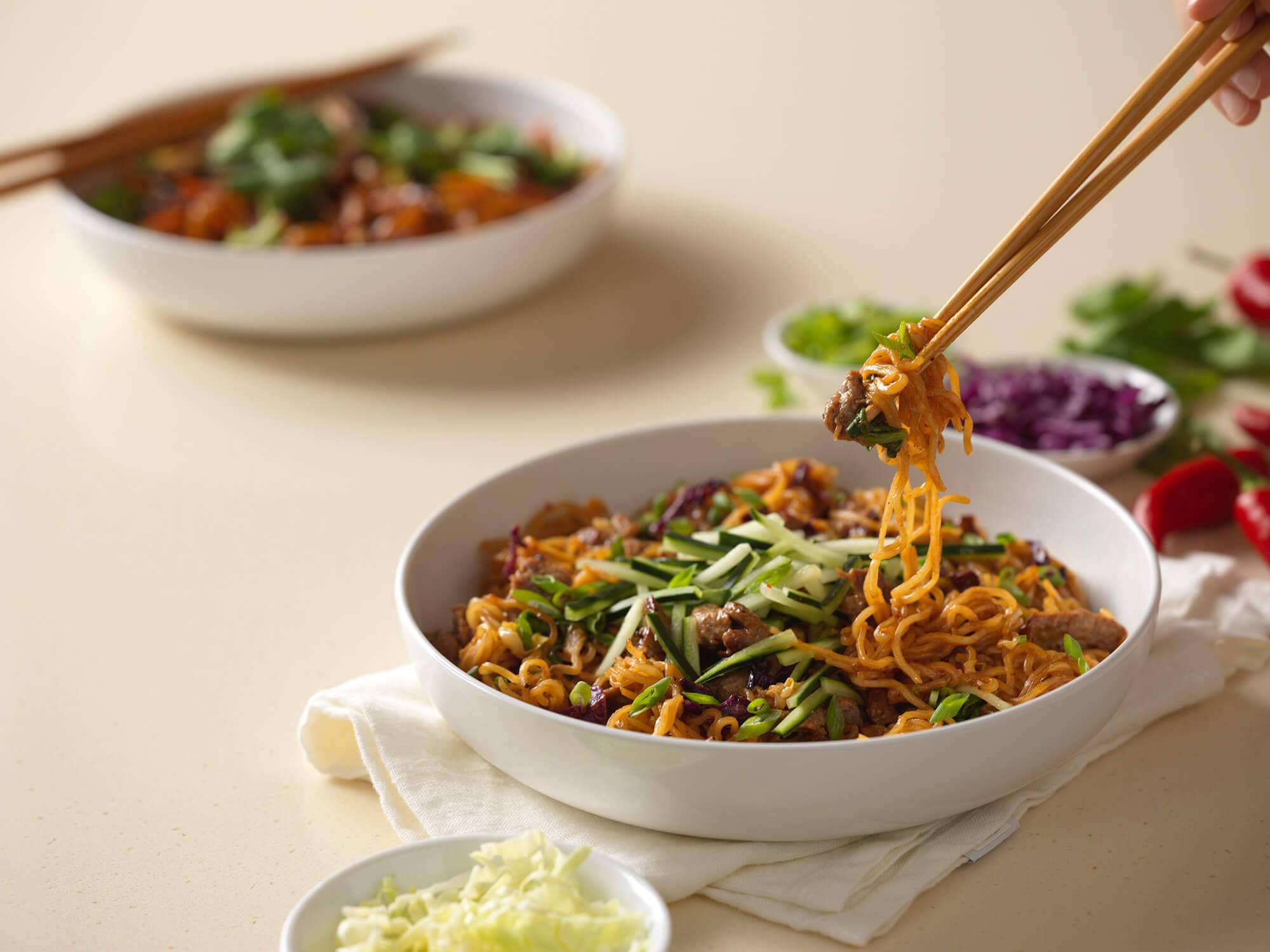
Nasdaq's communication to Noodles & Company regarding its low stock price and noncompliance with the minimum bid requirement highlights the challenges faced by the fast-casual noodle chain. The minimum bid price requirement of $1 per share is a standard rule set by exchanges to maintain the quality and visibility of listed stocks. Noodles' share price dipping below this threshold since November 11 triggered the warning from Nasdaq.
The Nasdaq notice of noncompliance does not immediately impact the company's stock listing or trading. Noodles & Company has a 180-day period, until June 23, to rectify the situation by maintaining a closing share price of at least $1 for ten consecutive days. Nasdaq has the authority to extend this timeline further if needed. Moreover, the company can explore transferring its listing to The Nasdaq Capital Market to potentially secure another 180-day grace period.
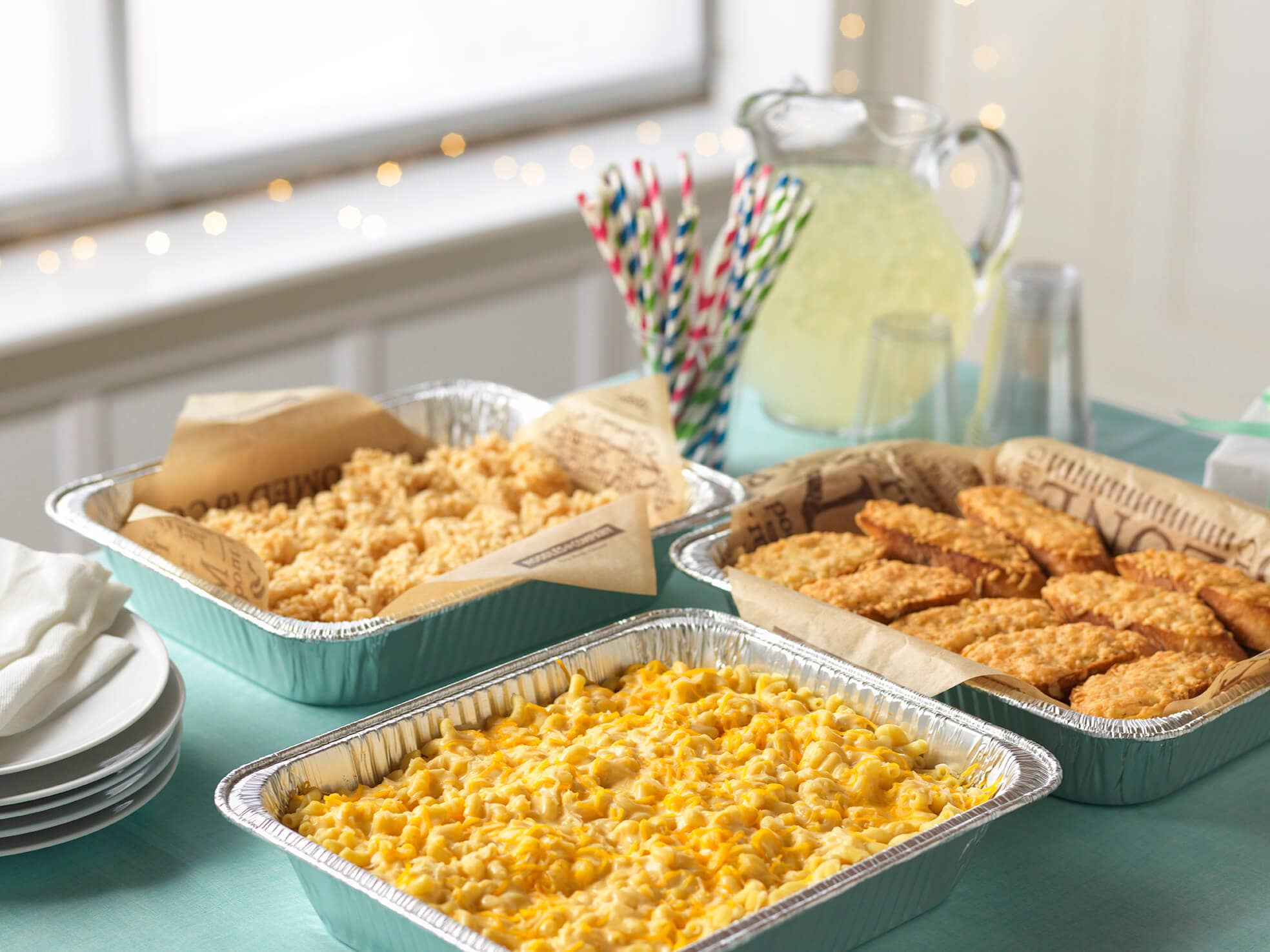
In response to the Nasdaq warning, Noodles & Company expressed its intent to closely monitor its stock price and evaluate avenues to meet compliance requirements. One strategy under consideration is a reverse stock split. This financial maneuver involves consolidating existing shares to reduce the total number while increasing the price per share. While often employed to align with exchange regulations, like in this case, reverse stock splits can impact shareholder value and perception.
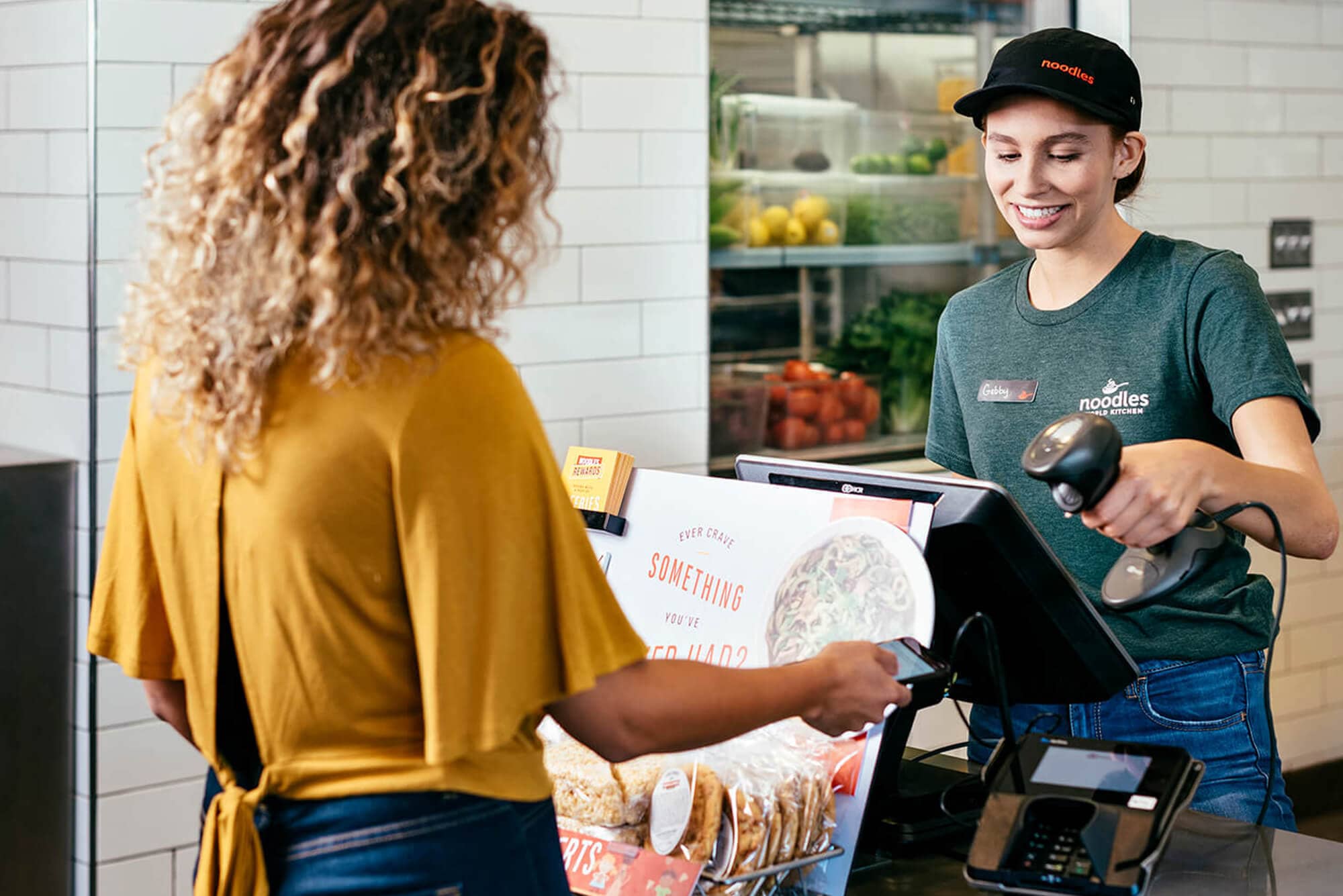
Amidst the compliance concerns, Noodles & Company has been navigating operational challenges since early 2023, stemming from declining traffic following price hikes. Under new leadership, the company is striving to enhance operational efficiencies and revamp its menu offerings. The fluctuating stock prices over the years, from highs in 2013 and 2021 to the recent lows, reflect the ongoing transformation and market positioning efforts of the chain.
The most recent financial report of Noodles & Company indicated a net loss for the quarter ended Oct. 1, 2024, alongside declining same-store sales, revenue, and foot traffic. These figures underscore the operational challenges the company is addressing as it works towards regaining market confidence. The strategic initiatives, including menu enhancements and operational streamlining, aim to drive future growth and financial stability for Noodles & Company.