
Pizza Hut’s $1.2B China Sale Shakes Up Market
Yum! Brands has finalized a $1.2B deal to transfer Pizza Hut China to Yum China Holdings, signaling big strategic moves for both global franchisors and operators.
News
Aug 7, 2026
Yum! Brands has finalized a $1.2B deal to transfer Pizza Hut China to Yum China Holdings, signaling big strategic moves for both global franchisors and operators.
Aug 7, 2026
Panera Bread appoints industry veteran Andy Rebhun as Chief Marketing Officer, ushering in a new era of brand growth and consumer engagement.
Aug 7, 2026
Portillo’s trims 18% of its corporate staff in a bid to refocus resources on restaurant excellence and navigate operational challenges. Discover what the changes mean for the chain’s future.
Aug 7, 2026
Scheduling software helps restaurants save time, control labor costs, improve communication, prevent conflicts, support compliance, and make smarter staffing decisions.
Aug 5, 2026
Portillo’s trims corporate and field roles by 18% in a strategic shake-up to support future growth after soft traffic and sales. Read what this means for multi-unit operators.
Aug 6, 2026
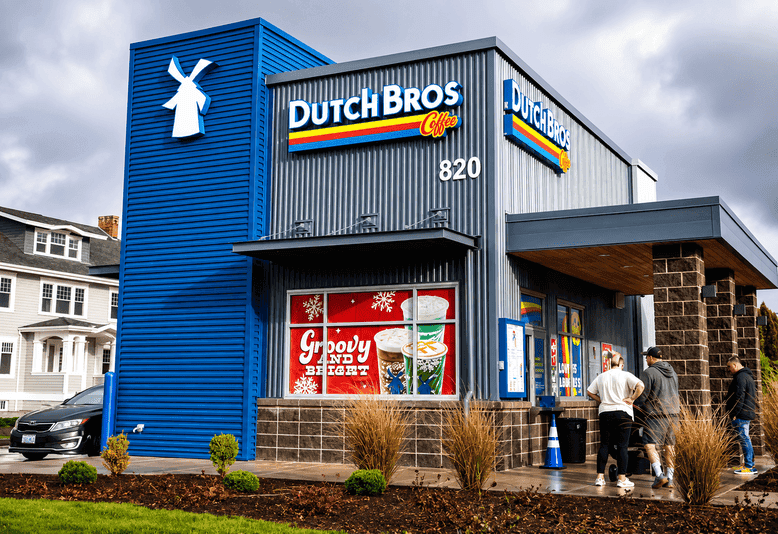
Dutch Bros invests $105 million to acquire Salad and Go’s closed locations, targeting rapid expansion in key southern markets. Learn what this means for multi-unit restaurant owners and operators.
Aug 6, 2026
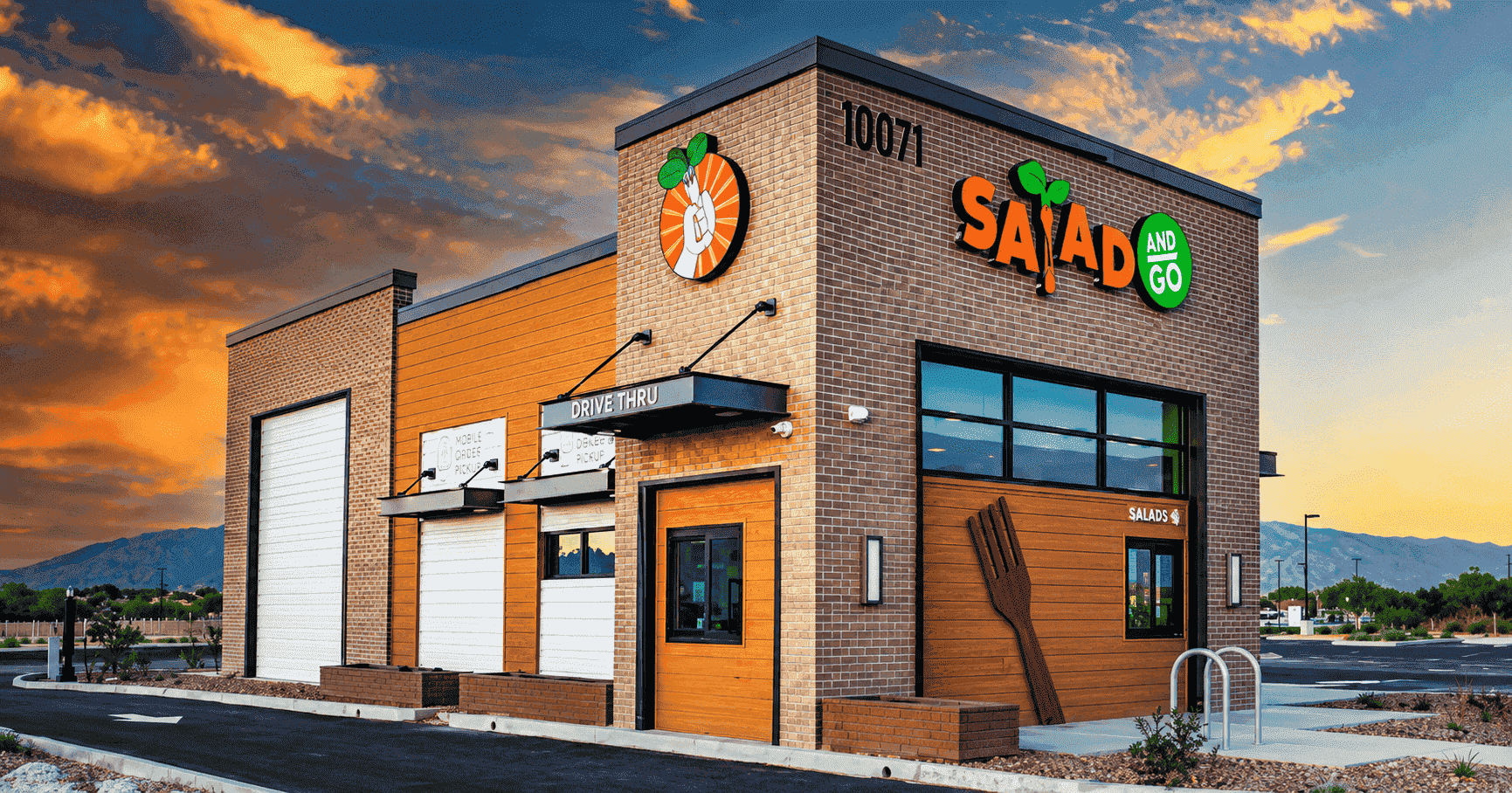
Salad and Go's bankruptcy and closure offer key lessons on growth, risk management, and market dynamics for restaurant leaders. See what every operator can learn.
Aug 5, 2026

Learn how to calculate prime cost, track food and labor expenses, measure percentages, identify problems, and improve restaurant profitability consistently.
Aug 5, 2026

Portillo’s announces industry veteran Kevin Kalicak as its new CFO and Treasurer, underscoring the brand’s growth strategy and financial vision.
Aug 5, 2026
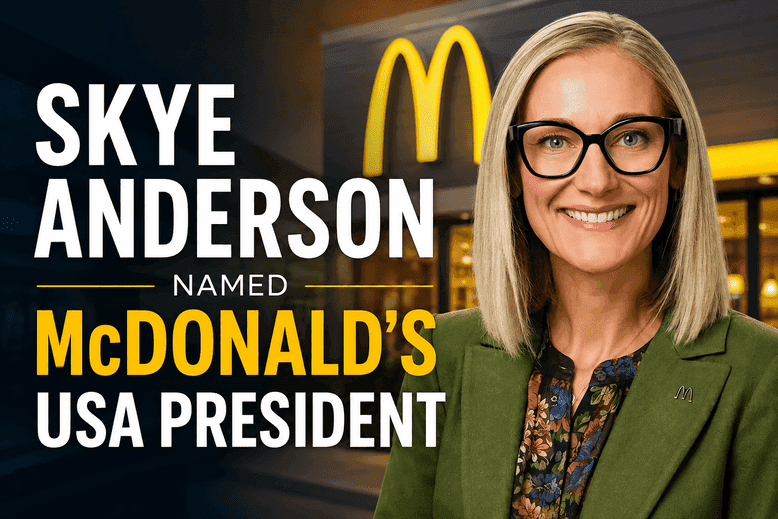
Skye Anderson will lead McDonald's USA as its new president, stepping in to accelerate growth and revive sales. Learn how her leadership could shape the future of the restaurant industry.
Aug 4, 2026
Discover how Denny’s is enhancing customer experience and driving traffic through its revamped value menu. Learn about menu strategies and innovations.

Photo by Liam Charmer
Denny’s recent decision to relaunch its $2-$4-$6-$8 value menu, along with a new $10 category, signals a strategic move to drive more foot traffic and revenue at its family-dining establishments. By offering customers a range of price points and value options, Denny’s aims to cater to a diverse customer base while solidifying its position in the competitive foodservice industry. This menu revamp not only emphasizes affordability but also focuses on delivering quality and variety to enhance the overall dining experience.
The $2-$4-$6-$8 value menu has been a unique selling point for Denny's, resonating well with consumers in the past. By reintroducing this familiar menu structure, Denny’s is leveraging its brand equity and customer loyalty to attract both new and returning guests. Through consumer feedback, market testing, and franchisee collaboration, the revamped menu aims to address customer preferences while driving incremental sales and encouraging repeat visits. This customer-centric approach highlights Denny’s commitment to meeting evolving consumer needs and preferences.
Menu engineering plays a crucial role in the success of any restaurant, and Denny’s is no exception. The strategic placement of items on the $2-$4-$6-$8 menu, along with the newly introduced $10 category, is designed not only to entice customers but also to maximize profitability. By optimizing the menu mix and highlighting key price points like the $2 and $4 levels for add-on opportunities, Denny’s aims to strike a balance between value for customers and profitability for the business. This careful menu engineering ensures that the revamped menu can drive traffic while protecting the bottom line.
In addition to menu enhancements, Denny’s is embracing technology to streamline operations and enhance the overall guest experience. The rollout of a new cloud-based point-of-sale system in all company restaurants and its expansion to franchise locations signifies Denny’s commitment to leveraging technology for operational efficiency. Features like smart upsell opportunities, server handhelds, and payment-at-the-table options not only improve service speed but also contribute to a seamless dining experience for customers. This tech-forward approach aligns with the evolving expectations of modern diners who value convenience and efficiency.
Beyond menu innovations, Denny’s is focused on expanding its brand presence and exploring new markets for growth. The success of Keke’s Breakfast Café and the strategic expansion into markets like California and Texas reflect Denny’s proactive approach to diversifying its portfolio and catering to different consumer demographics. By venturing into virtual concepts like Banda Burrito and enhancing existing offerings, Denny’s demonstrates adaptability and innovation in response to changing market dynamics and consumer preferences.
While Denny’s reported a decline in same-store sales for the second quarter, the company remains optimistic about its growth trajectory. Initiatives like the $2-$4-$6-$8 menu revamp, technological upgrades, and brand expansion signal a strategic focus on long-term sustainability and customer satisfaction. With a blend of menu creativity, operational efficiency, and market diversification, Denny’s is poised to navigate challenges and capitalize on opportunities in the evolving restaurant landscape.