The Essential Restaurant Tech Stack for Restaurant Owners
Learn about essential restaurant tech and how new restaurant owners can control labor, inventory, orders, and reporting before opening.


The Role of Technology in Restaurant Operations
Opening a restaurant already comes with pressure - hiring staff, building a menu, setting up vendors, and preparing for day one. Technology often gets pushed to the end of that list. That is where many new restaurant owners make their first costly mistake.
In practical terms, your tech stack controls three core areas from day one -
1. Order Flow and Service Speed - Every order - whether dine-in, takeout, or delivery - moves through your systems. If your setup is unclear or disconnected, it creates delays, missed items, and frustrated guests. A clean system ensures orders are entered correctly, routed properly, and executed consistently.
2. Labor Visibility and Cost Control - Labor is one of your largest expenses, often 25%-35% of total sales. Without the right systems in place, you cannot accurately track hours, control overtime, or align staffing with demand. That lack of visibility shows up quickly in your margins.
3. Data You Can Actually Use - From your first day of sales, your systems are generating data. But if your tools are not set up correctly - or do not connect - you end up with numbers you cannot trust. That makes it harder to answer basic questions like -
- Are we profitable today?
- Are we overstaffed?
- Are we ordering too much product?
Before you open, you should be able to answer -
- What systems will handle orders, labor, and inventory?
- How will those systems connect and share data?
- How will staff actually use these tools during a busy shift?
When technology is planned early, your opening feels more controlled. Your team works with clarity. And you spend less time reacting to problems and more time building a business that can scale.
Start With the Point of Sale System
If there is one system new restaurant owners need to get right before opening, it is the point of sale system. Your POS is not just a payment tool. It is the center of your restaurant's daily operation. Every shift runs through it.
Orders are entered into the POS. Payments are processed through it. Menu items, modifiers, discounts, taxes, and sales reports all depend on it. If the POS is hard to use or poorly configured, the problems show up fast- slower service, order mistakes, reporting gaps, and frustrated staff.
That is why the POS should be one of the first technology decisions you make, not one of the last.
A strong POS helps new owners in four important ways.
1. It creates cleaner order entry - A clear menu layout makes it easier for staff to ring in items correctly. That matters during busy periods when speed and accuracy are both under pressure. Poor button layout, confusing modifiers, or missing item settings can lead to remakes, delays, and lost revenue.
2. It supports payment flexibility - Guests expect multiple payment options. Credit cards, mobile wallets, split checks, and contactless payments are now basic service expectations in many restaurants. Your POS needs to handle these smoothly without slowing down checkout.
3. It gives you daily sales visibility - New owners need fast access to sales, product mix, discounts, voids, and refund activity. Without that visibility, it becomes harder to spot issues early or understand what is actually driving revenue.
4. It becomes the foundation for other tools - Your labor system, online ordering platform, kitchen workflows, loyalty tools, and reporting often depend on POS data. If the POS is weak, the rest of the stack becomes harder to manage.
When choosing a POS, focus on practical needs first- ease of use, menu flexibility, reporting, payment support, and integration capability.

Add Labor and Timekeeping Tools Early
Many new restaurant owners focus first on sales systems, but labor tools deserve the same level of attention before opening. That is because labor is not a minor expense. In most restaurants, it is one of the largest controllable costs, and small mistakes add up quickly.
If scheduling and time tracking are handled manually, problems usually start right away. Managers spend too much time building schedules, employees miss punches, hours need to be corrected by hand, and payroll becomes harder to review. What looks manageable with a small team can become messy within the first few weeks of operation.
Setting up labor and timekeeping tools early gives owners more control from the start.
1. Scheduling becomes more organized - A scheduling system helps managers build shifts based on expected demand, job role, and availability. This creates more structure before bad habits take hold. It also reduces confusion around shift times, last-minute changes, and communication gaps.
2. Time tracking becomes more accurate - A timekeeping tool gives you a clear record of when employees actually clock in, clock out, and take breaks. That matters for payroll accuracy, attendance tracking, and labor law compliance. Relying on paper records or loose manual tracking increases the risk of errors and disputes.
3. Labor costs become easier to monitor - When time and schedule data are visible in one place, owners can compare hours worked against sales and staffing plans. That helps answer important questions early- Are we overstaffed on slow shifts? Are we adding unplanned labor? Are managers controlling clock-in behavior?
4. Payroll preparation gets cleaner - Labor tools that feed clean data into payroll reduce manual corrections and save administrative time. That matters even more as the team grows.
New owners do not need an overly complex labor system. They need one that helps them schedule clearly, track time accurately, and monitor costs with confidence. The earlier these tools are in place, the easier it is to build disciplined labor habits before opening turns into daily pressure.
Build Inventory and Food Cost Controls
A restaurant can be busy, well-reviewed, and still struggle financially if inventory is not controlled properly. That is why inventory and food cost tools should be part of the restaurant tech stack before opening, not something added only after problems appear.
For new owners, this area is easy to underestimate. Early on, the focus is usually on opening the doors, training the staff, and getting through service. But if product usage, purchasing, and waste are not tracked from the beginning, costs can drift quickly without anyone noticing.
Food cost problems do not usually start because owners do not care. They start because the operation has no system for measuring what is coming in, what is being used, and what is being lost.
A basic inventory and food cost system helps in four practical ways.
1. It improves purchasing discipline - Without a clear system, ordering often becomes reactive. Managers buy based on guesswork, over-order to avoid stockouts, or miss items they actually need. Inventory tools create better visibility into what is on hand and what should be reordered.
2. It supports recipe and menu costing - New owners need to understand what each menu item actually costs to produce. That means more than knowing the price of one ingredient. It means understanding total recipe cost, portion size, and how price changes affect margin.
3. It helps reduce waste and shrinkage - Waste, spoilage, over-portioning, and unrecorded usage quietly damage profitability. Tracking these areas gives owners a way to identify where product is being lost and where operating controls need to improve.
4. It creates more reliable margin decisions - When inventory data is visible, owners can make smarter decisions about pricing, vendor changes, menu adjustments, and prep levels.
A new restaurant does not need the most advanced inventory platform on the market. But it does need a repeatable system for counting product, tracking usage, and connecting inventory decisions to food cost performance. Strong food cost control starts with visibility. And visibility starts with technology that helps owners measure what matters before losses become routine.
Set Up Kitchen and Order Management Technology
A restaurant can have a strong menu, a good team, and steady demand, but service will still break down if the kitchen cannot receive and manage orders clearly. That is why kitchen and order management technology should be part of the setup before opening.
This is where execution either stays organized or starts to fall apart. In many restaurants, order volume no longer comes from one source. Tickets may come from dine-in service, takeout, online ordering, delivery apps, and phone orders. If those orders are not routed clearly, the kitchen can quickly become overloaded, confused, or inconsistent. The result is slower ticket times, missed items, remake costs, and a weaker guest experience.
Kitchen and order management tools help create structure under pressure.
1. They improve ticket clarity - Whether you use kitchen printers or a kitchen display system, the goal is the same- show the team exactly what needs to be made, when, and for which channel. Clear tickets reduce errors and help staff prioritize correctly during busy periods.
2. They support faster communication between front and back of house - When orders move automatically from the POS to the kitchen, there is less room for verbal confusion or missed handoffs. This matters even more when modifiers, special instructions, and timing requests are involved.
3. They help manage multiple order channels - New owners need to think beyond dine-in service. If takeout and delivery are part of the business, the kitchen needs a system that can handle order routing without disrupting in-house execution. Every extra channel adds complexity.
4. They create better production flow - Strong kitchen systems support station organization, prep timing, and expo visibility. They help the team stay focused on order sequence and reduce the feeling of chaos during a rush.
When order management is clear, service moves faster, errors go down, and the entire operation becomes easier to control.
Choose Guest-Facing Technology
Not every restaurant needs the same guest-facing technology. A quick service restaurant has different needs than a full-service concept. A coffee shop has different service pressures than a pizzeria with heavy takeout volume. That is why new owners should not choose customer-facing tools based on what looks modern. They should choose based on what actually fits the way the restaurant serves guests.
Guest-facing technology should make the experience easier, faster, and more consistent. If it adds friction or confuses the service model, it is not helping.
There are several common tools owners should evaluate.
1. Online ordering systems - If takeout or delivery is part of the business, online ordering is no longer optional. Guests expect a simple way to place orders without calling the store. A good system should support menu accuracy, smooth checkout, and clear order flow into the operation.
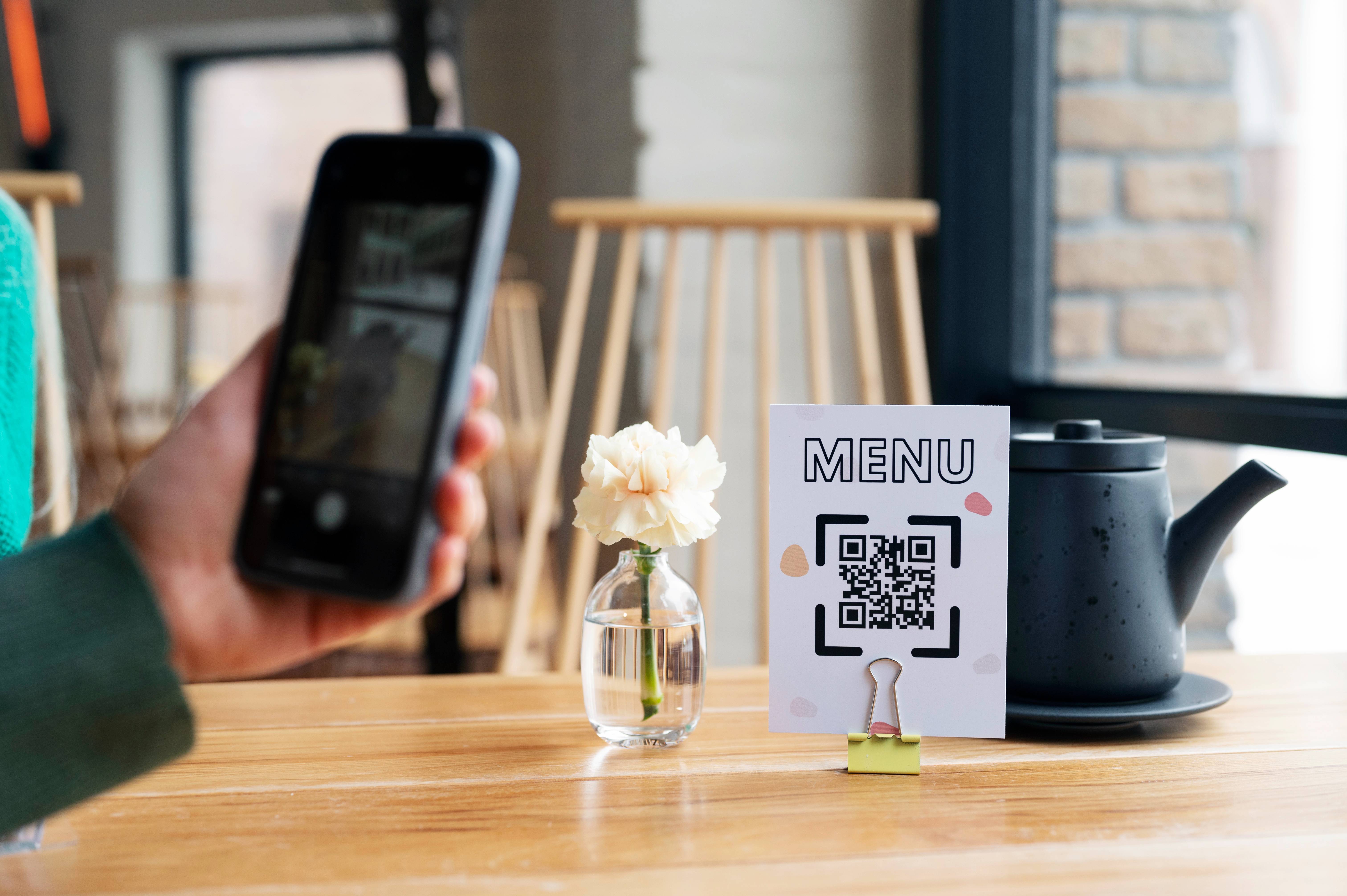
2. QR code menus and digital menus - These tools can help with menu updates, speed, and convenience, especially in high-volume or limited-service settings. But they only work well if they are easy to access and simple for guests to use.
3. Self-service kiosks - For some quick service operations, kiosks can reduce line pressure and increase order capacity. But they only make sense if the concept has enough order volume and a service model that benefits from self-ordering.
4. Reservations and waitlist tools - For full-service restaurants, these systems help control traffic, reduce host stand confusion, and improve communication with guests before they even sit down.
5. Loyalty and guest engagement tools - These can support repeat visits, direct marketing, and stronger customer retention, but only if the restaurant has the systems and team discipline to use them consistently.
New owners should ask a simple question before adding any guest-facing technology - Does this tool improve convenience for the guest and make execution easier for the team?
Make Reporting, Integrations, and Visibility a Priority
Many new restaurant owners evaluate technology by looking at individual features. One tool handles scheduling. Another handles inventory. Another handles online ordering. On paper, each system may look useful. The problem starts when those tools do not work well together. A restaurant tech stack is only as strong as the visibility it gives you.
If your systems are disconnected, you may still be collecting data, but that does not mean you are getting usable insight. Sales may sit in one platform, labor hours in another, and inventory counts somewhere else. That makes it harder to understand how the business is really performing.
Reporting and integrations matter because they turn separate tools into one operating system.
1. Integrations reduce manual work - When systems share data automatically, managers spend less time re-entering information, fixing mismatches, or pulling numbers from multiple places. That saves time and lowers the risk of human error.
2. Reporting helps owners make faster decisions - New owners need clear visibility into sales, labor, discounts, voids, menu mix, and product movement. Good reporting helps answer practical questions quickly- Which items are selling best? Are labor hours rising too fast? Are we seeing unusual refund activity?
3. Cross-system visibility improves control - A single number rarely tells the full story. Sales might look strong, but if labor is too high or food cost is drifting, profitability may still be under pressure. When systems are connected, owners can compare performance across the operation instead of reviewing each area in isolation.
4. Better data supports growth - As the business becomes busier, disconnected tools create more confusion. Connected systems make it easier to train managers, standardize reporting, and scale without losing visibility.
That is why integrations should not be treated as a bonus feature. They are a core part of building a restaurant tech stack that helps owners see problems early, make better decisions, and operate with more confidence from the beginning.