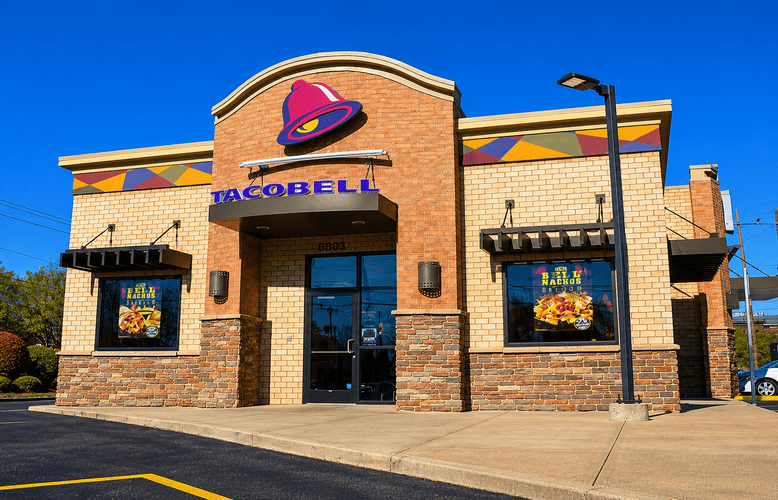
Taco Bell Franchise Expansion in Midwest
Southpaw adds 43 Ohio Taco Bell restaurants to its impressive portfolio, highlighting franchise growth and strengthening the Midwest QSR landscape.
news
Jun 26, 2026
Southpaw adds 43 Ohio Taco Bell restaurants to its impressive portfolio, highlighting franchise growth and strengthening the Midwest QSR landscape.
Jun 26, 2026
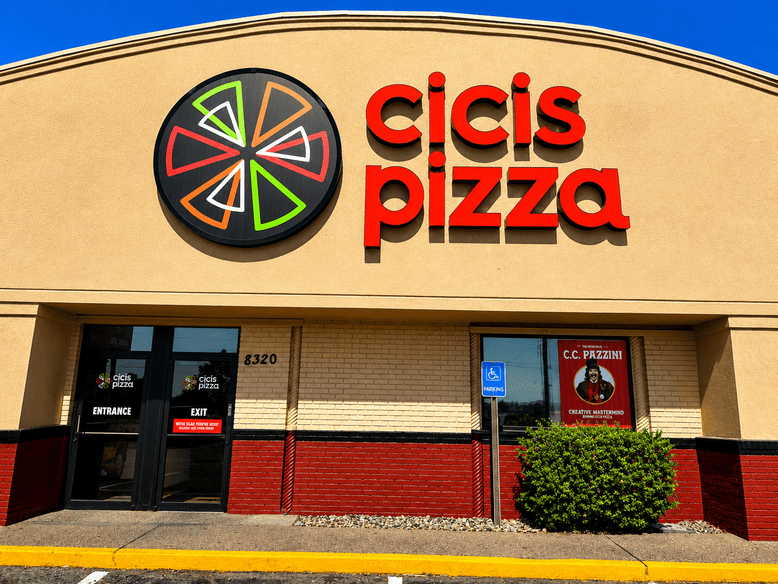
Discover how Cicis Pizza's rewards program skyrocketed to over one million members in under a year, driving customer engagement and retention. See the lessons for restaurant loyalty programs.
Jun 26, 2026
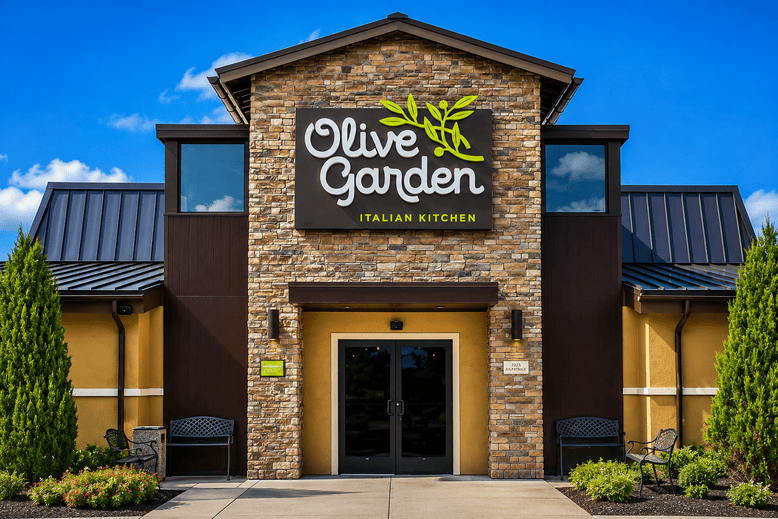
Darden Restaurants surpassed $13 billion in sales, fueled by robust performance at LongHorn Steakhouse and innovative menu changes at Olive Garden. Explore the strategies driving this industry giant’s continued dominance.
Jun 26, 2026
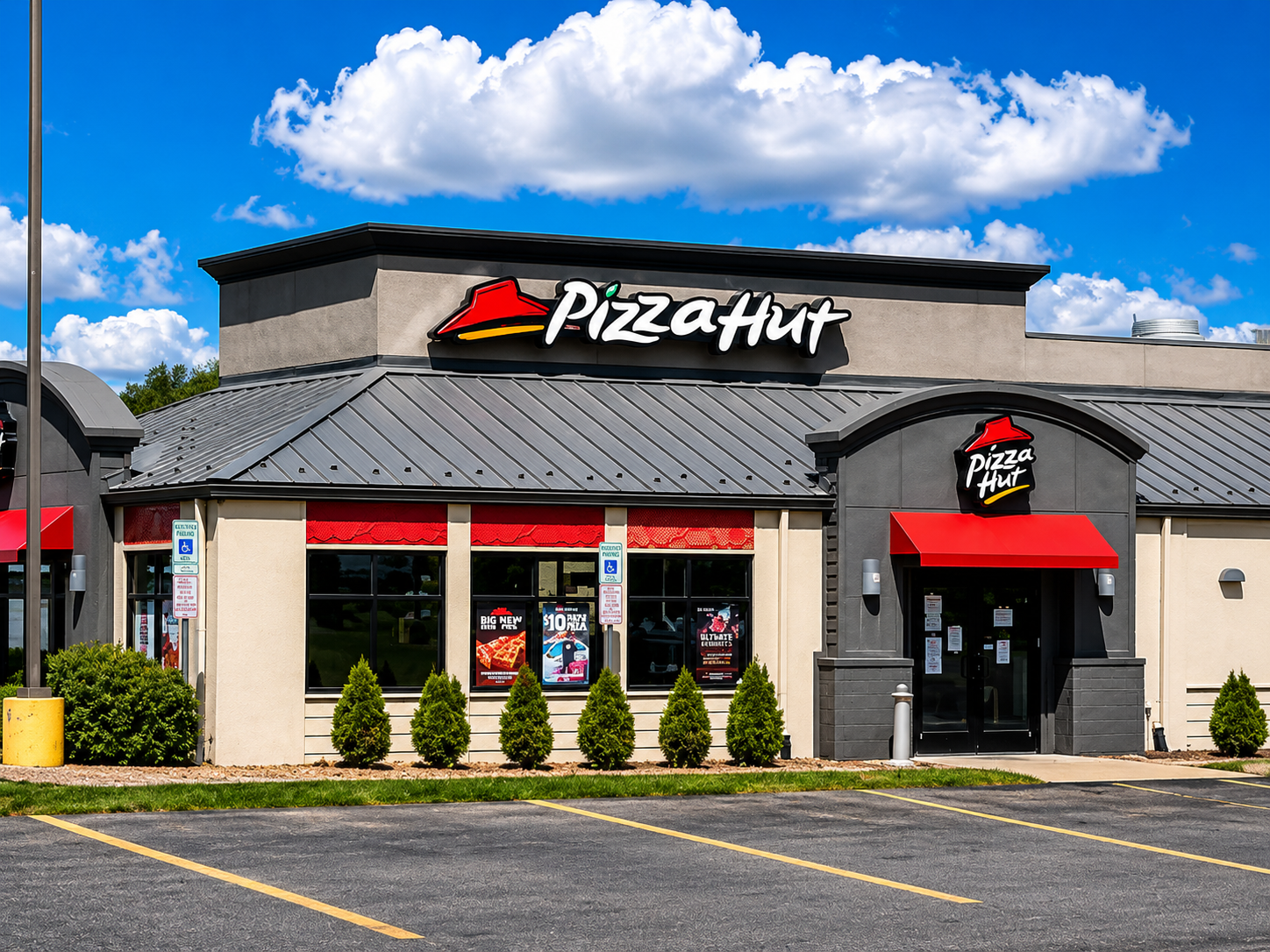
The fallout of Pizza Hut's mandated AI delivery system rollout has ignited a $100 million lawsuit from a leading franchisee, highlighting crucial franchisor-franchisee lessons for all restaurant owners.
Jun 26, 2026
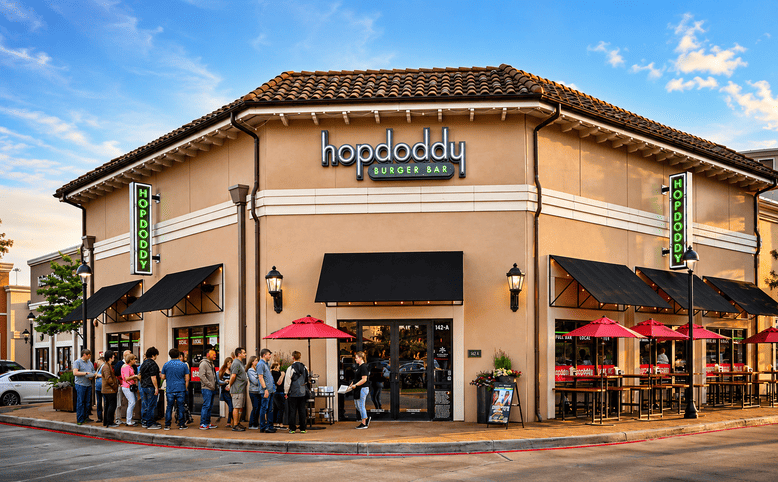
Founders Table Restaurant Group acquires fast-casual leader Hopdoddy Burger Bar, expanding its reach to over 200 restaurants and accelerating operational growth across the platform.
Jun 25, 2026
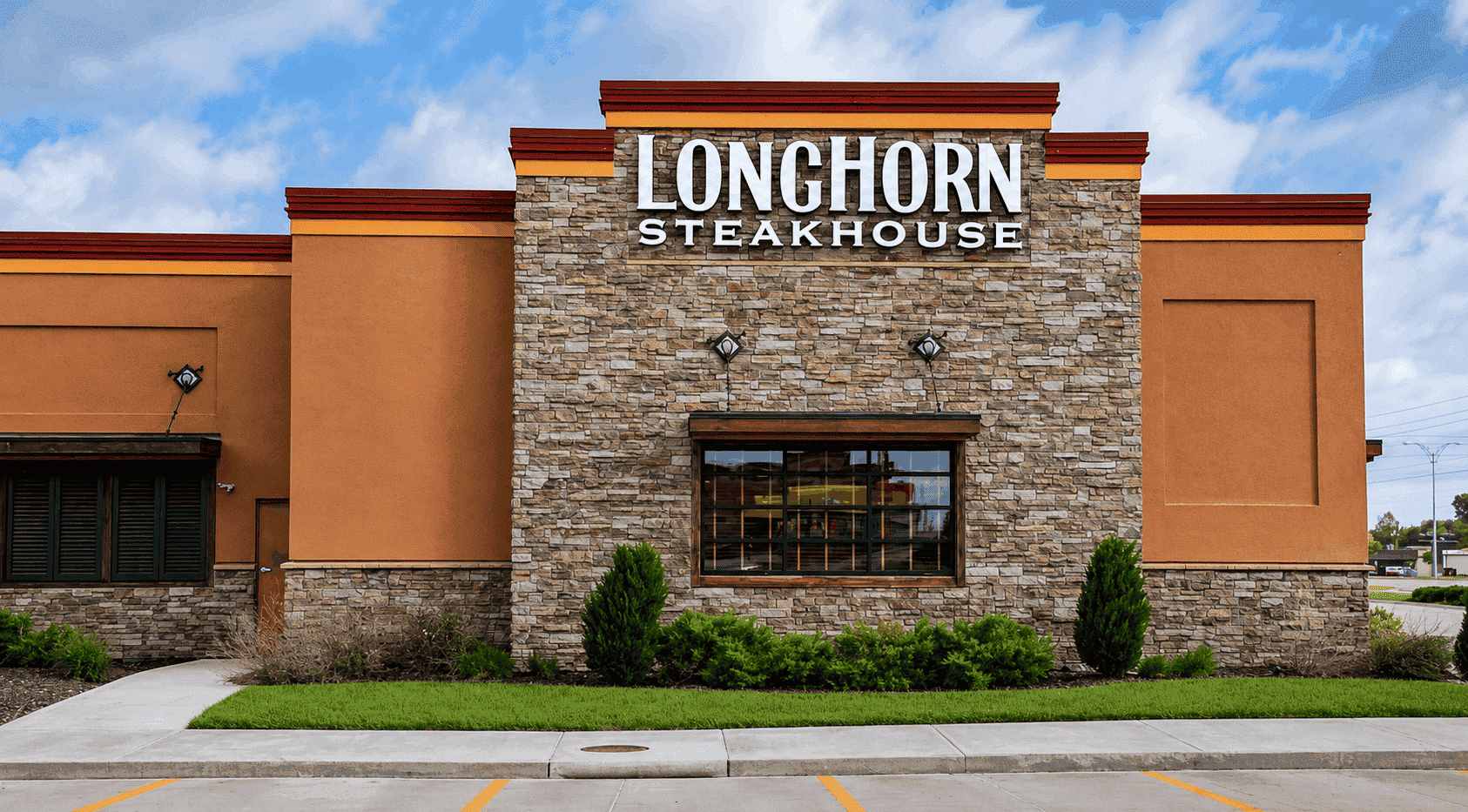
LongHorn Steakhouse surpassed $1 billion in quarterly sales for the first time, driven by strong value perception and menu innovation. Restaurant leaders can draw key lessons for thriving when consumer price sensitivity is high.
Jun 25, 2026
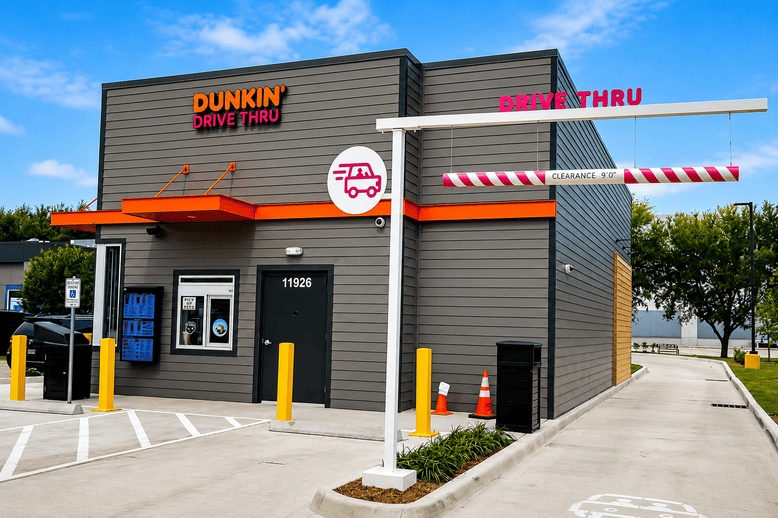
Inspire Brands is preparing for an IPO aiming for a $20B valuation. Discover how giants like Arby’s, Sonic, and Dunkin’ are performing as part of this dynamic portfolio.
Jun 25, 2026
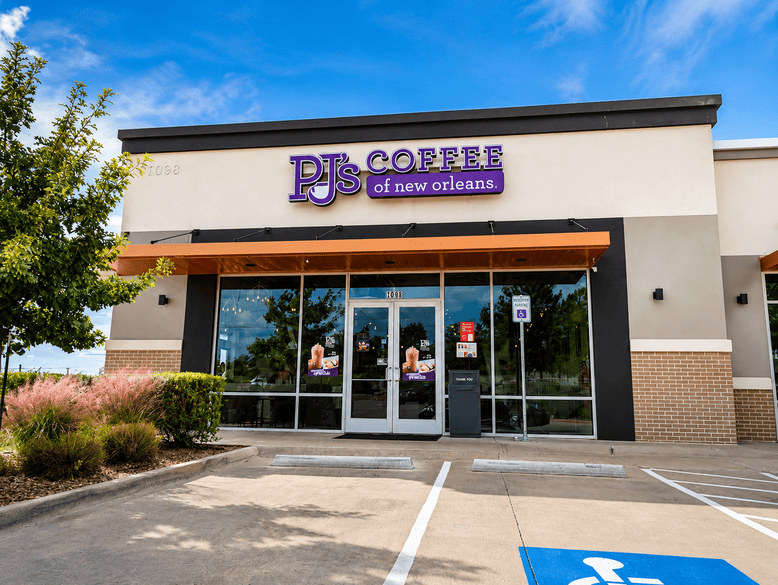
Estepp Energy, known for multi-unit brands like Little Caesars, is adding PJ's Coffee to its Kentucky convenience stores, marking a strategic expansion into specialty coffee.
Jun 24, 2026
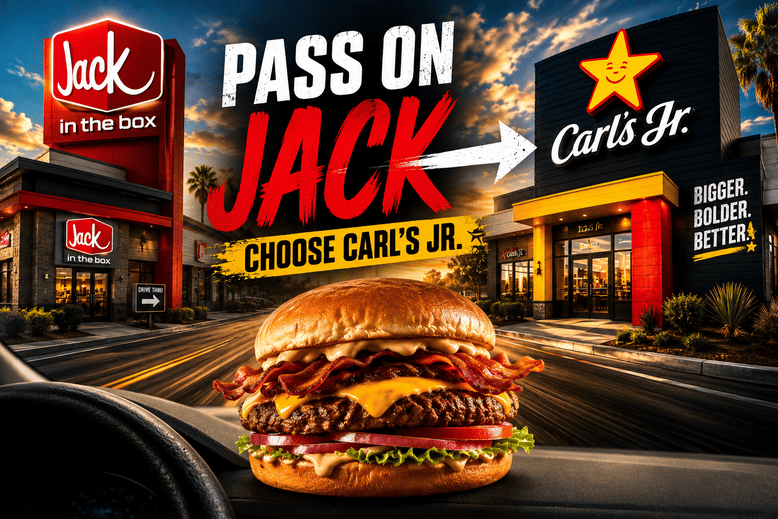
Carl's Jr. has launched a "Pass on Jack" marketing campaign rewarding loyalty members with a free Sourdough Star burger for driving past a Jack in the Box to reach a Carl's Jr. location- a direct shot at its California-based burger rival.
Jun 24, 2026
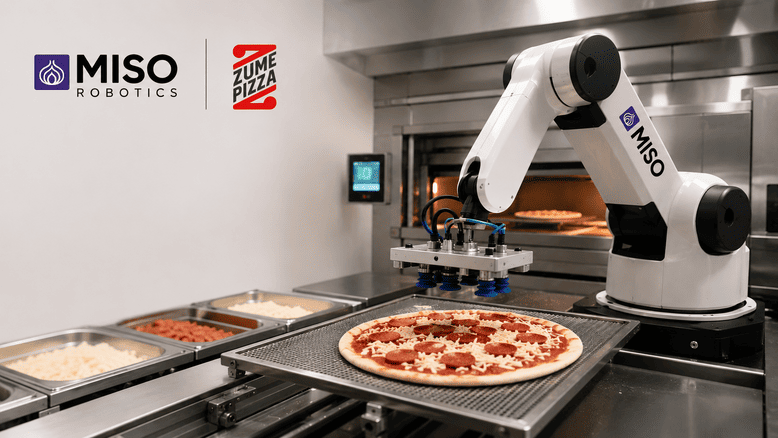
Miso Robotics has acquired Zume Pizza’s technology deck, giving new life to pizza automation and food robotics for forward-thinking restaurant operators.
Jun 24, 2026
Struggling with employee retention? Learn how unpredictable scheduling drives turnover and what you can do to create a more stable workforce.

Employee turnover is often blamed on low pay, limited growth opportunities, or poor management.While these factors certainly contribute, there’s another issue that quietly pushes employees out the door, one that many businesses overlook - unpredictable scheduling. In industries like restaurants, retail, and hospitality, last-minute scheduling has become common. Employees often receive their schedules just a day or two in advance. In some cases, they don’t even know when they’re working until the night before. From an operational standpoint, this may seem flexible or efficient. But from an employee’s perspective, it creates ongoing stress and instability that can eventually lead them to leave.
Employees are more than just workers filling shifts, they are individuals with responsibilities, commitments, and lives outside of their jobs. When schedules are inconsistent or shared at the last minute, it becomes extremely difficult for them to plan anything with confidence.Simple tasks like scheduling a doctor’s appointment, attending family events, or even making personal plans become complicated. Employees are forced to keep their schedules open “just in case,” which can feel restrictive and frustrating. Over time, this constant uncertainty creates emotional fatigue. Employees begin to feel like they have no control over their time, and that lack of control can quickly turn into dissatisfaction. Instead of feeling like valued contributors, they feel like they are constantly reacting to decisions made without their input.
Unpredictable scheduling doesn’t just affect logistics; it directly impacts mental well-being. When employees lack visibility into their work schedules, it creates a sense of instability. This uncertainty can lead to increased stress and anxiety. Employees may worry about how many hours they’ll receive, whether they’ll be able to manage their personal responsibilities, or how they’ll maintain any form of routine. A consistent schedule helps people feel grounded. Without it, employees often struggle to maintain a healthy work-life balance. Over time, this imbalance affects their mood, energy levels, and overall job satisfaction. Even your most dedicated employees can start to disengage, not because they don’t care about the job, but because the system around them feels unpredictable and exhausting.
While unpredictable scheduling may seem like a short-term solution to staffing challenges, it often creates long-term inefficiencies.Employees who receive last-minute schedules are more likely to request changes, swap shifts, or call out altogether. This creates a ripple effect that managers must constantly deal with spending time fixing schedules instead of focusing on operations or improving customer experience. In addition, inconsistent scheduling can lead to poor staffing decisions. You may end up with too many employees during slow periods and not enough during peak hours. This imbalance directly impacts productivity and profitability. Over time, these inefficiencies can slow down your entire operation.
If unpredictable scheduling is affecting your team, the signs will be visible. Some of the most common indicators include -
There’s a common misconception that employees expect perfect schedules. In reality, most employees understand that some level of flexibility is necessary, especially in fast-paced industries. What they truly want is predictability and transparency. Even if a schedule isn’t ideal, knowing it in advance allows employees to plan their lives around it. That sense of control makes a significant difference in how they feel about their work. When employees can anticipate their schedules, they are more likely to show up prepared, focused, and motivated.
Improving scheduling predictability doesn’t require a complete overhaul, it starts with better planning. Begin by releasing schedules at least one to two weeks in advance. This simple step gives employees enough time to prepare and reduces last-minute conflicts. You can also use historical data to anticipate staffing needs more accurately. By analyzing trends in customer traffic, peak hours, and seasonal demand, you can create more stable and reliable schedules. Another effective strategy is introducing consistency wherever possible. For example, assigning similar shifts each week can help employees build routines and reduce uncertainty.
Predictable scheduling does more than just improve logistics, it builds trust. It shows employees that their time is respected and that the organization values stability. When employees feel respected, they are more engaged and more productive. They are also more likely to stay with the company, reducing turnover and strengthening team cohesion. A stable scheduling system also improves overall efficiency, as managers spend less time resolving conflicts and more time focusing on growth and performance.

Unpredictable scheduling may seem like a small operational detail, but its impact is far-reaching. It affects employee well-being, team morale, and business performance. If you want to retain your best employees and create a stronger, more reliable team, start by addressing your scheduling practices. Because sometimes, the simplest change giving employees clarity about when they work can make the biggest difference.