
8 Steps in the Restaurant Payroll Process
Learn the eight essential steps of the restaurant payroll process, from tracking hours and calculating wages to payments and recordkeeping.
Payroll
Aug 17, 2026
Learn the eight essential steps of the restaurant payroll process, from tracking hours and calculating wages to payments and recordkeeping.
Aug 17, 2026

Explore the main types of ordering technology restaurants use to improve accuracy, speed, payments, customer convenience, and operational efficiency daily.
Aug 17, 2026
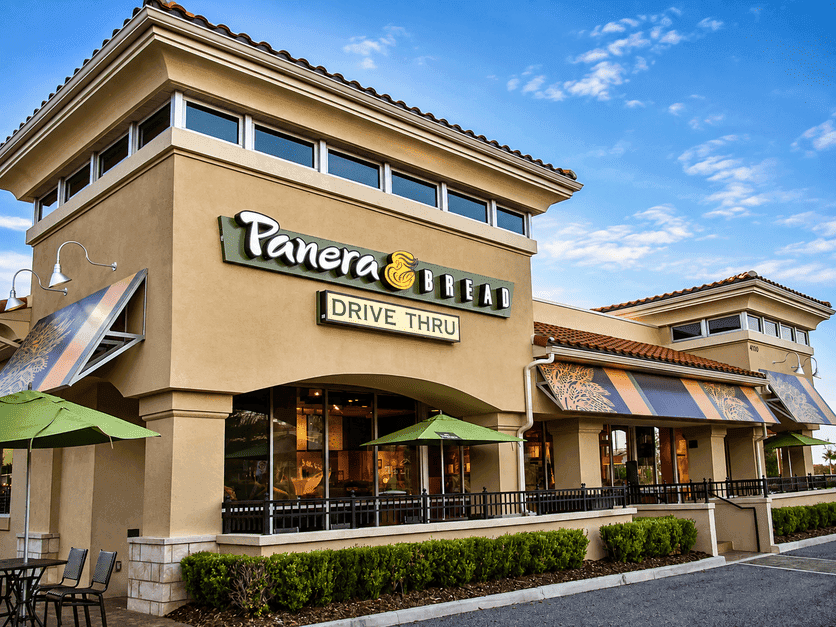
Panera Bread welcomes Andrew Rebhun as its new CMO to spearhead strategic brand growth and transformation, bolstering its vision for 2028.
Aug 17, 2026

Discover how restaurant SMS marketing works, from building subscriber lists and creating campaigns to improving engagement and measuring marketing performance.
Aug 14, 2026
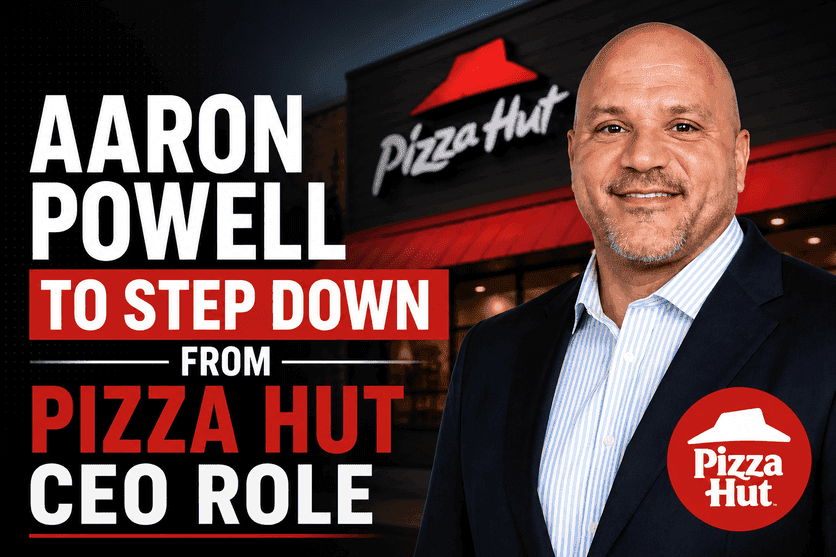
The transition of Pizza Hut's CEO, Aaron Powell, marks a pivotal moment for the chain and offers valuable leadership lessons for restaurant owners. Here’s what this executive change could mean for your business.
Aug 17, 2026
Learn how to manage cash flow in your restaurant by tracking finances, controlling costs, forecasting needs, and building cash reserves.
Aug 14, 2026
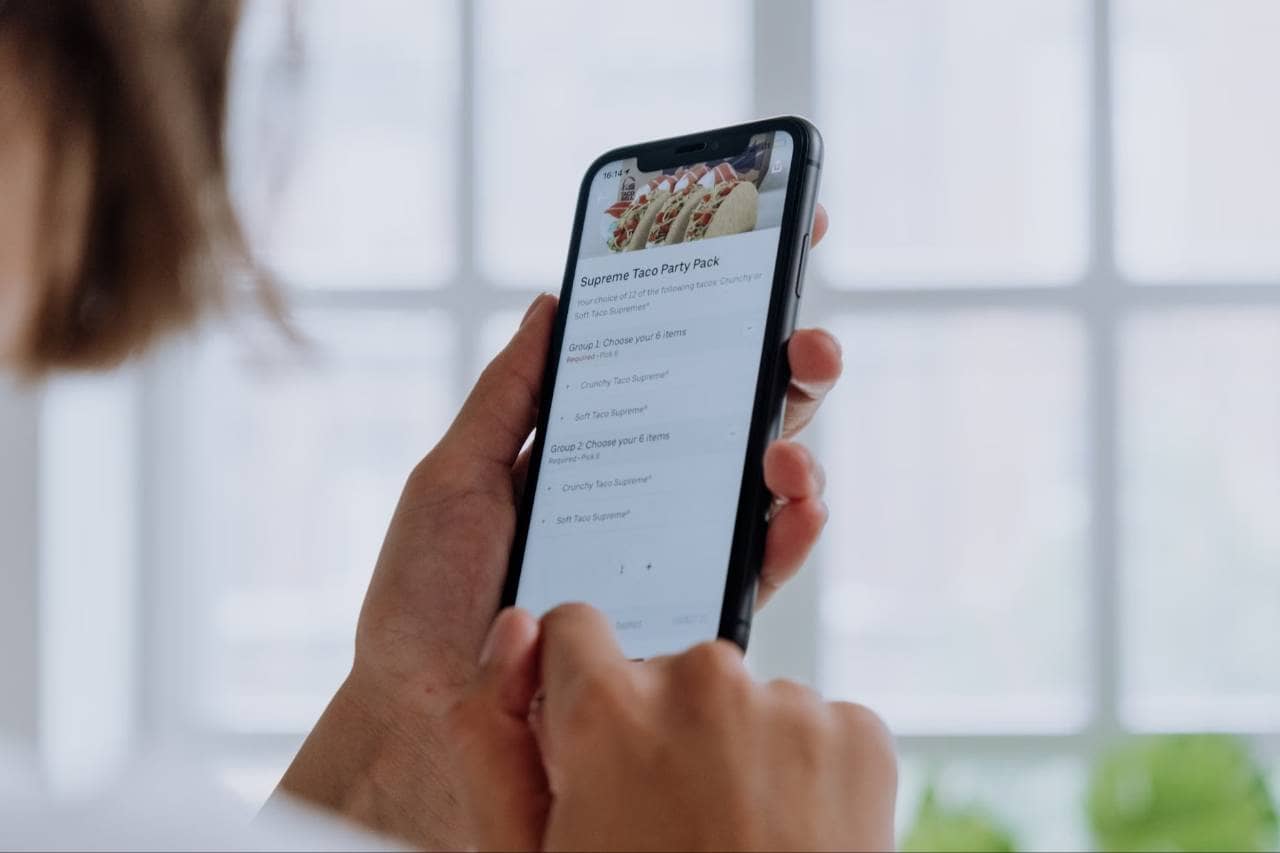
Increase online orders by simplifying checkout, optimizing menus, improving Google visibility, promoting ordering channels, and encouraging customers to order again.
Aug 12, 2026
Streamline restaurant back office operations by standardizing workflows, automating repetitive tasks, integrating systems, centralizing data, and improving accountability and efficiency.
Aug 12, 2026
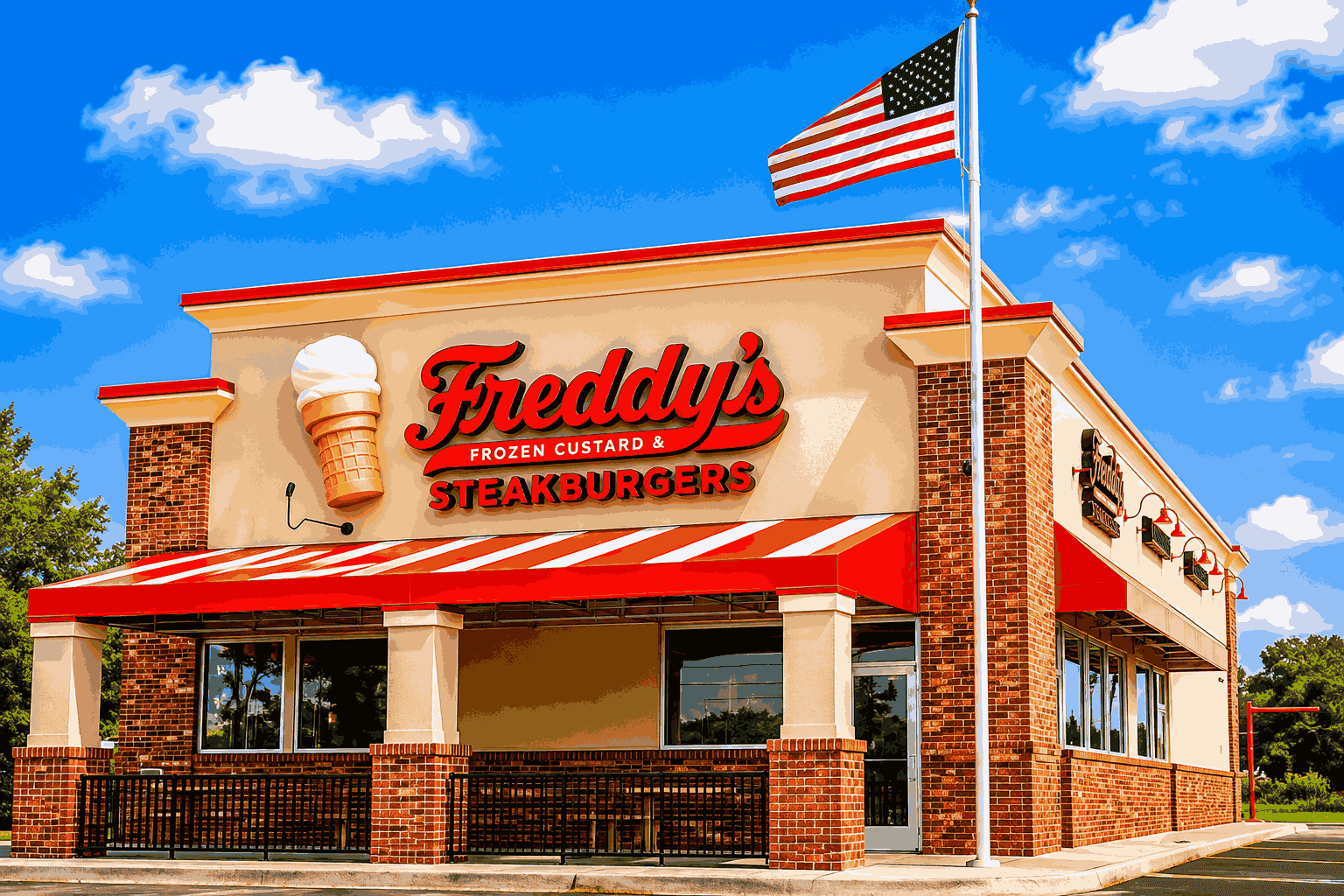
Freddy’s Frozen Custard & Steakburgers promotes Rick Petralia to Executive Chef & VP of Training & Innovation, signaling a strategic focus on culinary excellence and franchisee support.
Aug 12, 2026
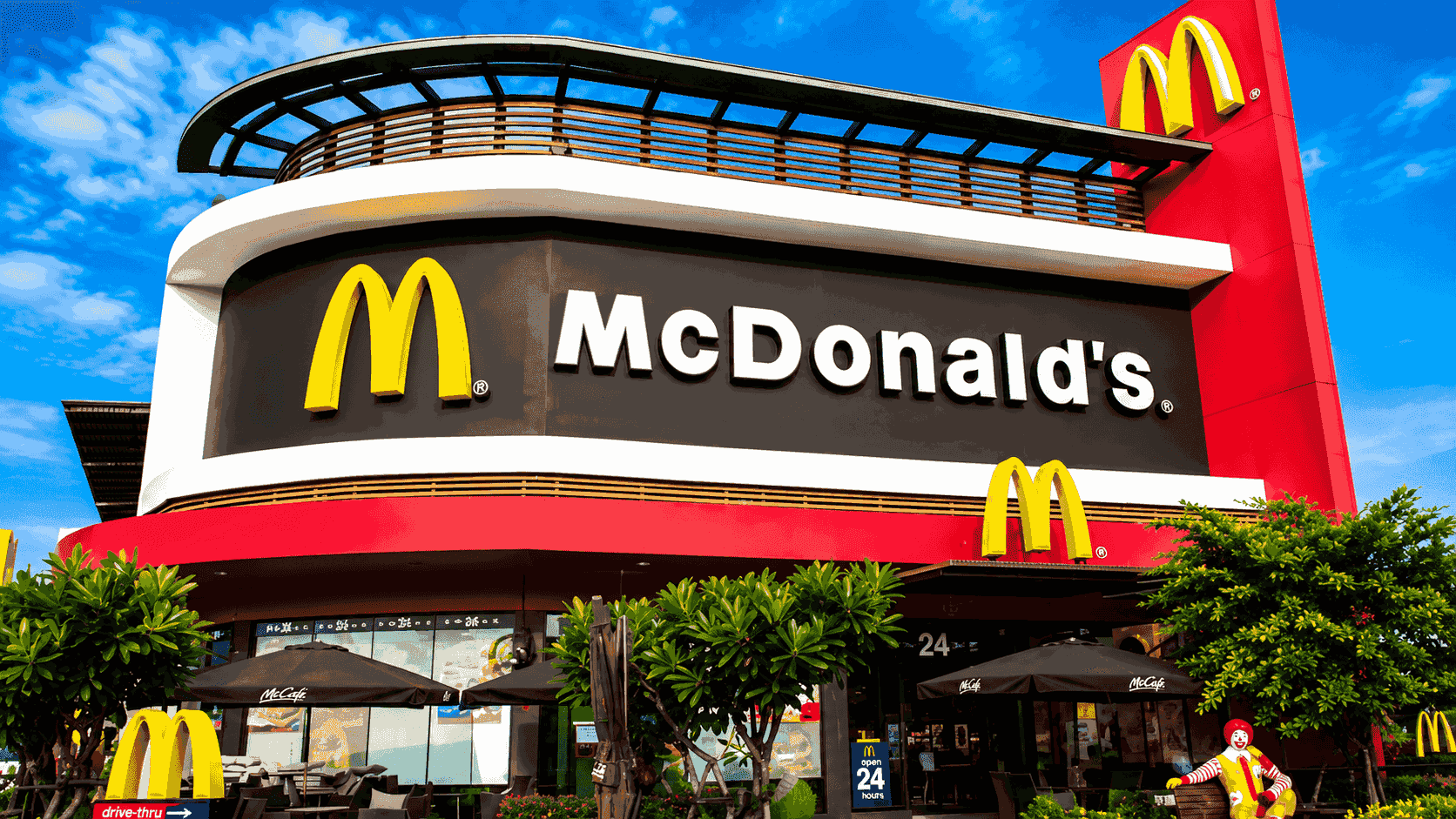
McDonald’s USA has appointed Patrick Gerber as chief restaurant officer, leveraging his decades of global experience to boost operations, food quality, and customer satisfaction in the U.S. market.
Aug 11, 2026

Unlock Exclusive Access To Webinars, Events, And The Latest News For Free!
Explore how fast-food chains like McDonald’s, Burger King, and Wendy’s are leveraging value meal deals to attract customers amidst economic challenges.
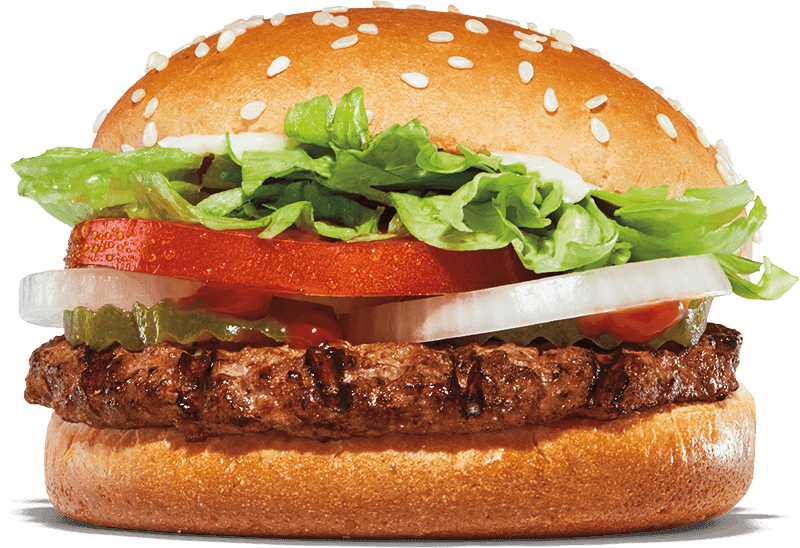
McDonald’s recent introduction of the $5 meal deal has successfully captured customers' attention and increased foot traffic as intended. The offer, which includes a choice of a McDouble or McChicken, small fries, four-piece Chicken McNuggets, and a small drink, debuted on June 25 for a limited time. The impact was immediate, with the day of the launch becoming McDonald’s busiest Tuesday of the year up to that point. Data from Placer.ai shows an 8 percent increase in visits on June 25 compared to the average Tuesday in 2024. This trend continued throughout the week, with visit rates remaining significantly higher than the 2024 average.
The success of McDonald’s $5 meal deal can be attributed to the variety of items included, catering to different preferences of customers. By combining popular menu items in a value meal, customers perceive a higher value and are more inclined to make a purchase. Additionally, the limited-time nature of the offer creates a sense of urgency, prompting customers to take advantage of the deal before it ends. This scarcity principle often drives higher customer engagement and encourages repeat visits during the offer period.
While McDonald’s CEO emphasized the importance of a national value platform to drive competitiveness, the brand continues to leverage local deals to cater to specific market demands. By balancing national promotions like the $5 meal deal with region-specific offers such as the BOGO breakfast sandwiches or mix and match deals, McDonald’s can appeal to a wider range of customers. This strategy allows the brand to maintain a unified national image while addressing local preferences and driving traffic at individual franchise locations.
In the face of economic challenges and inflation impacting consumer spending, fast-food chains like McDonald’s are adapting their menu pricing strategies to remain competitive. The introduction of value meal deals and offers is a response to the changing economic landscape, where customers are more price-conscious than ever. By providing attractive deals like the $5 meal offer, restaurants aim to retain existing customers and attract new ones by offering affordable and satisfying meal options.
McDonald’s $5 meal deal is part of a broader trend in the fast-food industry, where major chains are rolling out value offers to stay ahead in a competitive market. Burger King’s $5 Your Way Meal and Wendy’s $3 English Muffin deal are examples of how rival brands are responding to customer demands for affordable yet satisfying meal options. These value deals not only drive customer traffic but also create differentiation in a crowded market, enabling brands to stand out and capture market share.