
How Much Does It Cost to Open an Ice Cream Shop?
Learn the startup costs of opening an ice cream shop, including rent, equipment, renovations, permits, inventory, labor, marketing, and reserves.
Business Management
Aug 28, 2026
Learn the startup costs of opening an ice cream shop, including rent, equipment, renovations, permits, inventory, labor, marketing, and reserves.
Aug 28, 2026

Learn practical ways to reduce labour costs through smarter scheduling, forecasting, productivity, cross-training, automation, overtime control, and performance monitoring strategies.
Aug 26, 2026

RaceTrac has appointed Jill Pemberton as chief financial officer, succeeding Karla Ahlert, who moves into the newly created role of chief administrative officer.
Aug 26, 2026

A restaurant P&L statement reveals sales, expenses, and profits, helping owners manage costs, improve margins, and plan finances more effectively.
Aug 26, 2026

Create a practical restaurant marketing plan by setting goals, targeting customers, choosing channels, budgeting wisely, scheduling campaigns, and measuring results.
Aug 24, 2026

A payroll advance policy helps restaurant owners define eligibility, limits, repayment, documentation, approval procedures, and compliance requirements for employee advances.
Aug 24, 2026
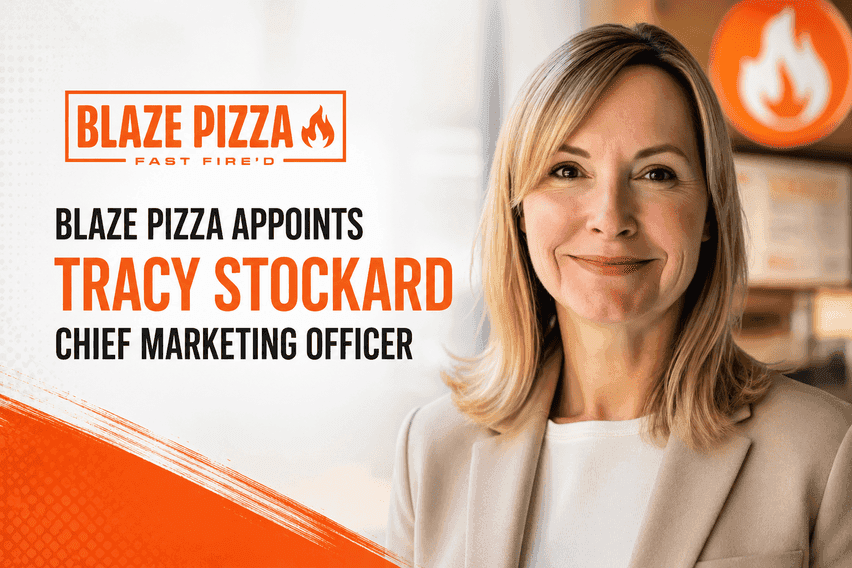
Blaze Pizza welcomes Tracy Stockard as Chief Marketing Officer, bringing decades of brand and franchise experience to drive strategic growth and guest engagement.
Aug 25, 2026

Levain Bakery appoints Lorna Sommerville and Taya Stenson as co-CEOs, blending operational and marketing expertise to power national expansion and innovation while staying rooted in its brand values.
Aug 25, 2026
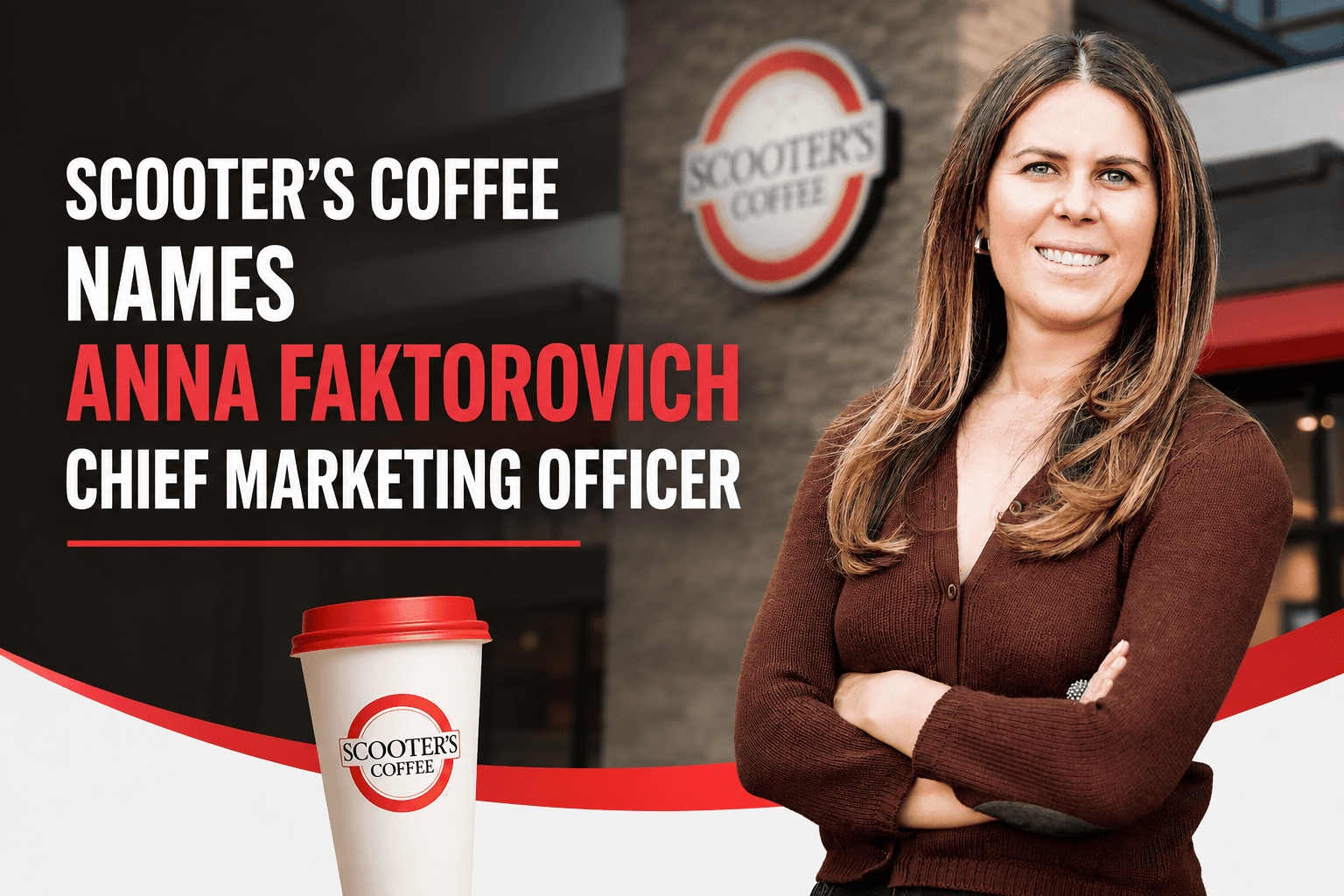
Anna Faktorovich, a seasoned marketing executive, has been named Chief Marketing Officer at Scooter’s Coffee, bringing decades of multi-brand experience to fuel the franchise’s next growth stage.
Aug 25, 2026
Dave & Buster's refreshes its executive lineup with seasoned leaders in operations, marketing, tech, and finance - signaling a growth-driven future for restaurant operators to watch.
Aug 24, 2026

Unlock Exclusive Access To Webinars, Events, And The Latest News For Free!
Business model slides showcase a startup's marketing and financial strategy to investors so funding can be obtained. Read more about the slides to include in a small business pitch deck presentation here.

Pitch decks can be utilized to provide a business plan overview to a group of individuals, usually in the form of a PowerPoint presentation. Creating an optimized, unique display can help to inform an audience about the products and services a company provides. The objective is to tell a story and engage with the audience emotionally to create a great first impression. There are several different guidelines to follow when creating a pitch deck. Giving an overview of the company and its value are only the first part of the process. The presentation needs to demonstrate how the offered product/service is superior to the competition's, convey a sales/marketing strategy to reach a target audience, and introduce investors to the people behind the startup's idea. Here are the top 11 slides to include in a business model presentation.

The first slide should include a brief, one-sentence overview of the company and the value it provides. The objective is to give an overview of how product/service solves customers' problems, improves their situation, and delivers specific benefits. To start, consider the following questions -
This portion of the business model slide is utilized to talk about the existing problem that needs a solution. It's an introduction to a negative state of current affairs that can't be fixed without the services/products provided by the company. The pain points should be relatable to everyday people, including investors. For example, here is the Airbnb pitch deck problem slide -

This slide expands on the size and scope of the target audience and how the company positions itself in that market. If possible, include data about the spending habits of people and businesses in the current market so investors can grasp its size. Utilizing marketing segmentation, or the process of dividing a target audience into subgroups of consumers that share similar characteristics is also important because investors want to know how specific services/products can help specific groups of people. There are 4 different ways to segment a target market, including -
This portion of the business model slide describes the offered service or product and how customers can use it to address the problem outlined in Slide 2. The utilization of icons, graphics, and pictures can make this portion of the presentation more powerful. Messaging should be short and keywords can be emphasized to capture the attention of the audience. To illustrate, here is the text of Airbnb's solution slide - Solution - A web platform that users can rent out their space to host travelers to -

Once the service or product has been explained, the presentation should shift to explaining the revenue stream for the company and investors. Each of the following questions should be addressed in this slide -

Investors want to see that aspects of the business plan have already been successful, prior to the presentation. If there have been sales or early adopters, this is where to include that information. This slide can also be utilized to talk about the company's milestones and whether or not they've achieved any key objectives so far. Including this information will help validate the solution provided in Slide 4.
This slide should be utilized to outline a sales and marketing plan and any planned key to reach a target audience and why they will work. Some questions to address in include -

This portion of the business model slide identifies the founding team members and explains why they have the necessary skills to build and manage a business. Considerations to include are -
Though investors will expect to see income statements, cash flow forecasts, and other financials, the pitch deck slide presentation is not the place to include in-depth spreadsheets that are detailed and difficult to read. Instead, the objective is to provide investors with simple financial results and an idea of potential earnings. Limit financial details to eye-catching charts that show sales, total customers, profits, and expenses. Investors are used to seeing projections that are overstated and overblown, so it's important to remember that revenue forecasts should be hopeful, but realistic.
This portion provides a complete overview of the competitive landscape and any of its lacking elements. Even if the product/service is offered to an entirely new market, potential customers are still utilizing alternative solutions to solve the problem outlined in Slide 2. There are a few different ways to present a competitive advantage through the utilization of charts and graphs. Examples include -

The final slide of the business model slide informs potential investors how much money is needed, and how it will be used to grow the business. If other investors have already jumped on board, this is the time to explain who they are. Elements to include in this section of the business model template are -