Taco Bell Franchise Expansion in Midwest
Southpaw adds 43 Ohio Taco Bell restaurants to its impressive portfolio, highlighting franchise growth and strengthening the Midwest QSR landscape.
news
Jun 26, 2026
Southpaw adds 43 Ohio Taco Bell restaurants to its impressive portfolio, highlighting franchise growth and strengthening the Midwest QSR landscape.
Jun 26, 2026
Discover how Cicis Pizza's rewards program skyrocketed to over one million members in under a year, driving customer engagement and retention. See the lessons for restaurant loyalty programs.
Jun 26, 2026
Darden Restaurants surpassed $13 billion in sales, fueled by robust performance at LongHorn Steakhouse and innovative menu changes at Olive Garden. Explore the strategies driving this industry giant’s continued dominance.
Jun 26, 2026
The fallout of Pizza Hut's mandated AI delivery system rollout has ignited a $100 million lawsuit from a leading franchisee, highlighting crucial franchisor-franchisee lessons for all restaurant owners.
Jun 26, 2026
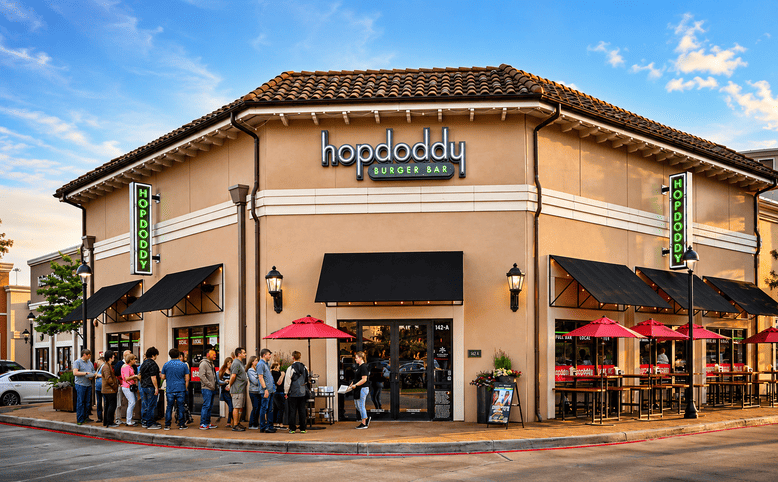
Founders Table Restaurant Group acquires fast-casual leader Hopdoddy Burger Bar, expanding its reach to over 200 restaurants and accelerating operational growth across the platform.
Jun 25, 2026
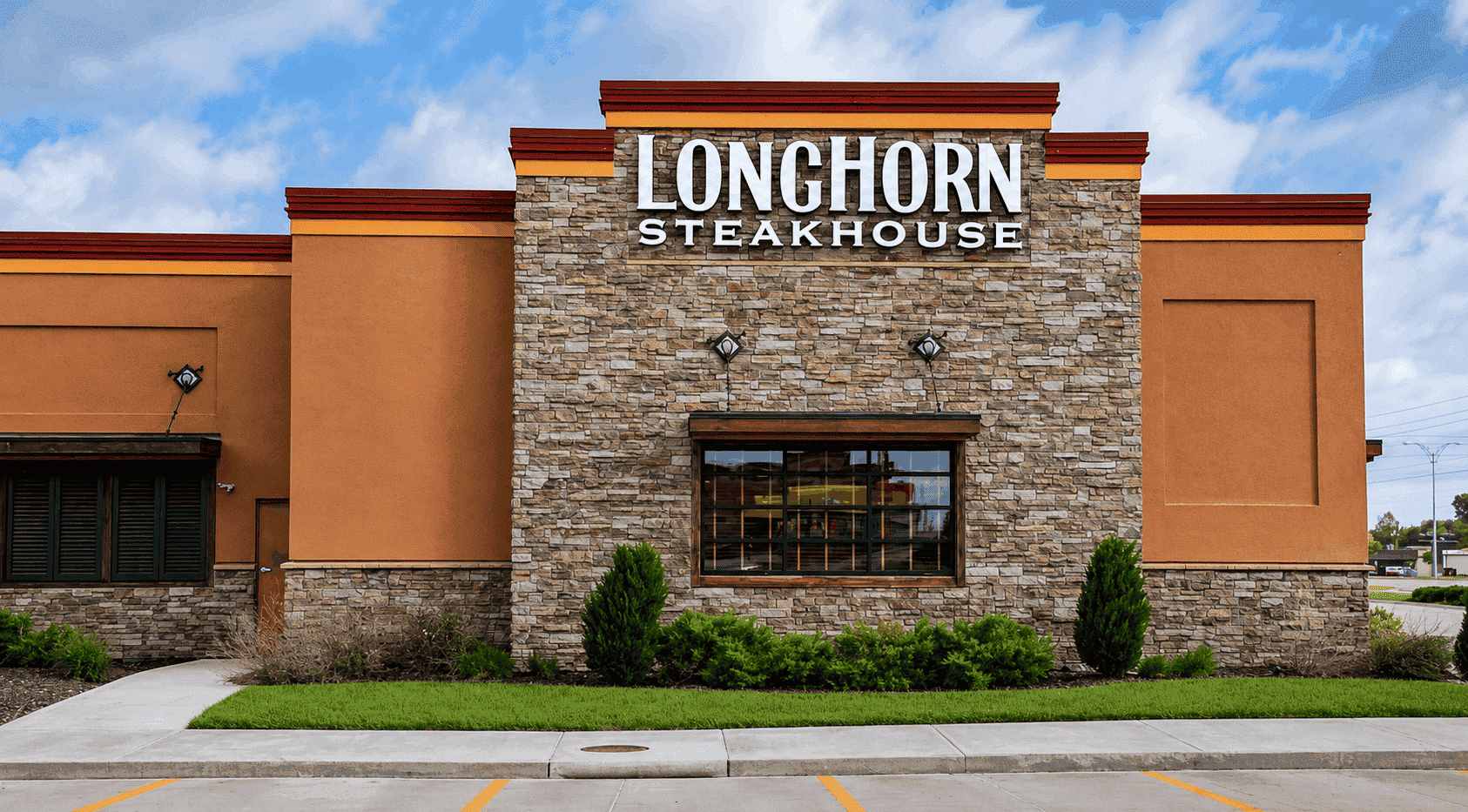
LongHorn Steakhouse surpassed $1 billion in quarterly sales for the first time, driven by strong value perception and menu innovation. Restaurant leaders can draw key lessons for thriving when consumer price sensitivity is high.
Jun 25, 2026
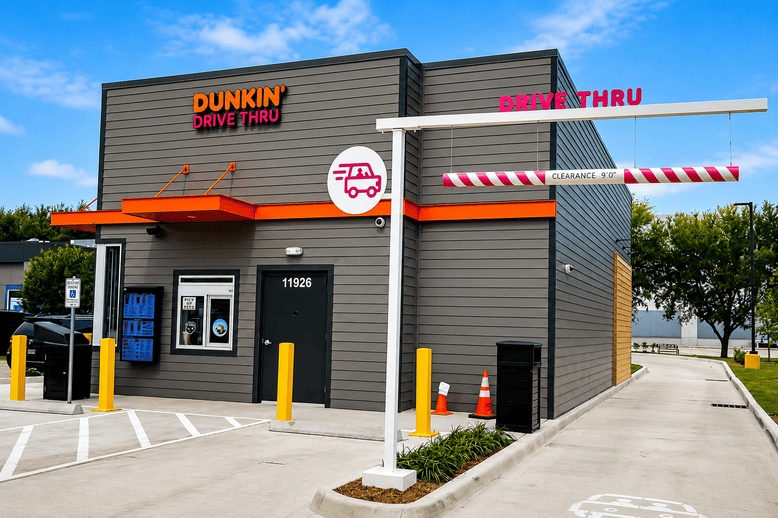
Inspire Brands is preparing for an IPO aiming for a $20B valuation. Discover how giants like Arby’s, Sonic, and Dunkin’ are performing as part of this dynamic portfolio.
Jun 25, 2026
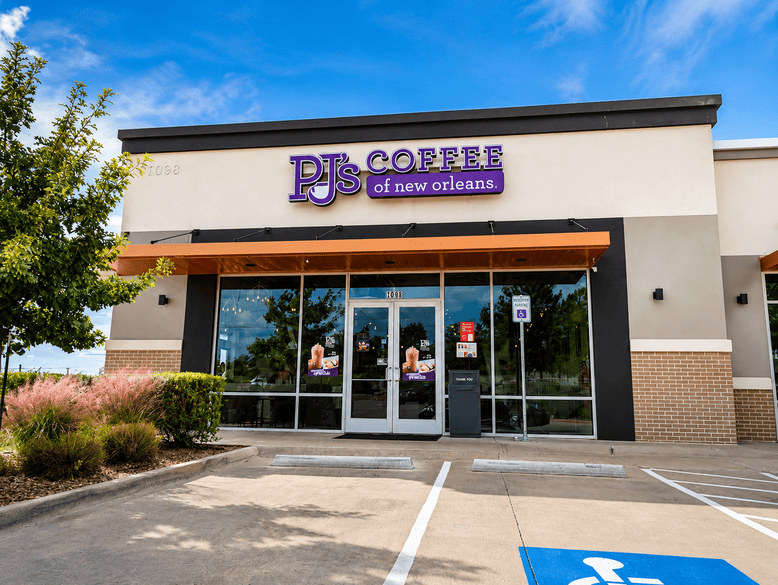
Estepp Energy, known for multi-unit brands like Little Caesars, is adding PJ's Coffee to its Kentucky convenience stores, marking a strategic expansion into specialty coffee.
Jun 24, 2026
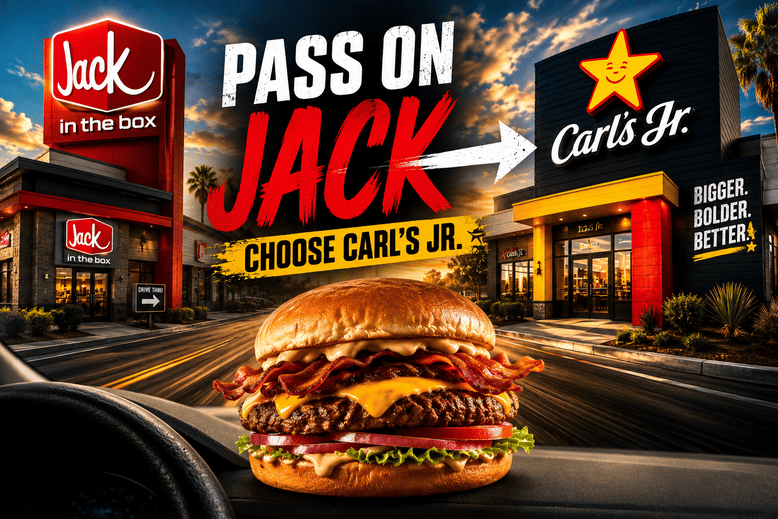
Carl's Jr. has launched a "Pass on Jack" marketing campaign rewarding loyalty members with a free Sourdough Star burger for driving past a Jack in the Box to reach a Carl's Jr. location- a direct shot at its California-based burger rival.
Jun 24, 2026
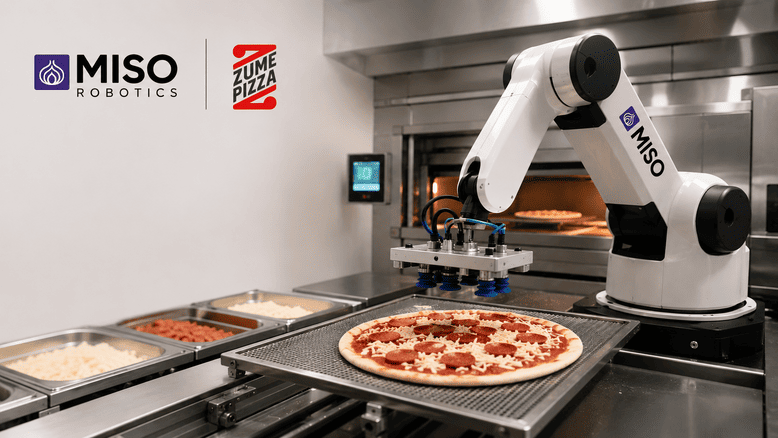
Miso Robotics has acquired Zume Pizza’s technology deck, giving new life to pizza automation and food robotics for forward-thinking restaurant operators.
Jun 24, 2026
Amid rising beef costs, burger chains use R&D, LTOs, and co-creation to drive growth while keeping core menus steady and guest loyalty nourished.
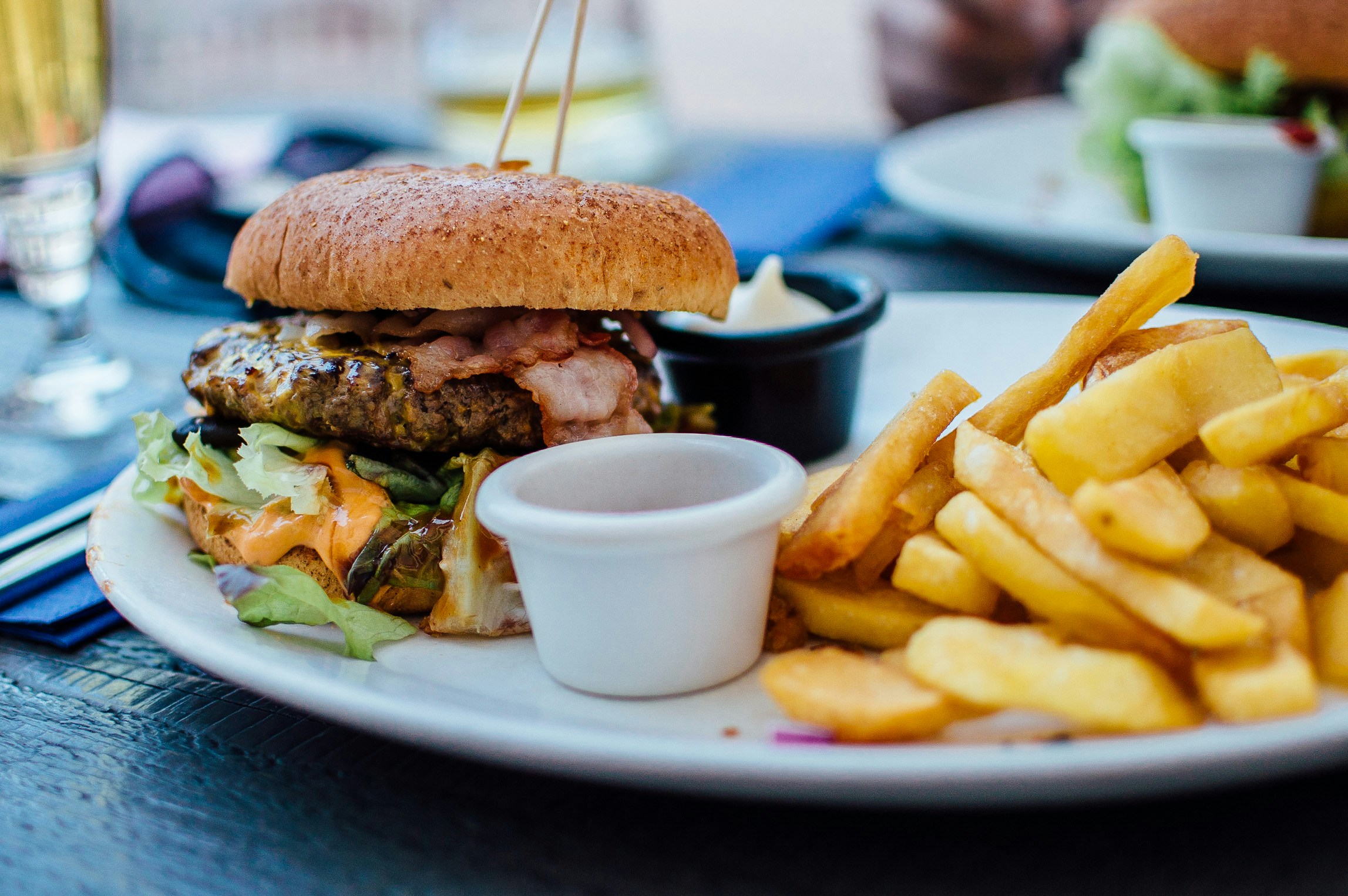
Photo by Robin Stickel
The burger race entering 2026 reads like a study in balance: chains layering bold ideas over a familiar base. Shake Shack widened its barbecue burger line and added specialty shakes. Culver’s and Freddy’s took high-performing limited-time offers and made them permanent, signaling confidence in what guests actually crave. Legacy players such as In-N-Out and McDonald’s leaned into core menus while weaving in cultural tie-ins. It creates a thoughtful cadence, novelty for discovery, anchors for comfort, designed to feel both fresh and reassuring:
the kind of menu rhythm that keeps traffic steady and loyalties nourished.
Consider the year’s signatures. Shake Shack introduced specialty shakes alongside its barbecue expansion. Culver’s and Freddy’s converted standout LTOs into staples, a move that suggests data-backed restraint more than flash. McDonald’s balanced its core with cultural meals, the Angel Reese Special and a Minecraft Movie meal, while Burger King and Wendy’s generated buzz through co-creation and seasonal tie-ins. The throughline is clear: innovation that respects operational realities, and consistency that earns repeat visits. This is not chaos; it’s choreography, thoughtful, paced, and attuned to what keeps a menu both lively and legible for guests.
Behind the scenes, costs rose even as the top performers expanded their share. Restaurant Business Online reported robust 2025 system sales gains, Shake Shack up 15.2%, Culver’s up 14.2%, and In-N-Out up 9.6%, despite anemic segment growth. At the same time, protein inflation loomed large. Retail 100% ground beef averaged $6.75 per pound in January 2026, nearly a 22% year-over-year jump, per federal data cited by Axios. The industry’s answer felt both pragmatic and creative: use R&D to elevate perceived value, and fine-tune operations so complexity doesn’t erode margin.
Those levers, innovation and efficiency, became the twin pillars of a more resilient playbook. Strong system sales from Shake Shack, Culver’s, and In-N-Out suggest guests will pay for a better experience when it feels composed and worthwhile. Ground beef’s price spike, by contrast, sharpened focus on items that justify a premium or streamline the line. The aim isn’t just to chase a trend; it’s to present a menu that feels balanced and generous in experience, even as the underlying inputs get more expensive. A thoughtful upgrade beats a discount when the craft shows through.
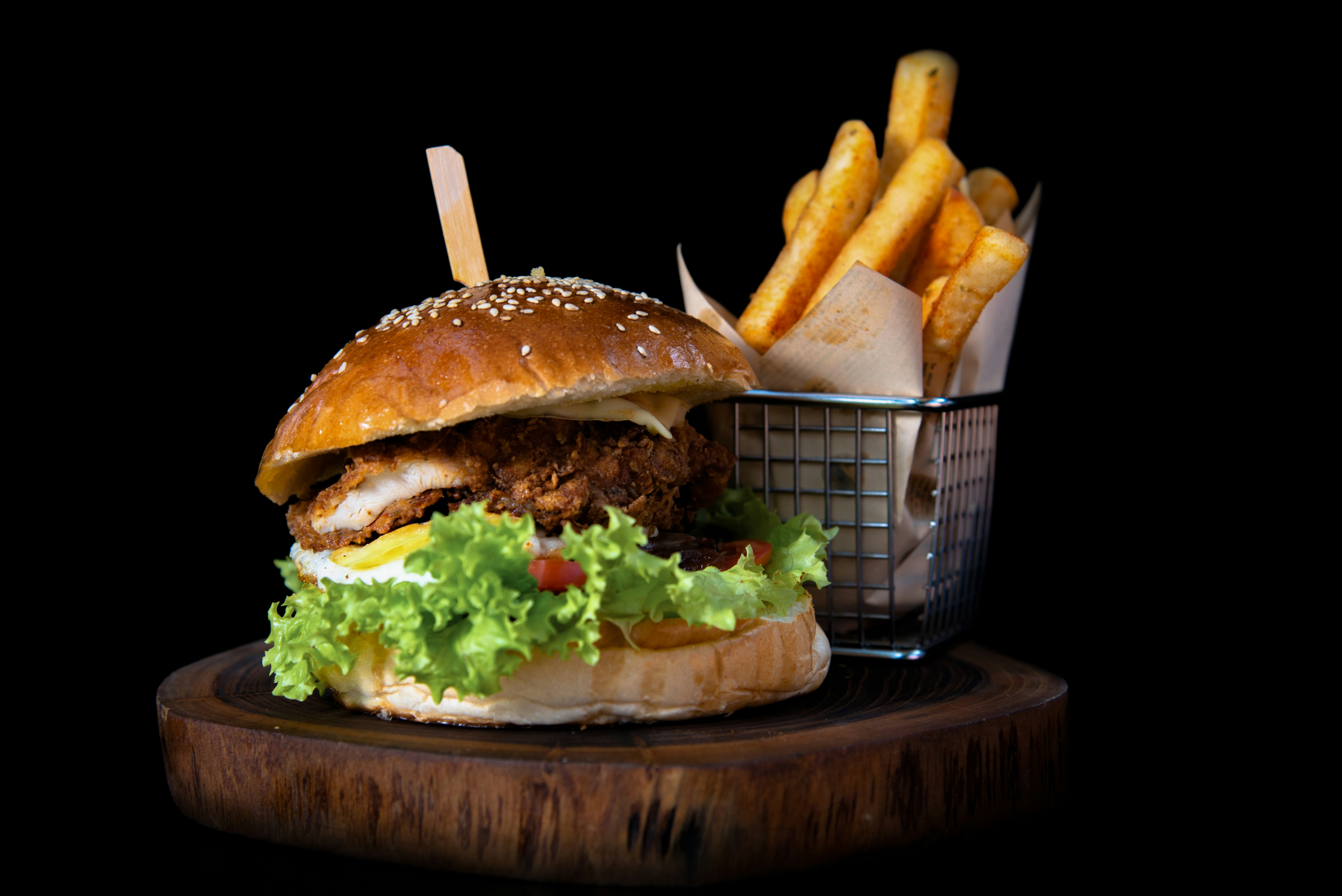
This cycle of change wasn’t just about ideas, it was about mechanics. Shake Shack rolled out a Chocolate Pistachio Dubai Shake and solved for a hard chocolate shell that could extend to other shakes. Culver’s funneled an active LTO pipeline through mixes and sauces. Freddy’s turned its best-performing LTOs into mainstays, then added kettle-seasoned chips and seven shakes to widen the flavor canvas. And Burger King opened its kitchen to the crowd with Whopper by You. The result: a nourishing blend of experimentation and control, distinctive, yet designed to travel cleanly through the system.
- Modular R&D: Shake Shack engineered a hard-shell technique for shakes, creating a reusable capability beyond one flavor.
- Pipeline variety: Culver’s cycled Colby Jack Pub Burger with steak sauce–spiced mayo, fruit-syrup frozen lemonades, and Concrete Mixers mix-ins.
- Proven-to-permanent: Freddy’s made its Grilled Cheese Steakburger, Prime Rib Steakburger, and potato tots permanent, alongside chips and seven shakes.
- Co-creation at scale: Burger King sourced hundreds of thousands of recipes; launches included the BBQ Brisket Whopper and January 2026’s Ultimate Steakhouse Whopper.
- Velocity of launches: LTOs climbed 19% year over year, with nearly 4,000 debuts in November 2025, evidence of an industry eager to test and learn.
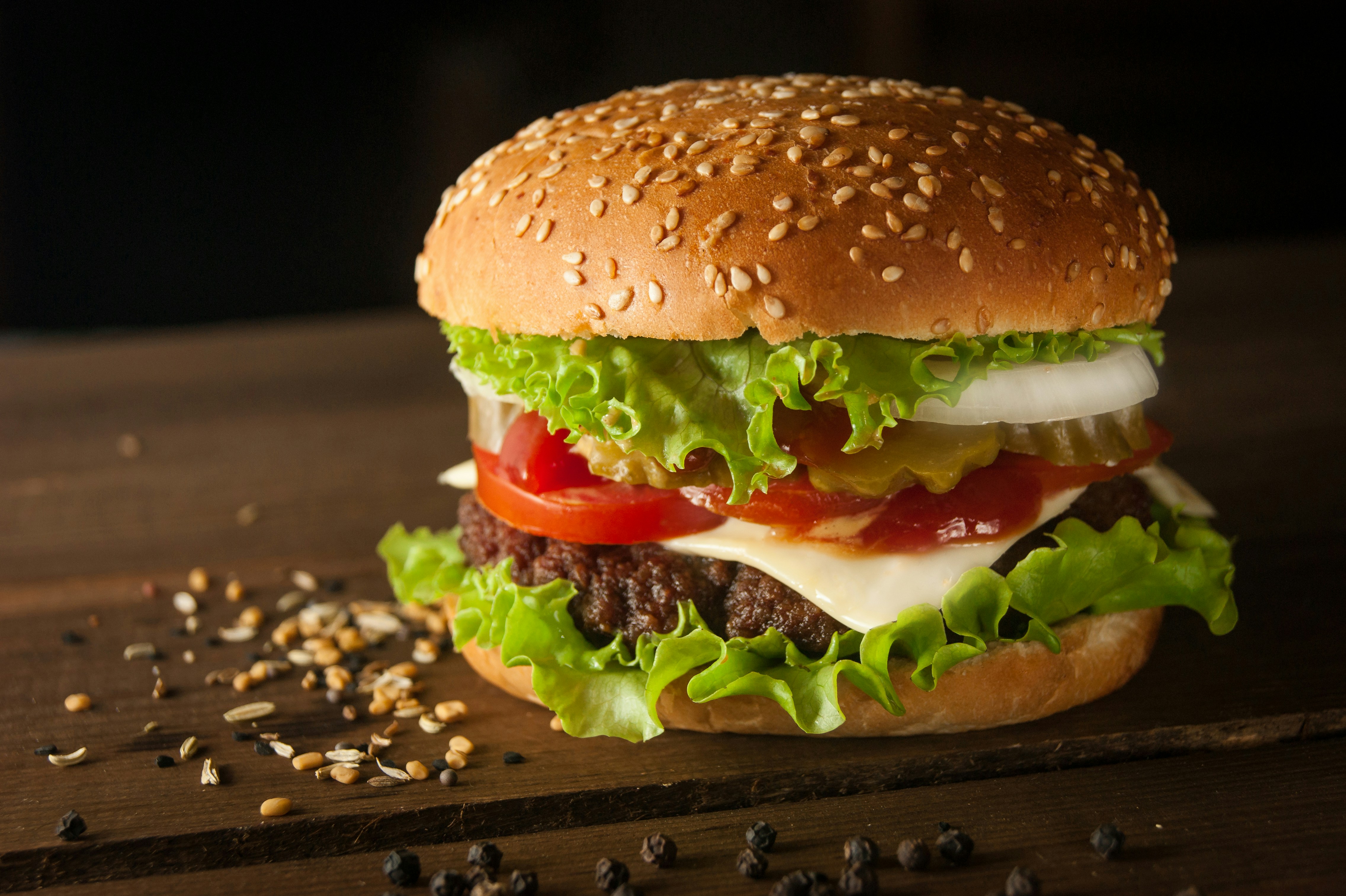
The most resonant moves centered on giving guests what they already showed up for, just more often. Freddy’s leaned into permanence for its top LTOs, a grounded way to reward preference while easing choice fatigue. On the growth end, Shake Shack matched momentum with credibility, new shakes and measured comp gains that make innovation feel earned. Recognition flowed to Burger King, where co-creation translated into industry acclaim. It’s a thoughtful lesson: when R&D listens, the menu reads as confident rather than crowded, and the experience lands as balanced instead of busy.
Erin Walter, Chief Marketing Officer, framed the permanence strategy clearly: “By making these fan favorites permanent fixtures on our menu, we’re ensuring that our guests can enjoy their preferred items year-round while also providing our franchisees with exciting new offerings to drive sales and guest loyalty.” Analyst Sharon Zackfia highlighted Shake Shack momentum, 22% revenue increase and a 4.3% same-store sales uptick in January 2026, supporting a first-quarter comps outlook of 3% to 5%. Nation’s Restaurant News honored Burger King’s Whopper by You with a MenuMasters award. Each datapoint underlines the same arc: listen closely, iterate cleanly, and let guests co-author the crave.
The rollout calendar tells its own story. Freddy’s locked in permanent menu additions after their March 2025 LTO run. Wendy’s in October 2025 paired Tendy’s chicken tenders with a seasonal Raven’s Blood Frosty, nudging sauce exploration. Burger King opened 2026 with the Ultimate Steakhouse Whopper, onion rings and peppercorn aïoli, while McDonald’s elevated McCrispy Strips to permanent in May and closed the year at 13,706 domestic restaurants. Across the field, Technomic flagged LTOs and value items as crucial traffic drivers, as cultural collaborations, from the Angel Reese Special to a Minecraft Movie meal, kept trials flowing even as In-N-Out stayed resolutely core.
Yet uncertainty lingers. USDA projections point to 2026 per capita beef disappearance of 59.5 pounds, up from 59.2 in 2025, steady demand even as ground beef hovers near $6.75 per pound. The timing of herd replenishment, and relief on costs, remains unclear, keeping pricing and menu strategy on shifting ground. The near-term path is set: continue balancing innovation with core stability, lean into co-creation and flexible operations, and use permanent enhancements to stabilize loyalty. The year ahead will show which combinations truly deliver durable traffic and margin resilience in a way that feels composed, generous, and thoughtful.