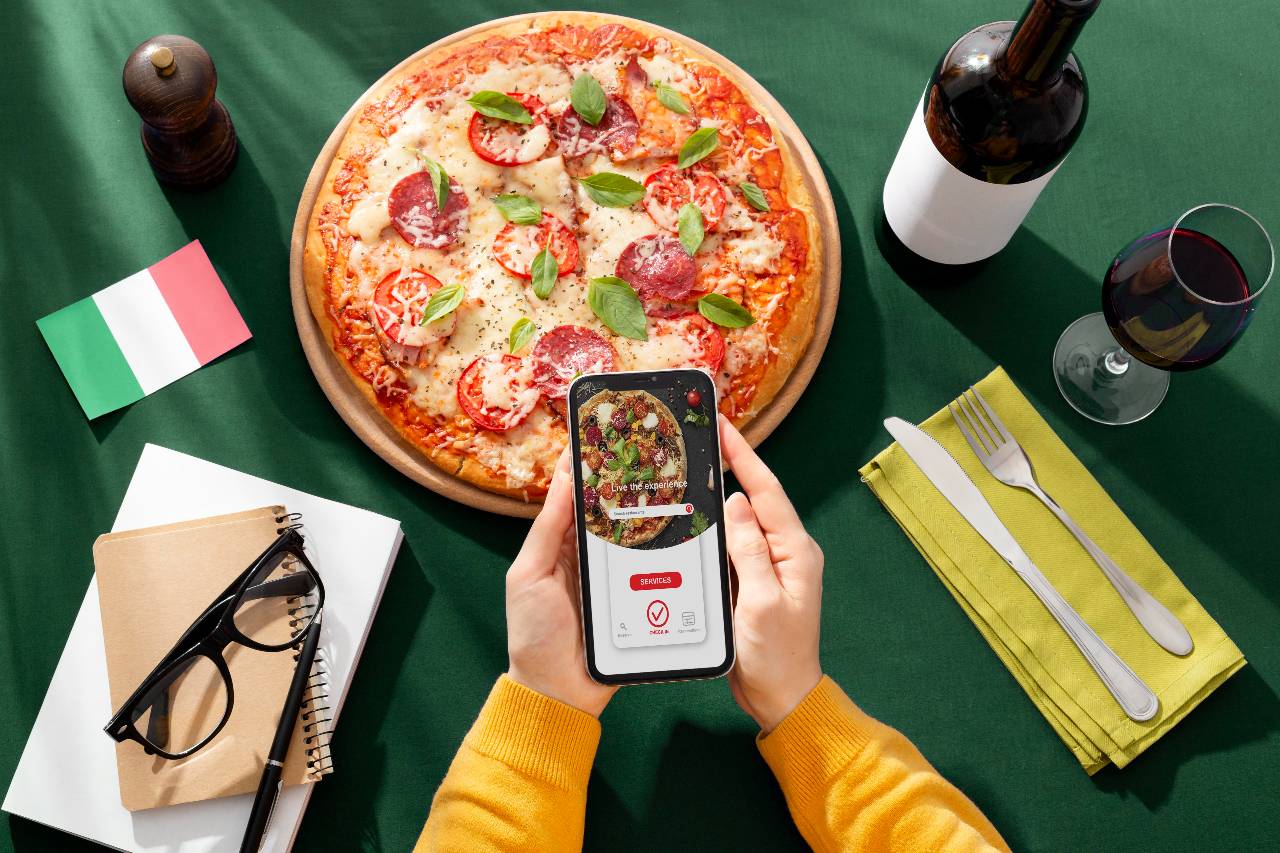
Best Restaurant Marketing Ideas for 2026
This guide outlines restaurant marketing ideas that help operators attract nearby customers, convert demand faster, and strengthen long-term retention.
marketing ideas
Apr 16, 2026
This guide outlines restaurant marketing ideas that help operators attract nearby customers, convert demand faster, and strengthen long-term retention.
Apr 16, 2026

A clear host training process helps restaurants manage greetings, waitlists, reservations, seating decisions, and guest communication more consistently.
Apr 15, 2026
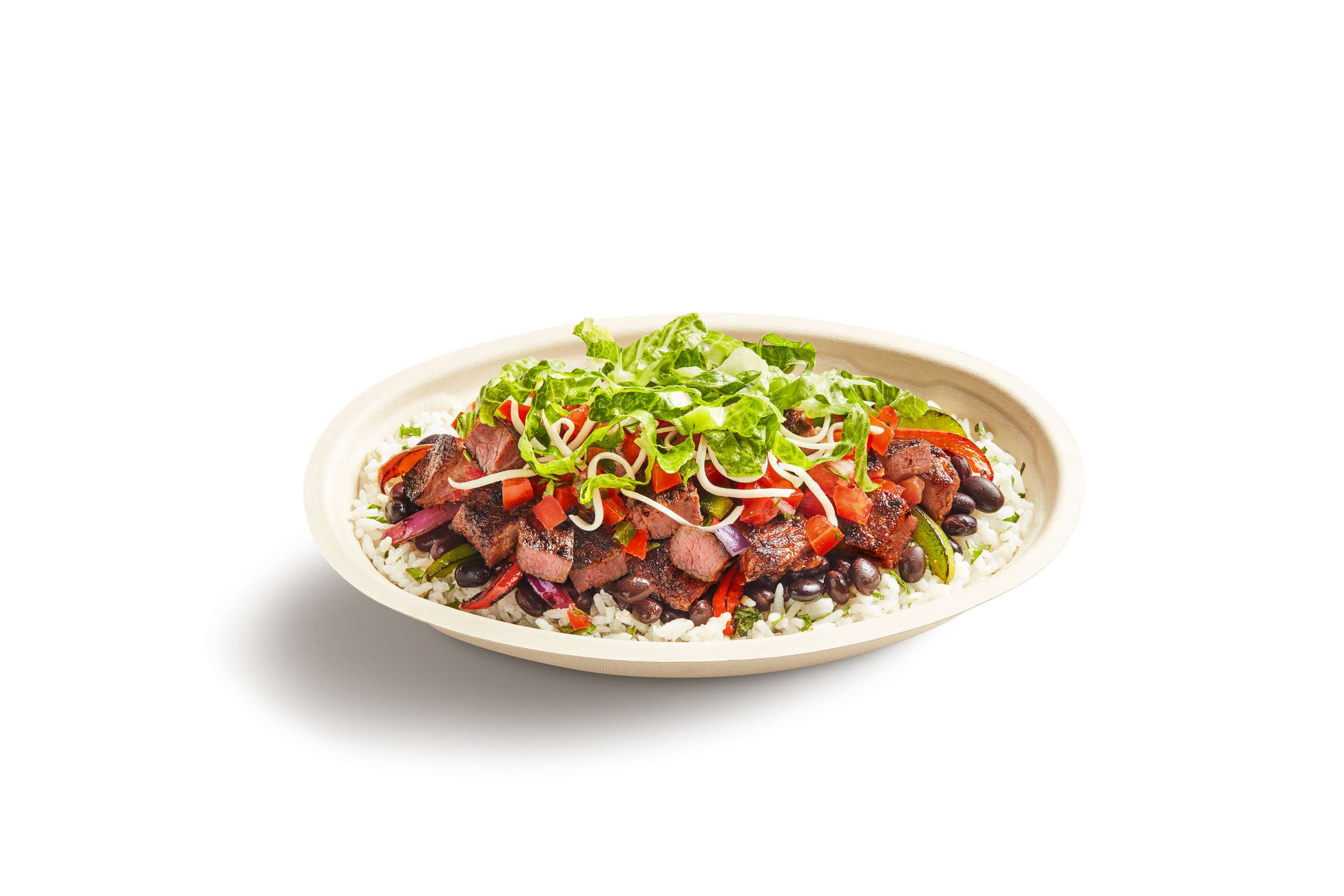
Chipotle reshapes loyalty with Rewards on Repeat, blending in-store promotions, staff incentives, and simpler redemption to boost traffic.
Apr 16, 2026
Photo by Salah Ait Mokhtar on Unsplash
A refined look at Papa Murphy’s strategy as MTY guides a cautious turnaround amid a crowded pizza landscape—digital play, local marketing, and a new Detroit-style offering.
Apr 16, 2026
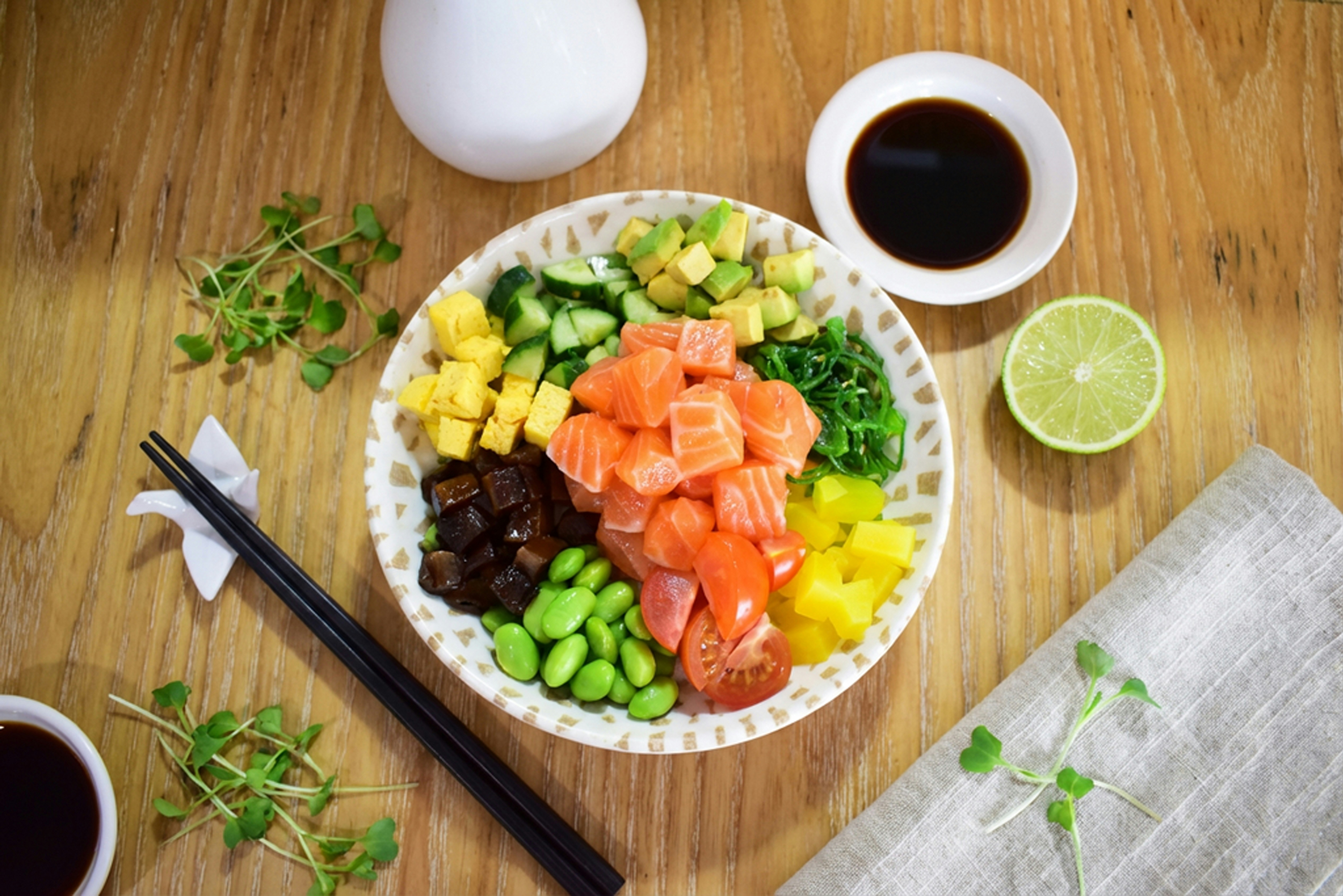
Photo by Sergio Mena Ferreira on Unsplash
Mo’ Bettahs leaves Kansas City as it pivots to a PE-backed national expansion to Phoenix, Indianapolis, and Minneapolis.
Apr 16, 2026
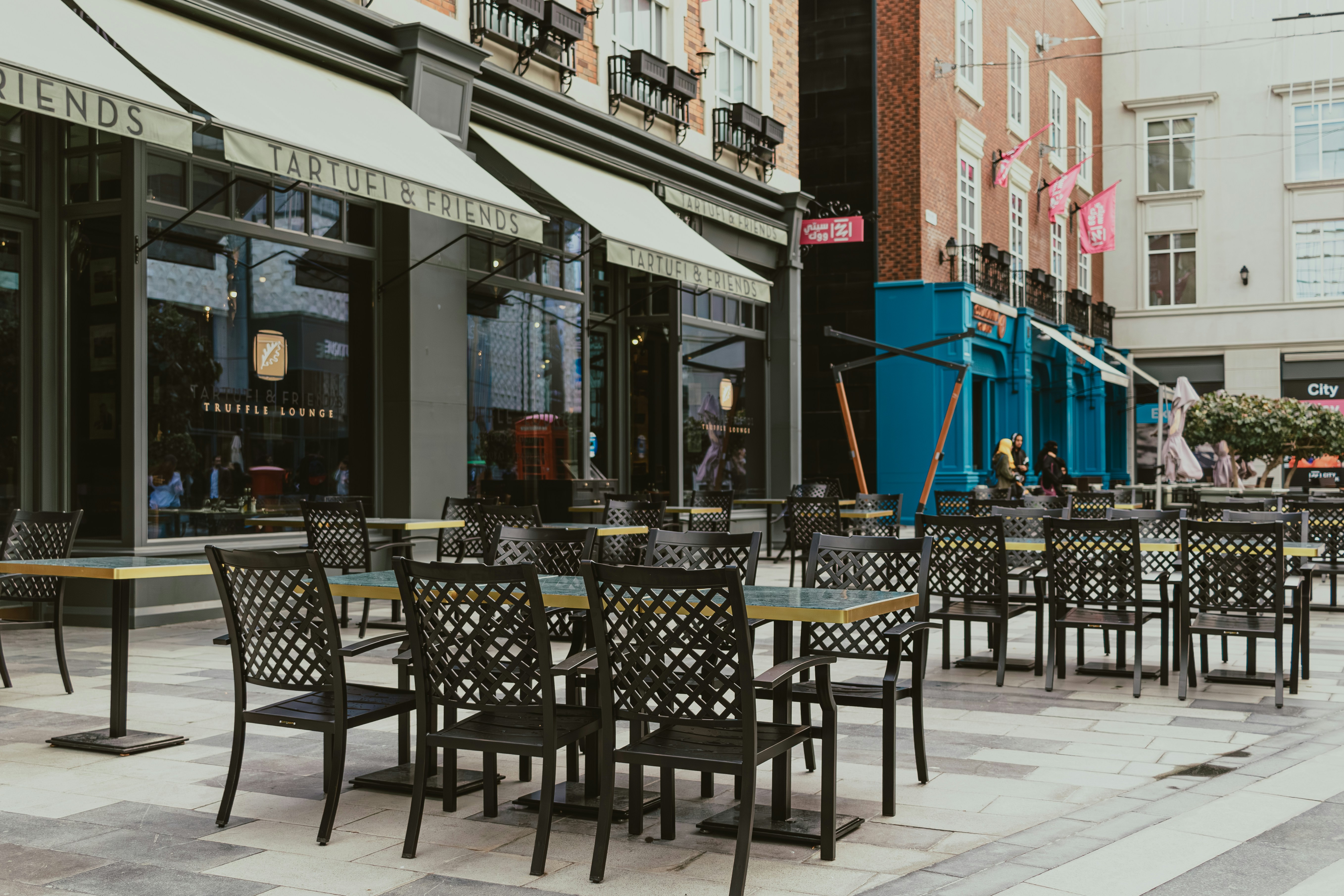
Photo by Kate Trysh on Unsplash
Applebee’s O-M-Cheese Burger fuses spectacle with value, driving social buzz and foot traffic—a signal for the skillet-cheese moment in casual dining.
Apr 16, 2026

Photo by Diego Mattevi on Unsplash
GoTo Foods taps Misra and Lambert to harmonize digital momentum with disciplined development across seven brands, aiming for stronger guest experiences and franchisee economics.
Apr 16, 2026
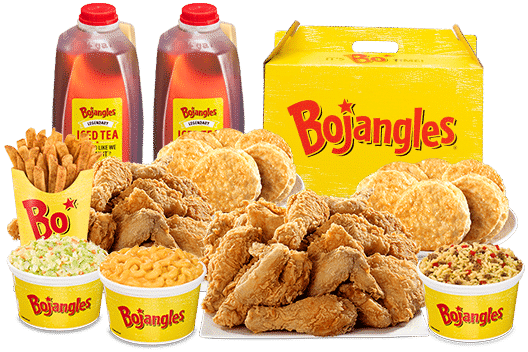
Bojangles launches Bo’s Chicken Rippers in an eight-week pilot, turning bites into a hands-on, sauce-forward experience with interactive, tear-apart slabs.
Apr 16, 2026
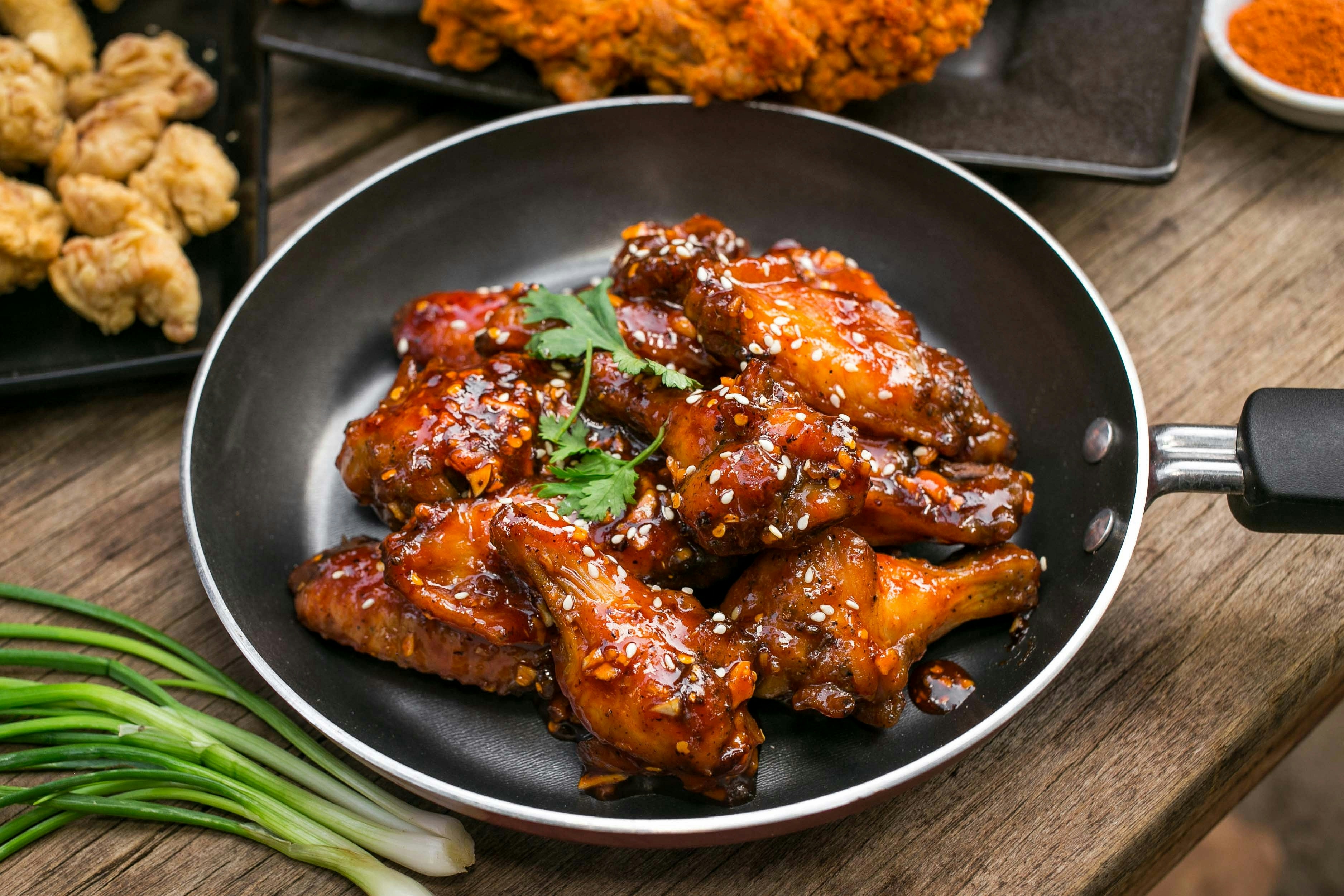
Photo by Jim Sosengphet on Unsplash
Popeyes teams with One Piece for a limited menu and merch drop, blending bold flavors with anime fandom to boost traffic and loyalty.
Apr 16, 2026
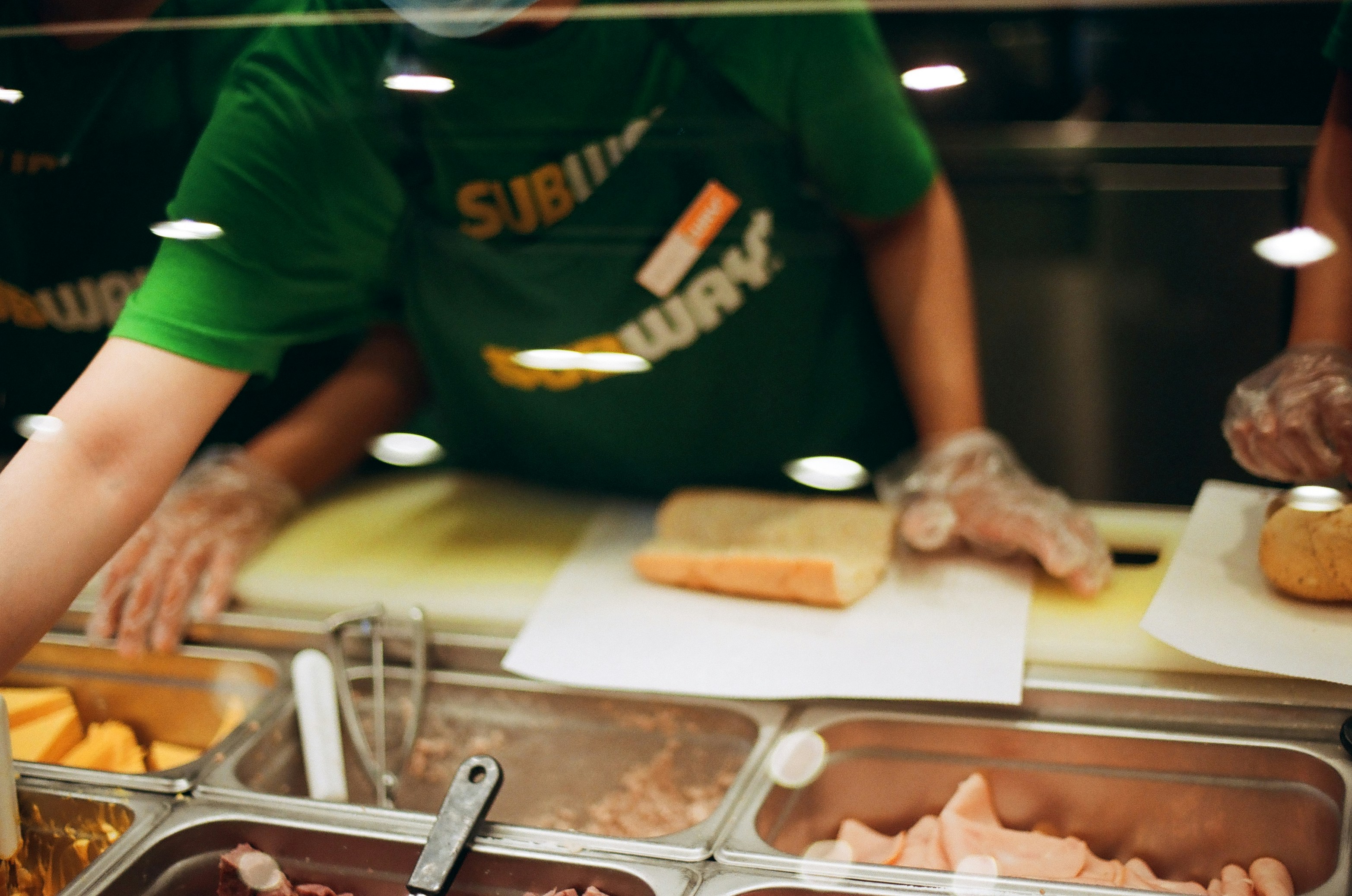
Photo by dedy kurniawan on Unsplash
A close look at Jersey Mike’s rapid expansion, leadership shift, and international push under Blackstone’s ownership.
Apr 16, 2026
Explore how restaurant brands are expanding to the East Coast and the impact on franchise development in the industry.
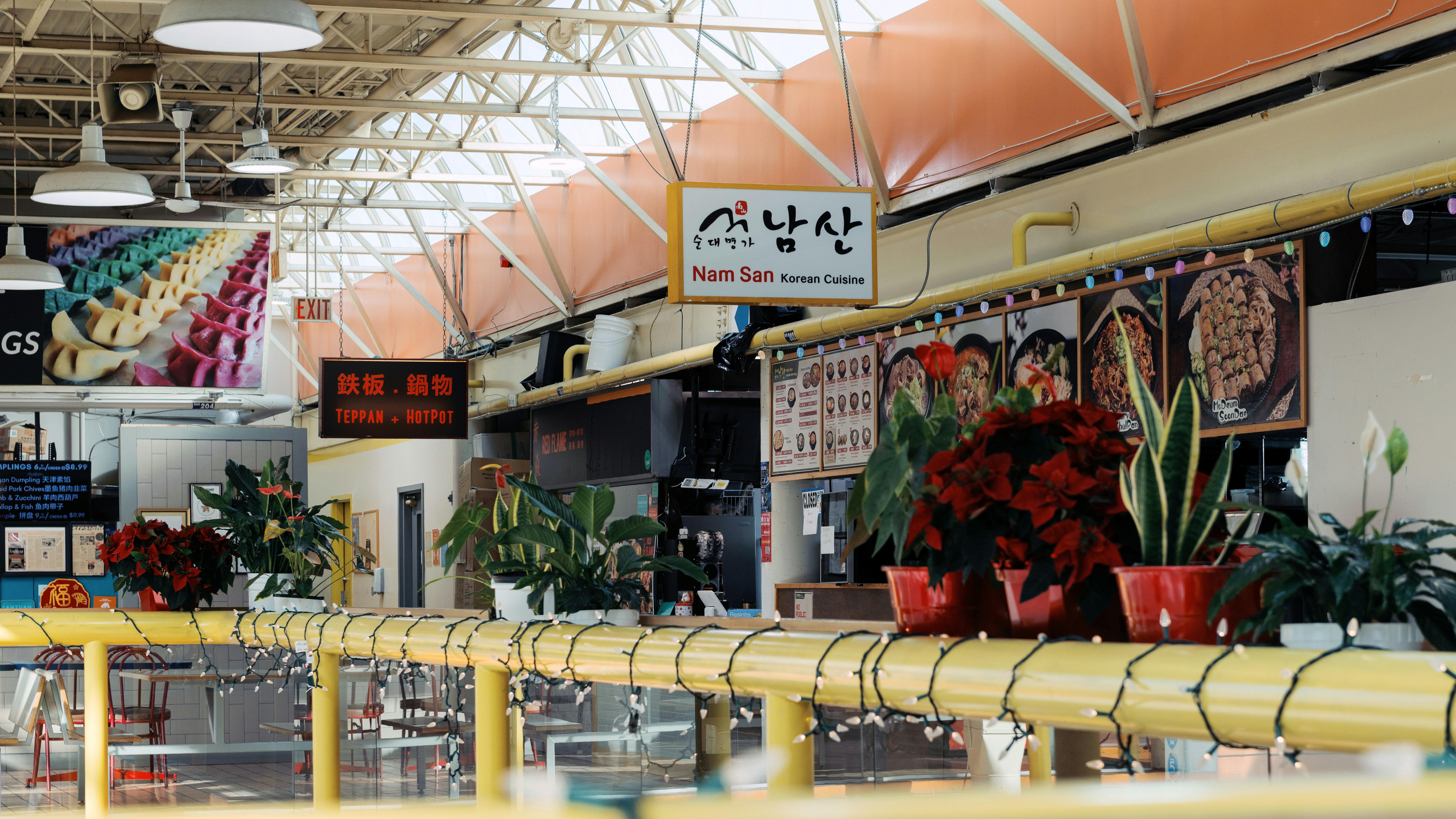
Photo by Albert Stoynov on Unsplash
The restaurant industry is fiercely competitive, and market expansion is a key strategy for brands to grow their footprint and reach new customers. Recent developments showcase a trend of West Coast restaurant chains eyeing the East Coast as a lucrative market for expansion. By moving to new regions, these brands not only tap into a larger customer base but also diversify their presence geographically, reducing dependency on specific markets.
Photo by Albert Stoynov on Unsplash
One notable success story in this expansion strategy is Wienerschnitzel's move into Virginia. The strategic deal with a seasoned operator showcases the brand's commitment to entering new territories with strong partners. Ted Milburn's statement on the partnership emphasizes the confidence in the growth potential of the Virginia market, marking a significant milestone for the brand's expansion plans.
Expanding to the East Coast not only offers brands access to a new customer base but also allows them to diversify their offerings and cater to regional preferences. Brands like Mountain Mike's and Fatburger venturing into Virginia and Florida respectively recognize the importance of adapting to local tastes and preferences, showcasing flexibility in their expansion strategies.
Establishing distribution centers closer to the East Coast, as seen with In-N-Out's distribution center in Tennessee, presents significant logistical advantages. Improved supply chain efficiency and reduced transportation costs can enhance the brand's operational effectiveness, enabling smoother expansion and faster delivery of fresh products to new markets.