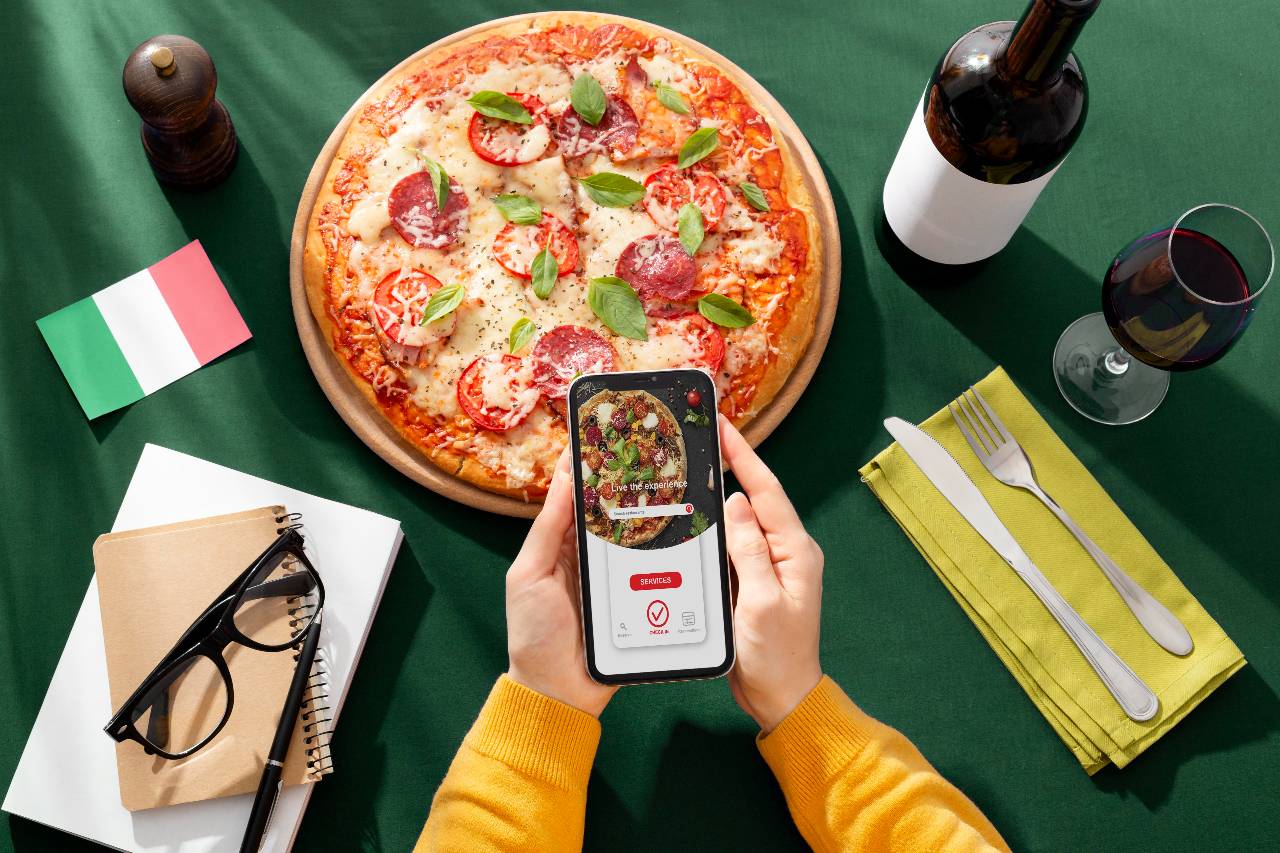
Best Restaurant Marketing Ideas for 2026
This guide outlines restaurant marketing ideas that help operators attract nearby customers, convert demand faster, and strengthen long-term retention.
marketing ideas
Apr 16, 2026
This guide outlines restaurant marketing ideas that help operators attract nearby customers, convert demand faster, and strengthen long-term retention.
Apr 16, 2026

A clear host training process helps restaurants manage greetings, waitlists, reservations, seating decisions, and guest communication more consistently.
Apr 15, 2026
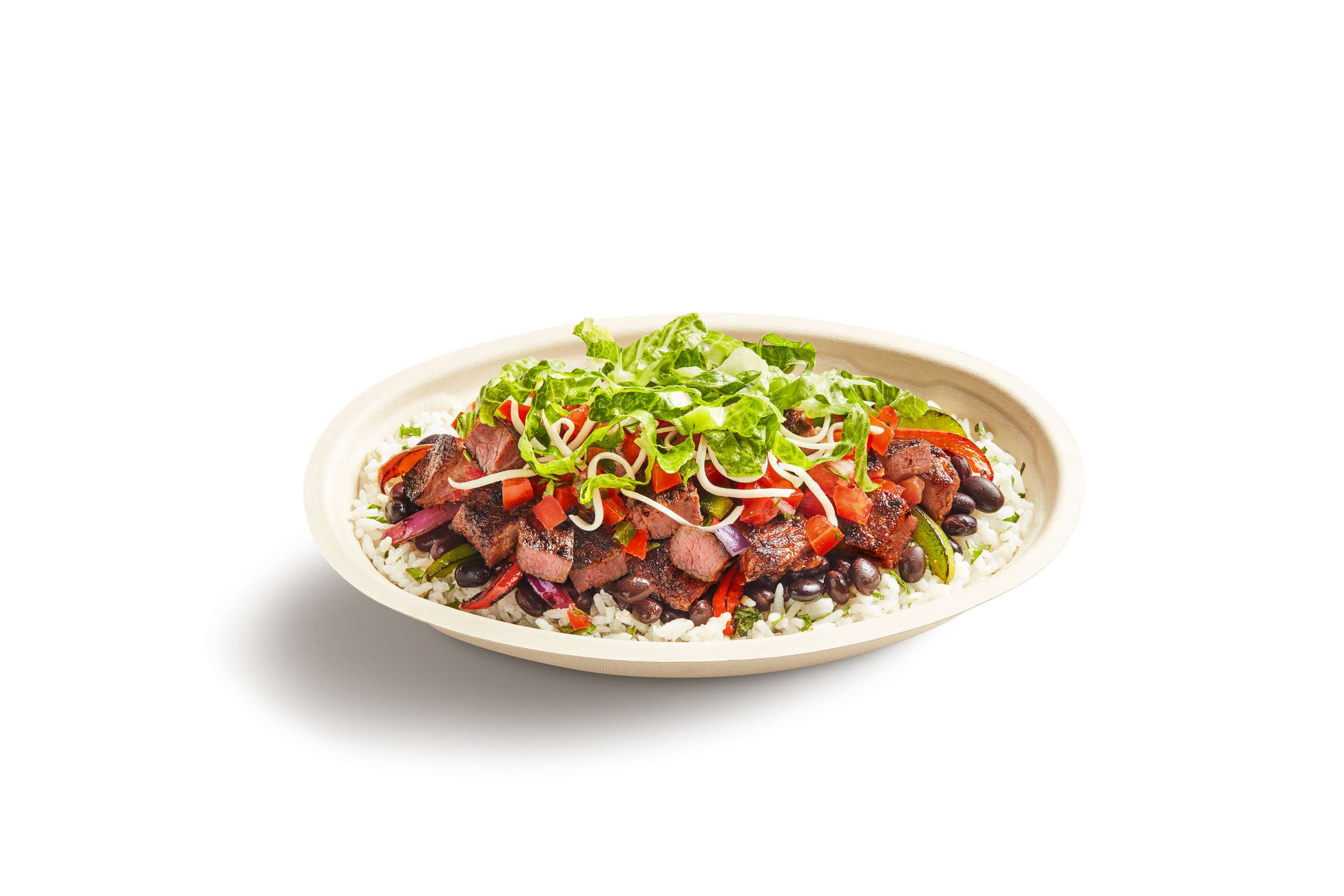
Chipotle reshapes loyalty with Rewards on Repeat, blending in-store promotions, staff incentives, and simpler redemption to boost traffic.
Apr 16, 2026
Photo by Salah Ait Mokhtar on Unsplash
A refined look at Papa Murphy’s strategy as MTY guides a cautious turnaround amid a crowded pizza landscape—digital play, local marketing, and a new Detroit-style offering.
Apr 16, 2026
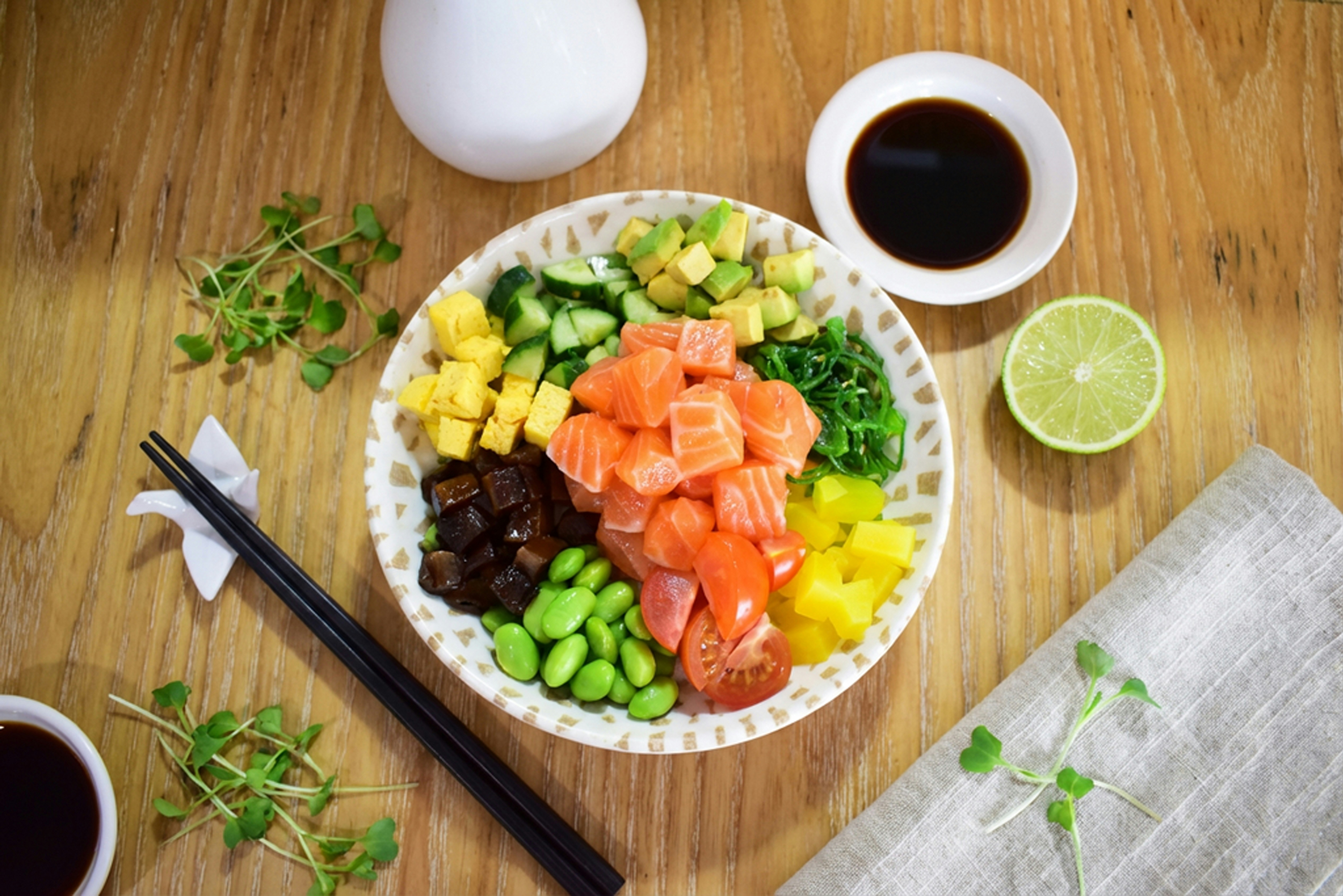
Photo by Sergio Mena Ferreira on Unsplash
Mo’ Bettahs leaves Kansas City as it pivots to a PE-backed national expansion to Phoenix, Indianapolis, and Minneapolis.
Apr 16, 2026
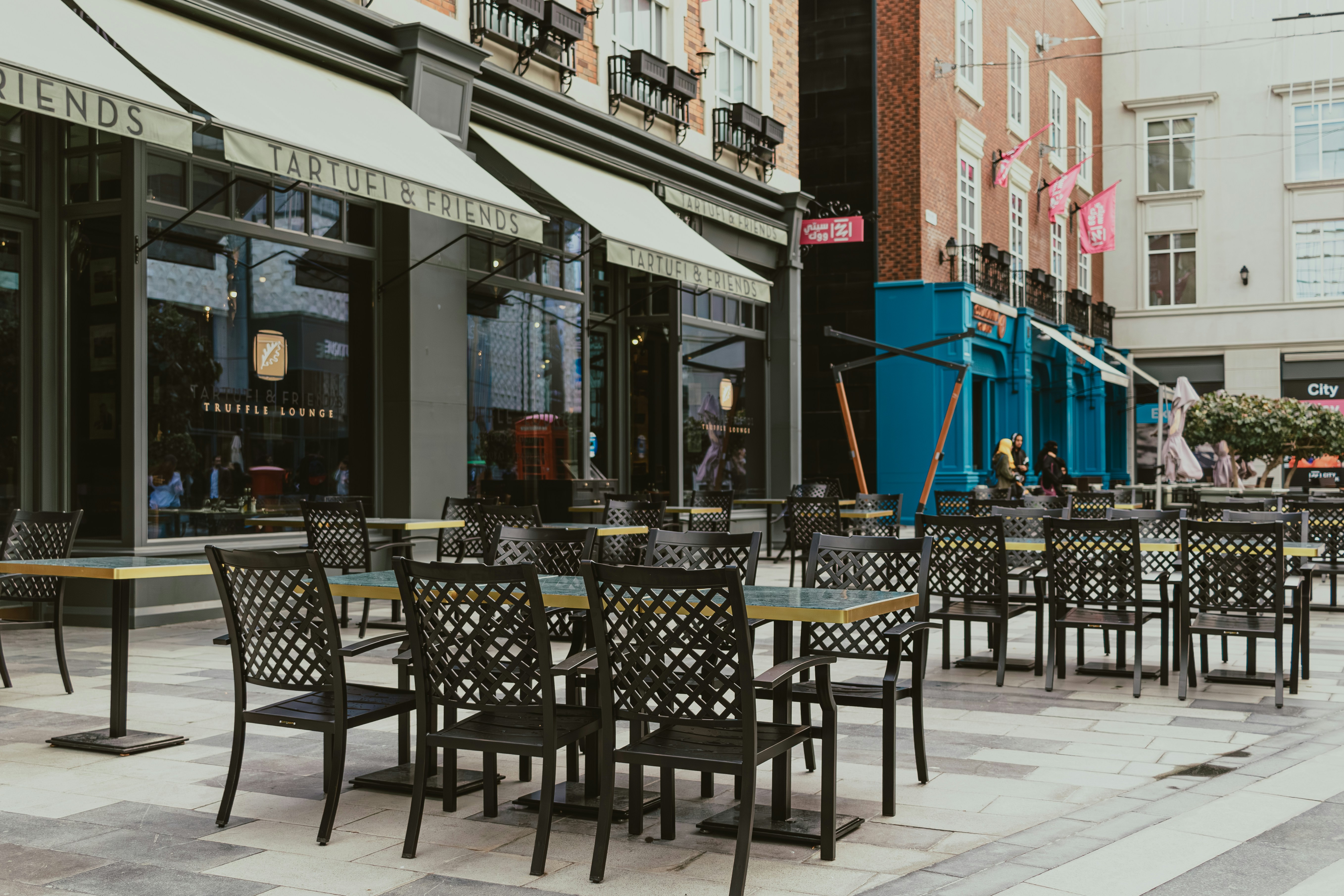
Photo by Kate Trysh on Unsplash
Applebee’s O-M-Cheese Burger fuses spectacle with value, driving social buzz and foot traffic—a signal for the skillet-cheese moment in casual dining.
Apr 16, 2026

Photo by Diego Mattevi on Unsplash
GoTo Foods taps Misra and Lambert to harmonize digital momentum with disciplined development across seven brands, aiming for stronger guest experiences and franchisee economics.
Apr 16, 2026
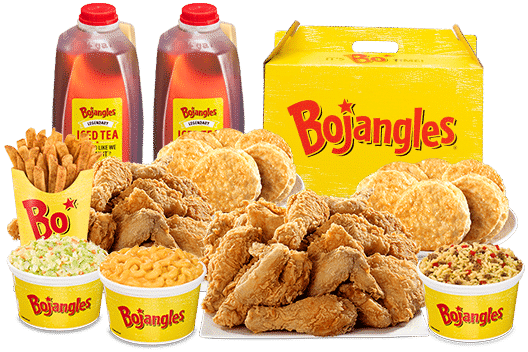
Bojangles launches Bo’s Chicken Rippers in an eight-week pilot, turning bites into a hands-on, sauce-forward experience with interactive, tear-apart slabs.
Apr 16, 2026
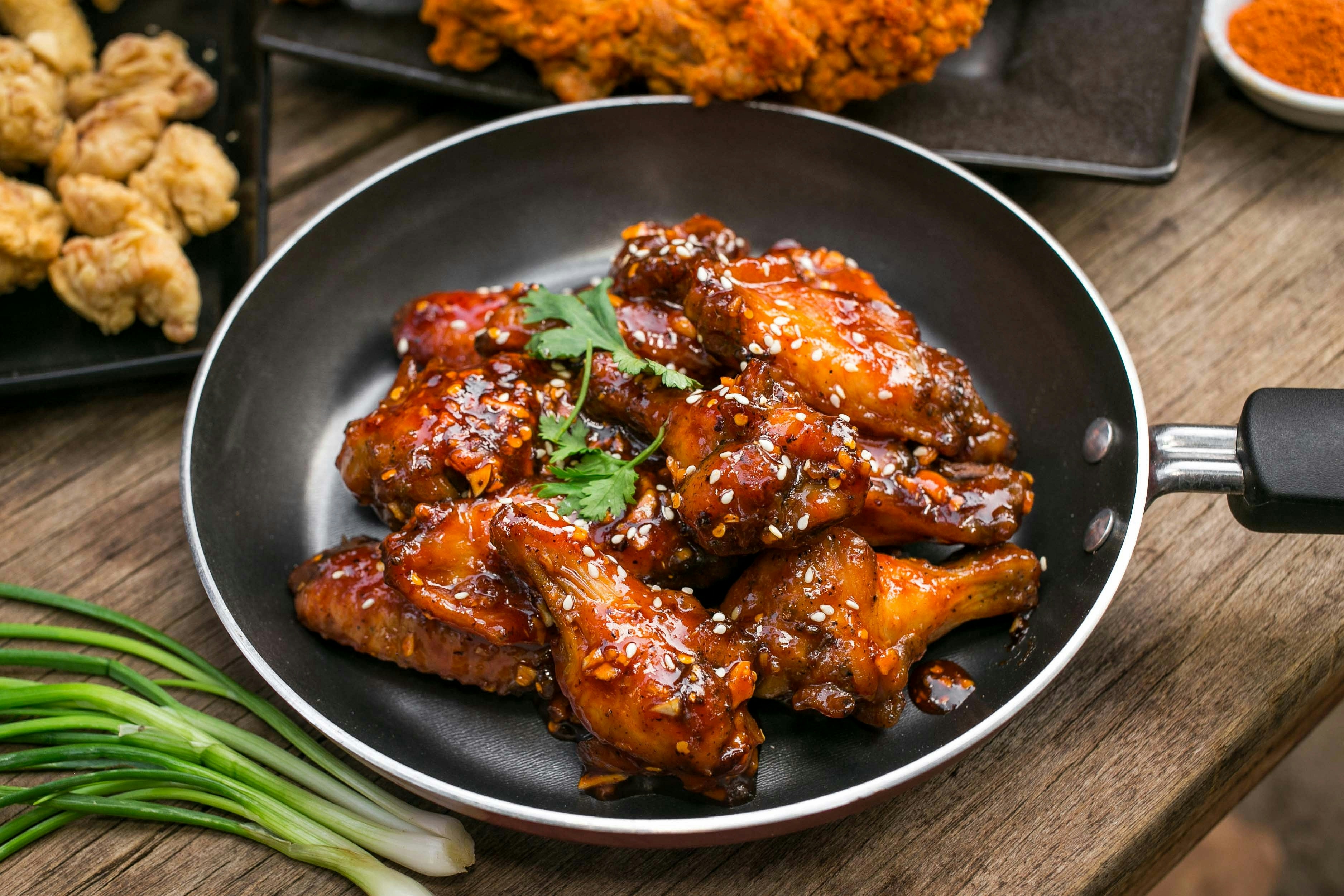
Photo by Jim Sosengphet on Unsplash
Popeyes teams with One Piece for a limited menu and merch drop, blending bold flavors with anime fandom to boost traffic and loyalty.
Apr 16, 2026
Photo by dedy kurniawan on Unsplash
A close look at Jersey Mike’s rapid expansion, leadership shift, and international push under Blackstone’s ownership.
Apr 16, 2026
Explore Taco Bell's decision to allow franchisees to opt out of breakfast, focusing on menu optimization and enhancing lunch options. Discover the impact on the QSR industry and customer preferences.
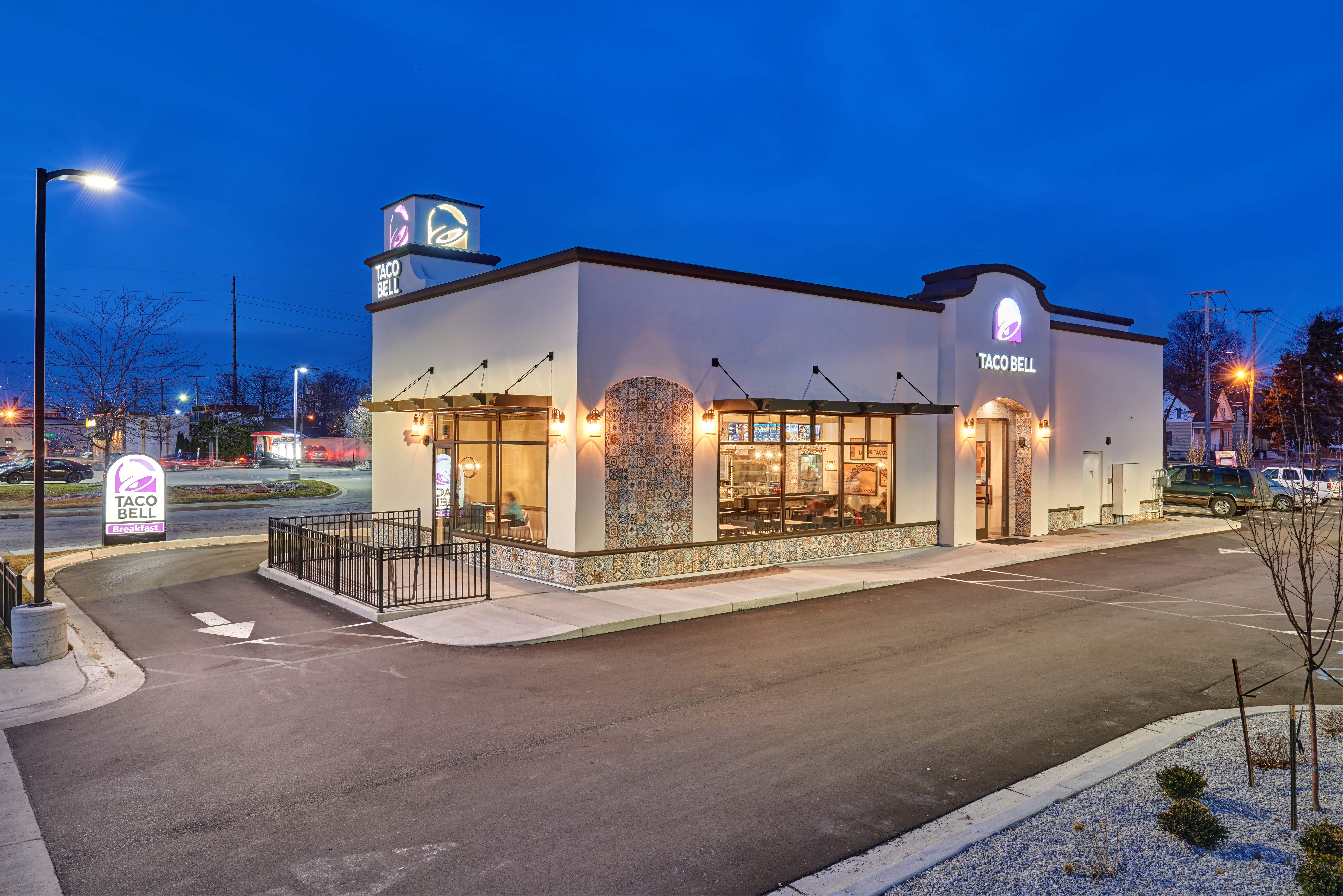
Taco Bell's decision to enable franchisees to opt out of serving breakfast starting in October 2024 marks a strategic shift in the fast-food chain's menu development approach. By offering franchisees the flexibility to streamline their menus and focus on other dayparts, such as lunch and innovative offerings like the Cantina Chicken menu, Taco Bell aims to cater to evolving consumer preferences and operational efficiency.
Executives at Taco Bell have highlighted lunch as a significant growth opportunity for the brand, recognizing the demand for chicken options among younger consumers. During industry events like Live Mas Live, the Chief Marketing Officer, Taylor Montgomery, emphasized the importance of expanding lunch and afternoon offerings, suggesting that a broader chicken-centric menu could enhance customer frequency.
The decision to allow franchisees to opt out of breakfast aligns with Taco Bell's commitment to responding to customer feedback and market trends. By focusing on menu items that resonate with their target audience, the fast-food chain can enhance customer satisfaction and drive business growth. This customer-centric approach is crucial in a competitive quick-service restaurant (QSR) landscape.
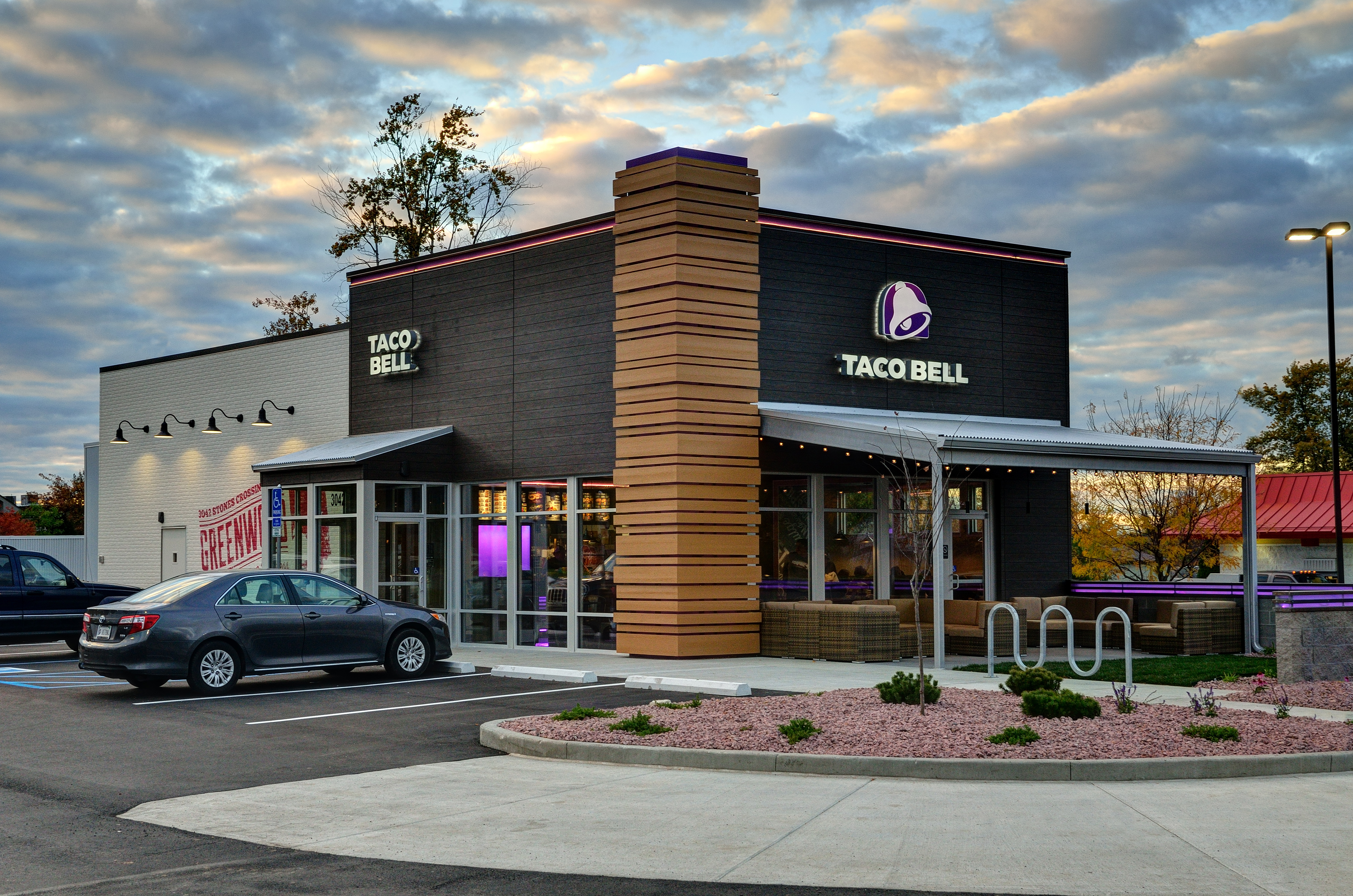
While some franchisees opt out of serving breakfast, Taco Bell continues to see the potential in this daypart, evident through its confidence in breakfast offerings and ongoing performance improvements. The brand's resilience in the breakfast segment, with initiatives like expanding the coffee platform and testing new breakfast items, showcases its commitment to innovation and adaptation.
Taco Bell's menu development strategy and the option for franchisees to skip breakfast could influence the broader QSR industry. As consumer preferences evolve and demand shifts towards specific dayparts and menu items, other fast-food chains might reevaluate their offerings to stay competitive and meet customer expectations. This adaptability is a key factor in navigating the dynamic QSR landscape.
Looking ahead, Taco Bell's move to optimize menus and focus on lunch and innovative menu items reflects a broader trend in the industry towards customization and agility. By constantly testing and evolving their offerings to align with changing consumer behaviors, fast-food brands can stay relevant and drive customer engagement. The ability to adapt quickly to market shifts will be essential for sustained success in the QSR sector.