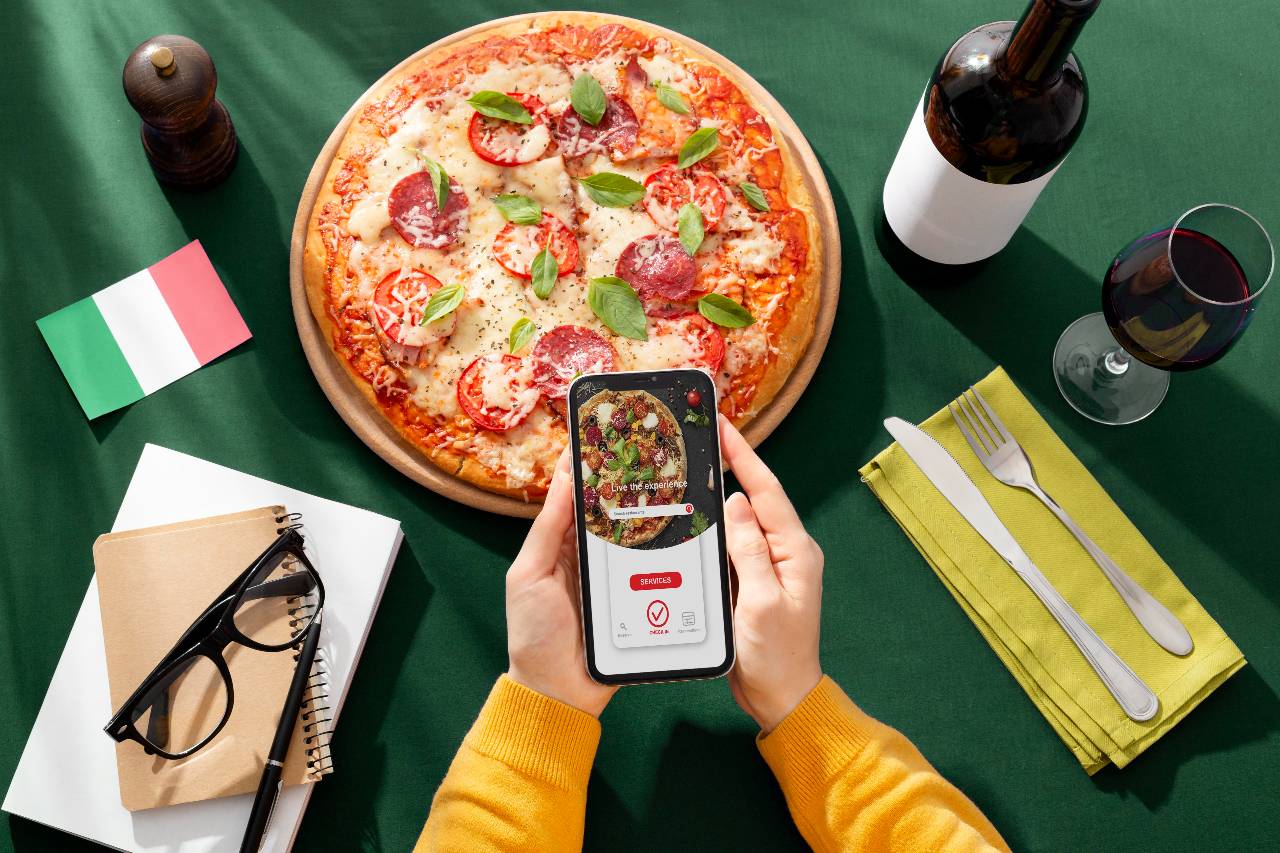
Best Restaurant Marketing Ideas for 2026
This guide outlines restaurant marketing ideas that help operators attract nearby customers, convert demand faster, and strengthen long-term retention.
marketing ideas
Apr 16, 2026
This guide outlines restaurant marketing ideas that help operators attract nearby customers, convert demand faster, and strengthen long-term retention.
Apr 16, 2026

A clear host training process helps restaurants manage greetings, waitlists, reservations, seating decisions, and guest communication more consistently.
Apr 15, 2026
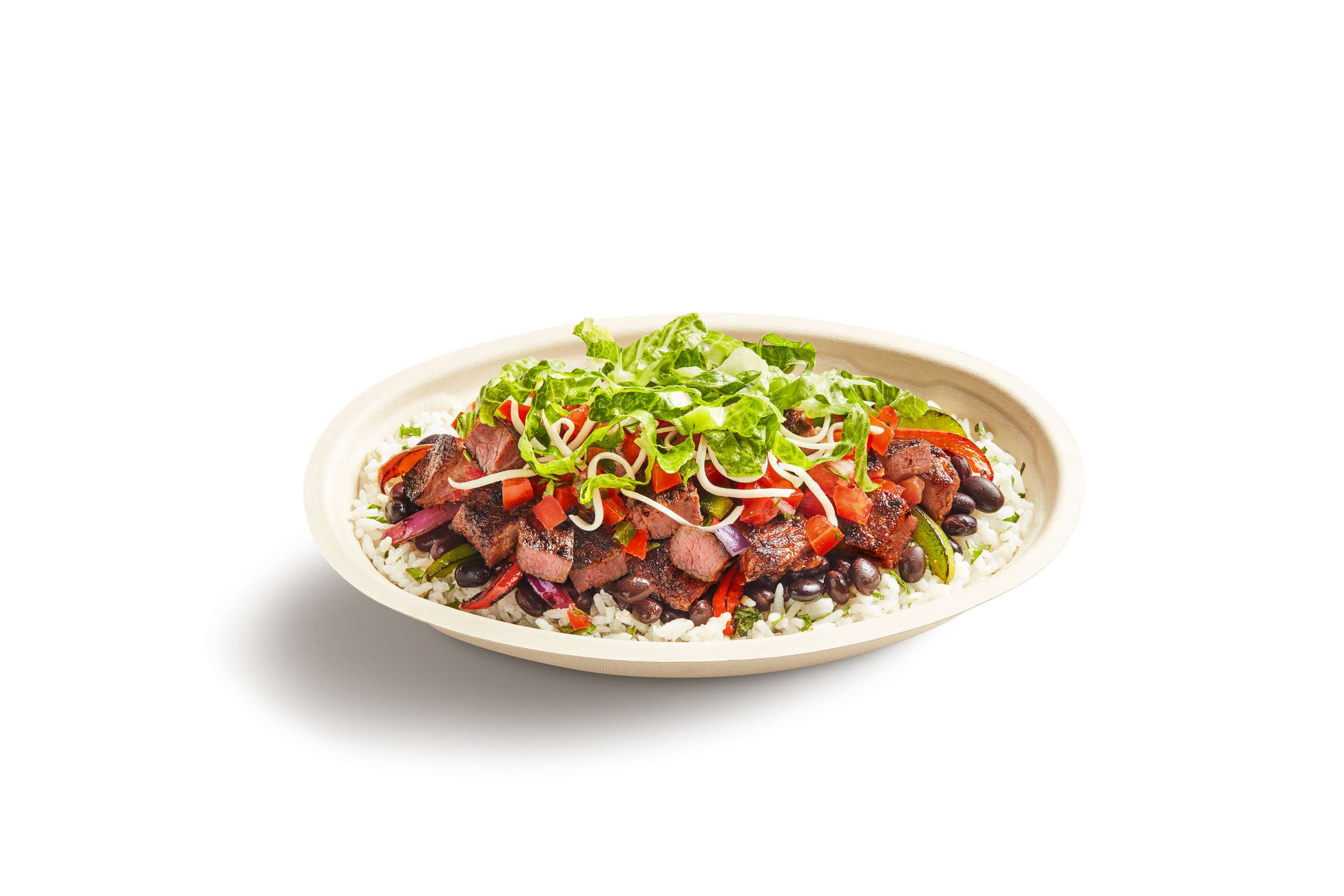
Chipotle reshapes loyalty with Rewards on Repeat, blending in-store promotions, staff incentives, and simpler redemption to boost traffic.
Apr 16, 2026
Photo by Salah Ait Mokhtar on Unsplash
A refined look at Papa Murphy’s strategy as MTY guides a cautious turnaround amid a crowded pizza landscape—digital play, local marketing, and a new Detroit-style offering.
Apr 16, 2026
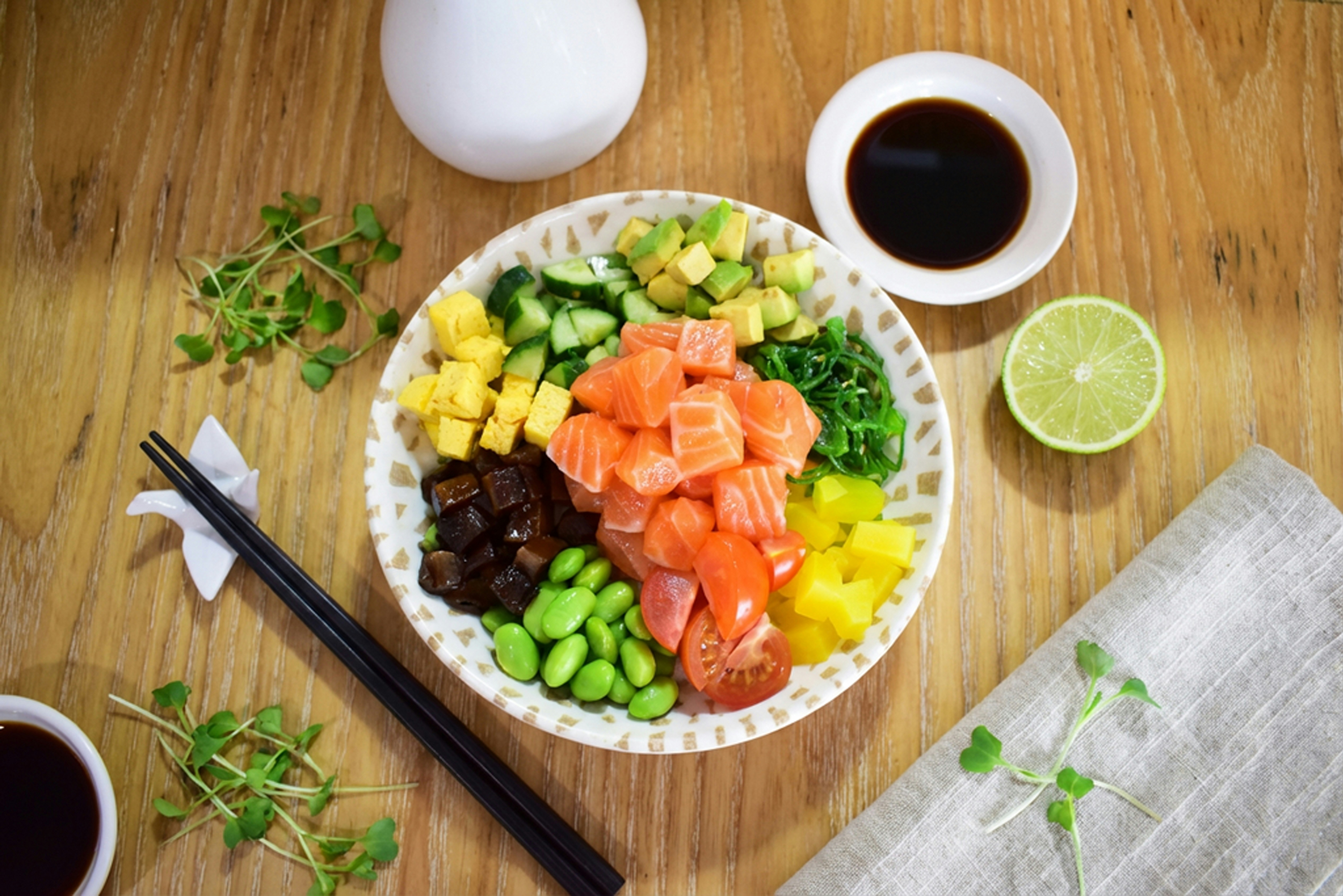
Photo by Sergio Mena Ferreira on Unsplash
Mo’ Bettahs leaves Kansas City as it pivots to a PE-backed national expansion to Phoenix, Indianapolis, and Minneapolis.
Apr 16, 2026
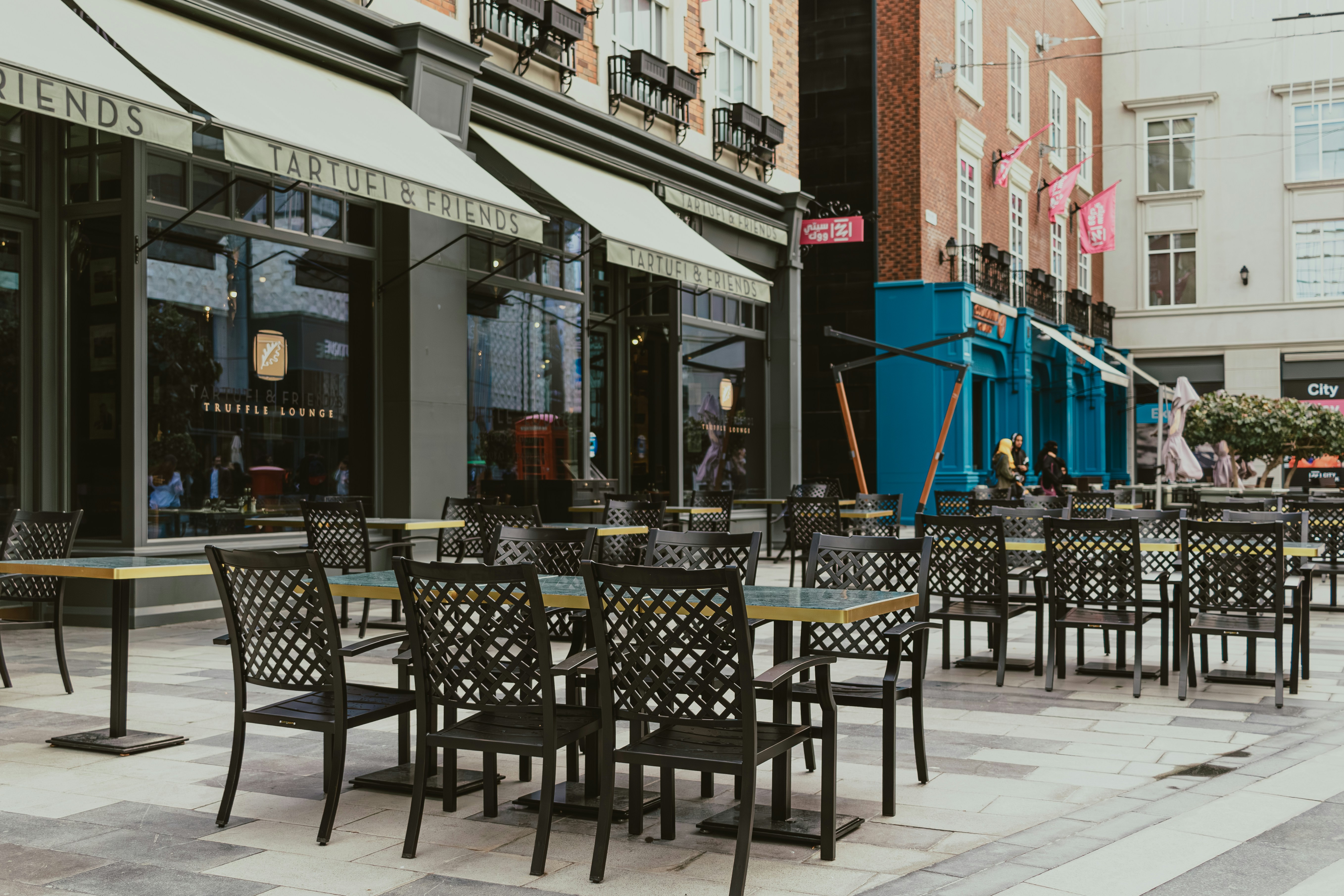
Photo by Kate Trysh on Unsplash
Applebee’s O-M-Cheese Burger fuses spectacle with value, driving social buzz and foot traffic—a signal for the skillet-cheese moment in casual dining.
Apr 16, 2026
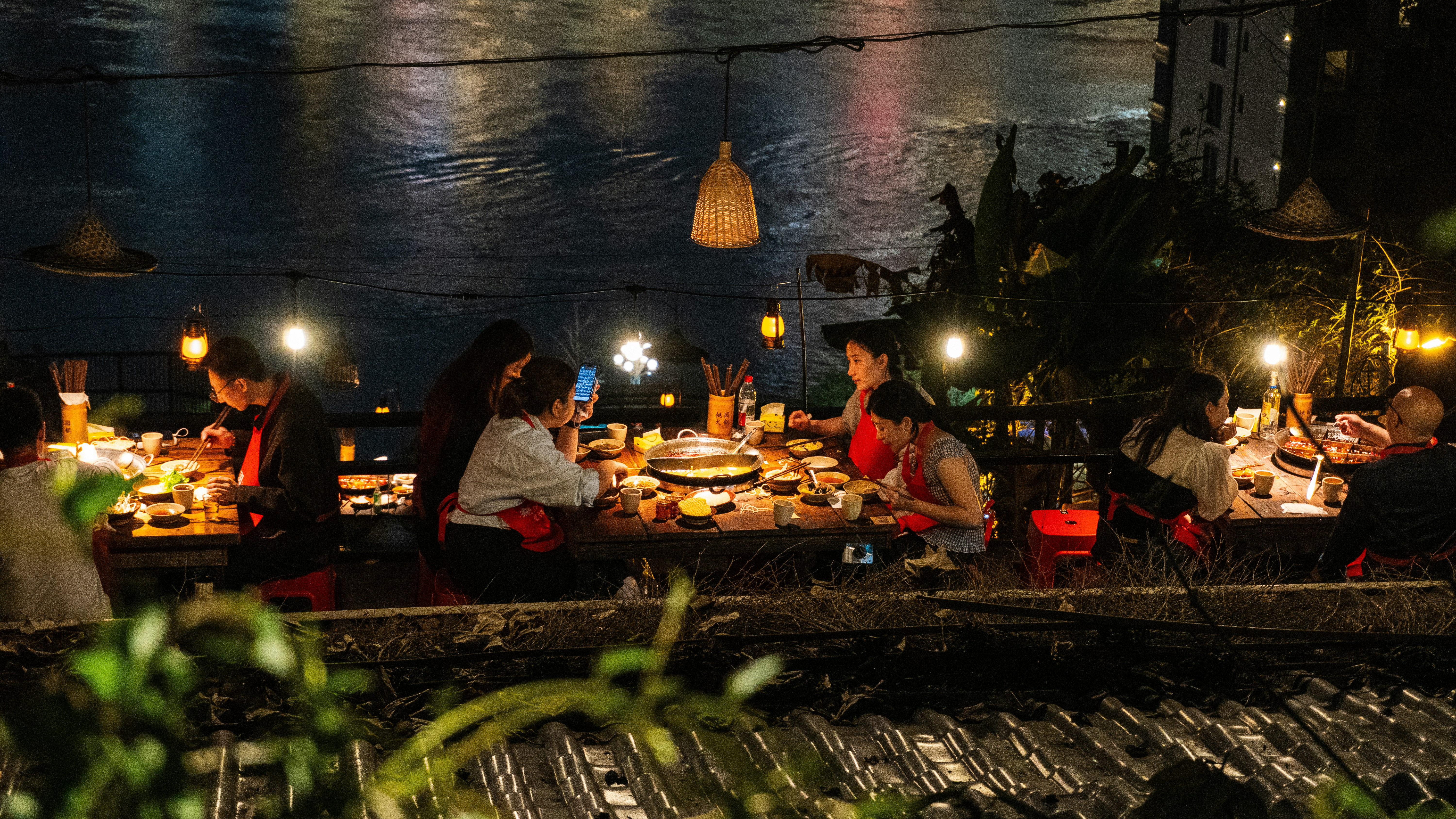
Photo by Diego Mattevi on Unsplash
GoTo Foods taps Misra and Lambert to harmonize digital momentum with disciplined development across seven brands, aiming for stronger guest experiences and franchisee economics.
Apr 16, 2026
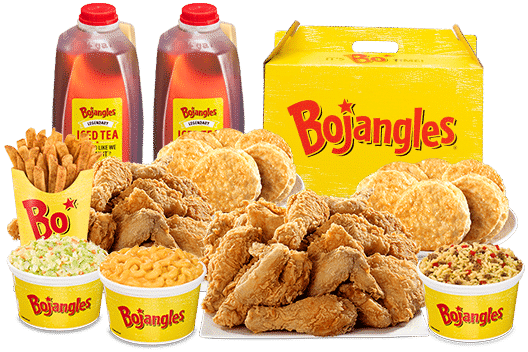
Bojangles launches Bo’s Chicken Rippers in an eight-week pilot, turning bites into a hands-on, sauce-forward experience with interactive, tear-apart slabs.
Apr 16, 2026
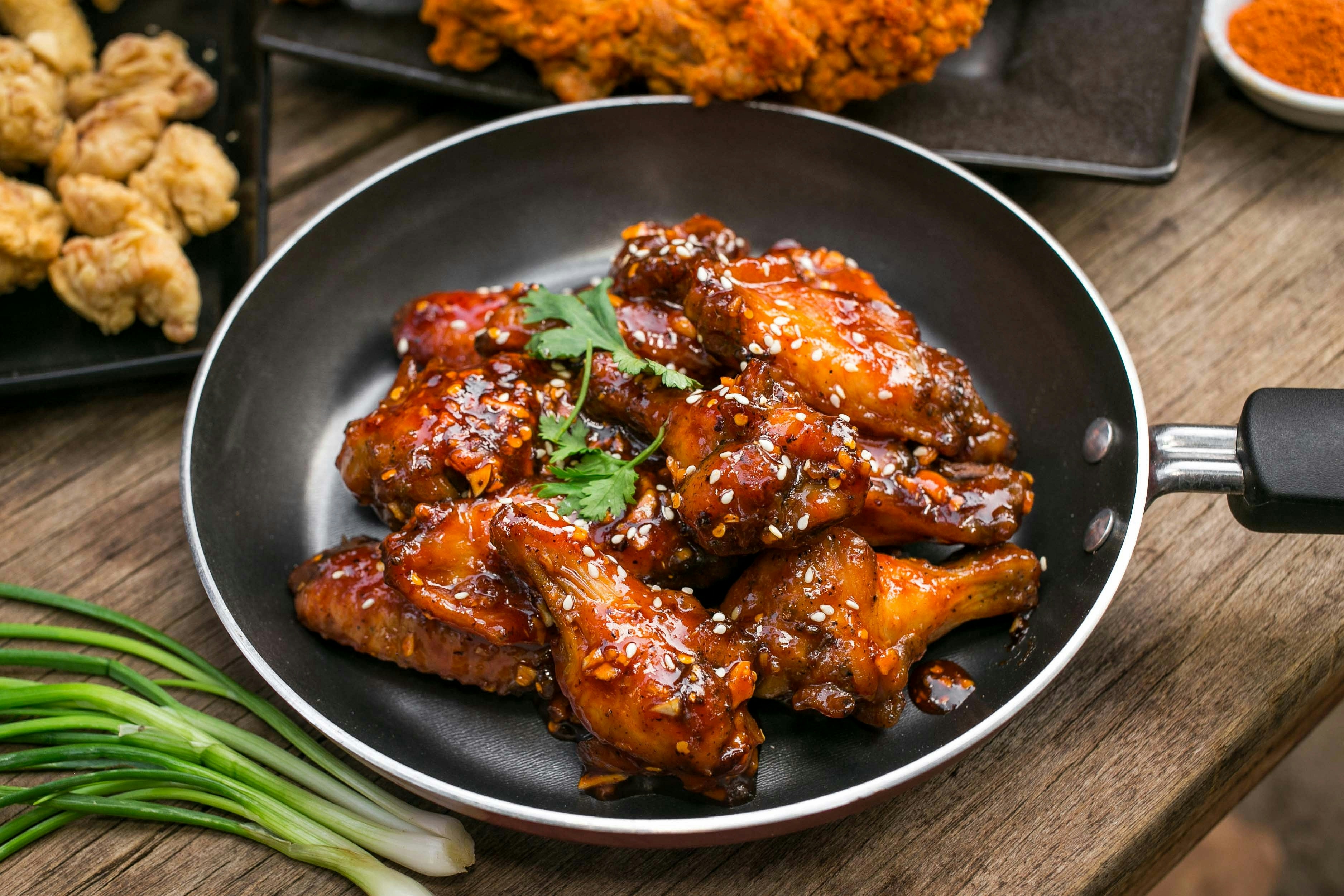
Photo by Jim Sosengphet on Unsplash
Popeyes teams with One Piece for a limited menu and merch drop, blending bold flavors with anime fandom to boost traffic and loyalty.
Apr 16, 2026
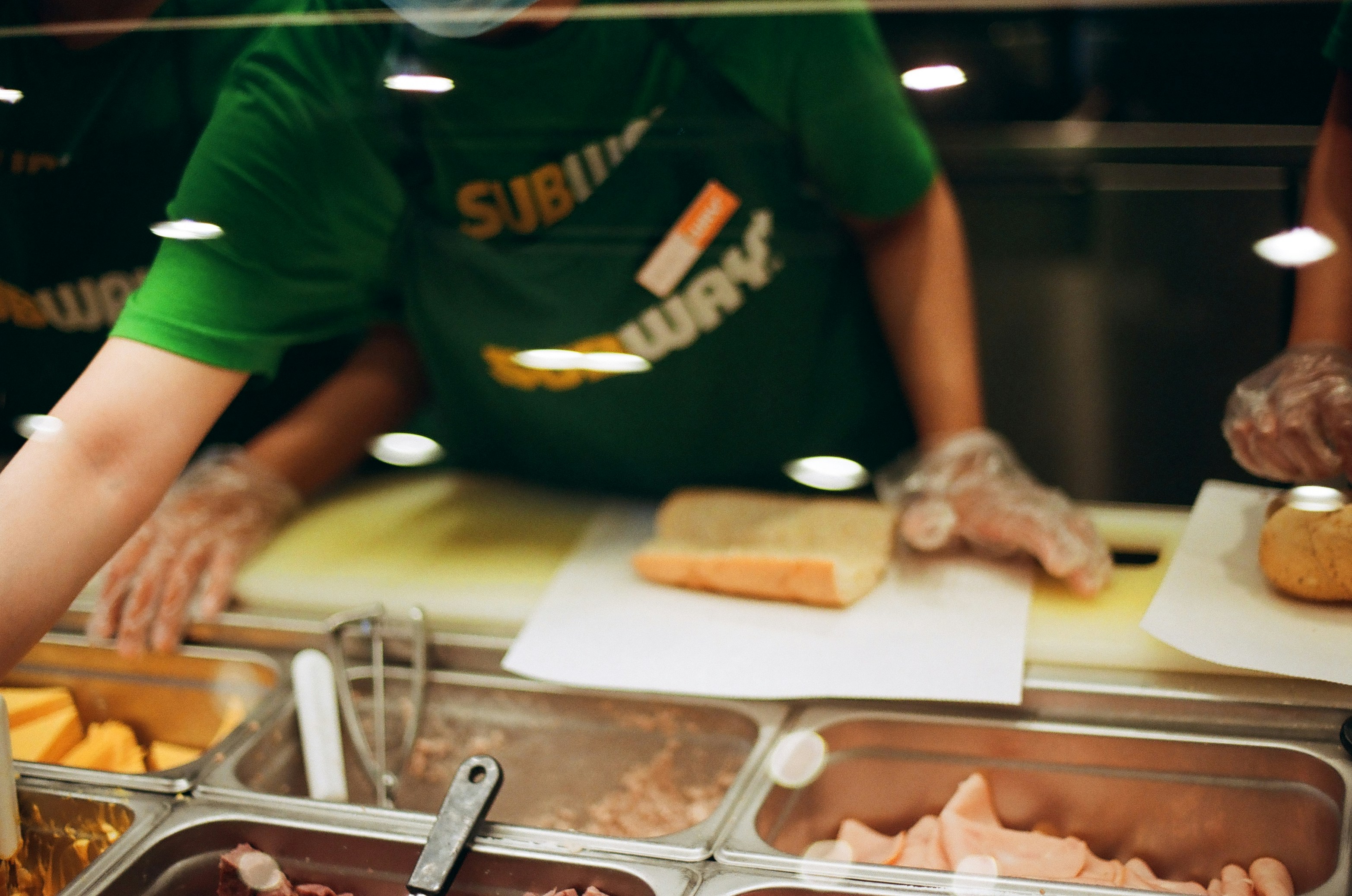
Photo by dedy kurniawan on Unsplash
A close look at Jersey Mike’s rapid expansion, leadership shift, and international push under Blackstone’s ownership.
Apr 16, 2026
Discover how Starbucks revamped its menu by simplifying and introducing flat fees for customization, along with insights into its pricing strategy.
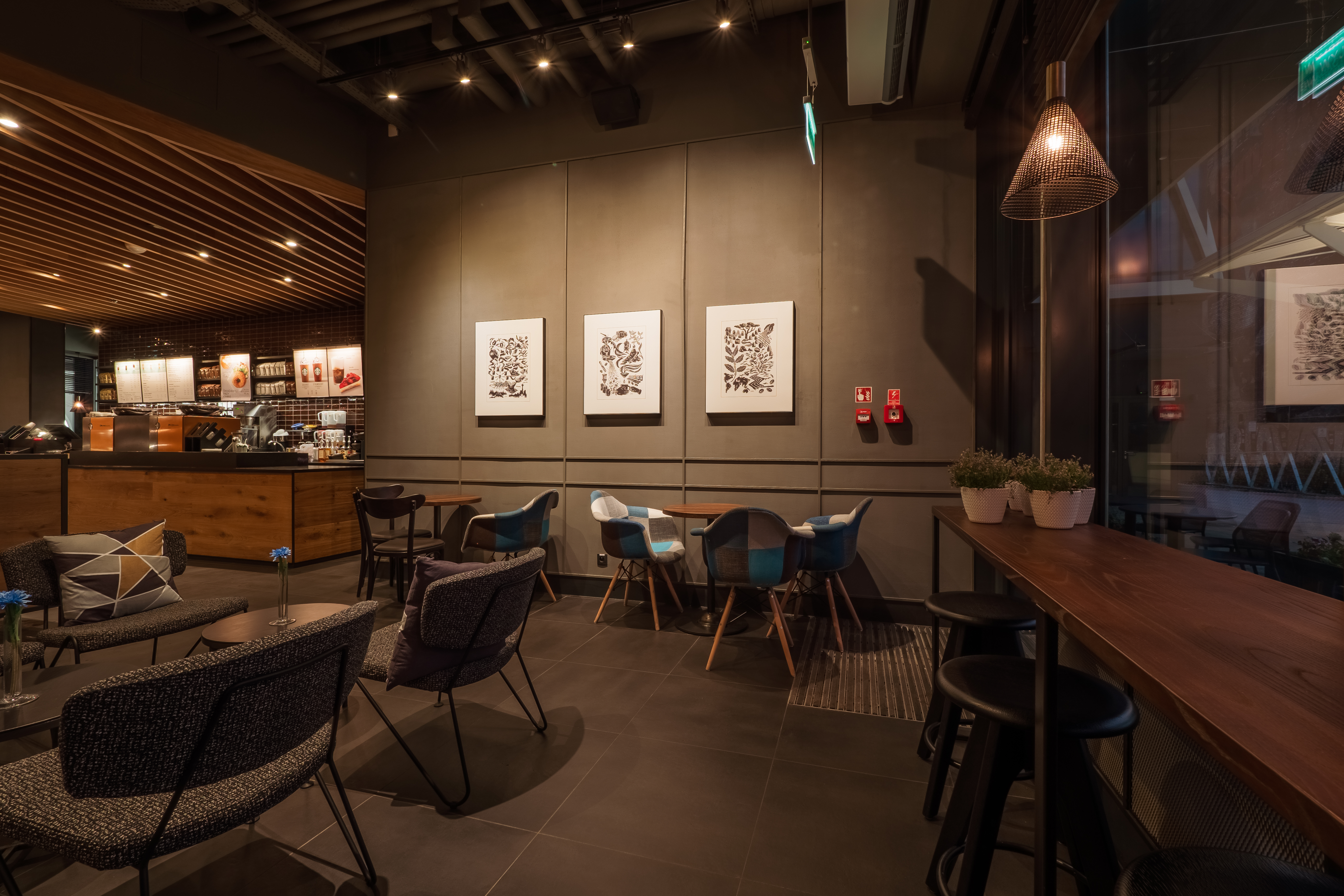
Upon CEO Brian Niccol's joining Starbucks, the brand initiated a significant shift in its pricing and customization strategies. Recognizing the ineffectiveness of discounts in driving traffic, Starbucks aimed to streamline its pricing system. Niccol emphasized the need for transparency, as customers were often surprised by the additional charges for customizations. In response, Starbucks introduced a flat fee for adding sauces or syrup modifiers, simplifying the pricing structure and enhancing clarity for consumers.
In a bid to reduce complexity and improve operational efficiency, Starbucks made decisive moves to declutter its menu. By removing less popular drinks and planning to slim down the menu by 30%, the brand aimed to offer a more focused selection of beverages. This strategic menu simplification not only reduces wait times for customers but also allows baristas to execute orders more swiftly, enhancing overall service quality.
.jpg)
Customers often crafted elaborate drink orders with complex modifiers, leading to challenges in execution and compromising the drink quality. To address this, Starbucks implemented more 'guardrails' for customizations. By guiding customers towards more structured modifications, the chain ensures a smoother ordering process and maintains the integrity of the beverages. This shift also aligns with Niccol's vision of constructing drinks in the most optimal way, focusing on enhancing the overall drink experience.
As part of the revamped pricing strategy, Starbucks introduced additional fees for certain customizations. Customers now incur charges when adding products like chai concentrate, matcha powder, or dried fruit to their orders. By adjusting pricing based on the added components, Starbucks aims to reflect the actual costs associated with these premium additions. For instance, the pricing discrepancy for adding matcha powder to matcha drinks showcases a nuanced approach to pricing based on product type and quantity.