Best Restaurant Marketing Ideas for 2026
This guide outlines restaurant marketing ideas that help operators attract nearby customers, convert demand faster, and strengthen long-term retention.
marketing ideas
Apr 16, 2026
This guide outlines restaurant marketing ideas that help operators attract nearby customers, convert demand faster, and strengthen long-term retention.
Apr 16, 2026

A clear host training process helps restaurants manage greetings, waitlists, reservations, seating decisions, and guest communication more consistently.
Apr 15, 2026
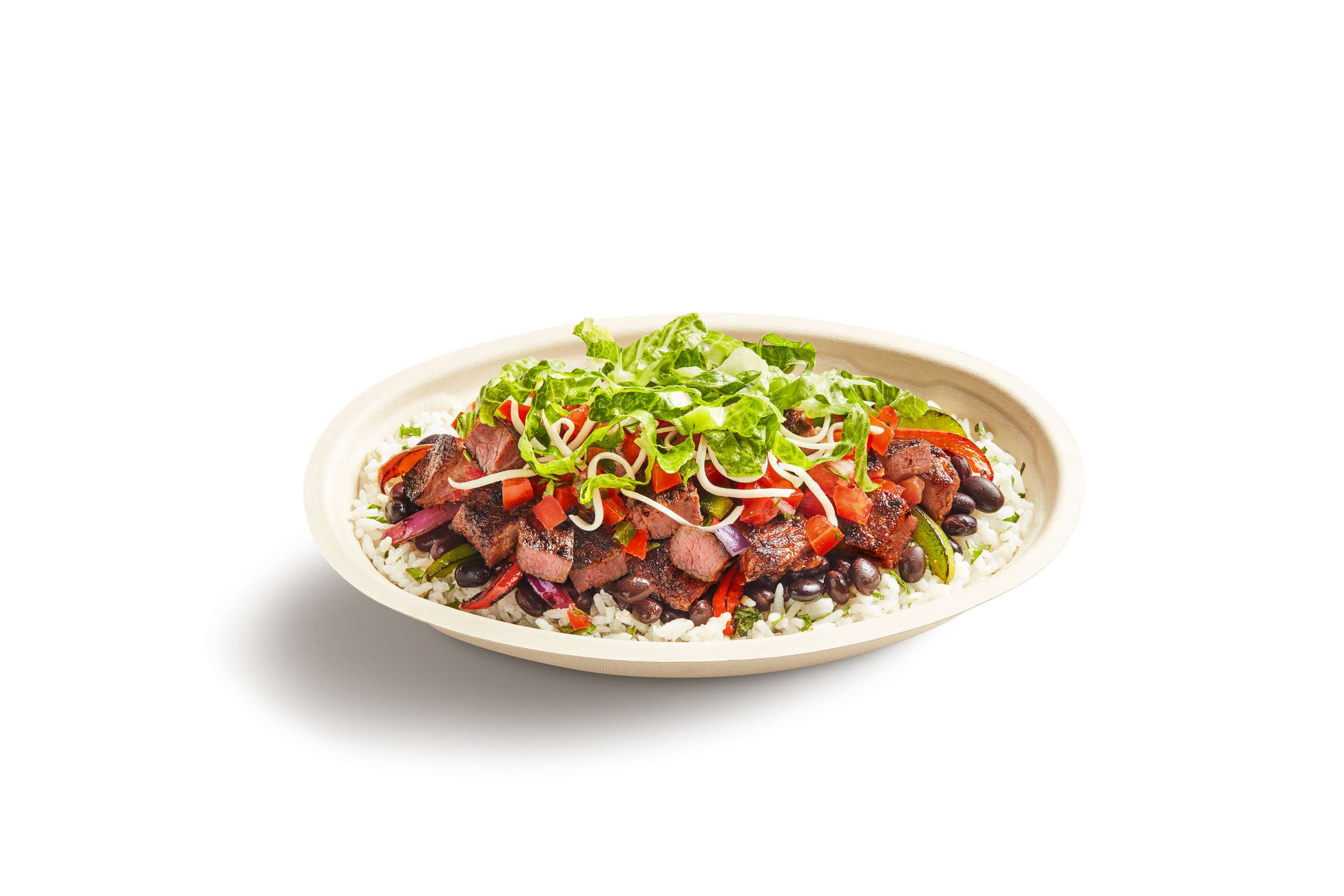
Chipotle reshapes loyalty with Rewards on Repeat, blending in-store promotions, staff incentives, and simpler redemption to boost traffic.
Apr 16, 2026
Photo by Salah Ait Mokhtar on Unsplash
A refined look at Papa Murphy’s strategy as MTY guides a cautious turnaround amid a crowded pizza landscape—digital play, local marketing, and a new Detroit-style offering.
Apr 16, 2026
Photo by Sergio Mena Ferreira on Unsplash
Mo’ Bettahs leaves Kansas City as it pivots to a PE-backed national expansion to Phoenix, Indianapolis, and Minneapolis.
Apr 16, 2026

Photo by Kate Trysh on Unsplash
Applebee’s O-M-Cheese Burger fuses spectacle with value, driving social buzz and foot traffic—a signal for the skillet-cheese moment in casual dining.
Apr 16, 2026

Photo by Diego Mattevi on Unsplash
GoTo Foods taps Misra and Lambert to harmonize digital momentum with disciplined development across seven brands, aiming for stronger guest experiences and franchisee economics.
Apr 16, 2026
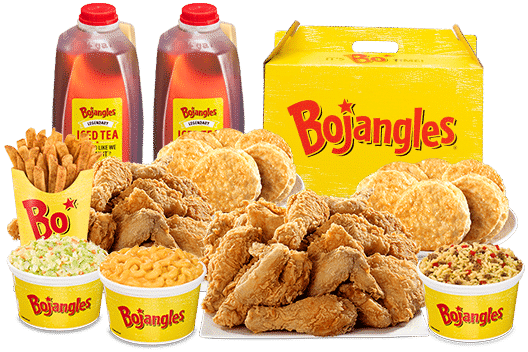
Bojangles launches Bo’s Chicken Rippers in an eight-week pilot, turning bites into a hands-on, sauce-forward experience with interactive, tear-apart slabs.
Apr 16, 2026
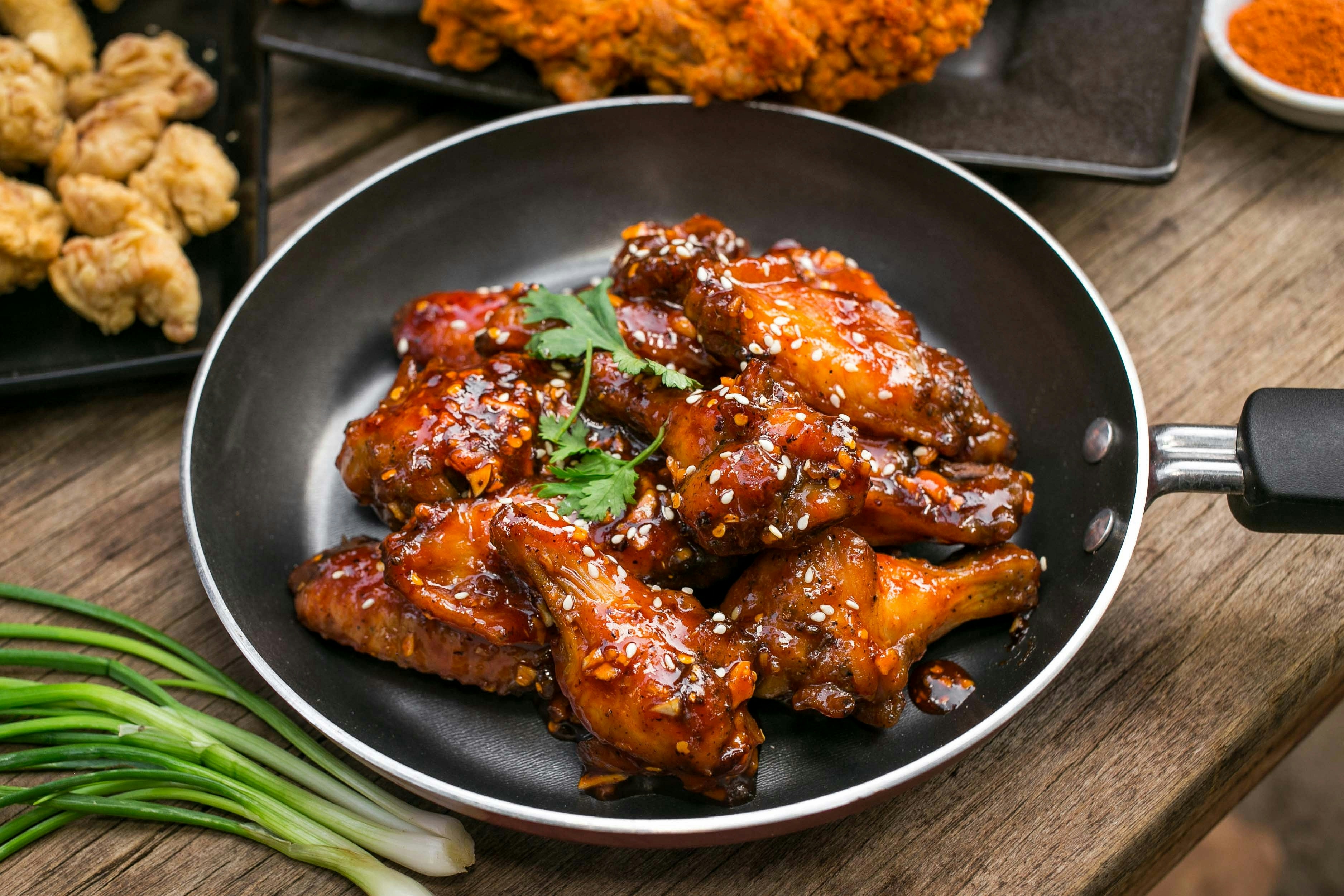
Photo by Jim Sosengphet on Unsplash
Popeyes teams with One Piece for a limited menu and merch drop, blending bold flavors with anime fandom to boost traffic and loyalty.
Apr 16, 2026
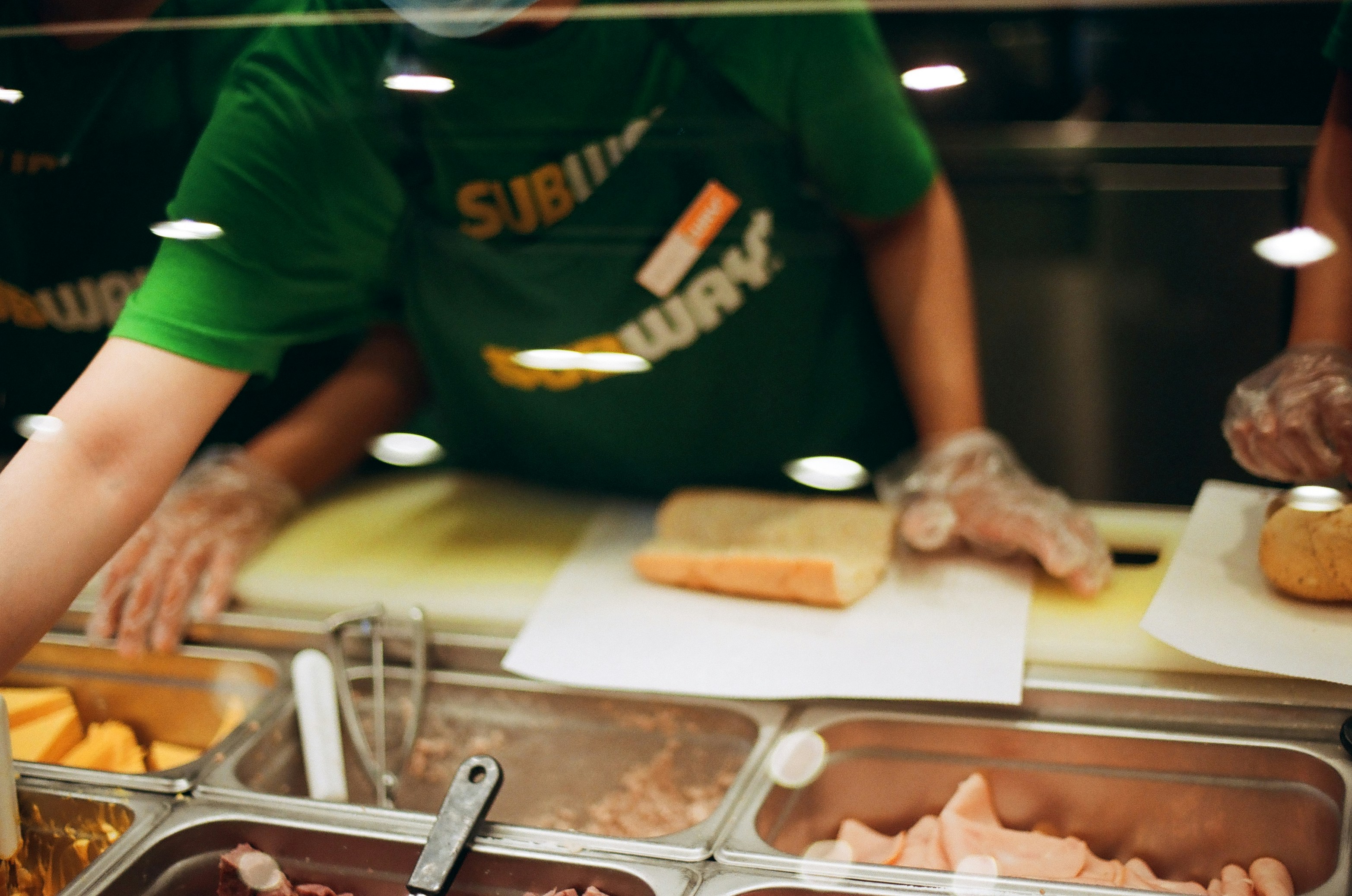
Photo by dedy kurniawan on Unsplash
A close look at Jersey Mike’s rapid expansion, leadership shift, and international push under Blackstone’s ownership.
Apr 16, 2026
Discover how Taco Bell strategically shifted National Taco Day to align with Taco Tuesday, creating a marketing synergy and enhancing the taco culture. Learn about the origins, significance, and impact of this menu development.
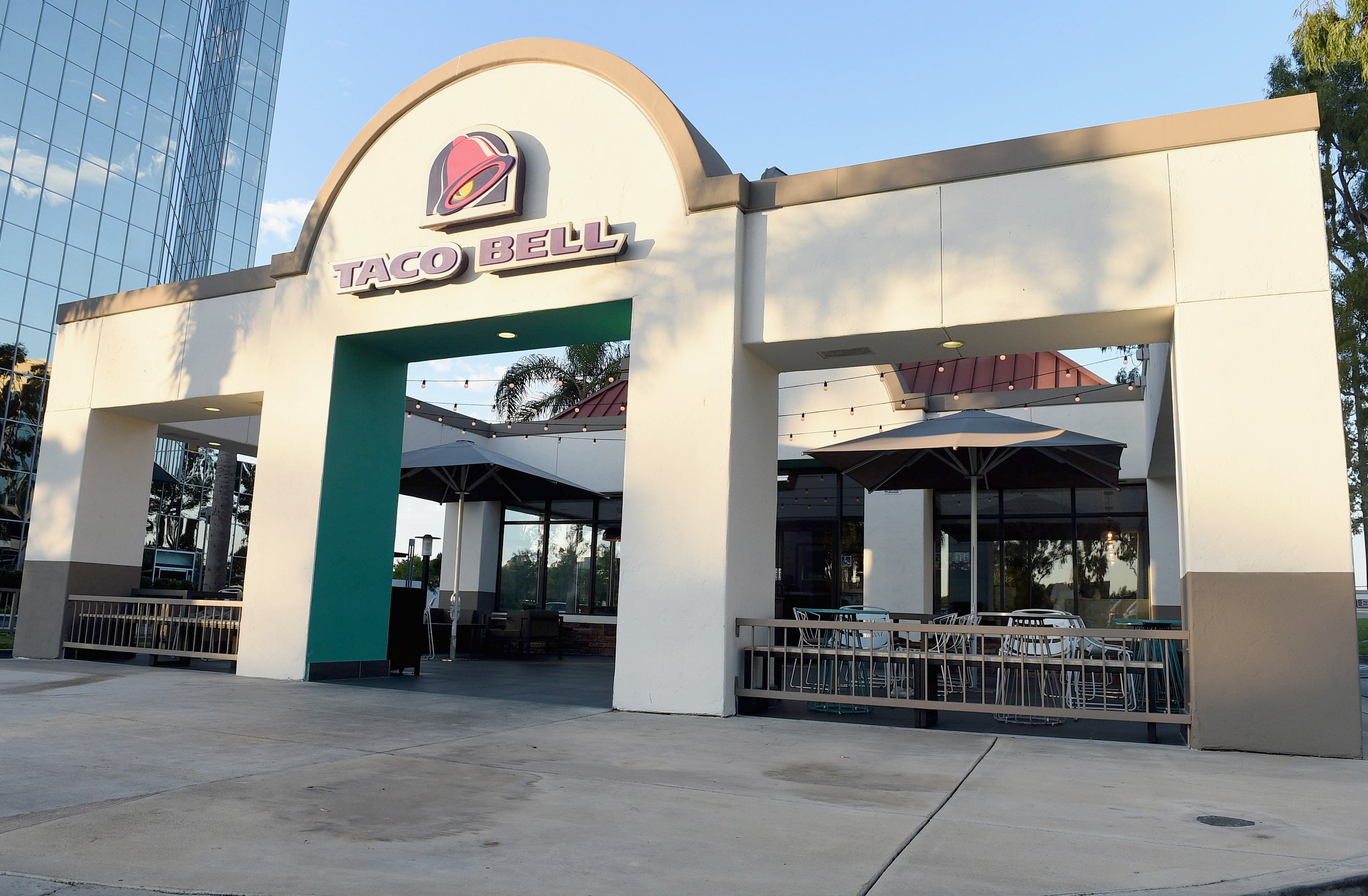
National Taco Day has a rich history that traces back to the 1960s in San Antonio, Texas, as documented in Gustavo Arellano's 'Tacos USA: How Mexican Food Conquered America.' However, the official establishment of the celebration on Oct. 4 only came in 2013 by the National Day Calendar. This day, initially celebrated by competitors like Del Taco and Taco Cabana, gained broader recognition after Taco Bell's recent push to align it with Taco Tuesday.
Taco Bell's strategic maneuver to lobby for National Taco Day to permanently land on the first Tuesday of October signifies a significant shift in menu marketing. By linking National Taco Day, a day dedicated to celebrating tacos, with Taco Tuesday, a popular cultural phenomenon synonymous with taco deals and promotions, Taco Bell aimed to create a more impactful and cohesive taco celebration experience for its customers.
The merger of National Taco Day with Taco Tuesday represents more than a mere date change. It symbolizes Taco Bell's innovative approach to menu development and marketing strategies. By aligning these two well-known taco-centric occasions, the brand taps into the existing consumer excitement around Taco Tuesday while amplifying the significance of National Taco Day, ultimately driving engagement and loyalty among taco enthusiasts.
The collaborative effort between Taco Bell and the National Day Calendar to synchronize National Taco Day with Taco Tuesday not only strengthens the brand's visibility but also fosters a sense of community among taco lovers. By creating a unified celebration that resonates with consumers on a deeper level, Taco Bell enhances its brand image as a key player in the taco industry and cultivates lasting relationships with its audience.
Taco Bell's initiative to align National Taco Day with Taco Tuesday sets a precedent for the taco industry, showcasing the potential for strategic menu development and marketing collaborations to elevate traditional food celebrations. This move not only redefines how brands can leverage existing cultural moments but also underscores the importance of adapting to consumer preferences and behaviors to drive sustained success in the competitive food industry.