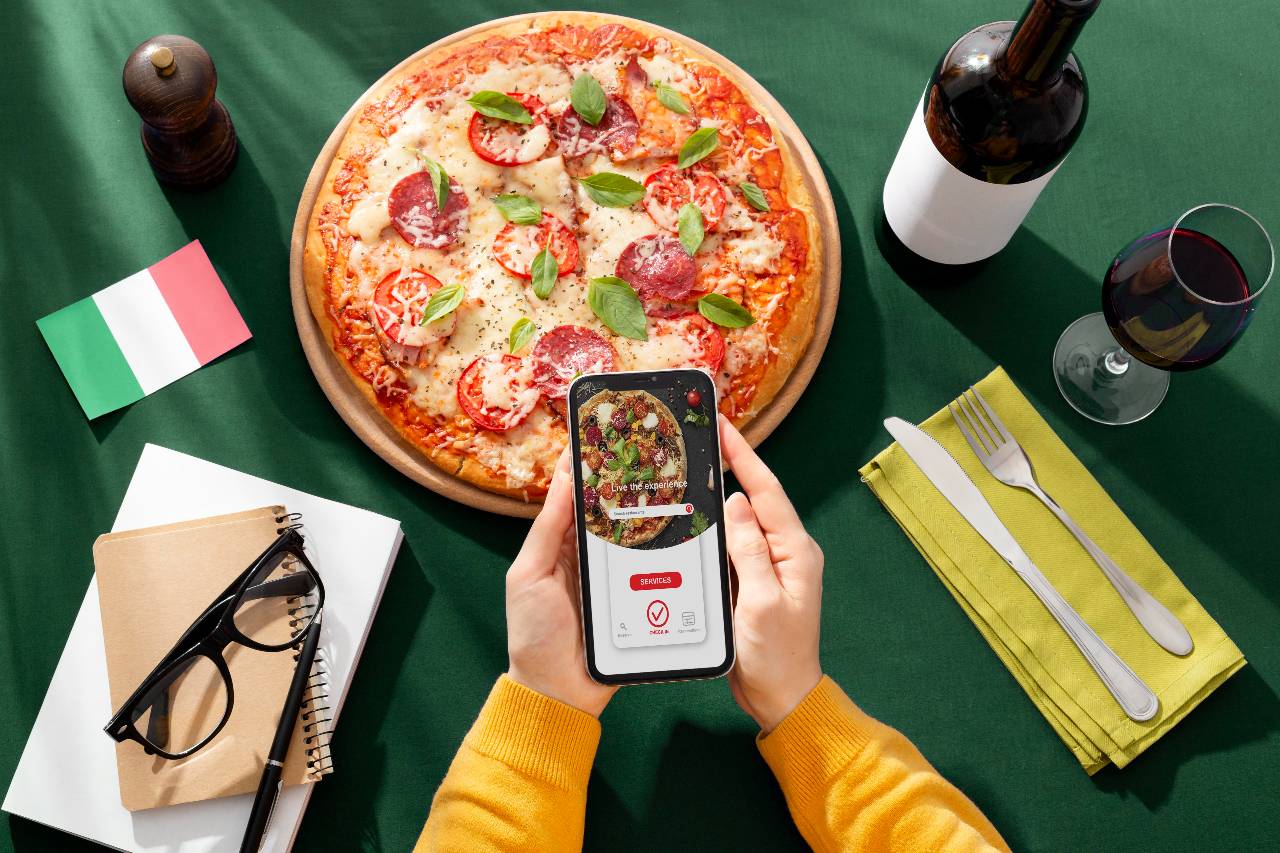
Best Restaurant Marketing Ideas for 2026
This guide outlines restaurant marketing ideas that help operators attract nearby customers, convert demand faster, and strengthen long-term retention.
marketing ideas
Apr 16, 2026
This guide outlines restaurant marketing ideas that help operators attract nearby customers, convert demand faster, and strengthen long-term retention.
Apr 16, 2026

A clear host training process helps restaurants manage greetings, waitlists, reservations, seating decisions, and guest communication more consistently.
Apr 15, 2026
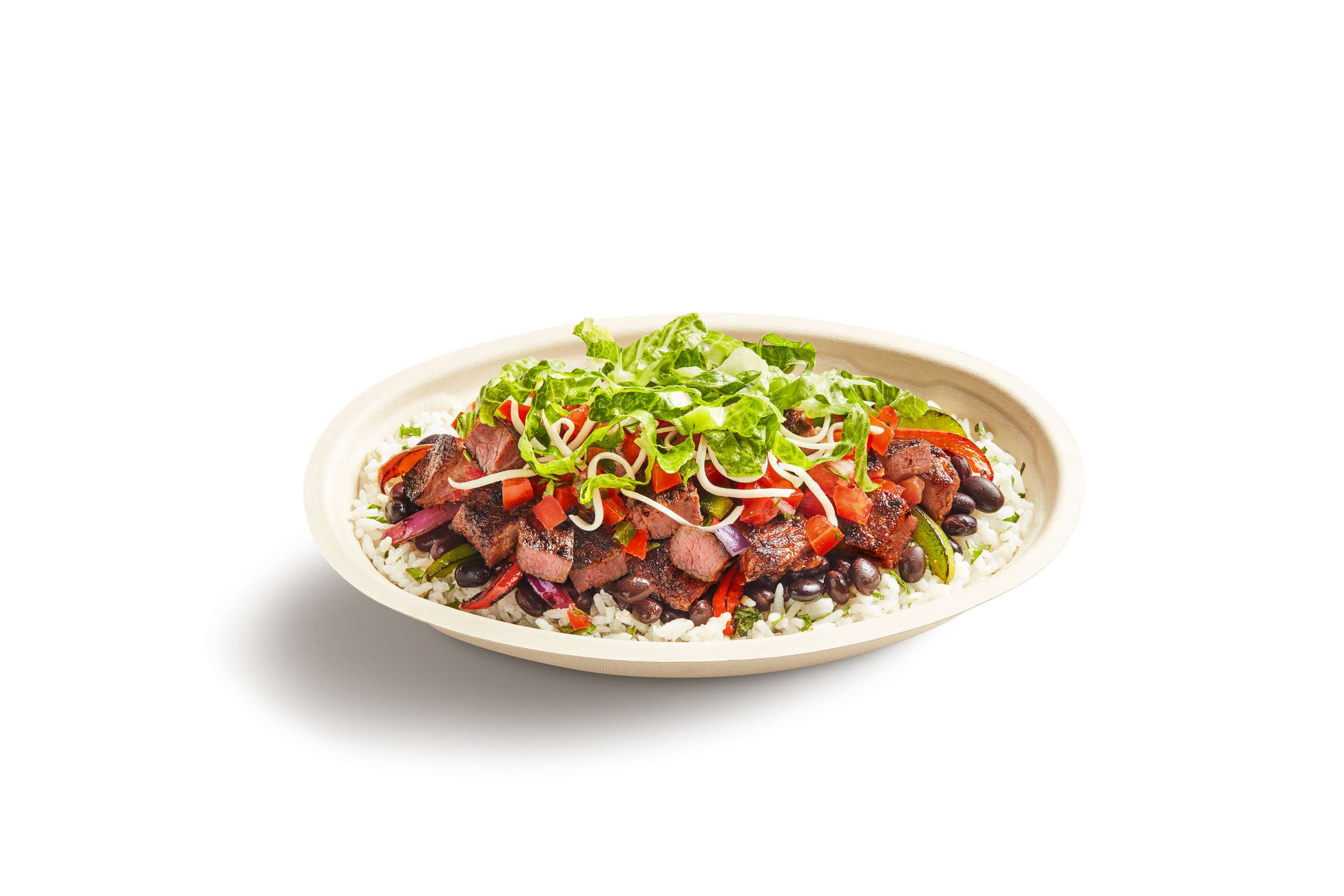
Chipotle reshapes loyalty with Rewards on Repeat, blending in-store promotions, staff incentives, and simpler redemption to boost traffic.
Apr 16, 2026
Photo by Salah Ait Mokhtar on Unsplash
A refined look at Papa Murphy’s strategy as MTY guides a cautious turnaround amid a crowded pizza landscape—digital play, local marketing, and a new Detroit-style offering.
Apr 16, 2026
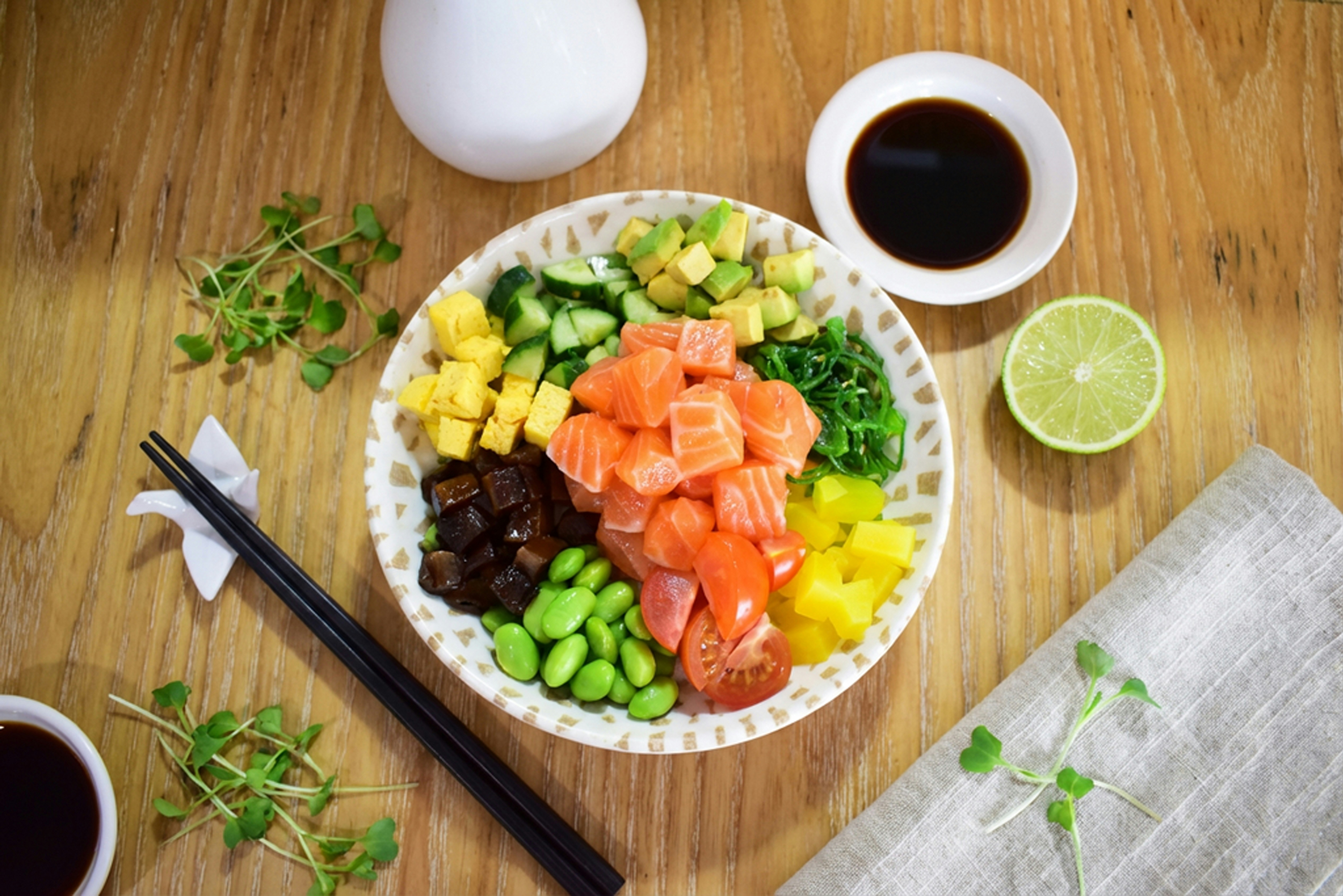
Photo by Sergio Mena Ferreira on Unsplash
Mo’ Bettahs leaves Kansas City as it pivots to a PE-backed national expansion to Phoenix, Indianapolis, and Minneapolis.
Apr 16, 2026
Photo by Kate Trysh on Unsplash
Applebee’s O-M-Cheese Burger fuses spectacle with value, driving social buzz and foot traffic—a signal for the skillet-cheese moment in casual dining.
Apr 16, 2026

Photo by Diego Mattevi on Unsplash
GoTo Foods taps Misra and Lambert to harmonize digital momentum with disciplined development across seven brands, aiming for stronger guest experiences and franchisee economics.
Apr 16, 2026
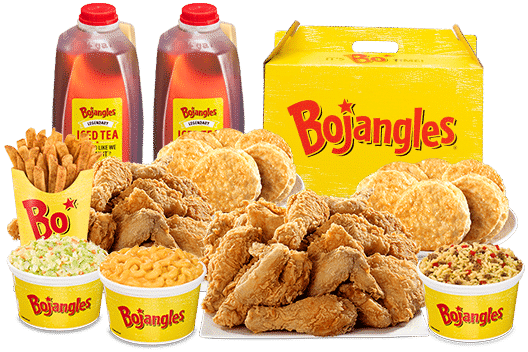
Bojangles launches Bo’s Chicken Rippers in an eight-week pilot, turning bites into a hands-on, sauce-forward experience with interactive, tear-apart slabs.
Apr 16, 2026
Photo by Jim Sosengphet on Unsplash
Popeyes teams with One Piece for a limited menu and merch drop, blending bold flavors with anime fandom to boost traffic and loyalty.
Apr 16, 2026
Photo by dedy kurniawan on Unsplash
A close look at Jersey Mike’s rapid expansion, leadership shift, and international push under Blackstone’s ownership.
Apr 16, 2026
Discover how QSRs are expanding their sauce offerings from restaurants to retail shelves, creating new revenue streams and boosting brand awareness.
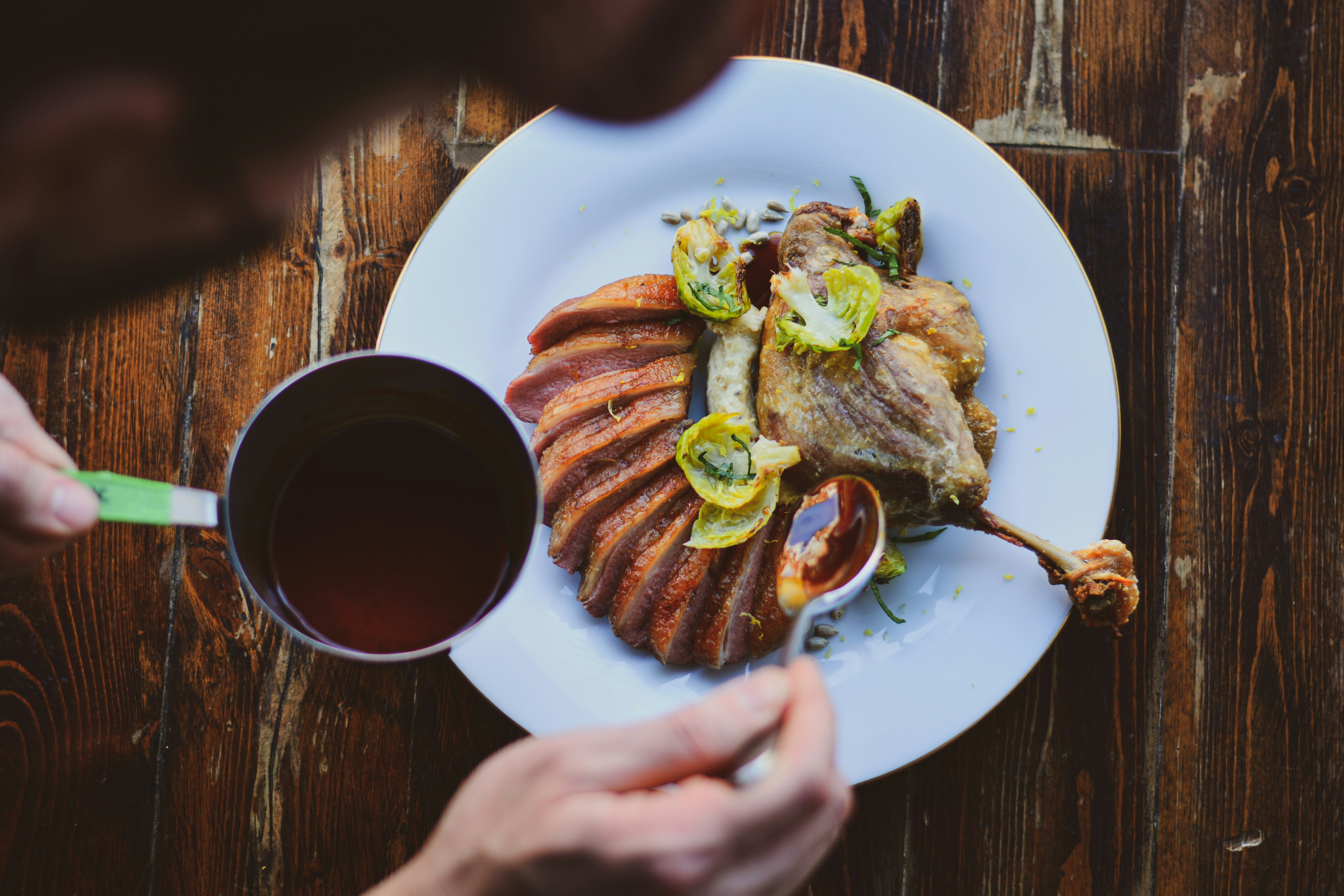
Photo by Manek Singh on Unsplash
Photo by Manek Singh on Unsplash
Consumer preferences have played a significant role in shaping the QSR industry, with sauces and condiments becoming a crucial factor in restaurant selection. According to Technomic’s Flavor Consumer Trend Report, 34% of consumers actively consider the availability of sauces and condiments when choosing where to dine. This shift has prompted QSR chains to pay closer attention to their sauce offerings, recognizing the impact they have on customer satisfaction and loyalty.
The recent trend of QSR sauces making their way onto supermarket shelves marks a strategic move by brands to tap into additional revenue streams and broaden their market reach. Zaxby’s, a prominent Atlanta-based chain, has taken the leap by introducing three of its signature sauces to local and national retailers for the first time. This shift aligns with other leading brands like Olive Garden, Buffalo Wild Wings, Chick-fil-A, and Subway, who have successfully packaged their dressings and sauces for retail sale, catering to consumer demand beyond the confines of their restaurants.
The transition of QSR sauces into retail not only serves as a revenue-generating opportunity but also enhances brand awareness and visibility in new markets. By offering their signature sauces in grocery stores, QSR chains can interact with a broader consumer base, strengthening their brand presence and potentially attracting new customers who may not frequent their restaurants. This expansion into retail channels not only drives sales but also creates additional touchpoints for consumers to engage with the brand outside the traditional dining experience.
Zaxby’s foray into retail with its lineup of signature sauces, including the introduction of 16-ounce plastic bottles in popular supermarket chains like Walmart, Kroger, and Winn Dixie, demonstrates a strategic approach to capturing market share beyond its restaurant locations. The availability of these sauces on online platforms like Amazon.com further amplifies the brand's reach, catering to a wider audience of consumers who value convenience and accessibility. The suggested retail price range of $4.48 to $4.98 per bottle reflects competitive pricing strategies aimed at appealing to cost-conscious shoppers while maintaining the brand’s premium positioning.