Best Restaurant Marketing Ideas for 2026
This guide outlines restaurant marketing ideas that help operators attract nearby customers, convert demand faster, and strengthen long-term retention.
marketing ideas
Apr 16, 2026
This guide outlines restaurant marketing ideas that help operators attract nearby customers, convert demand faster, and strengthen long-term retention.
Apr 16, 2026

A clear host training process helps restaurants manage greetings, waitlists, reservations, seating decisions, and guest communication more consistently.
Apr 15, 2026
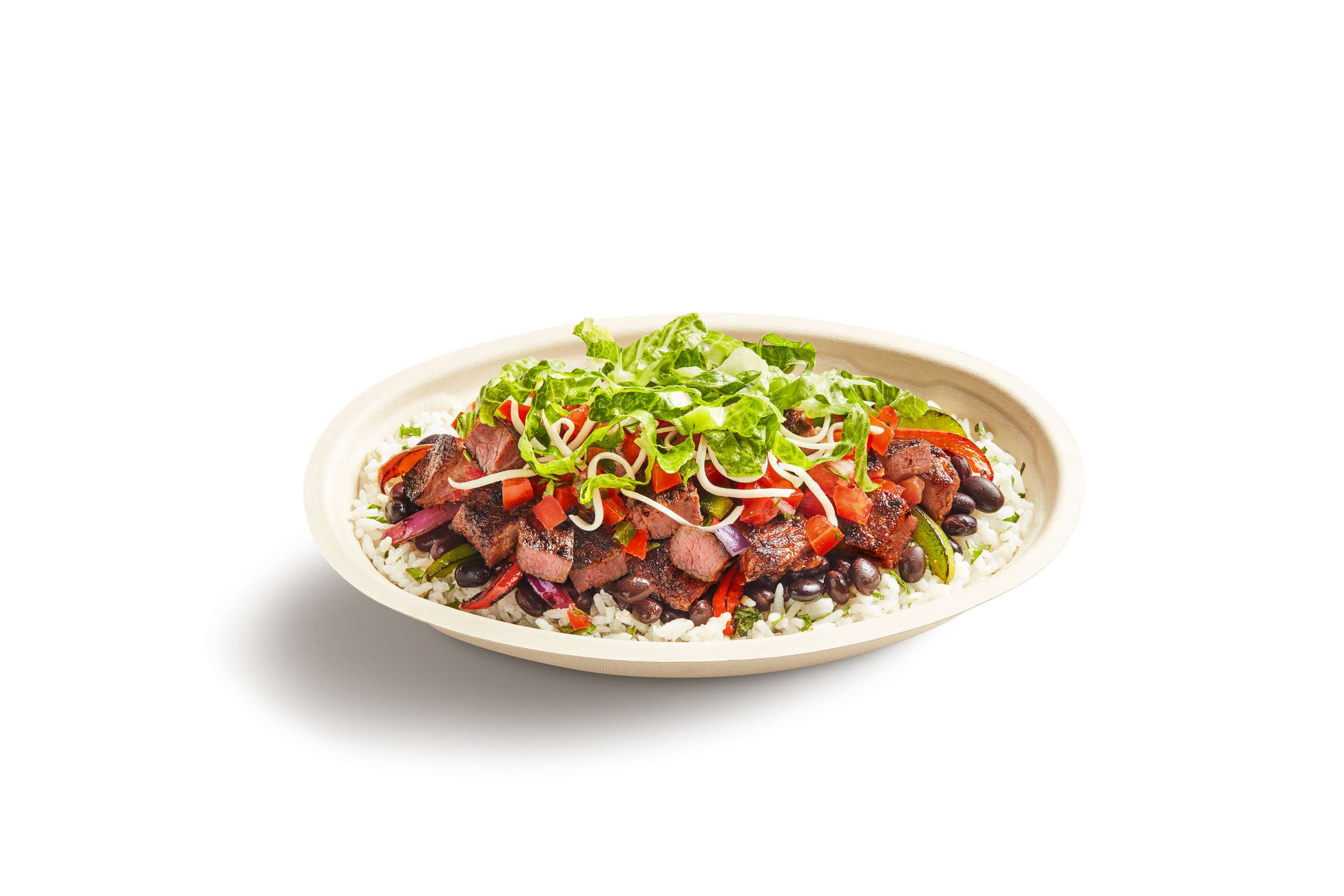
Chipotle reshapes loyalty with Rewards on Repeat, blending in-store promotions, staff incentives, and simpler redemption to boost traffic.
Apr 16, 2026

Photo by Salah Ait Mokhtar on Unsplash
A refined look at Papa Murphy’s strategy as MTY guides a cautious turnaround amid a crowded pizza landscape—digital play, local marketing, and a new Detroit-style offering.
Apr 16, 2026
Photo by Sergio Mena Ferreira on Unsplash
Mo’ Bettahs leaves Kansas City as it pivots to a PE-backed national expansion to Phoenix, Indianapolis, and Minneapolis.
Apr 16, 2026

Photo by Kate Trysh on Unsplash
Applebee’s O-M-Cheese Burger fuses spectacle with value, driving social buzz and foot traffic—a signal for the skillet-cheese moment in casual dining.
Apr 16, 2026

Photo by Diego Mattevi on Unsplash
GoTo Foods taps Misra and Lambert to harmonize digital momentum with disciplined development across seven brands, aiming for stronger guest experiences and franchisee economics.
Apr 16, 2026
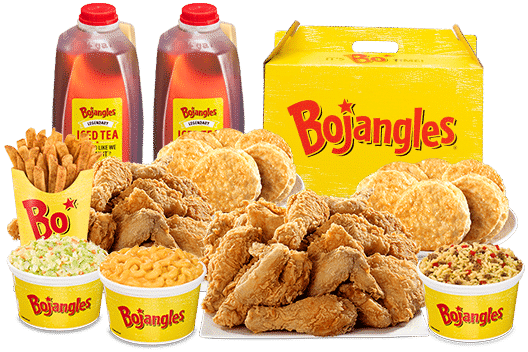
Bojangles launches Bo’s Chicken Rippers in an eight-week pilot, turning bites into a hands-on, sauce-forward experience with interactive, tear-apart slabs.
Apr 16, 2026
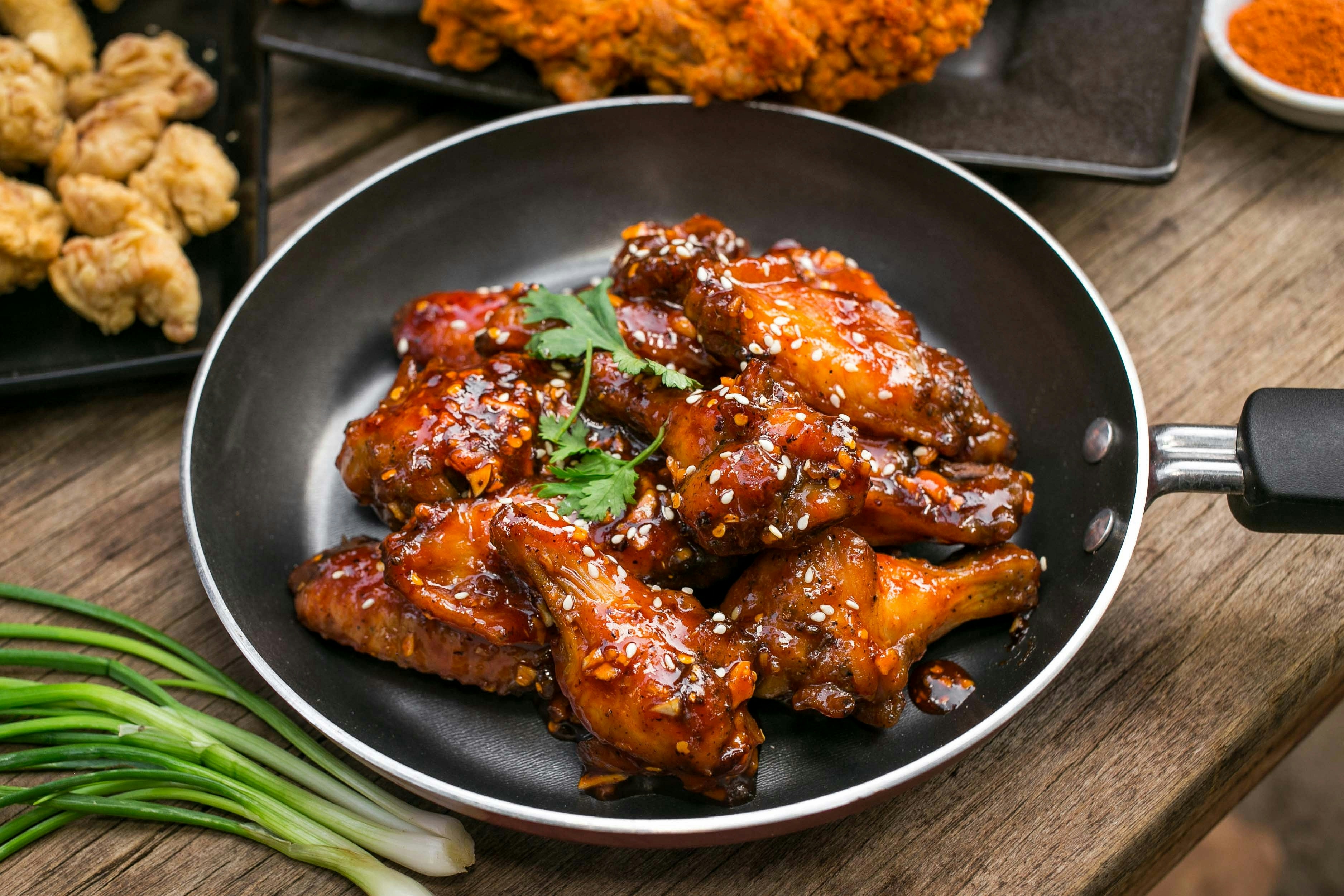
Photo by Jim Sosengphet on Unsplash
Popeyes teams with One Piece for a limited menu and merch drop, blending bold flavors with anime fandom to boost traffic and loyalty.
Apr 16, 2026
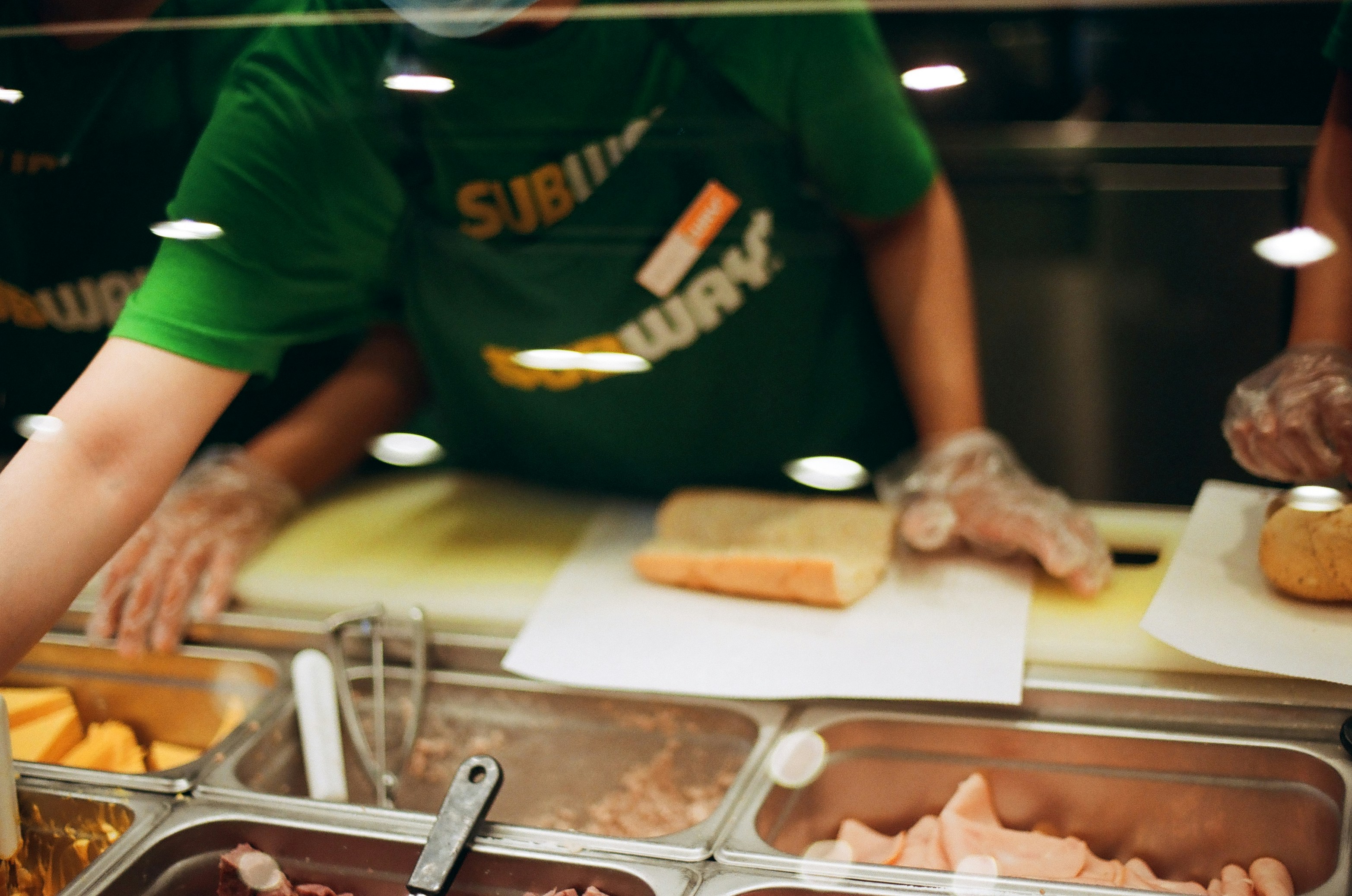
Photo by dedy kurniawan on Unsplash
A close look at Jersey Mike’s rapid expansion, leadership shift, and international push under Blackstone’s ownership.
Apr 16, 2026
How overnight oats are revolutionizing breakfast options on restaurant menus. Learn about the appeal to health-conscious consumers and the growth potential in the food industry.
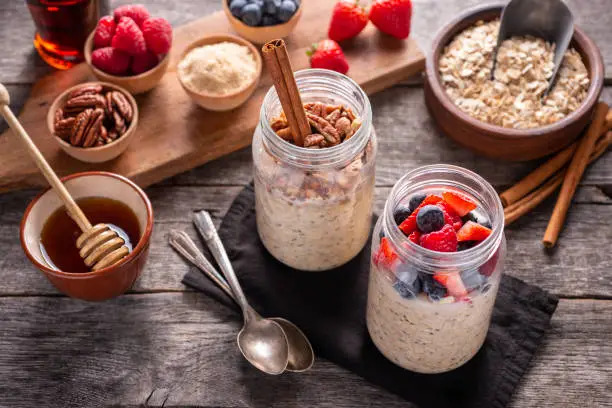
Overnight oats have quickly become a popular breakfast choice due to their convenience, health benefits, and endless customization options. By soaking oats overnight in milk or yogurt, these oats become a creamy, ready-to-eat meal the next morning. The no-cook aspect appeals to busy individuals or those looking for a hassle-free morning routine. Additionally, the health-conscious ingredients like fruits, nuts, and seeds offer a nutrient-dense meal that sustains energy levels throughout the day.
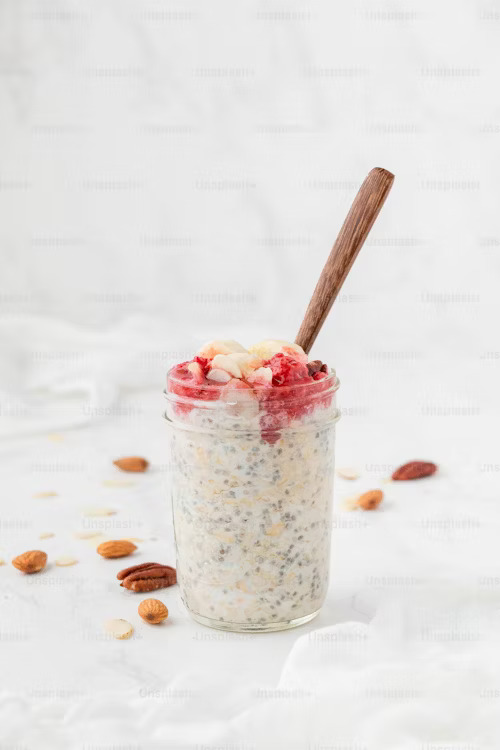
One of the key drivers behind the rise of overnight oats is their appeal to consumers focused on wellness and healthy eating habits. With consumers, especially the younger Gen Z demographic, seeking nutritious and convenient food options, overnight oats fit perfectly into this trend. Market research indicates that a significant portion of the population has not only heard of overnight oats but has also embraced them as a part of their diet, showcasing the widespread appeal of this breakfast choice.
Restaurant operators are increasingly incorporating overnight oats into their menu offerings due to the meal's versatility. From traditional toppings like fruits and nuts to more adventurous flavor combinations like matcha or chai-spiced oats, chefs have the creative freedom to experiment with different ingredients. This versatility allows restaurants to cater to a wide range of tastes and dietary preferences, making overnight oats a versatile and appealing option for breakfast menus.
With a predicted growth of 140% over the next four years, overnight oats present a significant opportunity for restaurants looking to tap into the demand for healthier breakfast options. The steady increase in consumer interest and the positive reception of overnight oats in the market indicate a promising future for this breakfast trend. By offering overnight oats on their menus, restaurants can attract a new segment of health-conscious diners and differentiate themselves in a competitive food industry landscape.