Best Restaurant Marketing Ideas for 2026
This guide outlines restaurant marketing ideas that help operators attract nearby customers, convert demand faster, and strengthen long-term retention.
marketing ideas
Apr 16, 2026
This guide outlines restaurant marketing ideas that help operators attract nearby customers, convert demand faster, and strengthen long-term retention.
Apr 16, 2026

A clear host training process helps restaurants manage greetings, waitlists, reservations, seating decisions, and guest communication more consistently.
Apr 15, 2026
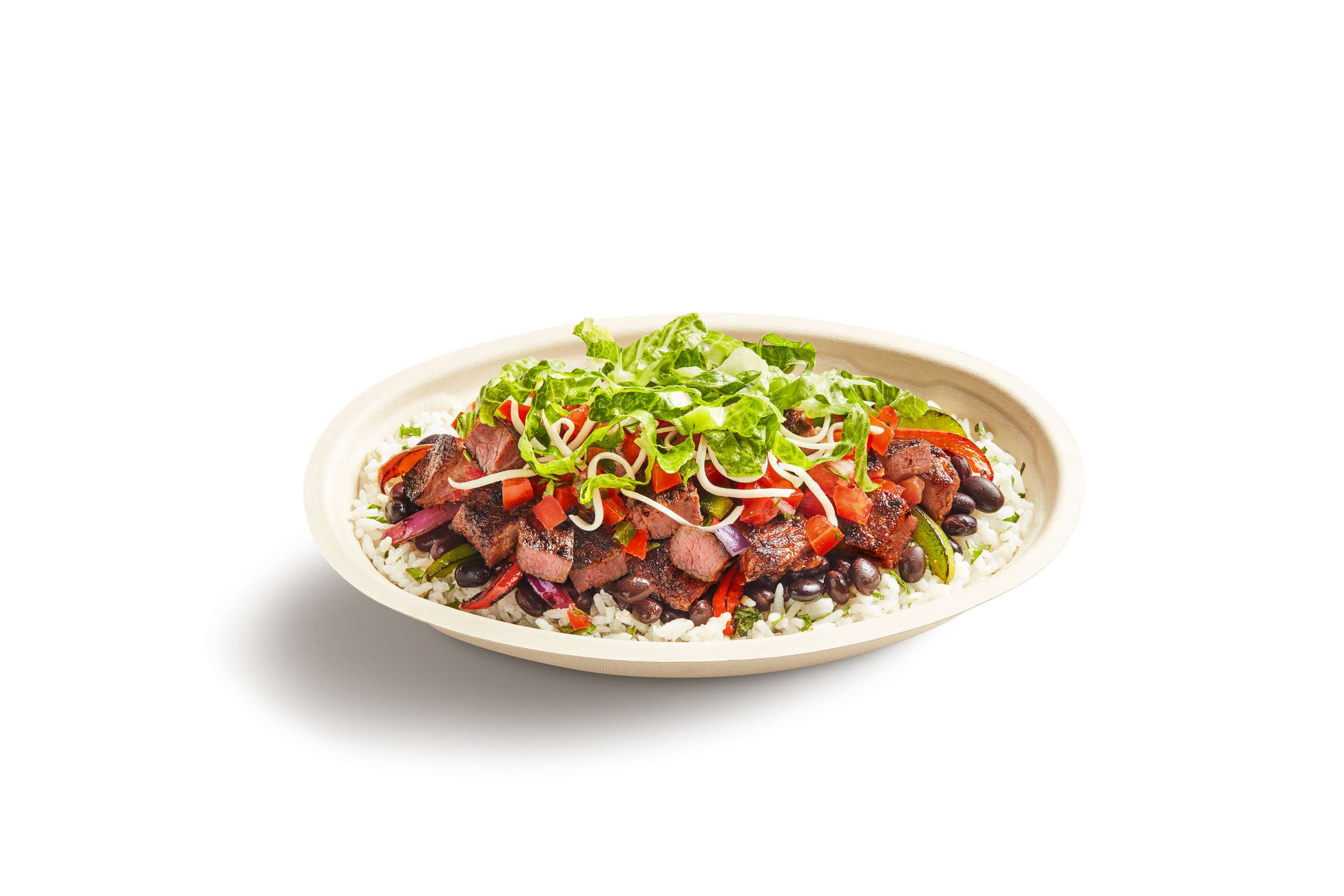
Chipotle reshapes loyalty with Rewards on Repeat, blending in-store promotions, staff incentives, and simpler redemption to boost traffic.
Apr 16, 2026
Photo by Salah Ait Mokhtar on Unsplash
A refined look at Papa Murphy’s strategy as MTY guides a cautious turnaround amid a crowded pizza landscape—digital play, local marketing, and a new Detroit-style offering.
Apr 16, 2026
Photo by Sergio Mena Ferreira on Unsplash
Mo’ Bettahs leaves Kansas City as it pivots to a PE-backed national expansion to Phoenix, Indianapolis, and Minneapolis.
Apr 16, 2026
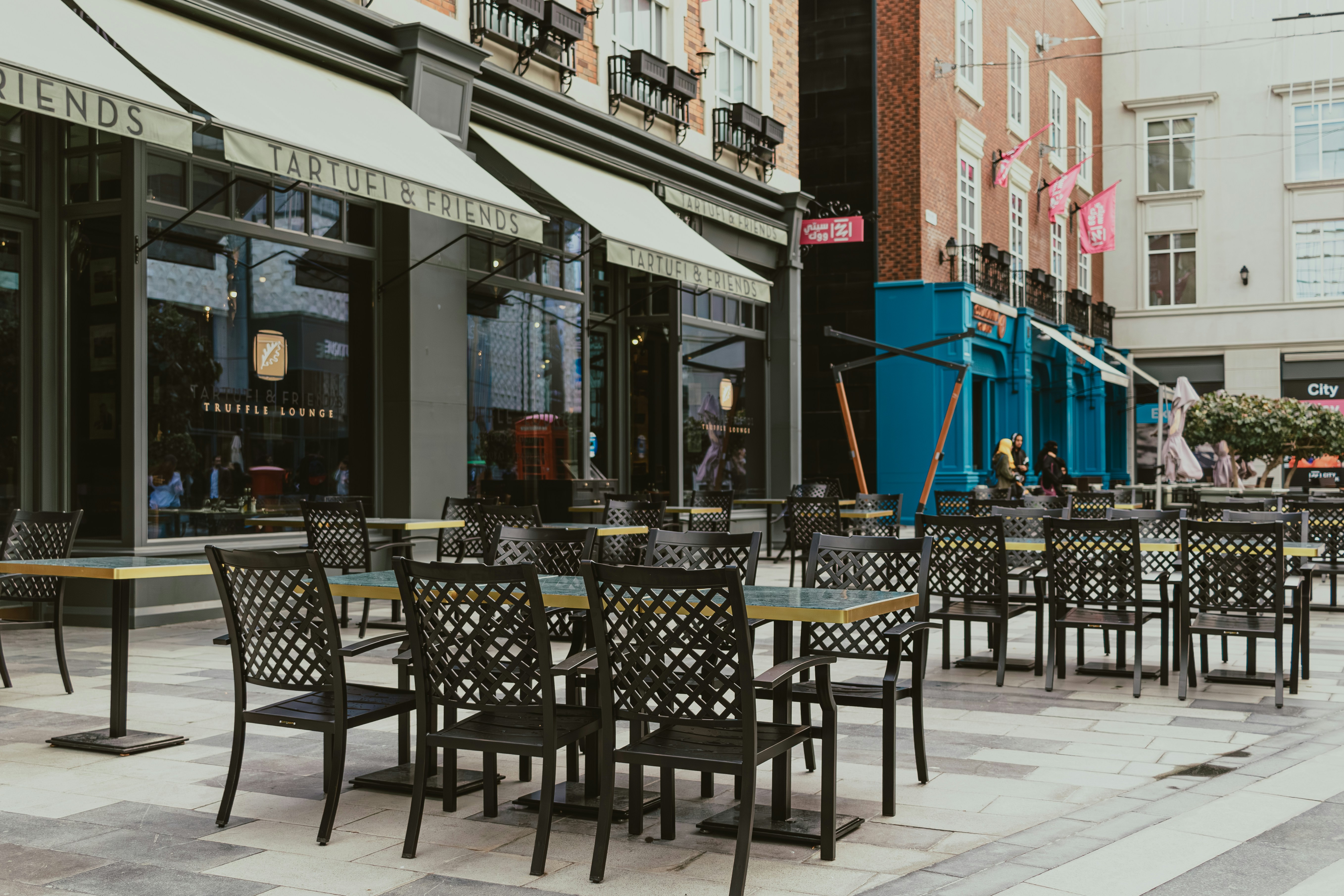
Photo by Kate Trysh on Unsplash
Applebee’s O-M-Cheese Burger fuses spectacle with value, driving social buzz and foot traffic—a signal for the skillet-cheese moment in casual dining.
Apr 16, 2026
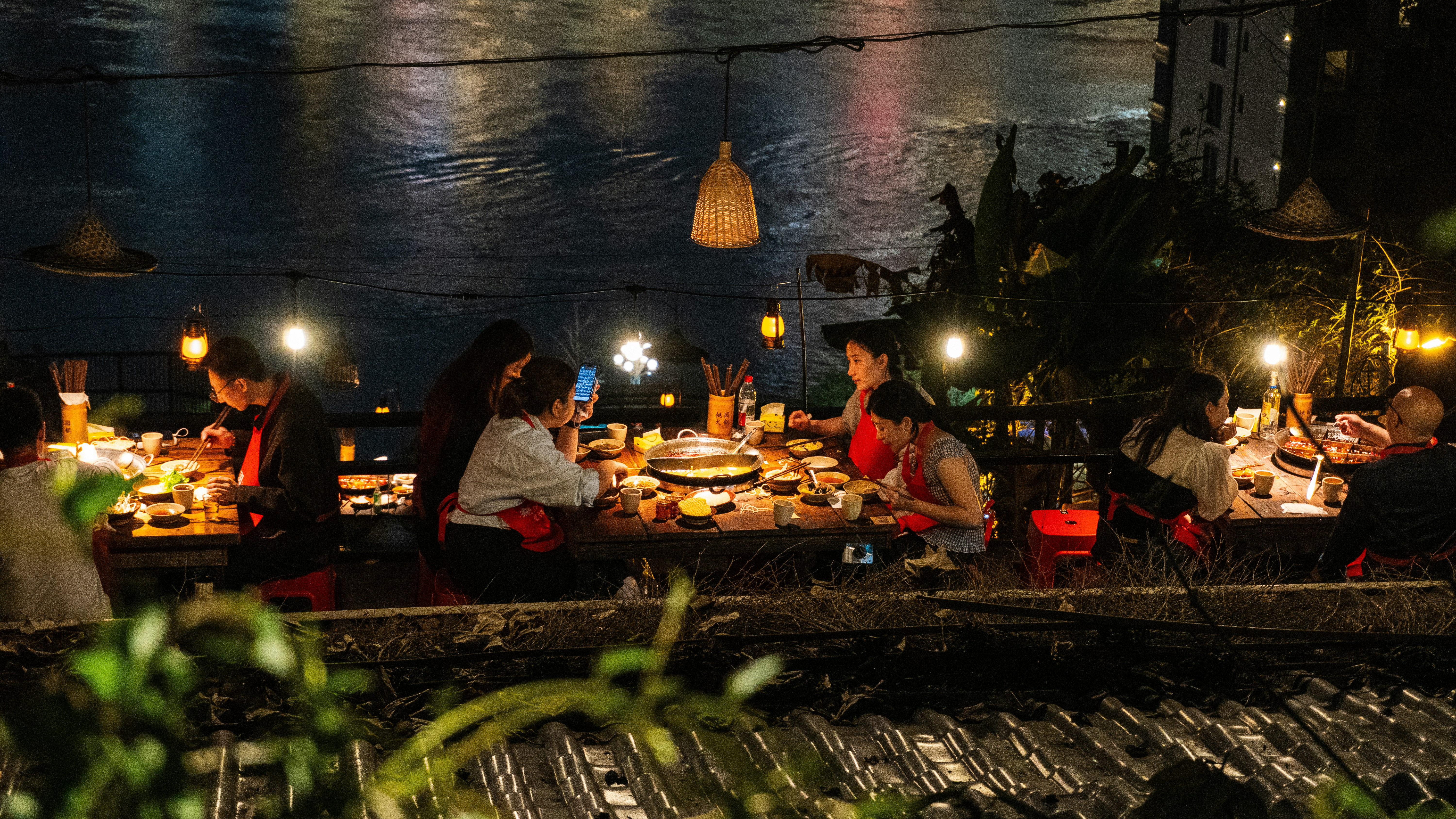
Photo by Diego Mattevi on Unsplash
GoTo Foods taps Misra and Lambert to harmonize digital momentum with disciplined development across seven brands, aiming for stronger guest experiences and franchisee economics.
Apr 16, 2026
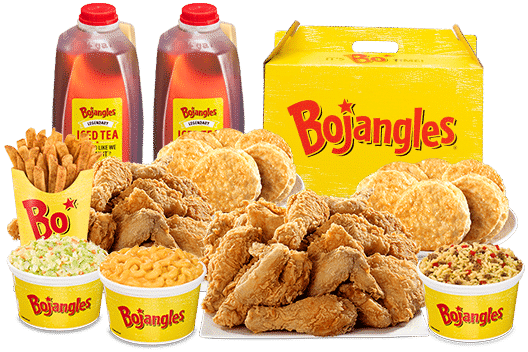
Bojangles launches Bo’s Chicken Rippers in an eight-week pilot, turning bites into a hands-on, sauce-forward experience with interactive, tear-apart slabs.
Apr 16, 2026
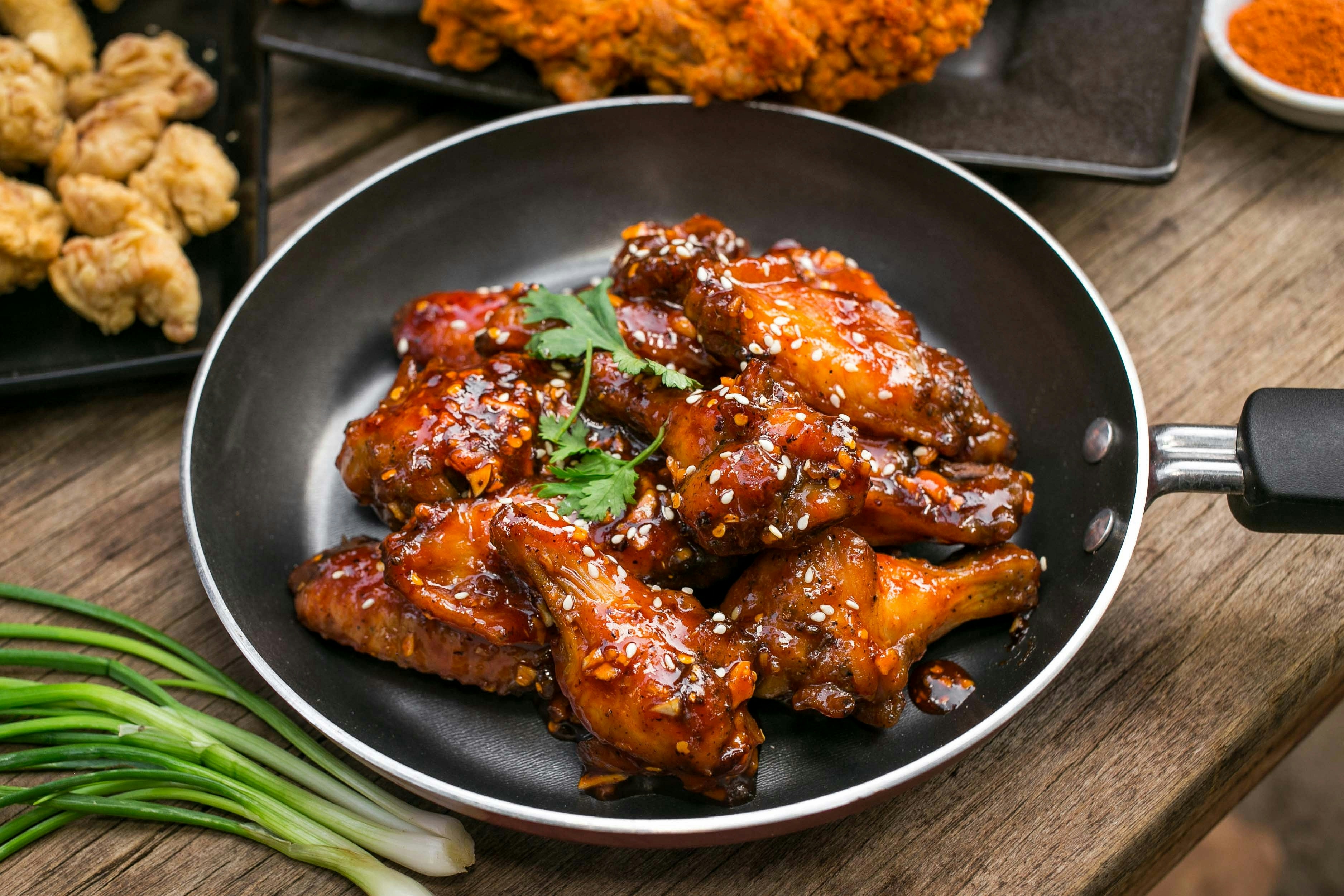
Photo by Jim Sosengphet on Unsplash
Popeyes teams with One Piece for a limited menu and merch drop, blending bold flavors with anime fandom to boost traffic and loyalty.
Apr 16, 2026
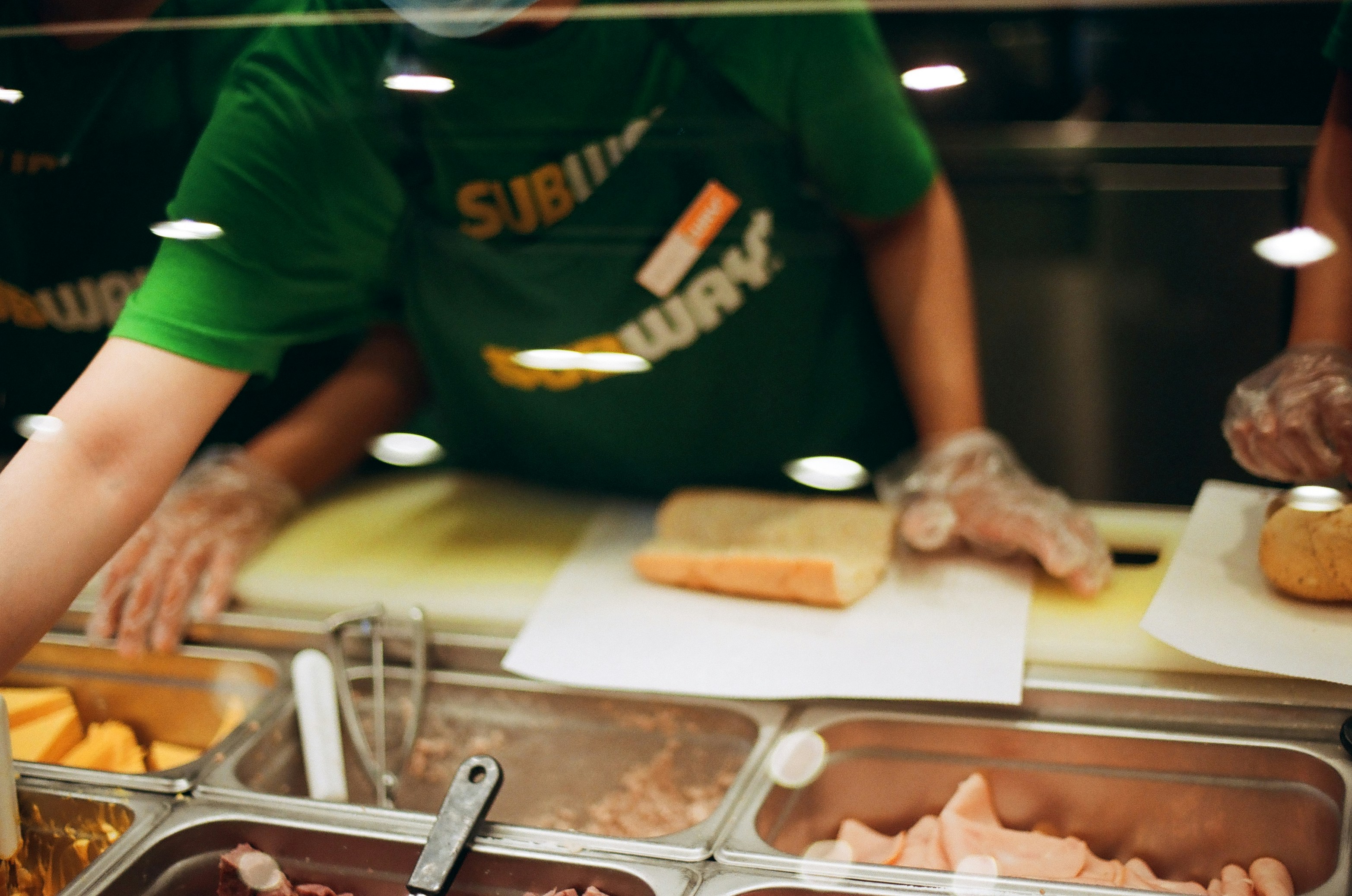
Photo by dedy kurniawan on Unsplash
A close look at Jersey Mike’s rapid expansion, leadership shift, and international push under Blackstone’s ownership.
Apr 16, 2026
Explore how Bun Mee, a Vietnamese sandwich, bowl, and salad concept, navigated challenges and slow growth to achieve franchise readiness under Denise Tran's leadership.
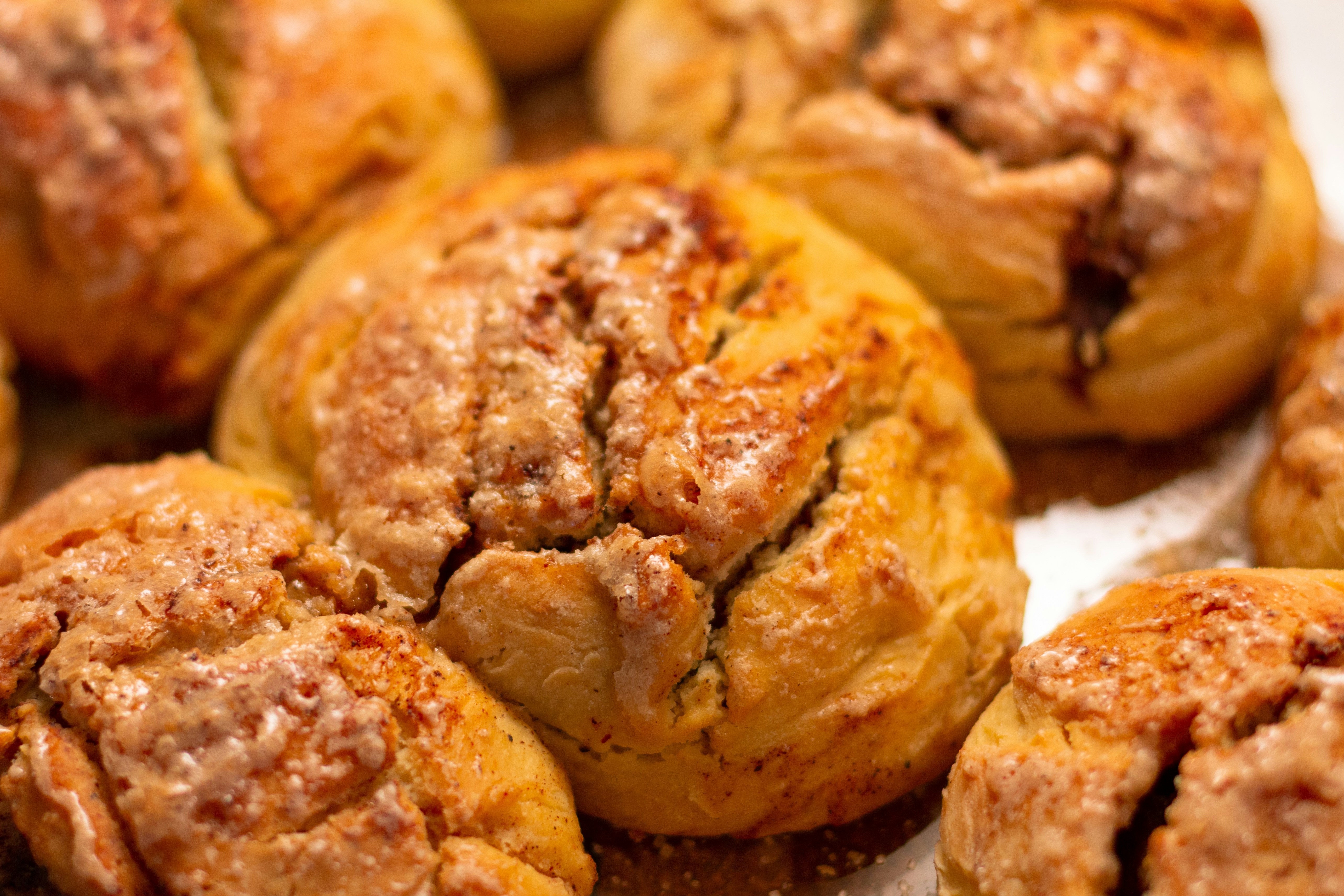
In 2011, Bun Mee emerged as a unique player in the fast-casual dining scene, offering Vietnamese-inspired sandwiches, bowls, and salads. Positioned as part of the initial wave of chains seeking to replicate the success of Chipotle by incorporating diverse global flavors, Bun Mee set itself apart with its fusion cuisine. While fellow concepts like CAVA quickly garnered mainstream popularity, Bun Mee opted for a deliberate growth strategy, focusing on establishing a robust local presence.
One key factor contributing to Bun Mee's calculated expansion is its strategic choice of operating solely within the San Francisco Bay Area. By concentrating its efforts in a specific region, Bun Mee could nurture a loyal customer base and refine its offerings to align with local tastes. Moreover, having two locations at the San Francisco International Airport provided valuable exposure to a diverse clientele, allowing the brand to cater to both locals and tourists.
Despite facing numerous challenges over its journey, Bun Mee has emerged stronger and more resilient. Denise Tran, the brand's Founder and CEO, attributes this endurance to the valuable lessons learned through years of operation, including managing airport locations. Tran's steadfast leadership and adaptive strategies have been instrumental in overcoming obstacles and preparing Bun Mee for its next phase of growth through franchising.
After 13 years of overcoming hurdles and refining its operational model, Bun Mee is now primed for franchising. This strategic decision signifies a significant milestone for the brand, indicating its readiness to scale beyond its existing locations and introduce the Bun Mee experience to a broader audience. The move towards franchising not only represents a validation of Bun Mee's concept and success but also opens up new avenues for growth and market penetration.