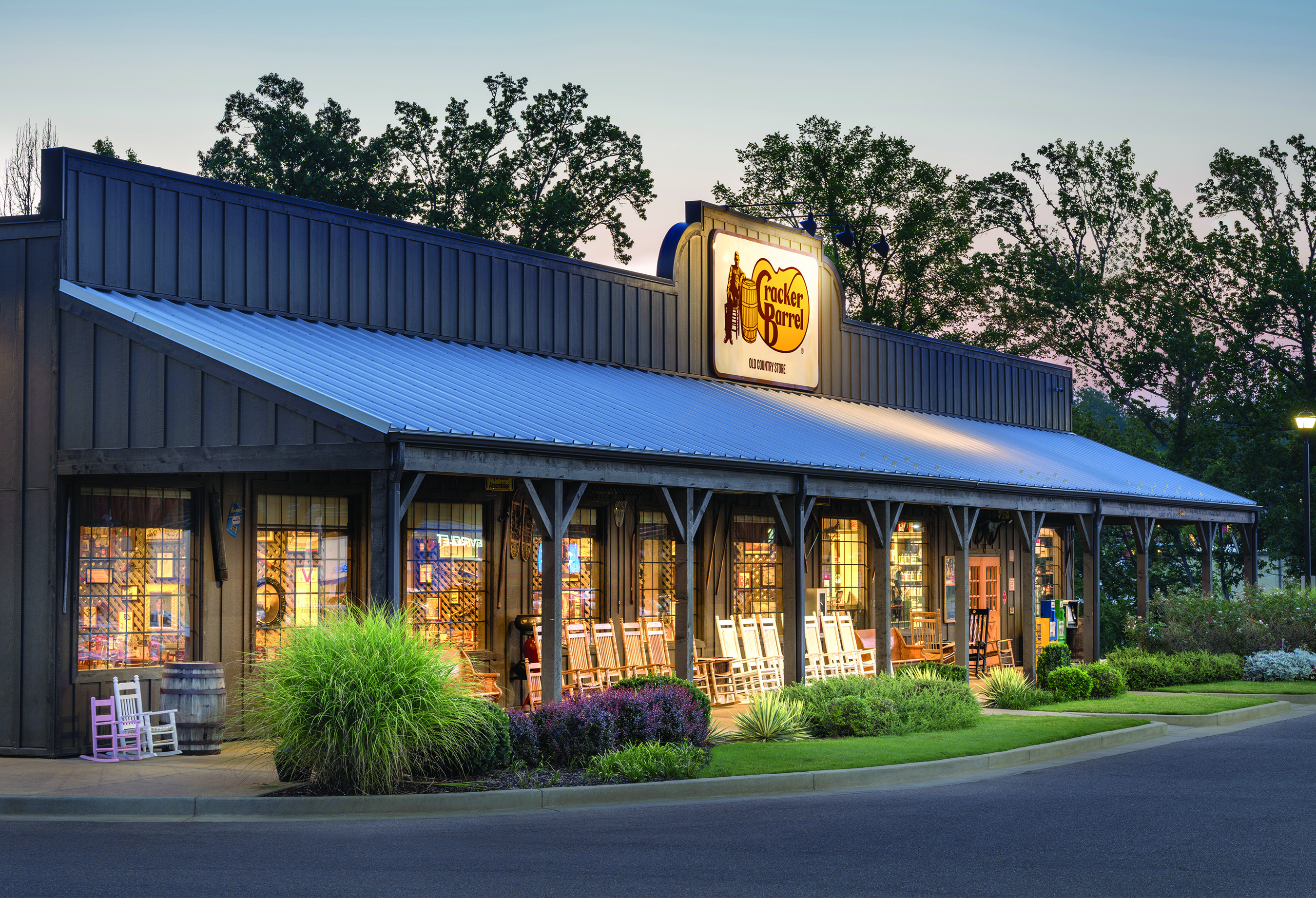
Cracker Barrel’s Proxy Battle and Turnaround
Cracker Barrel faces an activist proxy contest as it advances a multi-year transformation, defending its board and plan against Sardar Biglari's slate.
News
Apr 27, 2026
Cracker Barrel faces an activist proxy contest as it advances a multi-year transformation, defending its board and plan against Sardar Biglari's slate.
Apr 27, 2026
Taco Bell scales its proprietary Voice AI across U.S. drive-thrus, aiming for faster service, better accuracy, and a warmer guest experience.
Apr 26, 2026
Photo by Jafetbyrne Photos on Unsplash
Nostalgia-driven promotions, digital ordering, and flavor experiments reshape growth strategies for fast-casual brands in 2026.
Apr 26, 2026

Photo by Jacob Skowronek on Unsplash
Via 313 names Kip Welsch president to drive multi-market growth with Savory Fund backing.
Apr 26, 2026

Photo by John Torcasio on Unsplash
A warm, journalistic look at CosMc’s San Antonio launch, its beverage-forward pilot, and the learnings from a bold McDonald’s test-and-learn concept
Apr 26, 2026
Photo by Raoul Croes on Unsplash
Two promotions anchor Mr Gatti’s Walmart expansion, blending Texas heritage with a disciplined, retailer-led growth plan.
Apr 26, 2026
Photo by Adhitya Sibikumar on Unsplash
Explores automated meal-break deductions in quick-service restaurants, balancing efficiency with wage-and-hour compliance.
Apr 26, 2026
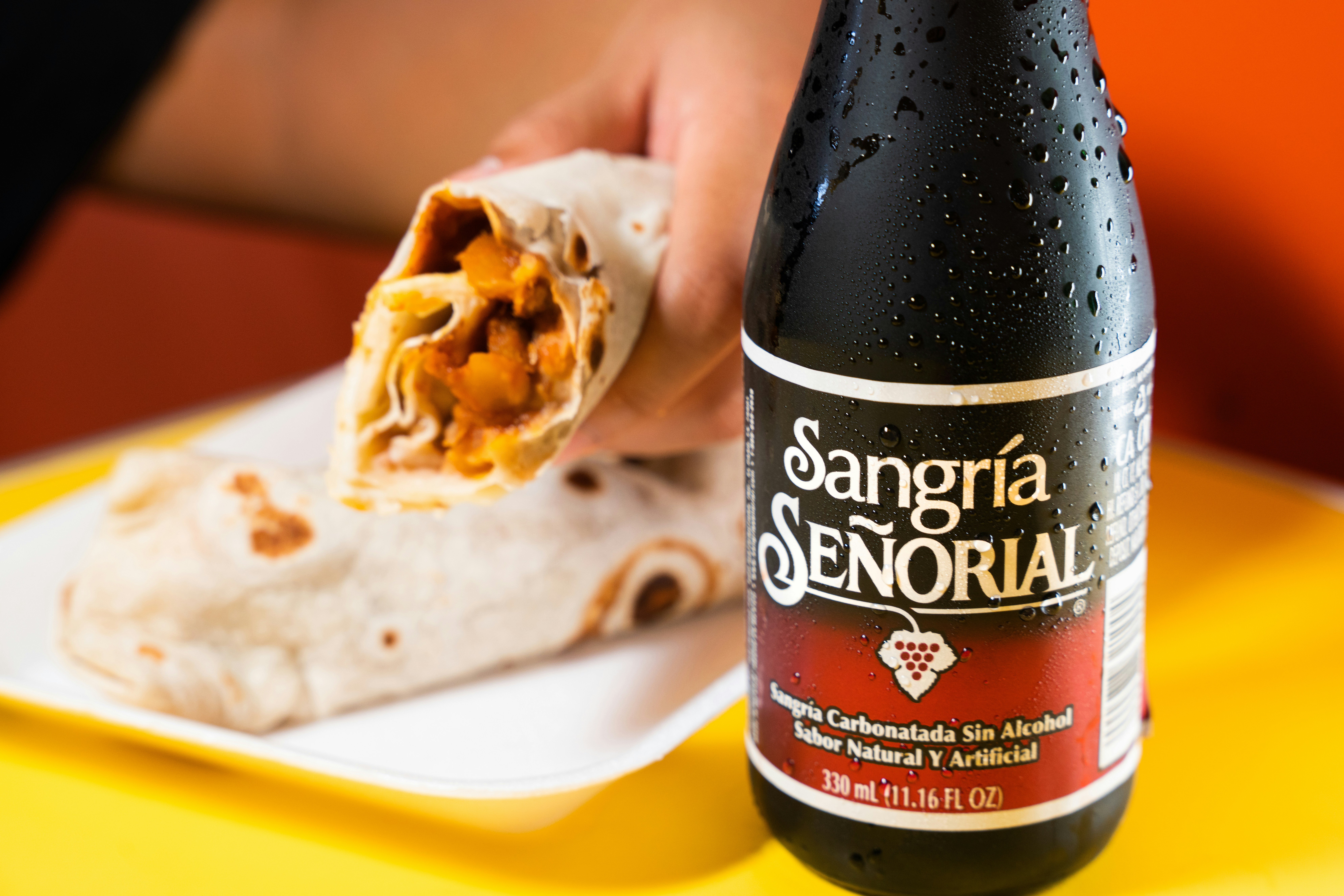
Photo by Sangria Señorial on Unsplash
Sun Holdings acquires Freebirds World Burrito, adding 64 Texas sites to its portfolio of 1,500+ restaurants, signaling a strategic, Texas-focused expansion.
Apr 26, 2026
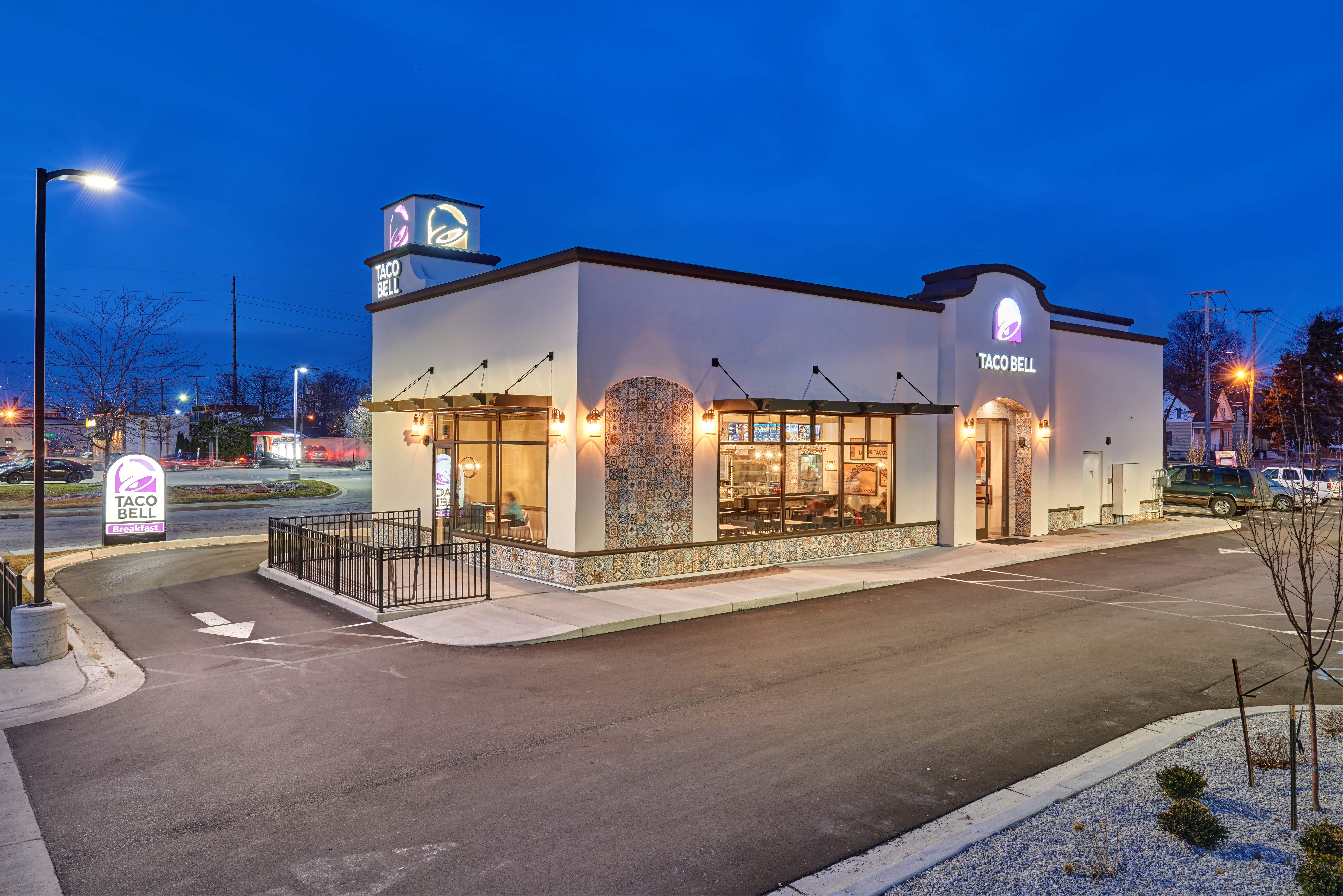
Taco Bell lets franchisees opt out of breakfast, boosting Cantina Chicken and digital momentum to fuel local growth.
Apr 26, 2026
Chicago icon Rainbow Cone partners with Buona Beef to extend its five-flavor legacy across the U.S., blending heritage with scalable growth.
Apr 25, 2026
Speed of service is the amount of time it takes a restaurant to serve its diners. By following the best practices to improve speed, more sales can be made and customer satisfaction can be guaranteed.
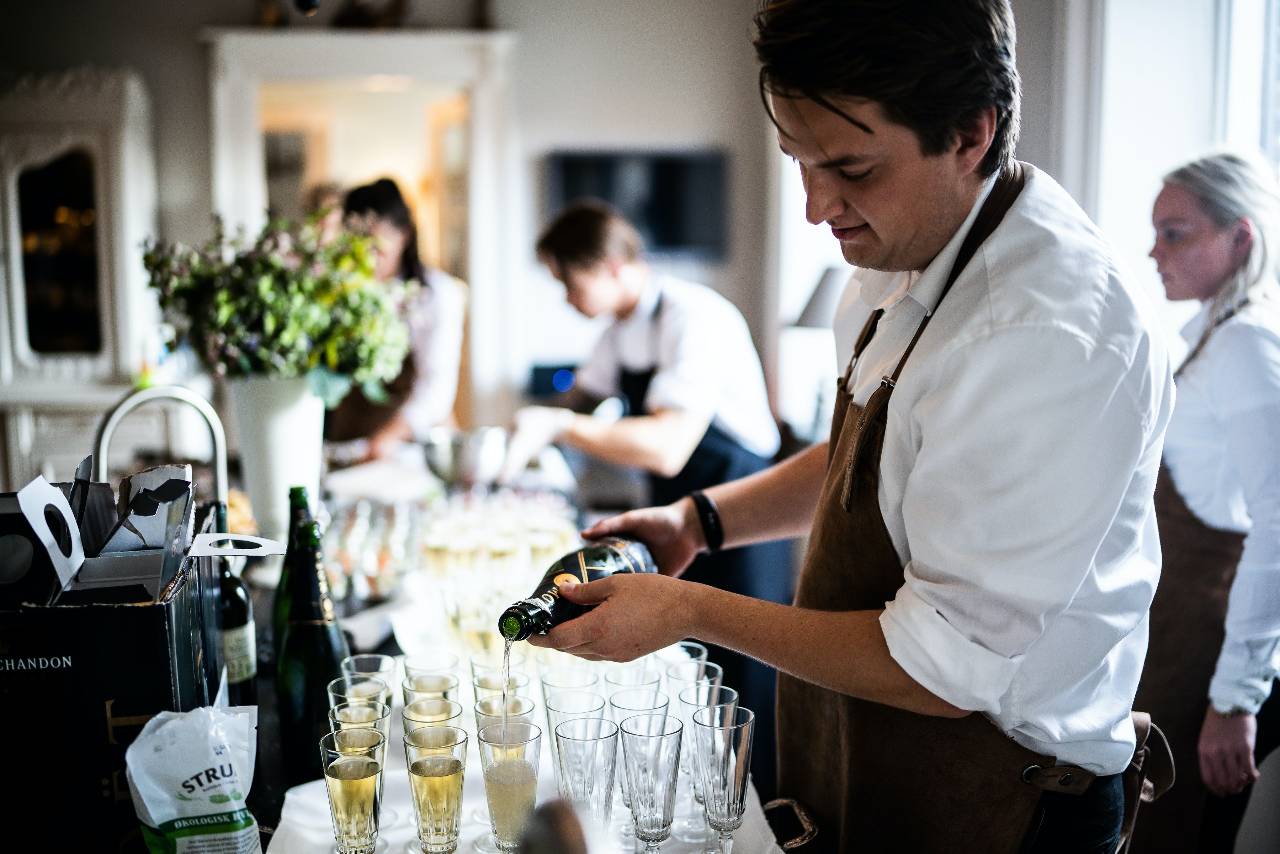
To achieve customer satisfaction and bring in more sales, restaurants need to boost their speed of service. This refers to the amount of time it takes for restaurant staff to serve their customers.
For instance, a fast-food restaurant would determine their speed of service by measuring the time between when a customer arrives at the drive-thru window and when their order is delivered.
By identifying current speed and implementing methods to improve efficiency, restaurant owners can maximize their bottom line.
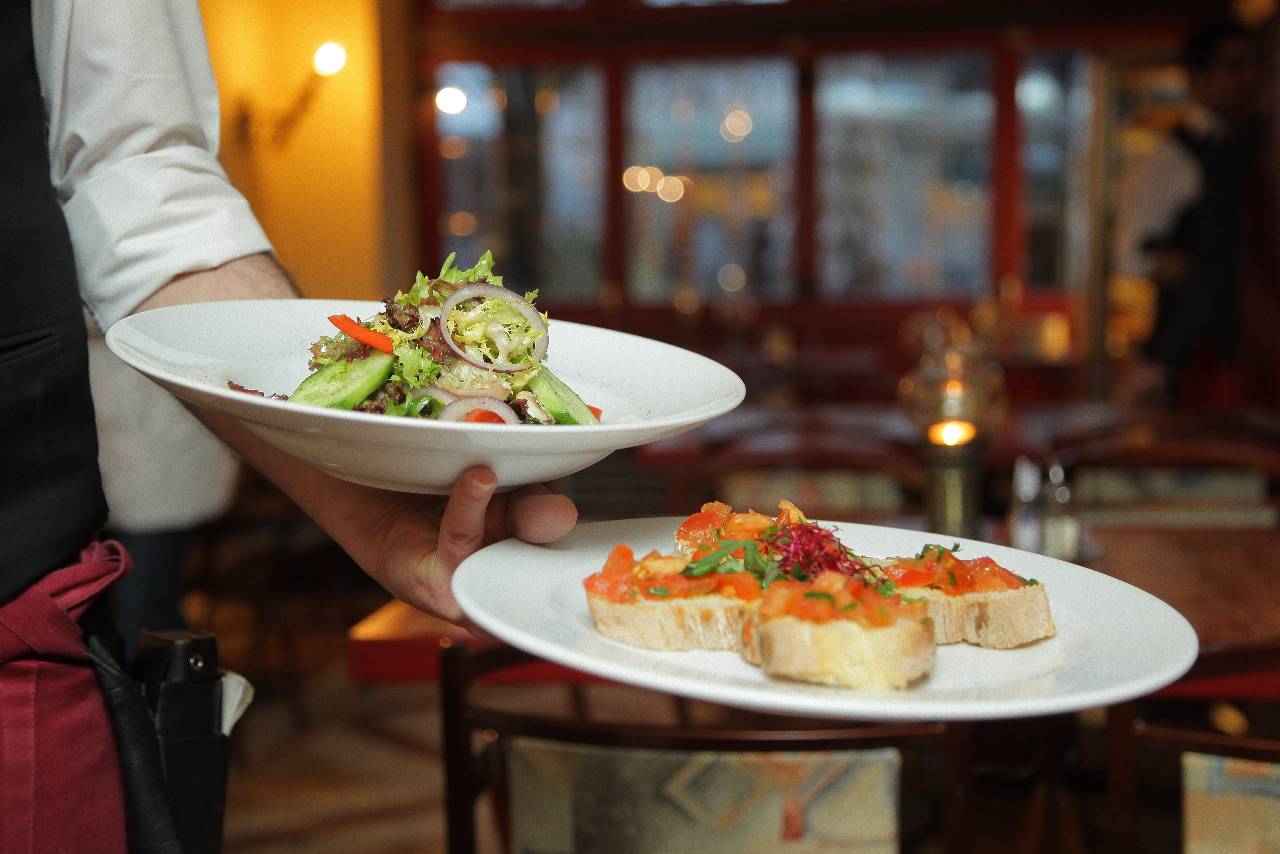
There are various ways eateries can boost their speed of service, as well as minimize their risk of loss due to not meeting customer expectations. The following are 6 best practices for improving speed.
By forecasting sales and demand, restaurant managers can make informed food purchase orders and schedule employees appropriately. This is key to improving the speed of service because it will ensure that the restaurant has enough inventory and staff to fulfill customer orders.
The latest point-of-sale (POS) systems with forecasting features can streamline the projection process by providing restaurateurs with accurate data reports on sales, which they can then use to optimize scheduling, reduce costs, and maintain optimal levels of inventory.
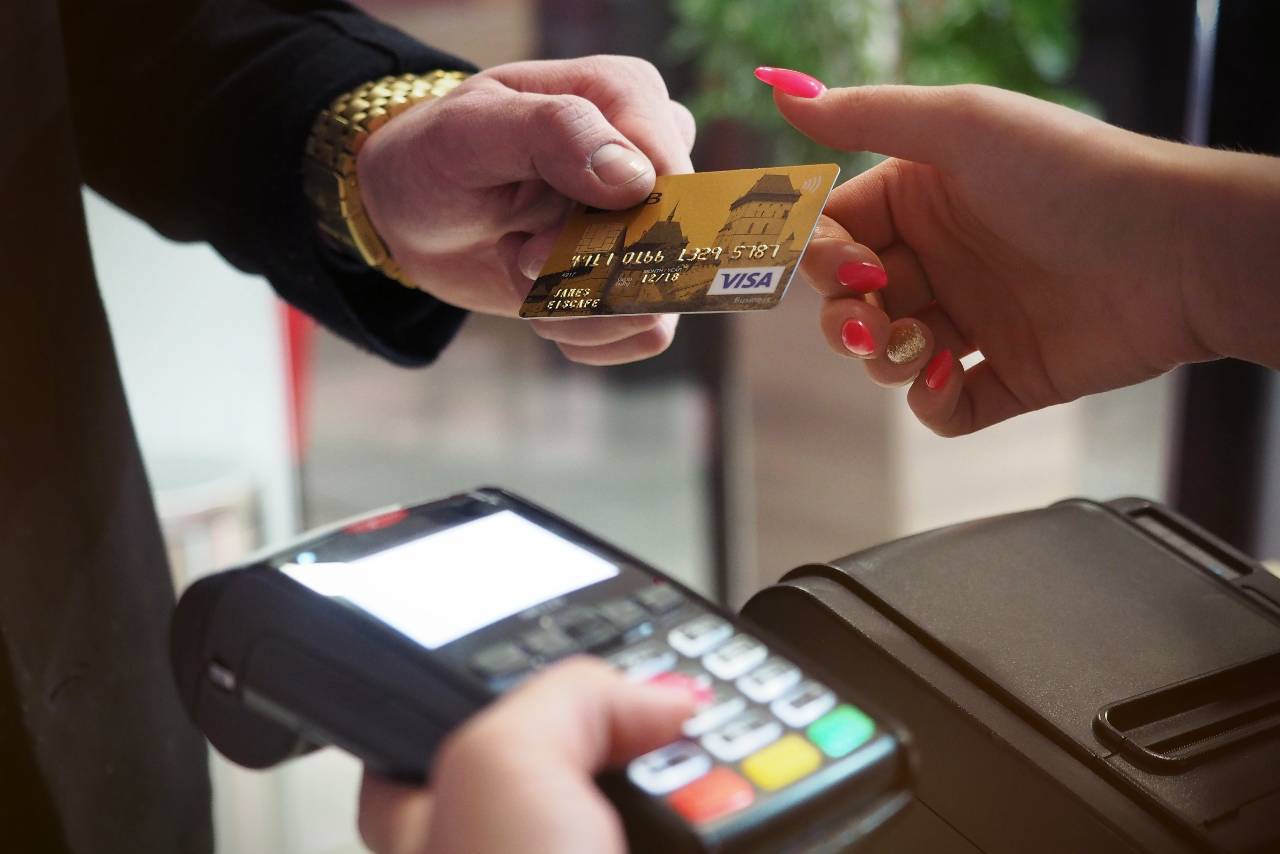
Management should thoroughly train cashiers on how to operate the POS system to ensure that orders are accurately entered in and transactions are properly processed. Supervisors can provide hands-on training by letting new hires practice on the POS system and by guiding them through their first customer transactions.
With comprehensive training, cashiers will be able to complete sales more efficiently and solve problems related to the POS quickly, minimizing any delays in customer service.
To improve the speed of service, employees should make sure that orders are correct. They can do this by repeating the orders back to the customer before sending the ticket to the kitchen.
Doing so will prevent the kitchen staff from having to spend extra time remaking an order. It will also minimize customer wait times and reduce food waste.
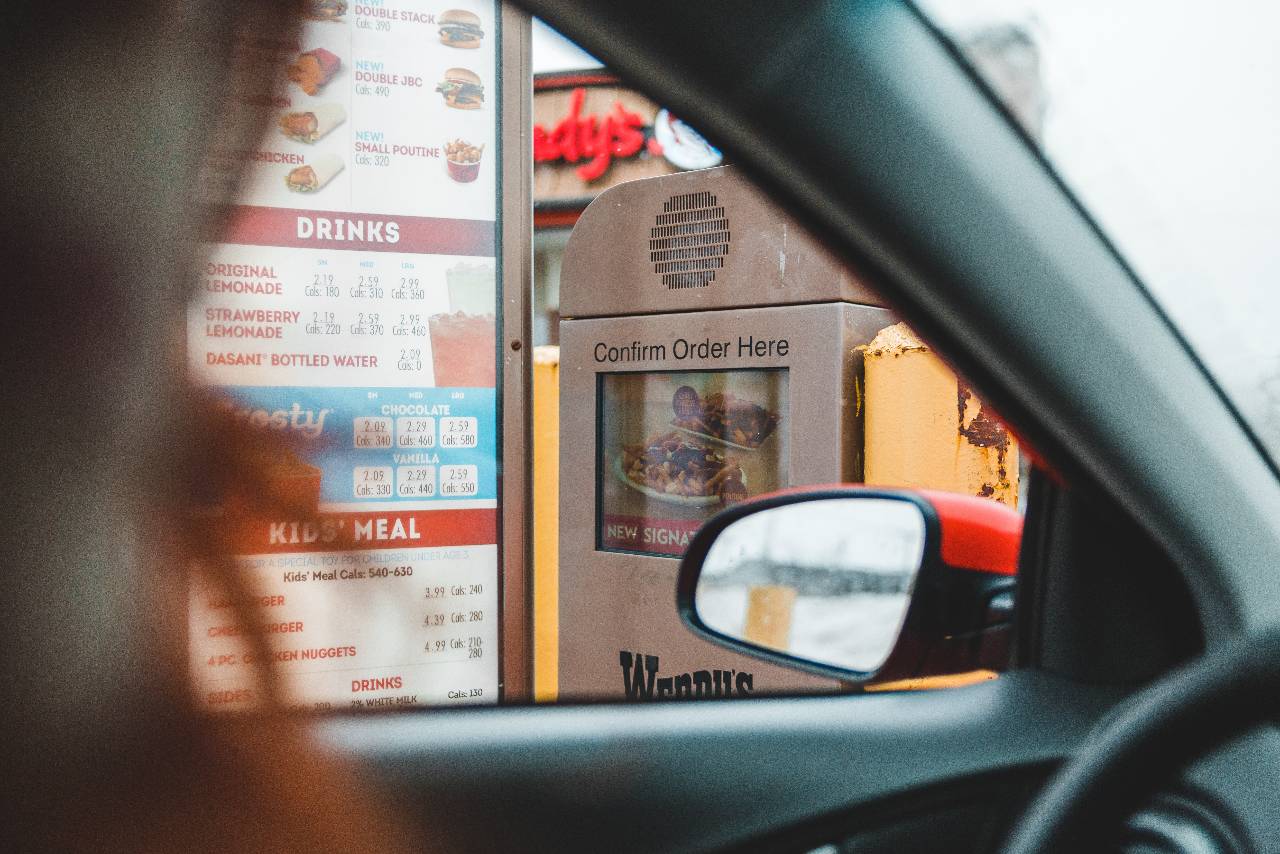
To prevent long lines of customers at the drive-thru, restaurants should schedule enough employees at the window and ensure that they are diligent when taking orders. This will prevent the backup of cars in the surrounding areas of the restaurant and will help the drive-thru line move faster.
Restaurant managers should consider the skills of their employees when scheduling and place them in positions that they would excel in. For example, a staff member that is patient and outgoing should be the cashier, while the employee that is quick at the grill should be the head cook.

Management should check and monitor their equipment and conduct repairs when necessary to prevent service delays. Restaurants can also update their hardware with the latest technology to improve their speed of service.
For example, the best POS platforms provide kiosks that allow customers to self-order, as well as digital signage that helps diners quickly see menu items without having to wait for servers to hand them physical catalogs.
Most restaurants are made up of two components- the back of house, where the kitchen and cooks are located, and the front of house, where the servers work and customers dine. To effectively increase the speed of service, restaurant owners must optimize the two components of their business.
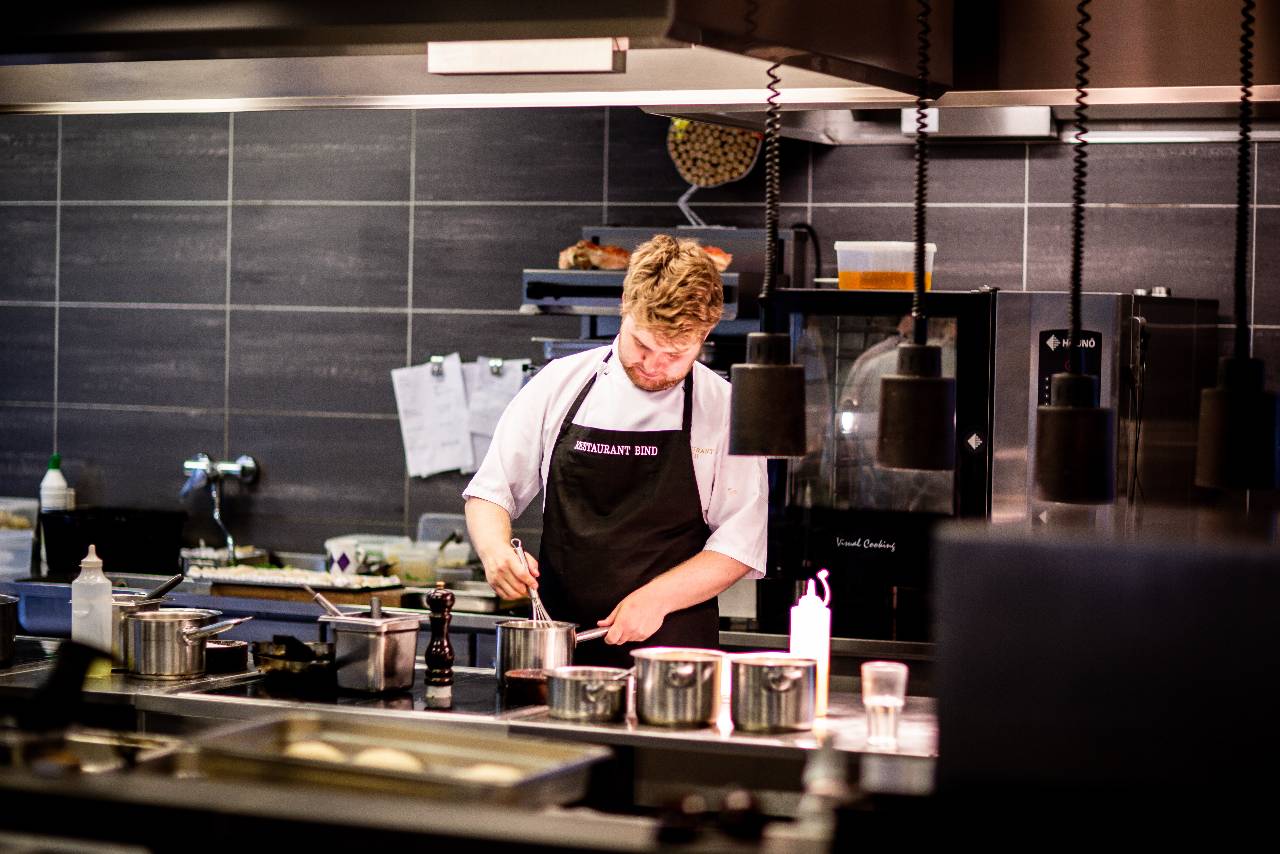
To streamline back-of-house operations, restaurateurs should consider the following.
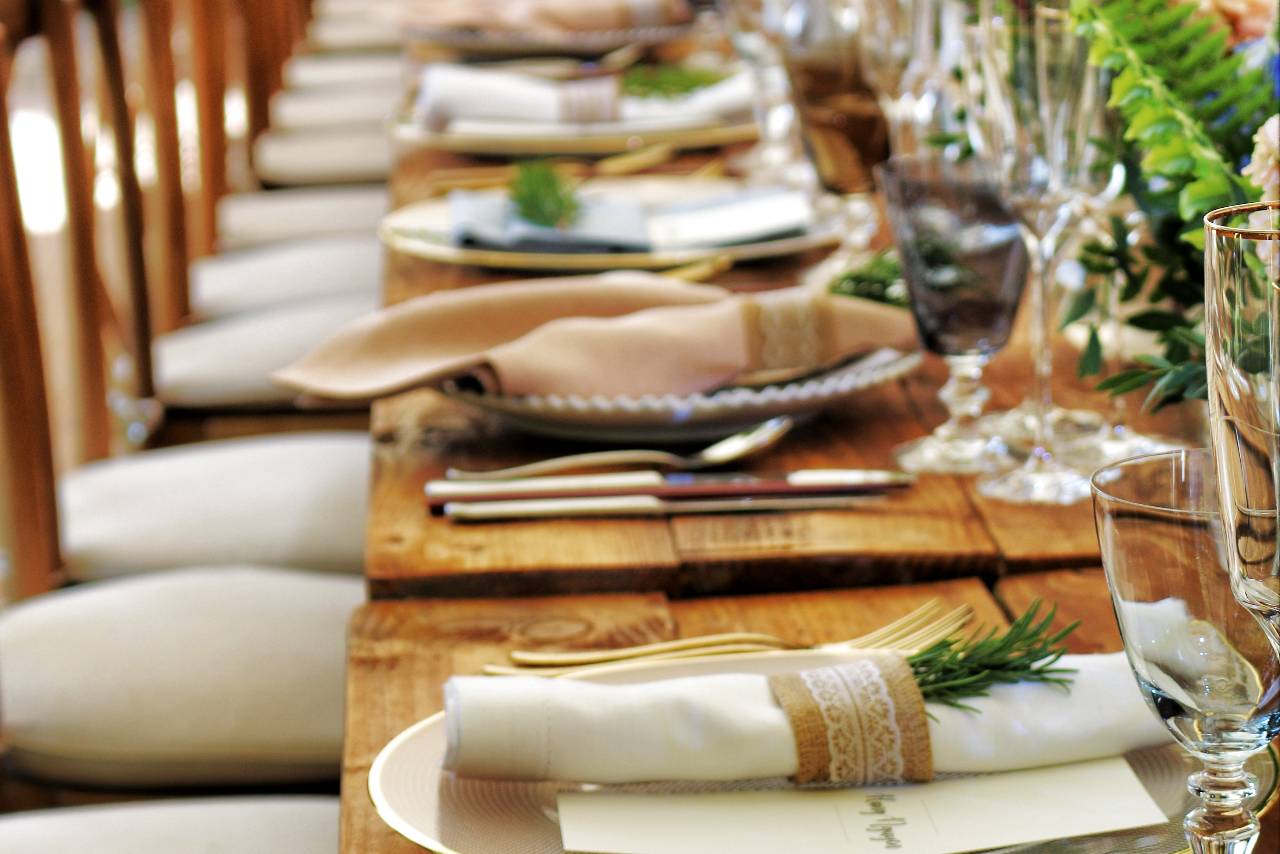
Restaurant managers can optimize their front of the house in various ways.